“Ichi-go ichi-e” is a Japanese idiom that translates directly to “one time, one meeting.” It describes the cultural concept of treasuring the unrepeatable nature of a moment, or a “once in a lifetime” experience. It is a reminder to cherish the moment you are experiencing currently because it cannot be repeated.
This year has been a whirlwind so far with a lot of “ichi-go ichi-e” moments (although technically every moment should be categorized as such in the spirit of the idiom). To catch you up to speed if you are not already following me on Instagram, I got married this year and my husband and I took our first trip as a married couple (AKA our honeymoon) to Japan!
Planning this trip was challenging, to say the absolute least. I knew very little about the culture, customs, and even the food going into it (there is so much more than just sushi and ramen), so quite a bit of research was required. Even having done days of research up front and putting together a nearly 15 page itinerary, I still learned a ton while attempting to execute the trip. I have organized my monologue into three separate posts:
Itinerary highlights (the post that you are currently reading) – these are our favorite things that we did in Japan. This will be helpful if you are planning a shorter trip than two weeks, or if you are just looking for advice on some absolute must-do activities.
Our full itinerary – every single thing we did with helpful details and photos, including sight-seeing, tours, meals, whether we got tickets up-front, whether or not we recommend the activity, etc.
Our trip to Japan was truly a life changing experience and I hope this post helps you to plan yours. Without further ado, I’ll get started! This is post 1 of 3, itinerary highlights.
Tokyo, Kyoto, and Osaka Itinerary Highlights
As always, my full two week itinerary in all its glory is detailed in Part 2 of this series, but if you are planning a shorter trip, I have detailed here my favorite itinerary items that you can look into as a higher priority.
As I was doing my research it seemed that instead of there being specific destinations that we needed to hit in particular locations, there were experiences that we just needed to have with opportunities all over Japan. Here are some more general experiences to look out for in Japan and, when applicable, I have given a recommendation on where you can best find it:
Get into the culture by hitting up at least one major “animated” strip. These are more common in Tokyo (recommended Akihabara) and Osaka (recommended Dotonburi), where you can play games and shop souvenirs, normal non-souvenir clothes and things, anime paraphernalia, and electronics. Even if this is not normally your thing, it is cool to see the energy of the neighborhoods and experience the gaming culture. Try Pachinko and slots, crane games, and capsule machines! The Taito Station is a multi-level arcade, and is a great spot to find most of the games (pretty much everything aside from Pachinko and slots, which have their own facility).
Japan’s landscapes are absolutely incredible, so if you can plan for at least one day with a hike, I would absolutely recommend it. Here are the ones we did on our trip:
Kurama (between Kurama temple and Kibune shrine – this took about a half day, and does require you to leave the Kyoto city center. Full itinerary for this half-day excursion can be found in part 2 of this series)
Nanzen-Ji (we did not get to finish it but it would have been an estimated 40 minute hike in one direction through the woods with a shrine at the end. Since we did not do it we cannot guarantee firsthand that there would be anything noteworthy at the end, but this did look like a fun one that you did not have to leave the main city area for. From what we saw, the path is a little bit rugged and steep – it is through the woods so there are rocks and roots along the path to watch out for). There is actually a whole network of hiking trails behind Nanzen-ji that we did not explore, so this would be a great choice if you are looking to do a day or half-day hike but not looking to leave the main city area.
Fushimi Inari Shrine (See the highlights in the Kyoto section below and the full itinerary for this day in part 2 of the series. I would recommend visiting this shrine even if you do not do the extra little hike attached to it)
Kiyotaki River (Arashiyama Park) (See the highlights in the Kyoto section below and the full itinerary for this day in part 2 of the series. This was probably our favorite hike of the trip)
There is SO much good food in Japan and you do not want to miss all the classic and iconic dishes. Here are the major foods to look out for and where you can find it:
Ramen (anywhere. There is a “Ramen Street” in Tokyo which is a good place to start)
Udon (anywhere)
Soba (anywhere, but recommended Kyoto)
Sushi (anywhere – recommended to do the chef’s tasting wherever possible)
Conveyor belt sushi (this is less about the sushi itself or the ambience of the restaurant and is just a really unique experience that you can do anywhere – Kura Sushi is a chain of these that is highly rated)
Yakitori (anywhere, but recommended doing this on Memory Lane in Tokyo)
Kaiseki meal (anywhere, but would definitely recommend doing this in the traditional way at a Ryokan in Kyoto)
Mochi (anywhere, but definitely recommended to try this fresh in Nara if you go there)
Matcha (the traditional way at a tea house – recommended to do this in Kyoto)
Shaved ice (anywhere)
Tempura (anywhere)
Katsu (anywhere, and bonus if you can find katsu curry!)
Grapes (anywhere, but make sure they are the big special ones. The best ones we had were from the Hankyu market in Osaka)
Fluffy bread and buns (anywhere, but it is the best on sandwiches for breakfast or snacks at the Family Mart and 7-11)
Wagyu (anywhere – recommended to try wagyu nigiri sushi, but also to go to a restaurant where you cook the meats yourself)
Souffle pancake (anywhere)
Okonomiyaki (Osaka) – This one is tough to describe but it is basically a cast iron griddle cooked bbq “pancake” filled with veggies and choice of protein and the Osaka specialty is also topped with noodles. This one is a must-try!
Takoyaki (Osaka) – These are bubble-griddle cooked octopus balls. You can find them EVERYWHERE in Osaka served right on the street (though you can also find them in Tokyo) and they are tasty!
You might have to travel a bit out of the way for this next one but trying out an Onsen was an unreal experience that I highly recommend, and is also a very traditional Japanese experience. Onsens are natural hot springs and the heat and high mineral content of the water is believed to have many health benefits. Most onsens are outside the city centers in the mountains (by nature, since they are natural hot springs), so this might require a bit of planning in advance. They are often located at inns so if you plan to stay overnight at an inn that has one then you will likely have private access. If you are planning just a day trip, look into whether the onsen that you want to visit allows day visitors because some are reserved for inn guests only. Traditionally you enter these completely naked so plan accordingly!
Tokyo Itinerary Highlights
If I could sum up Tokyo in one word it would be OVERHWELMING! Coming from New York City I honestly did not think a city would ever make me feel overwhelmed by its sheer size and energy, but Tokyo did just that. Everything was big, bright, and full of energy! Here are some of our favorite stops in Tokyo:
Memory Lane, or “Piss Alley” – The cute nickname for this narrow alleyway comes from the post WW2 roots of the street when there were no toilets. There are in fact toilets now and the street has been converted into a ton of restaurants and bars serving up yakitori. This is a great place to try yakitori and you will not go wrong no matter where you decide to sit down. We chose randomly and the food was delicious.
Takeshita Street – This is a short strip that is comparable to a street fair with shopping, games, and street food. Save some room in your belly for snacks like crepes, ice cream, and candied strawberries.
Shibuya Crossing – This is the largest crosswalk in the world with thousands of people crossing at every light change. You should cross this street yourself, adding to the madness, but you can also head upstairs in the Starbucks on the corner to see it from above.
Tsukiji Outer Market – This is a giant multi-street market where you can get just about any Japanese food you can imagine, savory and sweet. You have to try to the fresh fish especially in the morning when the fish has been just recently caught and delivered (there is a first time for everything and Japan is a great place to hit your first “breakfast sushi” milestone)
Akihabara – This neighborhood is famous for electronics shops and also for diehard fan culture, anime, and manga. Walk down the main strip to be engulfed in bright lights, an overwhelming amount of shops, and a full experience of the energy that I promised. This is a great spot to try arcade games at the Taito Station or the Pachinko and slots.
We had planned three day trips outside of the Tokyo city center which are explained in detail in part 2 of this series. Depending on your personal preference, at least one day outside of the Tokyo city center would be highly recommended. Hakone was a great one to try to catch a glimpse of Mt. Fuji, but Nagano was a close second favorite experience because of the onsen visit and snow monkey park.
Kyoto Itinerary Highlights
Coming from Tokyo, Kyoto felt much tamer and quieter. This is a more traditional and old-school city and felt more like real life, as opposed to Tokyo which felt almost like a movie. In Kyoto, we got to try a lot of the more traditional Japanese cultural experiences which we really enjoyed.
Here are some of our favorite stops in Kyoto closer to the city center:
Ryokan and Kaiseki dinner – A Ryokan is a traditional Japanese inn and I highly recommended staying at a Ryokan at least one night while in Kyoto. Take note that Ryokans exist all over Kyoto, some closer to the city center and some pretty far out in the mountains. In order to accommodate our itinerary we had selected a Ryokan closer to the city center, the Hiiragiya Ryokan. It is very traditional, the Madame came to our room to greet us and thank us for staying there, and we had our own private zen garden right outside our window. If you stay at a traditional Ryokan, your kaiseki dinner is served to you in your room, and then after your meal the attendants flip your dining area into a bedroom in a matter of 10 minutes. They come back in the morning to flip the room back into a dining area to serve your breakfast in your room. The whole Ryokan experience is a cool one especially for the meal and for the bath. Some Ryokans out in the mountains will be set around the hot springs and will have access to onsens. The Hiiragiya Ryokan was closer to the city center for convenience in our itinerary but it still had a traditional bath setup with a cedar bathtub and spring water. It was recommended to us by the inn-keeper to soak in the bath before dinner and it was definitely a great pro-tip!
Nanzen-ji Temple – This is a really special temple. It has a garden that you have to pay a separate fee to get into but it is absolutely worth it. There is also an aqueduct, a hiking trail to a waterfall and shrine, and a really beautiful main hall with a painting of dragons on the ceiling. There is so much to do in this complex and it has such a beautiful main building that you would not want to miss this one. The hiking trail also connects to whole network of hiking trails up the mountain so if you wanted to make this a half- or even full-day event you could do it all here!
Kodai-ji Temple – This is a nice temple, the highlight of which is the small bamboo grove attached. It is also directly near and associated with another temple, the Entoku-in, which has really incredible artwork. These two together are a worth-it experience.
Kiyomizu-Dera Temple – This temple sits on a huge complex with multiple buildings, and is a fun one! The main temple building is particularly beautiful and ornate. The colors are also vibrant (it is one of the few temples we saw that is orange as opposed to dark brown or black). There are multiple buildings, each with its own unique view of the surrounding countryside.
Chion-in Shrine – The coolest part of this one for me is the fact that it has the largest entry gate in all of Japan. The size of this gate is dizzying and then there is a GIANT set of stairs to get you to the main temple building, which only gives more perspective to the size of the gate.
Kinkaku-Ji Temple (Golden Pavilion) – This is a quick visit (and not REALLY in the city center) but the pavilion itself has a literal gold exterior and is quite unique.
Kennin-ji Temple – We actually did not make it here (it was on the list but we accidentally entirely missed it), but here it is on the recommended list anyway because it is a cool one – there is a painting of twin dragons on the ceiling and a lot of cool artwork on panels in the building complex.
Here are some of our favorite stops in Kyoto further from the city center:
Nara and the Todai-ji Temple – Nara is a day trip outside of the Kyoto city center that is very easy to get to by train, and the Todai-ji Temple in Nara houses one of the three Great Buddha statues in Japan. Nara is also where you can interact with the sacred deer that bow to you! You can see the full itinerary of the day in part 2 of the series.
Kurama (Kurama-Dera Temple and Kibune Shrine) – This is a great half-day trip from Kyoto including hiking, and once in Kibune there are a bunch of restaurants that are set over the river for a truly unique dining experience. The full itinerary of this excursion can be found in part 2 of the series.
Fushimi Inari Shrine – This is an absolute MUST, and probably one of the most famous shrines in all of Japan. This is a short hike through thousands of Torii gates, all very close together, to create a sort of sacred tunnel to walk through. It is about a 1.5 hour loop if you choose to do the whole thing and half of the loop is up a staircase, but it is totally worth it. We also did an extra hike which we really enjoyed. Find all the details in part 2 of the series.
Kiyotaki River hike and the Oragi Nenbutsu-Ji Temple – This might have been my favorite temple in all of Japan! This whole day was one of my favorites (you can find the whole itinerary in part 2 of the series), but if you take one thing from that day’s itinerary to do, it should be the Oragi Nenbutsu-Ji Temple. The attendant explained to us that it is one of the more modern temples and 42 years ago they envisioned 500 small statues of buddha that would be individually donated by patrons. 42 years later, they far exceeded their initial goal and 1200 statues had been donated, making for a very unique temple garden! Each statue has its own personality, which makes sense knowing that each one was designed and donated by someone different. It is also cool to see that they are modern – some of the statues are doing things like boxing or playing tennis! Afterwards it is easy to connect right to the hike along the Kiyotaki river. This hike was our favorite during this trip, and you get to walk alongside the river the whole time. What is cool about this hike was that it changes quite often and you get to see a lot of different landscapes. There is a section with a bamboo grove, lots of flowers, and a section with Kitayama Cedar trees which grow very tall and perfectly straight. The water of the river is so perfectly blue and the whole hike feels like it is straight out of a fairytale.
Osaka Itinerary Highlights
Osaka might have been our favorite city in Japan, but the jury is still out. We are cognizant of the fact that Osaka was our last stop, so by the time we got there we might have just been more comfortable with the language and the culture than we were while in Tokyo. Osaka’s motto is “kuidaore” which informally translates to “eat oneself to ruin,” and so we obviously ate as much as we could in Osaka – out of respect for the culture of course! There were a lot of “street fair” type streets in Osaka, similar to Tokyo, with ornate decorations like giant dumplings or dragons over a street vendor, and also a lot of street games and snacks to occupy you. Osaka was just as lively as Tokyo and we had just as much fun exploring here as all the other places we visited in Japan. Here are some of our favorite stops in Osaka:
Dotonburi – This is a strip along the river that consists of a promenade on the inside, right along the river, and two streets that sandwich the river walk. It is a short strip but it makes up for it with bright lights, high energy, giant illuminated billboards, and unique decorations like a huge octopus extending out from a storefront. There is a ferris wheel that you can ride that gives you views of the city and a ton of street food and carnival games that will keep you entertained.
Shinsaibasi – This neighborhood has a number of covered streets for shopping and dining. It is a fun place to walk through for eating and shopping that has a little more variety and is a little less showy than Dotonburi.
Hankyu Department Store – This is a HUGE department store in Umeda near the main Osaka train line. It is a luxury department store so in the shops above you will find all sorts of luxury goods. Our main reason for going there. however, was to shop the basement floors for the luxury foods. The B1 level contains curated beautiful desserts and savory bento boxes of Japanese, Chinese, and other mixed cuisines. The B2 level is more of a grocery store, and this is where we found our luxury grapes and melon. The fruit is unprecedented, and if you want to try a luxury bite of fruit (guaranteed the best grape you have ever had), you will want to check this out! We also grabbed lunch at the B1 level and it was the best (albeit the only) eel bento box I have ever had.
Mel’s Coffee Roasters – This is the craftiest of craft coffee shops that I have ever been to. We learned how special this coffee is after Nick asked for milk to add to it, and Mel herself came over to explain that the light and delicate flavor of the coffee would get ruined by the heavy flavor of the milk, and so she does not recommend it. If you are looking for a light and delicious cup of coffee (and are willing to drink it according to Mel’s recommendations) then definitely give it a go. They do also have espresso and espresso drinks like a latte, to which they then obviously add milk and give you the option for sugar. They have a $30 cup of joe on the menu which I am sure would be out of this world!
Mochisho Shizuku – This is a sweets shop that serves mochi that are so perfectly constructed that they look like little pieces of artwork. Not to mention delicious, too! I would highly recommend stopping in here for a quick snack and a homemade ginger ale during your travels.
Okonomiyaki Mizuno – This is a Michelin starred restaurant serving up the classic Osaka dish, Okonomiyaki. This one is tough to describe, but it is basically a bbq “pancake” cooked on a cast iron griddle, filled with veggies and choice of protein, and customized with toppings of your choice. While in Osaka you absolutely have to try this, and what better way to do it than at a Michelin starred restaurant? It was easy, too! Mizuno does not take reservations and once you are seated the whole meal takes about 20 minutes for them to cook and you to eat, so the line moves quickly. We got there at about 4:30 PM which was perfect timing because we got in immediately, and we were out of there before 5. It is counter serve and they cook your pancake right in front of you. It is a really fun experience and the food is fantastic!
Micadadeco & Café – This is a café where we got our first and only souffle pancake in Japan. They were the best breakfast item on our trip, hands down. The pancakes were made with ricotta and they certainly were cheesy! They were thick and jiggly just how souffle pancakes should be, and the light texture mixed with the ricotta flavor was really something else. Certainly try the souffle pancake while in Japan, and I can personally vouch for this restaurant. Be aware that while they open at 9 AM, they only serve the pancake from 11 AM – 2 PM.
Sushi Isshin – This was a recommendation to us by a nice couple from Hong Kong that we met at Mel’s earlier in the day. The sushi was incredibly fresh, the wagyu and eel were perfectly cooked and seasoned, and it was a very simple counter serve experience. We did not do a chef’s tasting here, but rather ordered based on the numbers on the menu (not much conversation was had, as no one spoke English in this restaurant), and the food was served by the chef over the counter almost immediately.
Bar Nayuta – This bar served some of the best cocktails I have ever had in my whole life. It has a speakeasy feel (and the location is tucked away in the 5th floor of a building complex with an unassuming entrance), and the main room is pretty small – there were probably no more than 20 customers in there at a time. There is no menu so the bartenders (or their assistants) come around and ask you what flavor profile you are looking for, and then some follow up question (sour vs sweet, creamy vs clear) depending on what you responded. The first drink I got was a ginger based mule with a special spicy pepper infused simple syrup and muddled with a few different fruits. The second drink was chocolate flavored but I asked for something not too sweet and not too heavy with a clear base. The drink that was produced was the most unique and incredible cocktail I have ever had, and I am actually sad that I have no way of knowing exactly what went into it.
Where we Stayed
In Tokyo, we stayed at the Tokyo Mercure Ginza hotel. It was clean, and a good size – there was space to sprawl out a bit and open up our luggage, store shoes, etc. The bathroom had a fog-free mirror, which we thought was a pretty cool innovation. A button up robe/gown was provided (which became our pajamas during the trip), the hotel had daily housekeeping (unless you put the do not disturb on your door), and there was also a laundry service (which we did not use). It was located in the Ginza area, so we were really close to a lot of good food and often were able to walk home after dinner. It was not very close to Tokyo station so when coming in and out of Tokyo with our luggage, we still had to take a cab to and from the train. There were other closer local subway stations, so getting around was still really easy. There was no breakfast service, and no communal lounge/bar area. Given the size of the room and the excellent location, I would recommend it! If you are looking for something with communal space to lounge and a place that offers breakfast, a bar, and other amenities, this might not be for you.
In Kyoto, we stayed at the Kyoto Century Hotel. It was also clean, but significantly smaller than the Tokyo hotel so there was not really space to sprawl out, open luggage, and get settled. The room was separated into two sections – the front half was the entrance with a sink, which also contained a separate room with the toilet and another separate room for the shower. The back half of the room was the bed and a vanity/desk. The two halves of the room could be separated by a curtain. It was honestly a weird setup, and while it worked fine, it probably was not ideal. This hotel also provided the button up robe/gown, did housekeeping every other day (but you could request daily), and offered dry cleaning services. They did have a fantastic complementary buffet breakfast which ran from 6:45-10AM, which we took advantage of a few days of the trip, and a really nice lounge area in the lobby with a bar. It was a quick walk from the Kyoto central metro station, which made it really convenient for getting around. If you are looking for a spacious room, this place is probably not for you. However, if you are not concerned with the size of the room, this hotel offered nice amenities, was in a good location, and was a great place to stay!
In Osaka, we stayed at The Hotel Grandee Shinsaibashi, which was in Shinsaibashi, a main attraction in Osaka. It was about a 20 min cab from the main Osaka metro line, and we did not need to take any subways while exploring Osaka, so I cannot speak to the convenience of the more local metro stations. The hotel was an 8 minute walk from Dotonburi, which was perfectly convenient for all sight-seeing that we wanted to do, so I would say it had an excellent location. The room was also HUGE, even bigger than the hotel in Tokyo. It had 2 beds, which we obviously did not need, and a large bathroom which had separate rooms for the shower, the sink, and the toilet. The shower room had both a stand-up shower and a jacuzzi bath, which also had a TV on the far wall. In addition to the bathroom and bed area, there was a living area with a couch, coffee table, and desk. There was plenty of space here, needless to say. They had laundry machines which cost extra, but no laundry service to my knowledge. There was no complementary breakfast, but they did have a lounge on the ground level with free beer, wine, and cakes, which closed at 10 PM. Attached to the lounge was a trendy rooftop deck with seats and tables. I definitely recommend this hotel if you are staying in Osaka!
I hope this was helpful in getting a flavor for all the fun and interesting things that you can do in Japan, and the things that we found the most exciting and recommendable. Check out part 2 of this series, in which I detail our whole entire itinerary, including helpful photos of each activity and a detailed description (which will include my opinion on the event). This will be listed in the exact order that we did everything, so it will be easy to lift fully planned days straight from this itinerary into yours. Check out part 3 of this series for tips and tricks on prepping for and navigating through your trip to Japan.
“Ichi-go ichi-e” is a Japanese idiom that translates directly to “one time, one meeting.” It describes the cultural concept of treasuring the unrepeatable nature of a moment, or a “once in a lifetime” experience. It is a reminder to cherish the moment you are experiencing currently because it cannot be repeated.
This year has been a whirlwind so far with a lot of “ichi-go ichi-e” moments (although technically every moment should be categorized as such in the spirit of the idiom). To catch you up to speed if you are not already following me on Instagram, I got married this year and my husband and I took our first trip as a married couple (AKA our honeymoon) to Japan!
Planning this trip was challenging, to say the absolute least. I knew very little about the culture, customs, and even the food going into it (there is so much more than just sushi and ramen), so quite a bit of research was required. Even having done days of research up front and putting together a nearly 15 page itinerary, I still learned a ton while attempting to execute the trip. I have organized my monologue into three separate posts:
Itinerary highlights – these are our favorite things that we did in Japan. This will be helpful if you are planning a shorter trip than two weeks, or if you are just looking for advice on some absolute must-do activities.
Our full itinerary (the post that you are currently reading) – every single thing we did with helpful details and photos, including sight-seeing, tours, meals, whether we got tickets up-front, whether or not we recommend the activity, etc.
Our trip to Japan was truly a life changing experience and I hope this post helps you to plan yours. Without further ado, I’ll get started! This is post 2 of 3, our full itinerary.
Keep in mind as you read this post that each and every item on this itinerary came recommended to me, whether through my own research or conversation with friends. The recommendations I make here are entirely my opinion and I try to also leave context for why something ranked high or low on my priority list. No matter what, do some research to determine what attractions best suit you. Some of our favorite activities were ones that we were advised to skip entirely!
Also keep in mind that Nick and I are not the type to kick back and relax on vacation. We are very comfortable being go-go-go all day, every day. These days are PACKED with probably an unreasonable amount of activities. If you are a more relaxed traveler, plan to do less. I try to keep it real with my captions and photos of us looking pretty exhausted sometimes, but if it does not come through loud and clear – LET THIS BE YOUR WARNING!
In any event, shall we begin?
Day 1 – Tokyo
On day 1 of our trip we took a 10 AM EST flight that landed mid-afternoon Japan Standard Time. It was a short cab from the airport to our hotel and we got checked in and settled. The first stop on our itinerary was “Memory Lane” or “Piss Alley,” a narrow alley in Shinjuku that gets the cute nickname from its post-WW2 roots when there was not a toilet to be found. There are in fact toilets now, and the alley is full of tiny yakitori restaurants. Each are counter-serve with a handful of seats.
Our first meal in Japan was naturally yakitori. We walked the whole strip before sitting down at a restaurant but we really did not have a strategy for selecting one. We tried to pick one offering an English menu that had some people in it but still had space for us. This meal was delicious and some of the better yakitori we had on the trip. We definitely recommend this as a stop on your itinerary!
From there we went to Golden Gai Street, a small network of narrow lanes FULL of tiny bars. This was cool to walk through but was much less lively than Memory Lane. It was cool to see the density of bars, as I had never seen so many piled on top of each other before. However, unless you are looking to stop into a few of them for a drink, the walk through the alleys probably would not rank high on my priority list.
We stopped for a coffee and chai tea at a shop called Lemon. We quickly learned that most coffee and tea shops are “craft” in the sense that your cup is made individually, and to perfection. The Japanese take their time to make sure everything is done correctly and it really shows in the quality of the product – this coffee and chai tea were yummy.
We made our way to Takeshita Street next. This street is comparable to a street fair, lined with shopping for souvenirs, high fashion clothes, food, sweets, and street games. We wish we had known ahead of time how cool this street was going to be, as we would have planned to spend more time here. We had a timed ticketed event fast approaching and we did not leave much room in our bellies after yakitori, so we merely passed through.
Next was the Shibuya Crossing, a MUST in the itinerary. This is the world’s busiest pedestrian crossing with thousands of people crossing at every light change. Certainly take a walk across this street to experience the organized chaos of so many people walking in every different direction, yet not a single person brushing your shoulder throughout the journey. Once you experience it on foot, head up to the second floor of the Starbucks on the corner to get a bird’s eye view.
From there we went to the Shibuya Sky Observation Deck for a fantastic view of Tokyo. We had purchased a timed ticket in advance which we were happy about because we saw some people without tickets get turned away at the door. The views were spectacular but this event does take a LONG time because the elevators only hold so many people. This is one that I think you can skip. Be mindful there there are other observation decks like Tokyo Tower and the Tokyo Metropolitan Government Building (which is free to enter), so this is not the only option for a bird’s eye view of the city.
At this point it was close to 10 PM and not many places were still open for dinner. It was a weird day for eating because we had traveled and our schedules were a little messed up. We were exhausted and starving so out of convenience we went to Gonpachi, a fusion restaurant with both sushi and cooked foods. We got the chicken rice bowl, various sushi, and ice cream and brûlée pudding desserts. It was tasty but it was probably the least impressive sushi of the whole trip. We were desperate.
Nick took a nap on the train ride back to the hotel. Recommended in the itinerary.
For video footage of day 1 in Tokyo, check out my reel on Instagram!
Day 2 – Tokyo
Our first real stop of the day was the Meiji Jingu Shrine so we found a coffee shop nearby to get us fueled up for the day. I unfortunately do not know the name of the shop in English, but I have included a picture of the storefront below. The menu is entirely in Japanese and the very elderly woman who runs the shop, Mimi, does not speak English (who would expect her to??) We happened to run into a nice couple in the shop who spoke English and helped us navigate the menu. We got the traditional breakfast consisting of a thick slice of fluffy toast with jam, a hot or cold drink, and either a hard boiled egg or little bowl of potato salad. If you can locate Mimi and her shop, stop in for a really cool experience and yummy food.
Then off to the Meiji Jingu Shrine, a nice introduction into the world of shrines. It is quite busy with a large complex and is set within a forest. There is not much to do aside from walk through and snap some photos, so we made our way out of there pretty quickly.
We took a 20 minute walk to the Shinjuku Gyoen National Garden which has a lot of beautiful flowers and landscapes. Again, this is a nice introduction into the world of gardens, but there are so many more beautiful gardens on the itinerary upcoming.
Next we walked past the grounds of the Imperial Palace to sneak a peek at the exterior of the building. We learned that the Emperor currently lives in this palace in Tokyo so the palace building is not open to the public. The surrounding gardens are open for tours most days of the week and then you can get close to the palace building. The East Gardens of the Imperial Palace are open to the public as well and you are free to walk through these as you wish as long as they are open. Check Google to see when these gardens are open, as they each have their own unique operating hours. The East Gardens would have been a far walk for us and the main garden was closed the day that we were in this area, so we snapped a pic from afar and headed to our next destination.
At this point we were pretty hungry but were holding out for a real lunch. I would recommend always carrying snacks around with you, which are not hard to come by at all through vending machines, Family Mart, and 711. Having snacks on-hand is a good way to get you over the hump on long days with lots of walking. We wound up making our way over to the Kabuki-Za Theater in Ginza for a timed show that we did get tickets to in advance. There is a shopping area in the theater with a few food options, various dessert options, and then a lot of shopping for non-food. It was fun to browse this market and we also grabbed lunch and some sweets here before the show – highly recommend!
Now, for the show itself. The show is VERY cool because you get to see the way Japan runs its traditional theater. The characters are showy and very animated and the costumes are elaborate. The only downside is that the show is in Japanese and there is only so much story you can pick up through body language, inflection, and acting alone. They do provide a pamphlet in English that details the storyline, but even that is a little bit confusing. The full show is 4 hours and we stayed for less than half. We feel like we got the cultural experience without it taking up the rest of the day. Once it was no longer fun to try to piece the story from the pamphlet together with the performance, we headed out.
Next stop was dinner, which was admittedly pizza (you can take a girl out of NYC…) We went to PST (Pizza Studio Tamaki) Roppongi, a Michelin Starred pizza joint. The Tamaki-style is characterized by a fragrant and salty crust, made salty by the sprinkling of salt into the furnace before the pizza is added. We started with the homemade Japanese beef lasagna, unique because the beef was seasoned in a Japanese style with a hint of sweetness. Paired with the traditional Italian lasagna format, it was a great take on a familiar dish. For our mains we went with a cheese-based pie and a traditional margherita. This was the only time we veered from the Japanese cuisine in Japan, and if you have the time and the appetite for it we definitely would recommend!
This is where our adventures ended this day – we walked back to the hotel to aid with digestion and went to sleep to rest up for tomorrow.
For video footage of day 2 in Tokyo, check out my reel on Instagram!
Day 3 – Tokyo
Day 3 started at the Tsukiji Outer Market where we got “breakfast.” The market is a giant network of streets with vendors selling everything from fruit to raw fish, freshly fried snacks, and packaged goods. We tried the strawberries and grapes, assorted fried cakes, fresh tuna sushi, and sea urchin. On the way out we got a bottled milkshake that was basically a custard ice cream base before you stick it in the ice cream machine. This market is a great place to try some really fresh seafood and to get a variety of small bites. We recommend! While it may sound weird, going early in the morning is supposed to be the best time to try the fish because it is really fresh. We had gotten there at around 10AM and it was PACKED already so if you want to avoid crowds, earlier is better!
Next was the Koishikawa Korakuen Garden, one of Tokyo’s oldest gardens. The garden is beautiful and we took almost an hour to stroll through it. Something that I found really interesting was the blurb next to the sake house, pictured below. The name of the sake house, “Kuhachi-ya” is a combination of the Japanese words for nine, eight, and store. It is a nod to a lesson in modesty, “do not fill sake cup to the brim. Nine-tenths in daytime, eight-tenths at night should be enough. It is wise to keep modest attitude toward all things.”
From the garden we took a cab to the Senso-Ji Temple (Asakusa), Tokyo’s most prominent temple. The complex is beautiful with brightly colored red buildings. It was pretty crowded and we did not spend much time here, but we were glad we made the visit. We were here for about 20 minutes.
At this point we were hungry for lunch so we walked over to the nearby Hoppy Street, an area known to have many Izakaya restaurants (bars serving small plates). We selected a restaurant at random and got ourselves a nice cold drink, yakitori, and noodles. Nearby was a dessert spot called Chacha Futatsume which I had discovered on Instagram a while ago, so we had to stop in. They serve a dessert layered with cakes, jam, jelly candies, creams, and topped with a matcha flavored monte blanc (sweetened chestnut puree) pressed into a noodler that makes it look like pasta. This was unique, delicious, and the perfect combination of sweet and a little bit savory from the matcha. We definitely recommend Hoppy street for lunch and then Chacha Futatsume to satisfy your afternoon sweet tooth.
From here we went to Akihabara, formerly a local shrine, converted to a strip now famous for electronics shops, diehard fan culture, anime, and manga. On this strip we tried the pachinko games, slots, and crane games. We also popped in and out of shops admiring the anime figures and other paraphernalia. This was a fun strip and we would recommend for the anime shops, manga culture, and arcade games.
We ended the night with ramen at Hirugao Tokyo Station. We were honestly looking for Ramen Street, a street near Tokyo Station dedicated to ramen restaurants. I am not sure if we quite found it, but we did settle for this spot because we were hungry (a common thread of this trip). While tasty, it was not the best ramen we had on the trip – no need to make a special stop for this exact restaurant.
For video footage of day 3 in Tokyo, check out my reel on Instagram!
Day 4 – Nagano (Day Trip from Tokyo)
On this day we planned an “unplanned” day to adventure to Nagano and hopefully make it to the snow monkey park. We were not sure how difficult the bullet train (Shinkansen) would be to navigate so we had low expectations for what we would accomplish, but the trains turned out to be pretty straightforward and easy to use. We grabbed breakfast and a coffee at a Family Mart and Doutor on the way to the train and then the adventure began!
We made it through our first train ride smoothly. During the gap between the arrival of the first train and the departure of the second, we explored the Saiko-ji Temple nearby the train station.
We then hopped on the second train that took us as close as we could get to Shibu, where we hoped to take a dip in an onsen. We found the visitor center of the Shibu Onsen resort and they got us set up with an admission ticket to the onsen and gave us a little explanation of the rules and what to expect. The onsen itself is a very unique experience – the water is VERY hot, but you are able to turn on cold water to cool it off a little. You are required to bathe ahead of entering the water and to be completely naked during the process in order to protect the integrity of the natural spring water. It took me about 10 minutes to get the temperature right and then I lasted about 15 minutes in the water. Luckily there was no one else in the onsen at that time so I had it all to myself, as the baths are not co-ed. This experience was one of a kind and we would absolutely recommend trying it while in Japan!
Nearly overheating worked up an appetite so we stopped into a tiny local restaurant called Soba Yariya – the food was fresh, homemade, and was delicious! It is tough to tell from the photo but we were sitting on the floor at a low table for our meal. There were normal tables in the restaurant as well. If you stop into Shibu for your onsen experience, definitely check out this restaurant while you are there! The dipping soba noodles and the salmon sashimi were particularly delicious.
We had a bit of a walk up the mountain after lunch to get to the snow monkey park. On the way we got apple ice cream at Enza’s Café, located at a prime point on the walk right where most people probably lose hope. The ice cream was absolutely necessary to get us the rest of the way.
We made it to the snow monkey park and spent over two hours in the park just watching the snow monkeys in their natural habitat. It was birthing season so there were babies running around and it was such a fun experience! The monkeys were completely unbothered by humans and they would walk right past you on the paths in the park. Their cute faces and sleepy demeanor should not fool you though – we witnessed a few snow monkey altercations while we were there and it could get pretty nasty! This was a highlight on our trip, but we did save it until after we had explored the city center of Tokyo as there is so much to do and see right in the city. I hope you have time in your itinerary to get outside the city and see the snow monkeys, but I can understand planning an itinerary where this is not a priority.
By the time we had gotten back from the snow monkeys we were exhausted and it was late, so we took this opportunity to try some authentic Japanese McDonald’s! To be honest, I always like to try the local fast food in foreign locations because there are items on the menu that I cannot get at home.
It may not look like it in these pictures, but we are having a BLAST! These have been really long days with a lot of walking (buses and cabs are often available as well, we just typically choose to walk and explore the local streets), and we were still adjusting to the time zone. I am here to keep it real that this itinerary provides some long days that might not be suited to the more relaxed traveler. Needless to say, after our Mc’D we went straight to sleep!
For video footage of day 4 in Nagano (as a day trip from Tokyo), check out my reel on Instagram!
Day 5 – Hakone (Day Trip from Tokyo)
While planning I anticipated being exhausted by now, which turned out t be an accurate insight. For day 5 I booked in advance a full-day private tour to Hakone. While we splurged on the private experience for our honeymoon, there are more affordable options in a group setting. If you like the way our private tour sounds, send me a DM on Instagram so I can connect you with our tour guide.
We started the day with a quick breakfast at Doutor. As you can see, I became a big fan of sandwiches with egg salad in them while in Japan. While Nick’s breakfast looks like a fat slice of cake, it is actually a pork katsu sandwich.
Our fantastic tour guide picked us up at our hotel at 8 AM in his car and we started the 1 hour drive towards Mt. Fuji. On the drive, he talked us through the different options that we could choose to see on our tour so we got to customize our experience which was nice. Our first stop was the Arakurayama Sengen Shrine and the Chureito Pagoda. There, we climbed 398 stairs to catch a view of the beautiful pagoda and what would have been a fantastic view of Mt. Fuji behind it, should she have been ready to come out and play that morning. It was not so, so we got a view of the pagoda with some clouds in the background – still worth the climb!
Next we drove to Oishi Park. “Oishi” means delicious in Japanese, and this park, known for its delicious ice cream, is aptly named. We got some ice cream (the grape ad blueberry were outrageous) and marveled at a man-made statue of 252 different types of volcanic rock. The park was also beautifully manicured with flowers and trees that thrive in different seasons intentionally so that there is always something in bloom.
We hopped back in the car to Lake Kawaguchi (the main area), where you can take a cruise ship around the lake with views of Mt. Fuji and take a cable car for a bird’s eye view. The cable car had a long wait so we opted for the cruise ship. Mt. Fuji was still hiding from us, and if she is not visible then the cruise ship is not really necessary in our opinion. Can you see the very top of the mountain peeking through a square window in the clouds? We also stopped for a quick bite of cheesecake at the Cheesecake Garden – their fluffy cheesecake is unreal! You also get a free cup of coffee or tea with each cheesecake slice purchased, which is just what we needed.
Next stop was lunch at Fukuchan Ramen, which was fantastic.
We hopped back in the car and headed to Kitaguchi Hongo Fuji Sengen Shrine. This shrine is set in a dense forest and is separated from the road by a long path lined by stone lanterns and shaded by tall cedar trees. The large trees with ropes around them are protected and indicated as 1,000 years old. In the past, this shrine used to be a common starting point for pilgrimages to Mt. Fuji from the north – the trailhead is still located at the back of the shrine, and it was cool to stand under the Tori gate (the stone one) that countless people have bowed under and prayed to before beginning their pilgrimage up the great volcano!
Lastly, we headed to Oshino Hakkai, a village that has eight ponds of spring water, one of which being the pond that NASA took water from to make snow in space in 1983. We explored the village, got yummy street food, and did some shopping. At this point, Mt. Fuji was no longer being shy and she came out in all her glory! We were very lucky to see her.
After we were finished exploring the village we got back in our tour guide’s car and began the 1+ hour drive back to the Tokyo city center. Not surprisingly, we both slept the whole ride.
Our tour guide dropped us off in the Tokyo Bay Area where we walked around, looked at the Rainbow Bridge, the Statue of Liberty replica, and the life-size Unicorn Gundham statue.
From there we went back to the hotel (cabbed), got cleaned up, and headed to Ginza for a dinner reservation. We were early and hungry so we stopped for a quick bite of gyoza nearby at Chao Chao Gyoza Ginza.
Dinner was at Ushigoro, a beef bbq restaurant where you cook the meal yourself. We did the wagyu menu, and the meal was fun, interactive, and (most importantly) delicious. This meal was one of the highlight meals of the trip, so if you have trouble getting a reservation at this specific restaurant or if you are not in the Ginza area, we certainly still recommend trying to do this style of meal at least once.
For video footage of day 5 in Hakone (as a day trip from Tokyo), check out my reel on Instagram!
Day 6 – Kamakura (Day Trip from Tokyo)
Today we had another private tour booked to explore the town of Kamakura. Today’s tour was navigated by foot and train. If you like the itinerary for the day, DM me on Instagram so I can connect you with my tour guide!
We got breakfast at a local café called Renior and I got yet another variation of my egg sandwich. This one was sliced up hard boiled eggs instead of the egg salad, and it was a bit dry. After this experimentation, I would opt for egg salad only! Nick got thick toasted milk bread with jam and cream and thoroughly enjoyed it.
Our tour guide met us at our hotel and brought us to the train for about a 1 hour ride to our first stop. On the train he taught us about the Japanese language, as well as the written text which is much more complicated than I originally thought it was (and I already thought it was complicated). He also taught us about the different statues that we would see in a temple, what they mean, and what other symbols to look out for. It was very helpful with regard to understanding what we were looking at during the rest of our trip. We did not do many tours, but this one proved really usefull because of what we learned that we could take with us on the rest of the trip. Our first stop was the Hokoku-ji temple which has beautiful gardens and a bamboo grove. At the bamboo grove there is a tea house and you can enjoy traditional matcha with a beautiful view. This temple was a highlight of the day.
Next we visited the Tsurugaoka-Hachimangu Shrine, the most important Shinto shrine in Kamakura. It marks the city center and serves as the venue of many important festivals. The building itself has mainly served as a shrine, but also served as a Buddhist temple briefly. There is a large Tori gate right at the entrance and a long path leading up to the shrine that begins all the way at Kamakura’s waterfront.
Our next stop was the Hotoku-in temple, another highlight of the day because of the Great Buddha housed within.
The Hasa Dera temple was next, housing one of the two Kannon statues that exist in Japan. The history is that the statue was made in Nara and suddenly appeared off the coast of Kamakura and this is why the temple was founded here in 736. You are not allowed to photograph the Kannon statue itself, though she is absolutely breathtaking. There are postcards in the gift shop that you can purchase as a souvenir or just take a picture of to hold the memory.
Within the Hasa Dera temple complex there is a walking path through a grove of hydrangea flowers, which were in bloom at the time that we went. It is an uphill walk but it is worth it because of the beautiful view of the town and water at the top.
We learned about the god of business (photo on the left) and the Jizo, the protector of children (photo on the right)
At this point we have not yet had lunch so we hopped on a retro tram to take us to another part of the city rumored to have the best tonkatsu (pork katsu) at Katsuretsu-an. We were not disappointed and we had a heck of a lunch!
We finished off with some matcha ice cream and some treats to-go from a local pastry shop that we snacked on later before dinner.
Dinner was at Ginza Tempura Masa, booked well in advance. This is a small counter-serve tempura restaurant offering the chef’s tasting menu only. If you can snag yourself a seat at this restaurant, it is absolutely worth it even if tempura is not your thing. The meal is surprisingly light (in feel only, certainly not in actual calories), and the chef is very obviously talented at what he does. The meal consists of various fried fish courses, some veggie courses like asparagus, corn, and stuffed mushroom, a fried rice course, and a soup course. We had tempura on other occasions in Japan and this was hands down the best tempura of the trip.
For video footage of day 6 in Kamakura (as a day trip from Tokyo), check out my reel on Instagram!
Day 7 – Kyoto & Kurama/Kibune
Our adventures in Tokyo were over and it was time to head to Kyoto. We picked up a coffee on the way to the Shinkansen, grabbed our tickets, and headed out for the roughly three hour train ride. It is worth mentioning here that we had a *little* bit of experience with the Shinkansen from having gone to Nagano earlier in the trip, but we were still pretty confused while purchasing the tickets. Without the commuter pass you have to purchase the ticket based on your destination or the total price of your ride if you know it, and you also have to purchase a “fare” ticket in addition to your destination ticket so you travel with two slips in your pocket the whole way. We have yet to figure out how to get the “fare” ticket from the machine, but in every station that we needed a Shinkansen there was a ticket window with an employee that was always very happy to help us. Also worth noting is that we never purchased assigned seats tickets and we were always able to find a seat, giving us some leeway with timing since these tickets are not specifically timed (I think you have to use it on the same day, though). The trains come very frequently but on different platforms and the platforms are not very close to the ticket booths. If you do not have an assigned seat you are also limited to specific cars on the train and you will likely have to walk all the way down the platform before you can board, another time consuming activity to account for. Keep these things in mind when trying to decide which train to run for (i.e. if there is a train leaving in 5 minutes and you are still at the ticket window, it might not be worth running to that platform if there is another train leaving in 10 minutes from a different platform, especially if you are sporting luggage). If you purchase a ticket with an assigned seat or that requires you to make a specifically timed train, give yourself a conservative amount of time to get from the ticket booth to your platform.
Once we arrived in Kyoto we checked into our hotel, dropped our luggage because the room was not yet ready, and found a lunch spot. We stumbled upon Sushiiwa on Google and decided to go for its fantastic reviews. Little did we know, this would quickly become one of our favorite meals of the whole trip!
We went for the chef’s tasting omakase lunch and were presented with a beautiful appetizer plate consisting of a scallop with tomato, egg tofu, potato in sesame sauce, mushrooms in broth with greens, and baby sardines with a kinome leaf which has a very unique flavor with notes of citrus and mint. The next course presented to us was mackerel with crispy garlic chips in a vinegar sauce. The flavors were unreal!
The rest of the meal was sushi and sashimi with a soup course in between. We had our first experience here with a very interesting ingredient, the water shield, which is a plant that holds a little gelatinous orb around it and has an interesting crunchy soft texture. We were certainly intrigued by this and the many other unique ingredients that were used in these dishes.
The dessert was a matcha flavored shaved ice with little mochi balls. This restaurant was an absolute slam dunk and we would totally recommend it – we almost insist. If you do not trust us, you can take it from Steve Jobs, as this was apparently his favorite restaurant in Japan too!
From here we went to the Higashi Honganji temple, up the block from Sushiiwa and recommended by the owner. It is a fairly small and peaceful complex with a large space in between the different buildings. The founder’s hall is one of the largest wooden buildings in the world!
Even though we just arrived in Kyoto, our first itinerary item in Kyoto was actually outside of Kyoto, so we hopped in a cab headed to Kurama. In my research I learned that the Kibune River (nearby Kurama) is quite special. Inns and restaurants set up platforms over the river on which you can enjoy your meal with the river rushing on either side of you. We found a restaurant and booked the meal about 3 weeks in advance, and later looked up the most ideal hike to get you from Kurama to the river. If you want to follow this itinerary for your trip to Kurama, put “Kurama-Dera Temple Niomon” into your GPS/Uber (or tell your cab driver) to bring you to the trailhead where you will head up the staircase and follow the winding path up the mountain. This is a great half-day excursion from Kyoto.
The trail is decorated with shrines at every twist and turn and you will eventually come upon the Kurama-Dera temple which has a beautiful tiled courtyard, a spectacular view, and a HUGE bell that you are allowed to gong.
You will continue on the path and will eventually stumble upon the “Root Path,” which consists of a network of tree roots above the ground that you walk through. You might also notice a section of wooden benches which once served as a meditation area for samurai passing through. Nick and I stopped here for a ten minute meditation before continuing on.
The trail turned into a grove of cedar trees which grow impressively straight and tall! The last milestone on this hike is the Kifune shrine which indicates your arrival at the river.
The restaurant that we booked for dinner is called Okukifune Hyoue and the whole experience was fantastic. As we approached the restaurant it started to rain, which was not good for our hopeful outdoor river meal. We began the meal inside but expressed that we were really hoping to sit outside as soon as it was possible to do so and the restaurant staff worked hard to dry off the platform, tables, chairs, and even the greenery above to make the outdoor space ready as soon as it stopped raining.
The meal was a kaiseki meal, a Japanese banquet with a set menu. We had probably 10 or more courses of food including a soup, a whole fried fish dish, a tempura dish, a hot pot course, and a rice dish. It was a ton of food and we were so full and satisfied by the end of it. This was our last event of the day and after the meal we headed back to the hotel for a good night’s sleep. While Kurama was an unforgettable experience, if you are on a tight schedule I would understand if you do not make it out here.
For video footage of day 7 in Kurama (as a day trip from Kyoto), check out my reel on Instagram!
Day 8 – Nara (Day Trip from Kyoto)
I know it seems like right off the bat we are not giving Kyoto enough love since we are taking so many day trips, but we promise that there is good Kyoto content coming! During our second day in Kyoto we did leave again for a day trip to Nara, starting off with a quick breakfast at the complementary hotel buffet and then running off to the train.
Our first stop in Nara was Starbucks to try the lemon cake drink that we had been seeing everywhere since we landed in Japan. It tasted exactly like a lemon pound cake, which was pretty remarkable. We walked with our tasty drink to the Kofaku-ji temple to see the impressive five story pagoda.
Next, and the reason why most people journey out to Nara, we went to Nara Park where you can interact with the deer that bow to you in the hopes of scoring a rice cracker.
We played with the deer feeding them crackers as we walked through the park and moseyed on over to the Todai-ji temple, housing one of the three Great Buddha statues in Japan.
Next we climbed a hefty set of stairs at the Nigatsu-do for a view of the city below. While the picture does not look like much, the view was beautiful and the stairs were not very steep so I would recommend giving it a shot.
We then headed over to Mt. Wakakusa which promised even more sweeping views of the city below. These views were absolutely SPECTACULAR, but you do have quite a climb to get to the top – about 20 minutes of stairs. Bring lots of water and take some breaks along the way. At the top of the mountain there is a restaurant with refreshments like shaved ice, coffee, tea, and meals like udon bowls.
Our last stop inside the park was the Kasuga-Taisha Shrine, housing 3,000 moss colored lanterns making it quite unique.
Once we left the park we walked down the main strip called Sanjo Dori Street and caught a view of the live mochi pounding inside Nakatanidou. After watching the hard work it takes to get the mochi perfect, we obviously had to try some fresh mochi. It was the best mochi we had in japan – perfectly soft and chewy, still warm from being prepared, and filled with a yummy red bean paste. Most definitely try this while you are in Nara!
We had skipped a meal at the top of Mt. Wakakusa, but now at this point we were starving. We stopped into Ichizoku right along that same strip for a no-frills rice bowl with chicken. It was simple but really hit the spot. We were in the mood for something sweet afterwards and spotted a cute macaron spot, Over Macaron, so we popped into there and had some very tasty and cute macarons.
We had one last stop to make on this long day, a small animal café that we had spotted earlier on our way into the park. We went up the stairs, read through all the instructions, signed the appropriate waivers, and then wandered through the café to take a look at the various tiny animals within. It was definitely a novelty type of shop, fun to do once, but we did not have to do something like this again on the trip.
We closed out the day with a daifuku (filled mochi) from a cart on the street and then hopped on the train to get back to the hotel. Given the two large meals we had and all the snacking we did throughout the day, by the time we got the hotel we were still full and sleepy so we called it a night!
For video footage of day 8 in Nara (as a day trip from Kyoto), check out my reel on Instagram!
Day 9
This morning we had a very special experience participating in the Buddhist Zanzen ritual which happens the fourth Sunday of every month in the Nanzen-ji Temple complex. The ritual runs from 6-7 AM and is entirely in Japanese. There is a chant provided that is spoken all together towards the end of the ritual, and Google’s best translation of that is included in the gallery below. It was a very cool experience if you are into the Buddhist culture and want to participate in a very local and authentic experience. Since we wanted to have this experience, and since it was held at the Nanzen-ji temple, the rest of this day’s itinerary is a bit weird because we wanted to come back to Nanzen-ji later to explore (as it was not open to the public yet once the ritual was over). Keep that in mind when planning your own trip, and re-order these activities to best suit your needs!
After our Buddhist Zanzen ritual we headed to the entrance of the Philosopher’s Path, a peaceful river walk lined with flowers and greenery.
Our first stop off the Philosopher’s Path was the Honen-In Temple, a small and peaceful with beautiful artwork. There was literally no one else at this temple when we were there at 8 AM.
Next was the Ginkaku-ji Temple, also known as the silver pavilion, which we got to right as it opened to avoid crowds. This complex is stunning with beautiful zen gardens (the white ones with patterns drawn in) and a view of the city. It is fairly small and we spent about 20 minutes here.
Our next stop was breakfast at the coziest little café called Botanic Coffee. Everything here was made to order – each cup of coffee freshly brewed and each order of pancakes made from scratch starting with the bag of flour every time. If you are in this area around breakfast time, I highly recommend checking out this café!
Next we went to the temples at Yoshida Hill, a little hill with a few temple complexes on top all clustered together. There are beautiful hydrangea gardens, buddha statues, impressive pagodas, and a cemetery. This hill is worth the walk through!
We started to make our way down Yoshida Hill and towards the Kyoto Imperial Palace and we found ourselves at the Kamogawa river. There is a bridge that gets you across, but there are also stepping stones that take you across at the water level which is really nice. The water is really shallow so since I was wearing sandals I walked through the water half the way. Unless there is some reason that you cannot use the stepping stones, these would be my recommended way of crossing the river every time!
Once across, we continued to make our way to the Kyoto Imperial Palace and got distracted by a burger spot right outside of the entrance to the palace complex. We decided to stop for lunch, as it somehow already was after 12 PM and we had walked probably about three hours straight already!.Olu Burger did not disappoint us with its wagyu patties and decadent sauces. Nick got the teriyaki burger with a double wagyu patty, and I got a single patty avocado wasabi burger. These were incredible.
We finally made it inside the Kyoto Imperial Palace! The grounds of the palace are HUGE and you have to walk nearly 30 minutes through the fields and gardens before approaching the palace itself. There are free tours here at set times for different languages so we got lucky that we caught a tour, but I would recommend checking in advance so that you do not miss the tour – it was worth it. There is a lot inside the Imperial Palace complex and it is much more interesting to hear the history behind each building and garden than it would have been to just walk through and look without context. This was a nice experience and the gardens were my favorite part, but this is certainly an activity that can be skipped if you are at all pressed for time.
Once finished at the Imperial Palace, we b-lined out of the complex to the nearest street so that we could call an Uber to take us back to the Nanzen-ji Temple to explore the inside. There is a garden that you have to pay a fee to get into that we prioritized first, and this beautiful garden and small bamboo grove was well worth the entrance fee. The building complex is also gorgeous with beautiful artwork and gardens – this temple is an absolute must-see on your Kyoto itinerary!
The Nanzen-ji temple is unique because it is attached to a network of hiking trails behind the temple. We ventured into them for a little while but had to turn back around because the temple was closing shortly. If I planned this trip again, I would plan to spend at least a half-day here exploring not only the temple but also the surrounding hiking trails.
We were, surprise surprise, hungry again! We walked down Hanami Koji Street which is full of coffee shops, souvenir stores, and restaurants. We grabbed a little snack of mochi while we walked down this strip and googled where we should go for dinner.
We were in the mood for sushi so we found an omakase counter that could take us without a reservation, Sushi Hananoi. This meal was expensive but was also very delicious. We were served various courses of cooked and raw fish and at the end the chef even asked us if there was anything we wanted that he did not already bring us, which was a nice personal touch.
For dessert we stopped into a sweets shop nearby called Gion Gozu selling specialty puddings.
Then back to the hotel for much-deserved sleep.
For video footage of day 9 in Kyoto, check out my reel on Instagram!
Day 10 – Kyoto
We started the day again with the hotel buffet breakfast and then headed out to explore the Gion district. Our first stop was the Kiyomizu-Dera Temple. This temple is certainly a highlight as far as temples go. The colors are beautiful and bright, compared with the dark brown or black that we saw on other temples. This temple consists of a large complex with multiple different buildings that all have beautiful views of the countryside. There is even an opportunity to attempt to pick up some heavy duty equipment that literally no one can lift! Would you give it a try? We got here as soon as it opened in order to avoid crowds and we spent about 30 minutes. We absolutely recommend!
Next we tried to locate a few different shopping streets, Ninenzaka, Sannen-Zaka, and Yasaka-Dori Street. These are all generally in the same area but it was a bit difficult to determine where each one started and ended because most signs were in Japanese. We walked down what I think was Ninenzaka street to take a look at all of the shops and restaurants. We found a cool ring store where they hand-make your custom ring in whatever material you want (they have up to 18k gold). Nick and I got souvenir rings at this shop.
While we waited for our rings to be made, we moseyed around the area and popped into a couple of other temples. The first was the Ryozen Kannon which houses a GIANT Kannon statue overlooking a reflecting pond. The second and third were the Kodai-ji and Entoku-in Temples which are right across the road from each other and are technically part of the same complex. Kodai-ji has a beautiful rock garden and a bamboo grove. This one is totally worth it, even if for the bamboo grove alone – it is much more quiet than some of the more popular bamboo groves and it felt a lot more natural. Entoku-in is smaller and has very cool artwork in its buildings.
By the time we were finished exploring these temples we went back to the ring shop to pick up our souvenirs. We continued down the shopping street winding into the Sannen-Zaka Path where we caught a great view of the Hokan-ji temple. This temple consists of one five-story pagoda which is not always open to visitors, but when it is there is a lookout on the 2nd floor. We did not go into this one.
Our last stop of the day before lunch was the Yasaka Koshin-do temple which is named the most colorful temple in Kyoto. The method of worship in this unique temple is to write your wish on a small ball-shaped talisman made of cloth which represents the good faith monkeys. If you give up one of your “greeds,” it is believed that your wish might come true! The good faith monkeys can also be spotted at this temple, and you might liken them to the Japanese “three wise monkeys” – hear no evil, speak no evil, see no evil. This temple was beautiful and fun, and we recommend!
We grabbed a snack of candied strawberries off a street stand and then for lunch we stopped into Kyo-Kiyomizu Shigemore for some udon. It was tasty, but nothing to write home about – do not go out of your way to check out this specific restaurant.
After lunch we grabbed a little coffee pick-me-up and then headed to the Yasaka Shrine which has a large bell that you can ring.
Our last stop of our afternoon exploring Gion was the Chion-In Temple which has the largest entrance gate in all of Japan. Once you pass through the gate, which is truly HUGE< there is a giant staircase to get you to the rest of the temple complex, giving perspective to the size of the entrance. In the last picture below, you can see me waving my arms around in the entrance, for size reference. This one is worth the visit!
By the time we left the Chion-in Temple it was around 2:30 PM and it was time for us to take about a 45 min walk to the Hiiragiya Ryokan, a traditional Japanese inn. We were excited about experiencing a Ryokan for a few reasons – for one, traditional experiences are what we are after and this seemed like a quintessential one from our research. Second, the Ryokans offer what is supposed to be one of the most exquisite kaiseki meals in all of Japan. Lastly, most Ryokans offer some sort of onsen experience and we were hoping that this one had something like that. When looking for a Ryokan, we looked specifically for one that had a traditional tatami mat room in which dinner and breakfast are served to you directly in your room. It is helpful to book this well in advance – I had booked about 3 weeks in advance and a lot of the ones that looked really nice were already booked. The Hiiragiya Ryokan did not disappoint us, though!
Upon arrival our bags, umbrellas, and shoes were swiftly taken off our hands (and feet) and replaced with some cozy slippers. We did not see our shoes again until we checked out the following morning, and that was totally fine by me! We got a tour of the building including the beautiful dining room that we could choose to have our dinner and breakfast in if we wanted to. We did not, because we wanted the traditional service in our room, but the dining room was so beautiful and surrounded by gardens that we actually considered having breakfast there. We got to select our dinner and breakfast time from the moderately-sized windows that they offered us. They also showed us the communal bathroom which is simply larger than the one in your room, and you can let them know in advance if you want to book it for private use. The bathroom includes a cedar bathtub filled with natural spring water just like the onsens. While this Ryokan did not have a traditional onsen setup (which we figured, since it was closer to the city center for convenience in our itinerary), we still had the opportunity to do a traditional soak before our dinner in the spring water cedar bath.
Next, we were showed to our room which was very large, including a bathroom with its own cedar spring water tub and separate shower, and a sitting area with a private garden view. We were brought a dose of matcha and a traditional sweet to begin our stay and then the attendants left us alone until it was dinner time. We enjoyed our matcha while we viewed the garden, utilized the cedar bath for a relaxing soak, and slipped into the yukata robes provided to us.
At this point it was just about dinner time so we mentally prepared ourselves for the kaiseki meal, or Japanese “banquet,” that was soon to come. Once it was time, we sat at the table in the center of the bedroom and began. Our attendant provided us the menu for the evening and would come in roughly every 10 minutes to bring us our next course. The meal was exquisite, probably one of the best that we had in all of Japan, and we were certainly quite full by the end of it!
Once the meal was over it was time to flip our dinner table into a bed, so we were asked to move over into the sitting area and the attendants expertly made our bedroom in 10 minutes flat. They even left us a pot of tea and evening cookie to snack on before bed.
For video footage of day 10 in Kyoto, check out my reel on Instagram!
Day 11 – Kyoto
After a fantastic night’s sleep, we woke up bright and early to welcome our attendants back into our room so that it could be flipped into the dining area for breakfast. They also brought tea and a small pickled plum (an acquired taste). 30 minutes later they brought us breakfast – a FEAST, to say the absolute least. There were eggs, various bites of fish, tofu, veggies, soup, rice, pickled veggies, and a few other dishes I am surely forgetting.
We were ready for another day of sight seeing! The ryokan staff gave us back our shoes, provided us with a parting gift of a beautiful set of chopsticks each, and waited at the doorway until we walked down the block and out of eyesight, bowing the whole time. Our first stop was the Kyoto Botanical Garden where we saw a rare mushroom in bloom along with more hydrangea, lotus ponds, and beautiful gardens.
Next was a tea ceremony through a tour site that we booked in advance (the sites I use most often are Get Your Guide and Viator). The tea ceremony was not only a nice way to enjoy a dose of matcha, but also a really cool way to learn about the history of the drink and to gain a better understanding of the culture of the tea ceremony. One thing that I found really interesting while watching our host perform a 10-minute segment of the 4-hour ritual was the intention of each and every movement. From the way the orange purification towel was perfectly folded and placed into her belted kimono to the direction that water is scooped and poured into the bowl, each and every movement was gracefully controlled. We then got the opportunity to make our own matcha, enjoy a traditional ceremonial sweet, and sip our tea as we chatted with the host and the others in the tour about the experience and any questions we had. This was a great experience, and I do recommend it while you are spending time in Kyoto!
It was time for lunch and we decided on a conveyor belt sushi restaurant called Kanazawa Maimon Sushi, which turned out to be such a fun experience. You are seated at your table in front of a large conveyor belt taking little plates of food all around the restaurant. If you see a plate that you are interested in trying, you simply take it off the conveyor belt and enjoy. You also have a tablet at your table and if there is something you want from the menu that you do not see floating around the belt or if you just do not want to wait, you can order through the tablet and the sushi chef will hand your dish directly to you. At the end of the meal your waitress will tally up your bill based on the number of plates you have in front of you, each color representing a different dollar value, and you then head to the register to pay. This sushi was surprisingly affordable, delicious, and the overall experience was really fun! There is no need to hold out for this restaurant specifically to try conveyor belt sushi, as there are a lot of different ones everywhere in Japan!
We had a hankering for something sweet so we stopped into Inoda’s Café for a coffee, a chocolate orange swiss roll, and a fruit and cream sandwich.
We then hopped on the train bound for the Fushimi Inari Shrine, one of the activities that I was most excited for heading into this trip. My fellow New Yorkers might remember that in 2005 there was an art display in Central Park by artists Christo and Jeanne-Claude of 7,500 saffron colored gates lining 23 miles of winding trails in the park. I was assigned to visit this exhibit as extra credit in my high school art class, and the event even made it into my personal journal (see photos below). I learned later that all of Christo and Jeanne-Claude’s public works of art are temporary, and they have been quoted saying “all of our work is about freedom. Nobody can buy our projects, nobody can sell tickets to experience our projects. Freedom is the enemy of possession and possession is equal to permanence. That is why our projects cannot remain and must go away forever. Our projects are ’once-in-a-lifetime’ and ‘once upon a time.’” It is thought that these saffron colored gates were inspired by the Torii gates of the Fushimi Inari Shrine. That, and the connection with my self-proclaimed theme of the trip “Ichi-go ichi-e,” (the Japanese concept of the “once in a lifetime” experience) made this shrine really personally special for me.
We did this late in the afternoon to beat the heat, but you can also do this first thing in the morning at sunrise or late at night in the dark. The shrine does not close and is free to enter. The main loop takes about 1.5 hours to complete but you can easily spend a few hours here if you take your time or if you do any offshoot hiking trails along the path.
We opted to do an additional trail which you can find if you put “Shiragiku Waterfall Path” into the GPS. It was about a 1 hour detour through the forest. There are very interesting shrines along the way and the trail eventually looped back to the original lower loop of the shrine. Do not worry too much about seeing the actual “waterfall,” as the name of the trail indicates – this is not a real waterfall, and it was not necessary to see in order to make the hike worth it. The hike in and of itself is beautiful!
We got some refreshing candied grapes at the end of the hike (which was at the starting point because it was a loop) and we hopped back on the train towards dinner.
We decided that we wanted ramen so we looked up some good ramen spots while on the train and landed on a place called Hakata-Nagahama-Ramen Miyoshi. This restaurant is incredibly no-frills (there is no AC) and is honestly borderline sketchy, but might have been the best bowl of ramen on the whole trip. If you are looking for a fantastic and cheap bowl of ramen, certainly check out this place. If you are looking for a restaurant with a more comfortable atmosphere, waiter service, and ambience, please skip this one. Consider yourself warned.
From dinner we headed over to the Sanjo Bridge to sit by the river, digest our food, enjoy a small musical street performance, and plan what we wanted to do the next day. It was a beautiful sunset and a relaxing way to end the day.
For video footage of day 11 in Kyoto, check out my reel on Instagram!
Day 12 – Kyoto
We started our last day in Kyoto with one more visit to the hotel buffet breakfast and then were off to the Arashiyama Bamboo Grove by train. When we got off the train we stopped into the Tenryu-ji Temple primarily to use the restroom, but it wound up being beautiful and we spent some time here exploring the gardens.
We made it to the bamboo grove and walkeid through. Of all the bamboo groves we walked through in Japan, this one is by far the most famous, but also the most underwhelming in terms of a nature walk. It s a very short walk and it is also very crowded. The path is wide with wooden railings, separating you from the bamboo. You should absolutely at some point look to walk through a bamboo grove while you are in Japan, but if you can do one of the smaller and less crowded ones it might be more enjoyable than this one.
At the end of the grove we wandered into the Gio-ji Temple, a quiet and peaceful temple with the most beautiful green moss.
From here we put the Otagi Nenbutsu-ji Temple into our GPS and began the walk up the hill. Along the way, we passed through the Saga Toriimoto preserved street (a landmark on Google maps so you would not miss it) which has cute shops and beautiful houses.
Upon arrival at the Otagi Nenbutsu-ji Temple we immediately noticed little statues ALL OVER the place! We got to chat with an attendant at the temple and learned that this temple is only 42 years old and the original goal was to have 500 little statues donated by patrons and laypeople. 42 years later and they surpassed their goal with 1,200 statues now decorating the temple. This place is a truly unique experience and we highly recommend making the trek to visit.
Once we got to speak with the attendant who informed us how young this temple is, all of the statues we had been marveling at made so much more sense. They are on the more modern side, performing actions like holding their animals, hugging family members, and playing sports like tennis or boxing. There are so many of them and it was so much fun to look at each and every one to get a feel for its personality. Nick and I each had our favorites! Which one is yours?
From the temple we then embarked on a ~2 hour hike along the Kiyotaki River, which was nothing short of magical. If you want to do the same hike as us you can put the Jingo-ji Temple in your GPS after the Otagi Nenbutsu-ji Temple and follow the path along the river.
The hike begins at the top of the hill with the riverbed in sight and slowly descends until you are standing right on the river bed, with full access to the water. The water is crystal clear and a perfect blue color in areas that are a bit deeper. We were dressed for a hike and not for swimming so we stayed on dry land, but it was tempting to dip our feet in. There are a number of falls, so be careful if you decide to go in!
The hike winds through the forest following the river – you are not always directly on the riverbed, but it is always in sight! The very cool part of this hike is how vastly different every segment is. It starts in a fairly normal looking forest and then switchse to right along the riverbed. There are patches of bamboo grove here and there in the forest, and then you come upon a forest of cedar trees that grow perfectly straight and very tall. The hike ends at an impressive dam.
The end of the hike marks the beginning of the Jingo-ji Temple, which is very cool for the walk up the hill to a view of a vast valley in which you can toss a clay disk to make a wish come true! There is a cute little shop selling refreshments (mostly beverages) and the clay disks, and then you head to the railing, make a wish, and send the disk soaring.
Once we made our wishes and threw our clay disks it was time for lunch, as we were famished (I can not stress enough how clutch it is to carry snacks around). We found a quaint little shop called Yoshiden, owned by an elderly couple. We got a hearty bowl of rice with chicken and egg on top, and it truly hit the spot. On our ride back down the mountain, we again had a sweet tooth as we typically do after lunch, so we grabbed a coffee and matcha ice cream at Ever Coffee café in between bus transfers.
One thing to note if you decide to replicate this day is that it is a LOT of walking, and once you are at the Otagi Nenbutsu-ji Temple there are no longer options for Ubers or cabs. It is a bit of a walk uphill to get to Yoshiden after the hike and then you have to continue walking towards a bus if you want to have any chance of getting off the mountain. There are a couple of bus options, which is good, but it took a little bit of patience to figure out. Good news is that our eSim worked even on the mountain so we had the ability to look up bus stops and times.
There was only one more temple on our list in Kyoto, and since it was still only mid-afternoon we decided to go for it. We headed over to the Kinkaku-ji Temple which has a golden pavilion. This was out of the way and a very quick visit, but we think it was well worth it.
It was finally time to relax and have dinner! We headed back to the hotel to wash up and went right back out to search for some yakitori near our hotel. We found Yakitori Ichiban Hachijoguchi and had a lot of fun ordering one skewer after the next to try some really unique bites and then re-ordering our favorites. We also accidentally ordered the GIANT beers because we can not read Japanese.
We ended this most perfect (albeit exhausting) day with candied strawberries and taiyaki at Naruto Taiyaki Honpo, which was about a 40 min walk from our yakitori restaurant.
For video footage of day 12 in Kyoto, check out my reel on Instagram!
Day 13 – Osaka
It was time to pack up and head from Kyoto to Osaka! Luckily the trip is only about 15 minutes on the train. You do have to use the local train line, though, so traveling with all of our luggage on the crowded subway was a bit challenging.
Osaka’s motto is “kuidaore” which informally translates to “eat oneself to ruin,” and to respect the city of Osaka, we did exactly that! Our first stop was the Umeda Sky Building where you can head to the observation deck for beautiful views of the city. We had gotten tickets a few hours ahead of time which was not entirely necessary because there were hardly any people when we went anyway.
From the Umeda Sky Building, we walked to the Hankyu Luxury Department Store. We skipped the luxury goods shopping and headed straight downstairs to the B levels for the luxury foods. The B1 level sells prepared foods, both sweet and savory, and of a variety of Asian cuisines. The food is everything you would expect from a luxury department store – absolutely beautiful curated dishes, bowls, drinks, and desserts. From here we bought an eel and rice “depachika”, or lunch bento box, and a fruit and cream sandwich – both so good. The B2 level is more of a grocery store with fresh fruit, produce, and packaged goods. This is where we found the most elite grapes as well as a premium musk melon. This fruit is expensive, but for good cause. There is a special way of farming these fruits that makes them extra juicy, sweet, and delicious. We would definitely recommend trying the grapes. The musk melon is up to you, depending on how much you like honeydew.
Our next stop on the itinerary was technically our next meal with a long walk to get to the restaurant. Along the way we stopped for a coffee at Mel’s coffee roasters. This coffee shop is the craftiest of craft coffee shops – to the level where Nick asked for milk in his coffee and Mel herself came out to explain how milk would ruin the delicate flavor of the coffee and how she does not recommend it. If you are in the market for a really crafty cup of coffee, and are willing to drink it according to Mel’s recommendations, this shop is worth a visit.
We also stopped at Yohaki, a bakery and café with tasty treats, and Mochisho Shizuku, a shop selling beautifully crafted filled mochi (daifuku). The Mochi is really quite impressive – the pieces themselves are works of art and the flavor is unreal. If you make one stop in this area for a sweet treat I would recommend it be for a daifuku (or four) at Mochisho Shizuku.
We eventually hit the Dotoburi strip and snapped a photo by the water with the ferris wheel in the background. We did not stay long because we knew we would be back to explore later on that evening. (Peep the crow photobombing our selfie).
Okonomiyaki Mizuno was our dinner spot, a Michelin star restaurant selling okonomiyaki. This is a pan-fried dish consisting of batter and cabbage. Selected toppings and ingredients are added and the whole thing is very customizable. “Okonomi” literally translates to “to one’s liking,” so it is very aptly named. The dish is akin to a “pancake” in presentation, but not at all in texture or taste. The restaurant is counter-serve so you get to watch them make it right in front of you! The batter and cabbage are mixed together in a bowl and then poured on the griddle, and once both sides are cooked and meat/filling of choice have been incorporated it is topped with okonomiyaki sauce (which tastes a bit like Worcestershire sauce), sometimes mayonnaise, and dried seaweed powder. Sometimes there are bonito flakes as well, and we ordered the most popular one which is topped with noodles. It is a quick process to cook from start to finish and you are given your own spatulas to serve yourself right from the griddle whenever you are ready, so every single bite is “fresh off the grill.” This whole meal idea is fantastic and I absolutely recommend this restaurant while in Osaka. The restaurant does not take reservations so we got here early (around 4:30 PM) and there was no wait time at all. A line did begin to form outside as we were leaving but the whole meal is so quick from start to finish I imagine it moves pretty quickly.
We walked around Den Den Town to digest a little after our okonomiyaki, exploring the shops, playing some games, and looking for a specific camera store called Camera Kitamura. This strip is akin to Akihabara in Tokyo and is a fun daytime activity, especially if you are looking for a reprieve from eating.
After we had shopped and played to our heart’s content we stopped into a bar that was supposed to be very good for sake and cocktails, Sumiyaki Shoten yo Ohatsutenjin. They did not have an English menu here but our waitress was very accommodating despite the language barrier. We pointed to a sake off the menu without having any idea what it was (we chose based on price), and the waitress had a list on her phone in English of some of the most popular yakitori that they have and we used that to order a snack. This bar is a great vibe, the food and sake are tasty, and the wait staff is very helpful – I would absolutely come back here if given the chance!
Our last stop of the day was back to the river walk of Dotonbori to explore. We were captivated again by the bright lights and high energy of this city. We particularly enjoyed seeing the different decorations on each storefront, usually a giant sculpture protruding from the wall. Look out for the billboard of the Glico man which has become an unofficial symbol of Osaka. There are carnival games and plenty of food and sweets to keep you occupied, and there is a ferris wheel that closes fairly early, so plan ahead if you want to ride it. This strip is an absolute must-see.
For video footage of day 13 in Osaka, check out my reel on Instagram!
Day 14 – Osaka
We started our last day in Japan a little more slowly than usual. We stopped in a 711 for an ATM and indulged in a yummy snack, moseyed over to Mel’s again for one last cup of coffee, and headed to Micasadeco & Café (in the Horie District) for fluffy ricotta souffle pancakes. We were drooling at the thought of these pancakes for the whole trip and we saved them for the very last day because this spot is highly rated. Micasadeco did not disappoint us. They were fluffy and jiggly, as soufflé pancakes should be, and the ricotta gave them a cheesy and delicious flavor.
Next we headed to Osaka Castle which I enjoyed way more than I thought I would, to be honest. The exterior of the castle still looks like its original structure, but the inside has been transformed into a museum with multiple floors, each detailing a different piece of Japanese history. The museum focuses primarily on the life of Toyotomi Hideyoshi, a Japanese Samurai and feudal lord, regarded as the “Great Unifier” of Japan. The museum is laid out really well with English blurbs on almost everything so it was very easy to follow. We spent about two hours here and then grabbed a snack of Takoyaki, a traditional Osaka dish consisting of a dough ball filled with octopus. Most must-do stops in Osaka revolve around food, so it was nice to check out the Castle as a non-food activity – we recommend!
For lunch we hopped on a train to a sushi restaurant called Sushi Isshin, recommended to us the day before by a couple visiting from Hong Kong that we met at Mel’s coffee. The sushi was fresh and delicious and it was counter-serve but not chef’s tasting. The eel and the wagyu were highlights. We also grew to love the squid sushi while in Japan. If you are in this area (it is up near the Hankyu Department Store), certainly check out this spot!
From here we took a walk back towards our hotel area, stopping along the way at Hannoc for some beautiful pastries. There are so many to choose from! These are more traditional French-style pastries. The matcha lattes were also delicious, with a wonderful hint of strawberry.
We decided to hop on a train to go to the Tempozan Giant Ferris Wheel which is over in the Minato Ward of Osaka. It is a bit out of the way, but again it was nice to have a non-food activity to keep us occupied for a little bit. The ferris wheel offers amazing views of Osaka and the floor of the car is even see-through so you can see the inner workings of the ferris wheel as your height climbs. The ferris wheel is also right near a mall where we did some souvenir shopping on our way out. This was a fun stop!
We headed back to the hotel to clean up, take a brief rest (we may or may not have taken a nap), and decide what we wanted to do for the rest of the evening. At this point it was around 8 PM and we were not yet hungry, but also not yet willing to end our Japanese vacation. We decided to go back to Dotonburi to walk around and see if there was anything we wanted to do/eat/drink. We were surprised that it was pretty tame compared to the previous night, despite being a Friday. It was also raining which we figure might have played a role. We wanted a little something more, so we found what looked like a fun bar on Google and made our way over. It is called Bar Nayuta, and Google mentioned specifically the unique and delicious craft cocktails. Say less.
This bar wound up serving some of the best cocktails I have ever had in my whole life. It has a speakeasy feel both inside and outside – the location is tucked away in the 5th floor of a building complex with an unassuming entrance. The main room is pretty small with probably no more than 20 customers in there at a time. There is no menu so the bartenders (or their assistants) come around and ask you what flavor profile you are looking for and then some follow up question (sour vs sweet, creamy vs clear) depending on what you responded. The first drink I got was a ginger based mule with a spicy pepper infused special simple syrup, muddled with a few different fruits. The second drink was a chocolate flavor but I asked for something not too sweet and not too heavy with a clear base. The resulting cocktail was the most unique and incredible one I have ever had, and I am actually sad that I have no way of knowing exactly what went into it.
We ended the night with one last trip to McDonald’s, as it was late by the time we left Bar Nayuta but we were starving. Again, the Japanese specific menu items did not disappoint, and we closed the book on our trip to Japan with our bellies full and our faces smiling 🙂
Pro tip – There is absolutely no need to get the macaroons at McDonald’s.
I hope this was helpful in seeing exactly how I organized our itinerary for this trip. Check out part 1 of this series in which I list out the itinerary highlights (AKA our absolute most favorite activities in Japan. This will be helpful if you are planning a shorter trip than two weeks, or if you are simply looking for advice on the must-do activities. Check out part 3 of this series for tips and tricks on prepping for and navigating through your trip to Japan.
“Ichi-go ichi-e” is a Japanese idiom that translates directly to “one time, one meeting.” It describes the cultural concept of treasuring the unrepeatable nature of a moment, or a “once in a lifetime” experience. It is a reminder to cherish the moment you are experiencing currently because it cannot be repeated.
This year has been a whirlwind so far with a lot of “ichi-go ichi-e” moments (although technically every moment should be categorized as such in the spirit of the idiom). To catch you up to speed if you are not already following me on Instagram, I got married this year and my husband and I took our first trip as a married couple (AKA our honeymoon) to Japan!
Planning this trip was challenging, to say the absolute least. I knew very little about the culture, customs, and even the food going into it (there is so much more than just sushi and ramen), so quite a bit of research was required. Even having done days of research up front and putting together a nearly 15 page itinerary, I still learned a ton while attempting to execute the trip. I have organized my monologue into three separate posts:
Itinerary highlights – these are our favorite things that we did in Japan. This will be helpful if you are planning a shorter trip than two weeks, or if you are just looking for advice on some absolute must-do activities.
Our full itinerary – every single thing we did with helpful details and photos, including sight-seeing, tours, meals, whether we got tickets up-front, whether or not we recommend the activity, etc.
Tips and tricks while traveling to and within Japan (the post that you are currently reading) – aka the things that we learned first-hand so that you do not have to
Our trip to Japan was truly a life changing experience, and I hope this post helps you to plan yours. Without further ado, I’ll get started! This is post 3 of 3, tips and tricks.
Before you leave for Japan, you will want to take care of some general prep items. Here are the prep items that really paid dividends while we were away:
An eSIM was an absolute life saver. Purchase this and download it onto your phone before departure. Follow the instructions to switch off your local cellular data and switch on your eSIM upon landing. I used Airolo and was very happy with it. Be sure to watch the Youtube video provided by Airolo when downloading – I had a very smooth experience with my eSIM but Nick had a lot of trouble with it. Since we have the same phone and purchased the same product I would have to assume that something went wrong as he was configuring it. Note that the eSIM does not allow phone calls unless they are over wifi (through web-based applications like WhatsApp) and the eSIM technically works like a hotspot – you can use your phone as if it were on wifi, but you cannot do anything else (that means no green messages if you have an iPhone). The alternative cellphone option is typically paying a fee per day through your cellphone provider, but my research told me that the cell signal in Japan on an American phone plan was not great, so even if I paid per day to be able to use my phone the service could be spotty. The eSIM provided reliable cellphone use whenever I needed it, and was also much more affordable than a daily fee through my provider
When thinking about clothes to pack, especially during the summer season (I was there the last two weeks of June), the important things to know are that it is blisteringly hot and humid, but also that people dress very modestly in Japan (especially the women). I wore linen pants on most days that we were visiting temples and shrines out of respect, and I kept it to short sleeved full length shirts (as opposed to tank and crop tops) in order to fit in better. Women also do not wear low cut shirts so I avoided that as well. For men, almost 100% of the time the locals are wearing pants. If you are concerned with fitting in, definitely pack pants and plan to wear them often (linen is recommended in the summer months). Tourist men wore shorts at shrines and temples though, so if you are less concerned about sticking out and more concerned about being comfortable, go for the shorts. Regardless, you should do some research on the weather at the time you are traveling to get a better understanding of the nuances at that time as the weather changes pretty quickly from one season to the next.
Something we wish we had looked into was a laundry service while on the trip. We instead just packed enough clothes, but it would have been nicer to pack less and use a hotel laundry service a couple of times on the trip. Obviously your need to use a laundry service will depend on the length of your trip, but if you are interested in packing light (which is definitely recommended if you are traveling from one city to the next on the trains) then you can try to book hotels that have a laundry service and at least you have the option to use it should you decide.
When planning your activities, it is worth noting that Mount Fuji is often hidden by clouds (we learned that in the rainy season, which is when we went, Mt. Fuji is only visible 10% of the time). If seeing Mt. Fuji is a really important part of your itinerary, plan to have access to it for more than just one day to increase your chances. For reference, the picture on the left is what Mt. Fuji looked like in the beginning of the day (it would have been visible behind the pagoda) vs. what we were fortunate enough to see for about an hour towards the late afternoon (picture on the right).
If you are a luxurious type of flyer, you can ignore this tip and proceed without judgment… But if you are an economy flyer like yours truly, my recommendation is (if you can) to splurge on a non-stop flight, as this will be better conducive to you getting some sleep and avoiding jet lag. Also, with a non stop flight you will likely find yourself on a giant plane. We wound up selecting seats that seemed trash at the time but wound up being really great – we sat ourselves in the second to last row, but it was a row of two seats directly behind a row of three seats, and where the third seat would have been was just extra leg room and room for stuff so it worked out really well. We were also right near the flight attendants so we could ask them things when we needed to, and we could peek back into their station to see when snacks and drinks were being prepared.
With jet lag in mind, we planned for an early flight on the way there (around ~10AM EST) and didn’t sleep much the night before so that we would be sleepy on the flight. We were able to sleep during the hours that we knew it would be evening in Japan to try to get us on a Japanese sleep schedule and that worked pretty well for jet lag upon arrival. We were not able to plan that as well on the flight home, but we did buffer in a day at home before going back to work to readjust our internal clocks and settle back in – also highly recommend this, because we needed it. It took about 3 days to really feel normal once we touched back down in NYC.
Buy an umbrella while you are in Japan! They have really nice ones with cool designs, or they have their standard clear full-sized one that mostly all the locals use. I found it fun to walk around using the clear one like everyone else, but I am always down to go out of my way to do what the locals do. My clear umbrella was useful during the trip and turned into a cute functional souvenir to bring home (though I do have to say, traveling around with a full sized umbrella was a little annoying).
(Update – I accidentally left my umbrella on the airplane in NY, so I strongly recommend not doing that.)
While in Japan, you will want to be prepared with cash (Yen). Here are some money-related tips that will prevent you from running into any snags while trying to execute the most perfect itinerary:
Always have cash on-hand, and lots of it! In Japan, Yen is the currency used, and it is not uncommon for people to carry around fairly large sums of yen in their wallet (in the equivalent of $500-$1k USD). We did not convert any cash ahead of the trip and relied on ATMs while we were there, which turned out to be a reliable strategy. Whenever we needed cash we just pulled the max that the ATM allowed to reduce on fees and number of trips to the ATM (although there were plenty of convenient ATM opportunities). We used cash for almost everything while we were out and about and for a lot of places cash was required (including some bars, restaurants, and the subways).
Similar to the subways, the bullet trains (Shinkansen) take cash only (unless you purchased a commuter card or rail pass ahead of time). The Shinkansen are more expensive (over $100 to get you from Tokyo to Kyoto, which is a ~2 hour trip), so this is another reason to generally just have cash on hand. In a pinch, you can purchase your Shinkansen ticket at a ticket window and then you can use a credit card.
This is a smaller one and you will learn about it literally immediately (and might already know about it from other trips abroad) but hopefully this saves you a mini-panic attack: not all ATMs are international ones. We went to an ATM immediately upon landing at the airport and it rejected our cards. Mostly every other ATM we found outside the airport (aka all the ones in Family Mart or 711) were international. We had no issues taking out cash outside of the airport.
A coin purse is going to be really helpful, as most of the denominations in yen are coins. We bought cute coin purses a few days into the trip, but you can just as easily bring one from home.
While in Japan, it could be a little bit tricky to get used to getting around the most efficiently. Here are some navigation tips that will allow you to move around Japan as efficiently and comfortably as possible:
Getting subway tickets can be kind of annoying because your ticket is specific to your trip – you have to know which station you are going to (or the cost of your trip since cost depends on the destination), and you have to purchase a new ticket each and every time you enter the subway system. We did not get a rail pass (for the Shinkansen) or a pre-paid transport card (for the local subways) ahead of time but knowing what we know now we might have considered it. This post is a helpful resource to determining whether the rail pass is worth it for you. This post is a helpful resource with more information about the pre-paid transport card. Also noteworthy is that these commuter passes get physically mailed to you so you will need to do this with at least a few days of buffer time to allow for the pass to get mailed to your home address.
Google Maps was very helpful when it came to navigating the subways. There is a lot of information you need to make sure you are getting on the correct train (train line, direction, platform #), and Google Maps will provide all of that information. It even tells you which train car you should enter for the most efficient exit. It is also accurate with regard to train times which was very helpful because the subway system is punctual.
While it was helpful in providing information about what to do underground, Google Maps was not quite as helpful above ground. We found that it would often give us a weird “destination” point to walk to that was not exactly where we wanted/needed to be but it would get us close. We often used Google Maps directions to get us to the general area and then just use the pinpoint on the map of our final destination to get us the rest of the way. This includes subway entrances – just look for the main entrance icon on the map and do not worry about where Google tells you to go underground.
Another area where Google fell short was in determining the open/closed status of eateries. We learned from a local that the best way to determine whether a place is open at the time you want to go is to call ahead of time. We did not have phone call access while we were in Japan so about half the time when we showed up to a coffee shop or restaurant it was either closed or was entirely out of business or under construction.
Regardless, it was still helpful to check Google as it was typically accurate when a place was closed. Restaurants often have specific open/close times (a lot of them close for a few hours in the afternoon). A lot of activities/eateries are also closed on weekends or random weekdays that you would not necessarily anticipate.
An area where Google exceeded expectations was with the translate app! Download this and use the camera feature – this was invaluable when translating menus and street signs.
A lot of coffee/tea shops were sit-down only. The ones that have take-away cups will usually advertise it, but it is not common for people to sip coffee while walking around the street and even less common for people to have it on the train (unless you are on a Shinkansen bullet train). If you are a coffee/tea person, buffer in some extra time in your itinerary to sit down to enjoy your morning/afternoon cup. The good news is that Japan is incredibly efficient in its food service (and everything else for that matter), so unless you are looking to sit and hang for a while, this does not have to take longer than 15 minutes (so long as there is not a line at your coffee/tea shop).
Most eateries/coffee shops in Tokyo (and some in Kyoto/Osaka) are inside department stores or in tall building complexes. We found things fairly difficult to locate, as Google Maps gets you to the building but does not always tell you where to go from there, and the name of the shop and the address are all written in Japanese. Check the address on Google to see if there’s a “#F” designation, because this will tell you which floor it is on. Regardless, buffer time in your itinerary to wander around aimlessly looking for your destination, especially if you have a timed reservation.
There are very few trash cans on the street, and this is attributed partially to the fact that it is discouraged to eat/drink while moving around. If you do plan to make garbage while walking, also plan to carry that garbage around with you for a few hours. The best places to locate garbage cans are near vending machines (which are all over), but most of those are recycling only.
There are public restrooms EVERYWHERE. If you have a tiny bladder like me, you will absolutely love the sheer number of restrooms in this country.
There are vending machines EVERYWHERE. Some of them will have snacks/ice cream, but most have beverages, some of which are really cool! There are very few water fountains to refill your bottles so that is one drawback, but if you are willing to purchase a new bottle then you will never go thirsty. When I got tired of buying new bottles, I would honestly just refill in the bathroom sink – the tap water was completely fine on my stomach in general.
Hopefully these tips and tricks help you make the most of your time in Japan. Remember to check out part 1, which contains our absolute most favorite things that we did in Japan, and part 2 which details our itinerary in full – down the the very last detail plus photos!


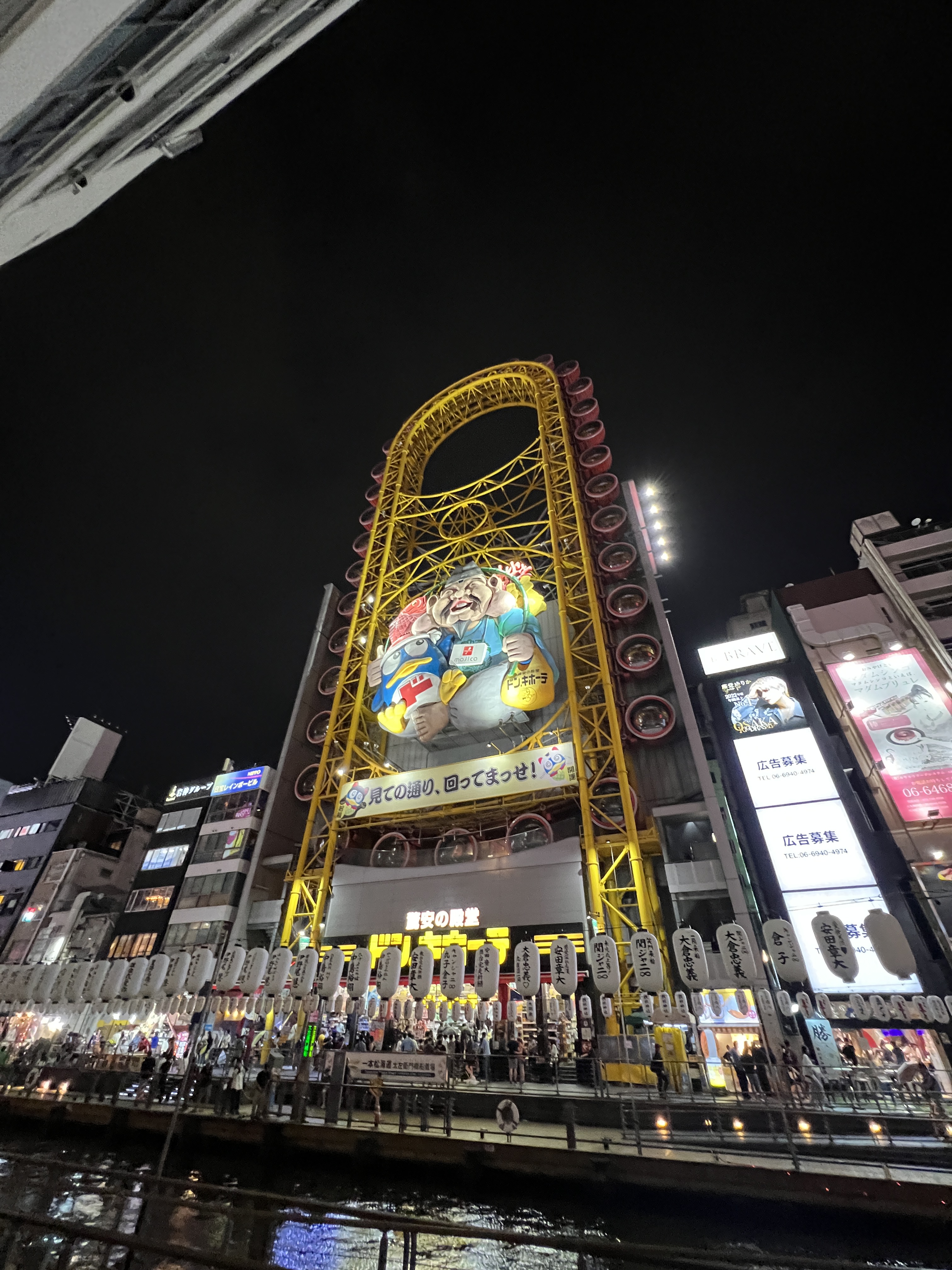

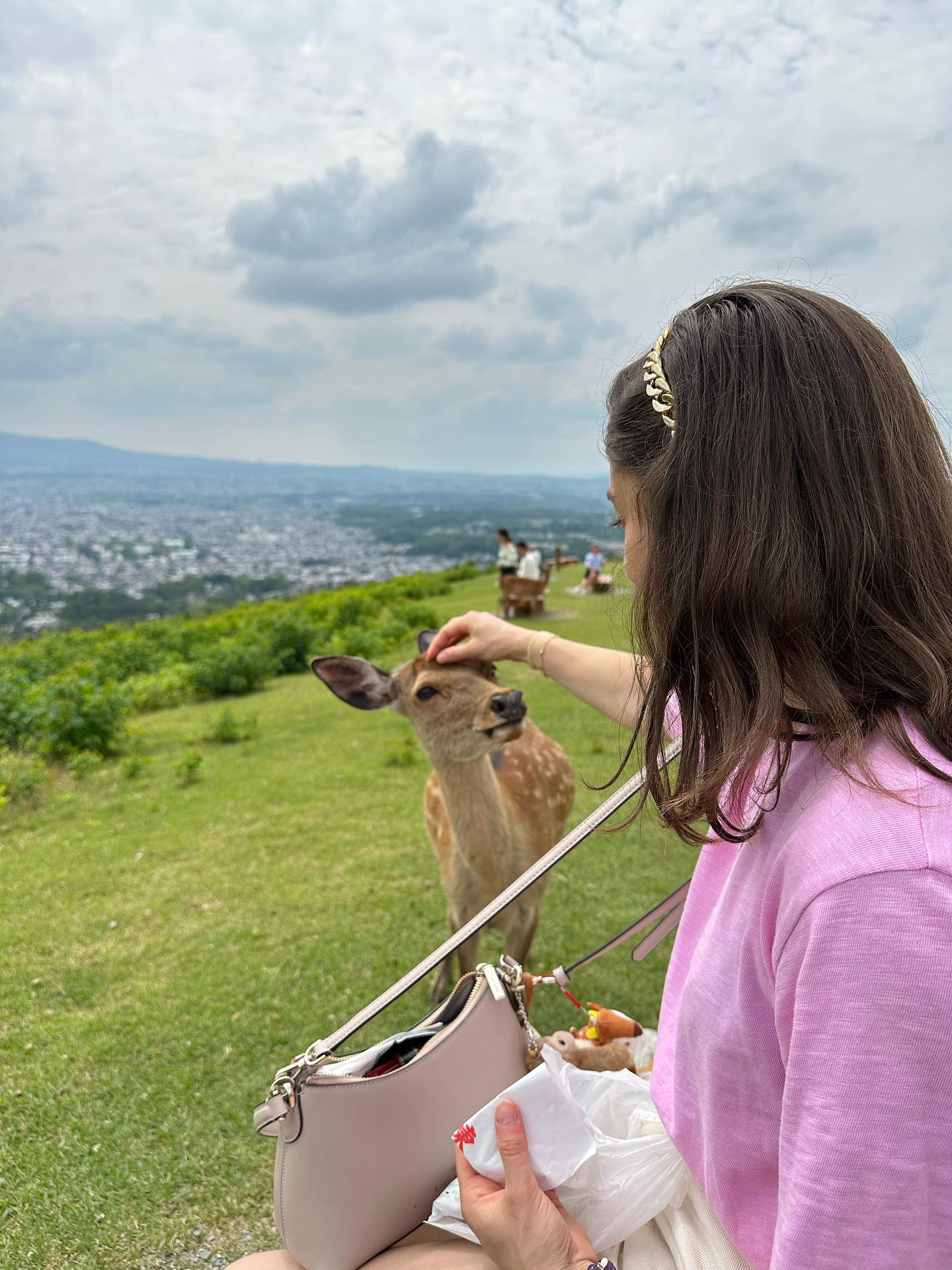
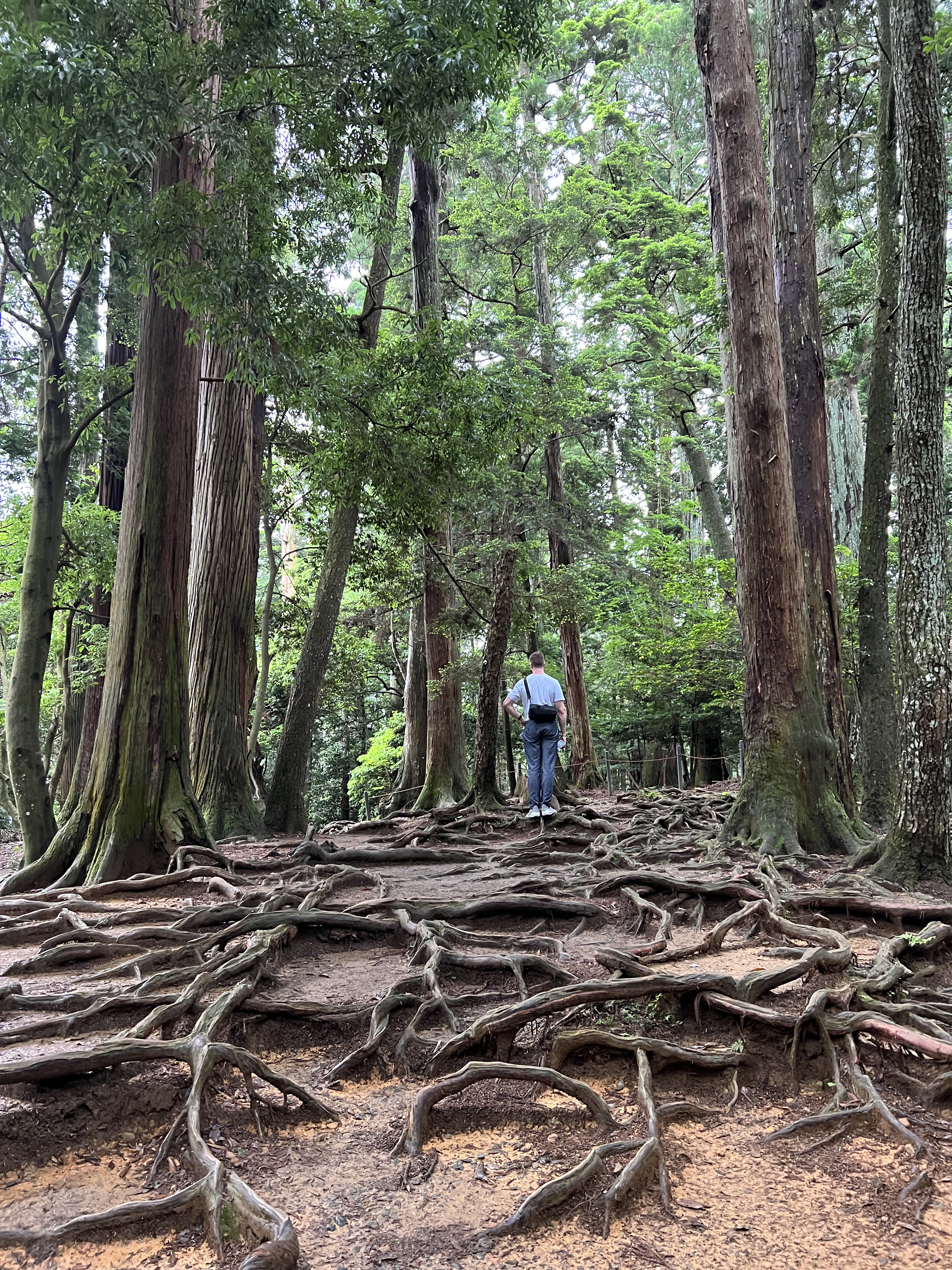

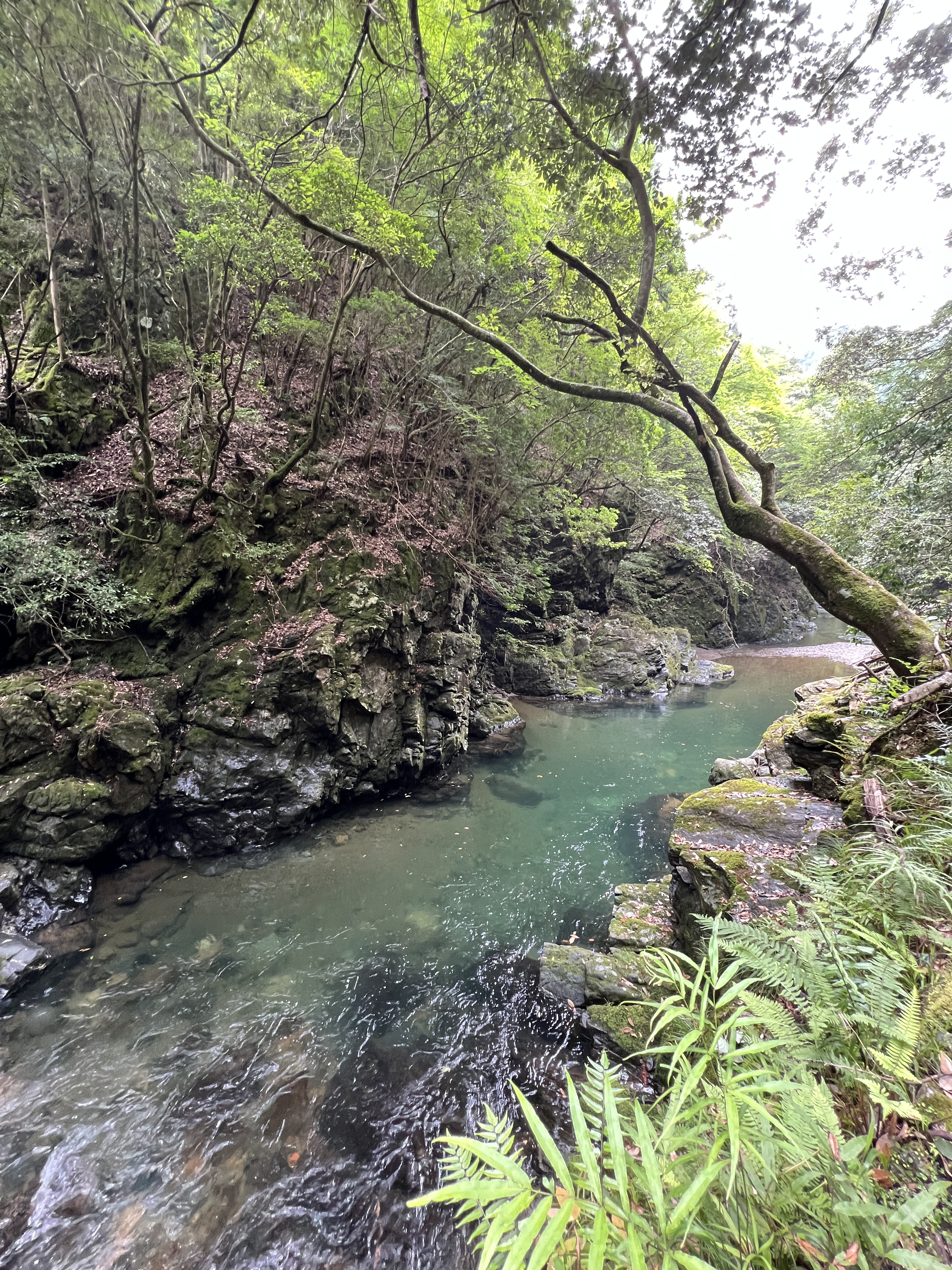

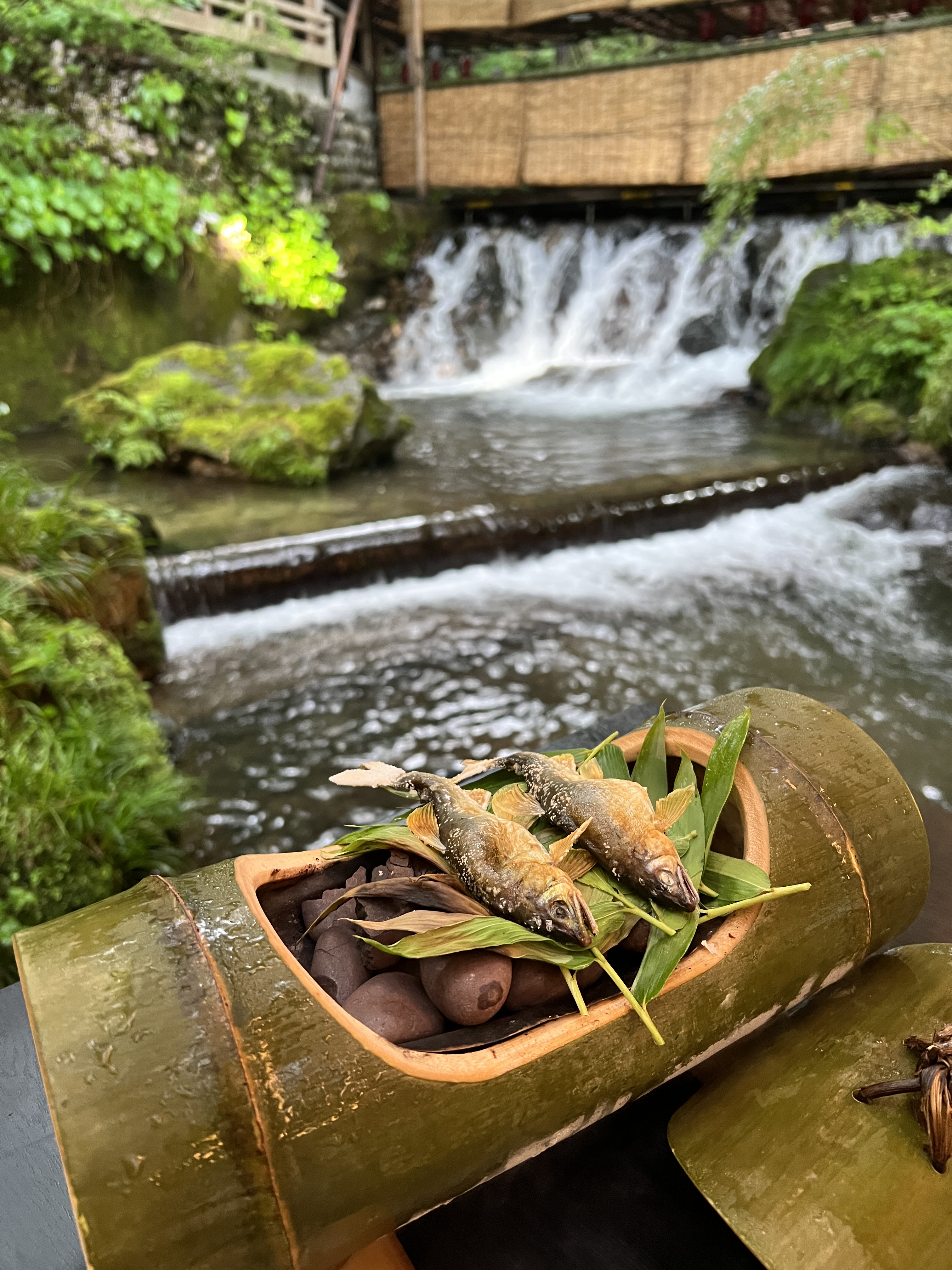

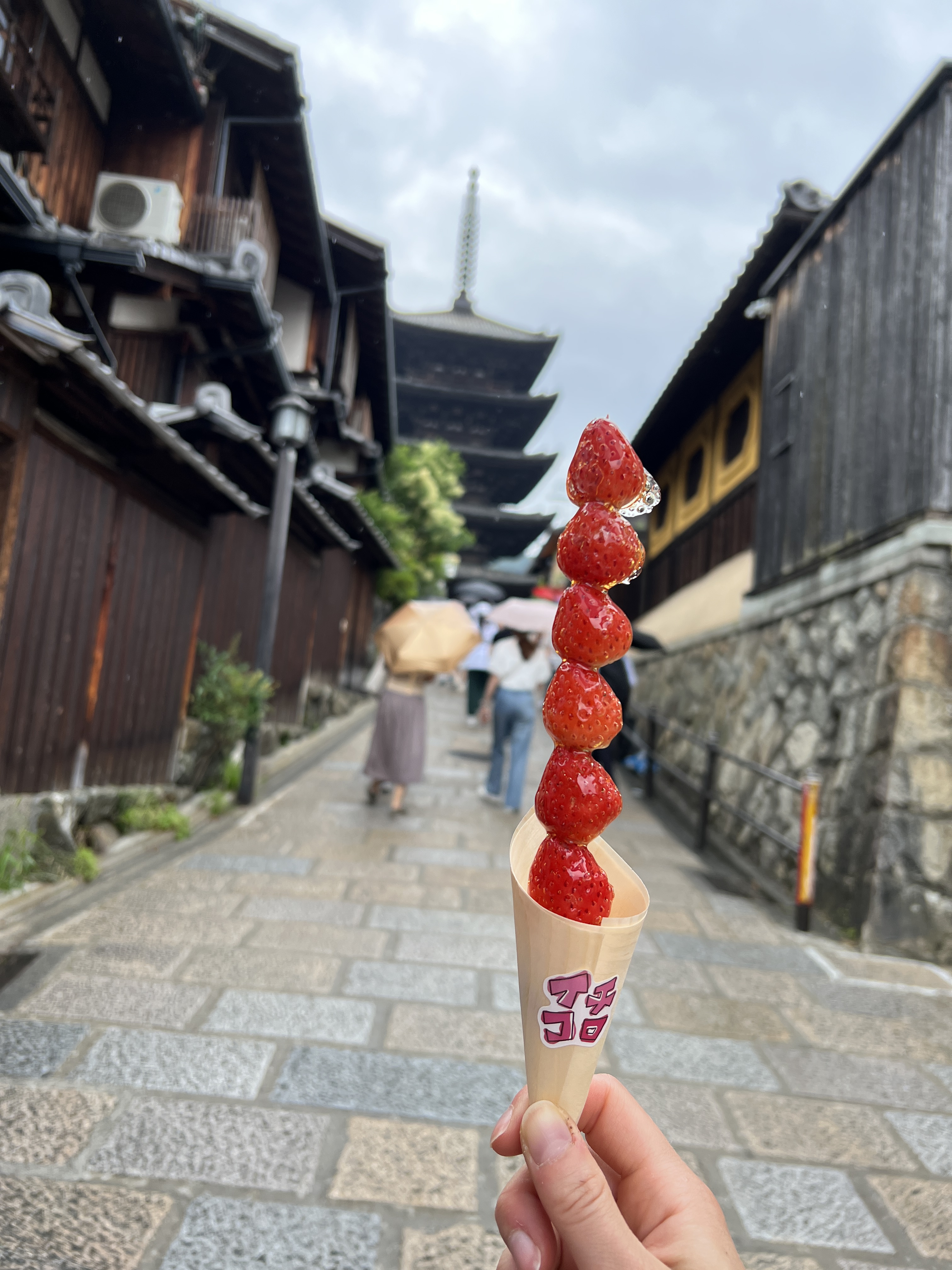


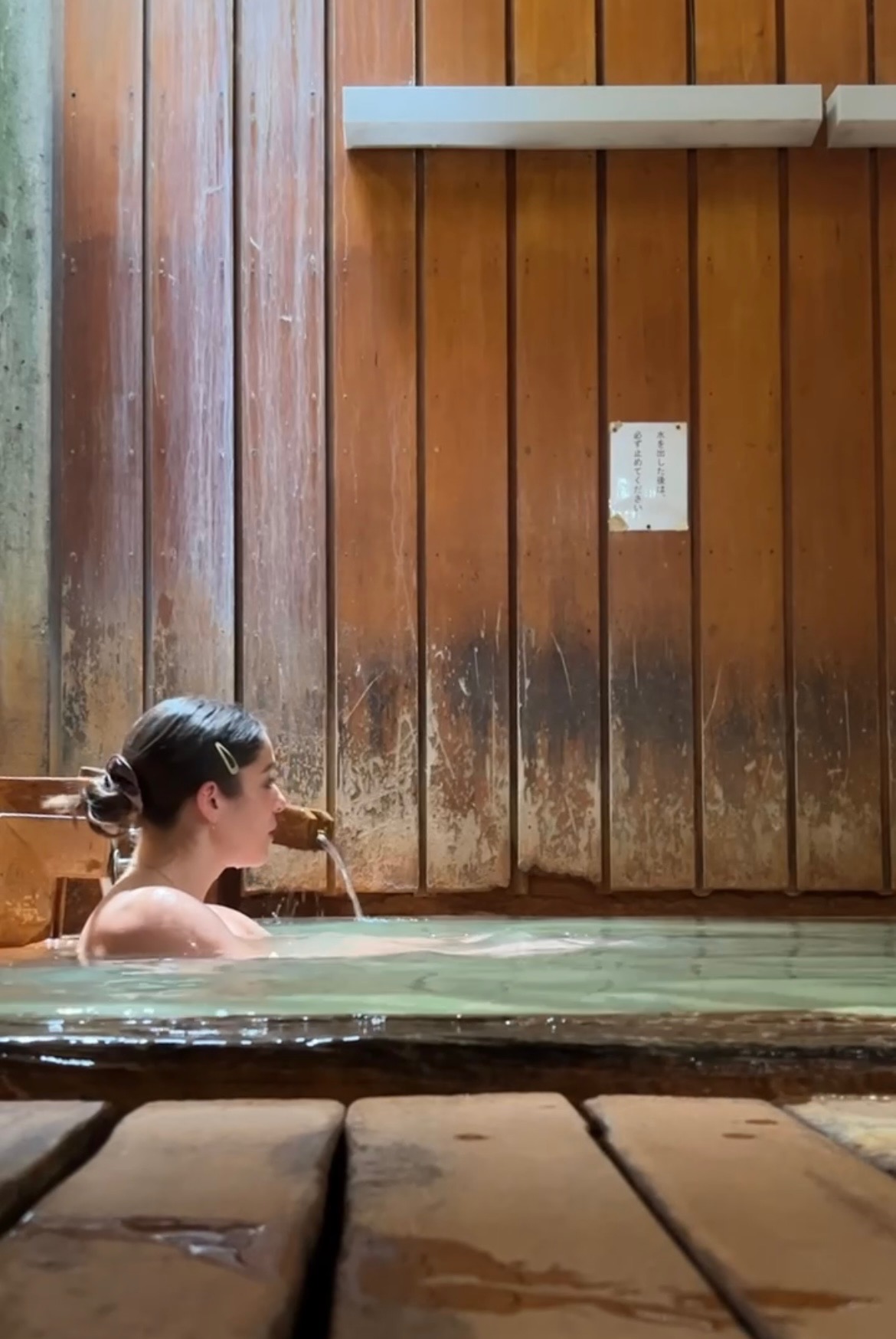


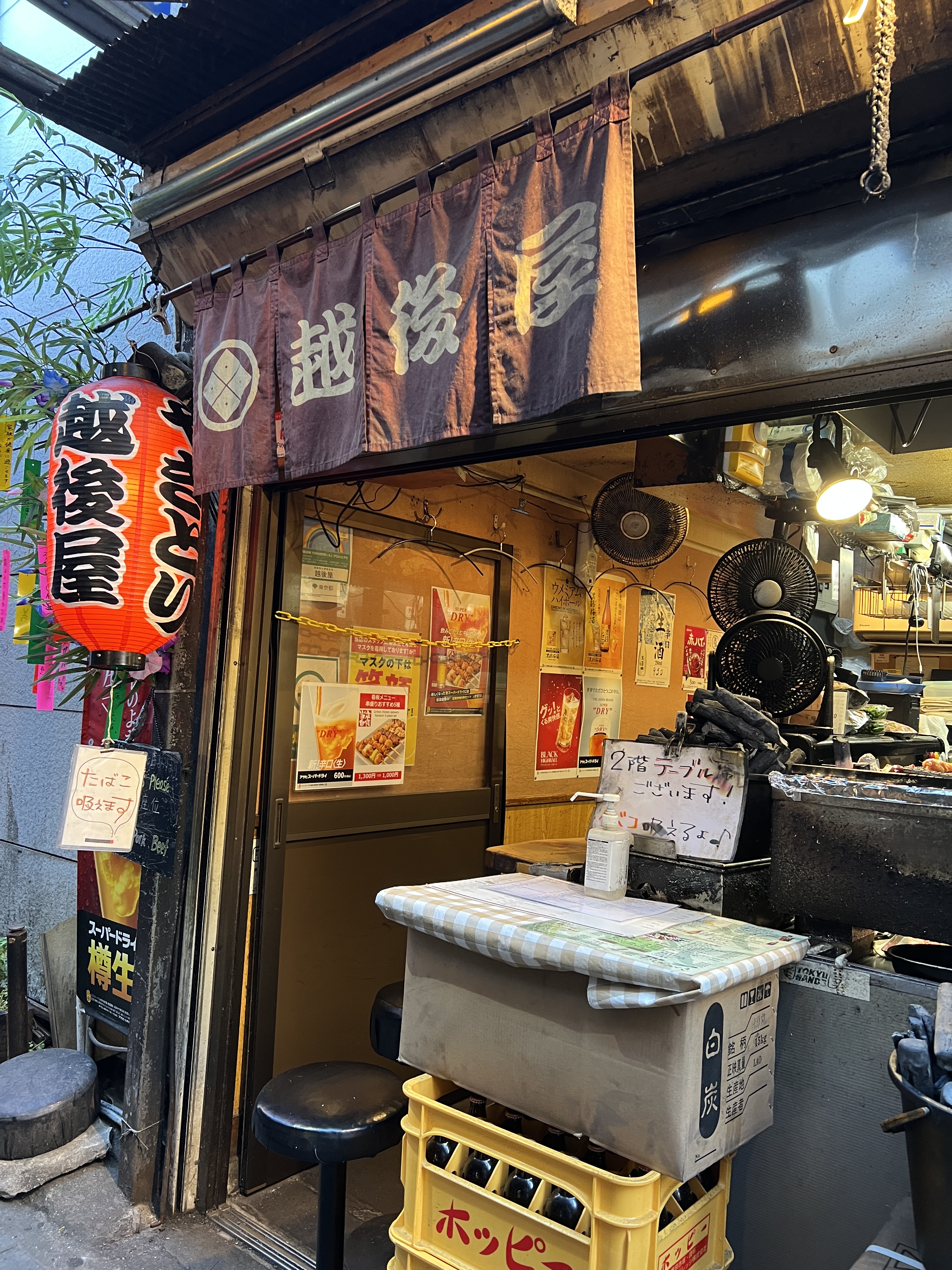


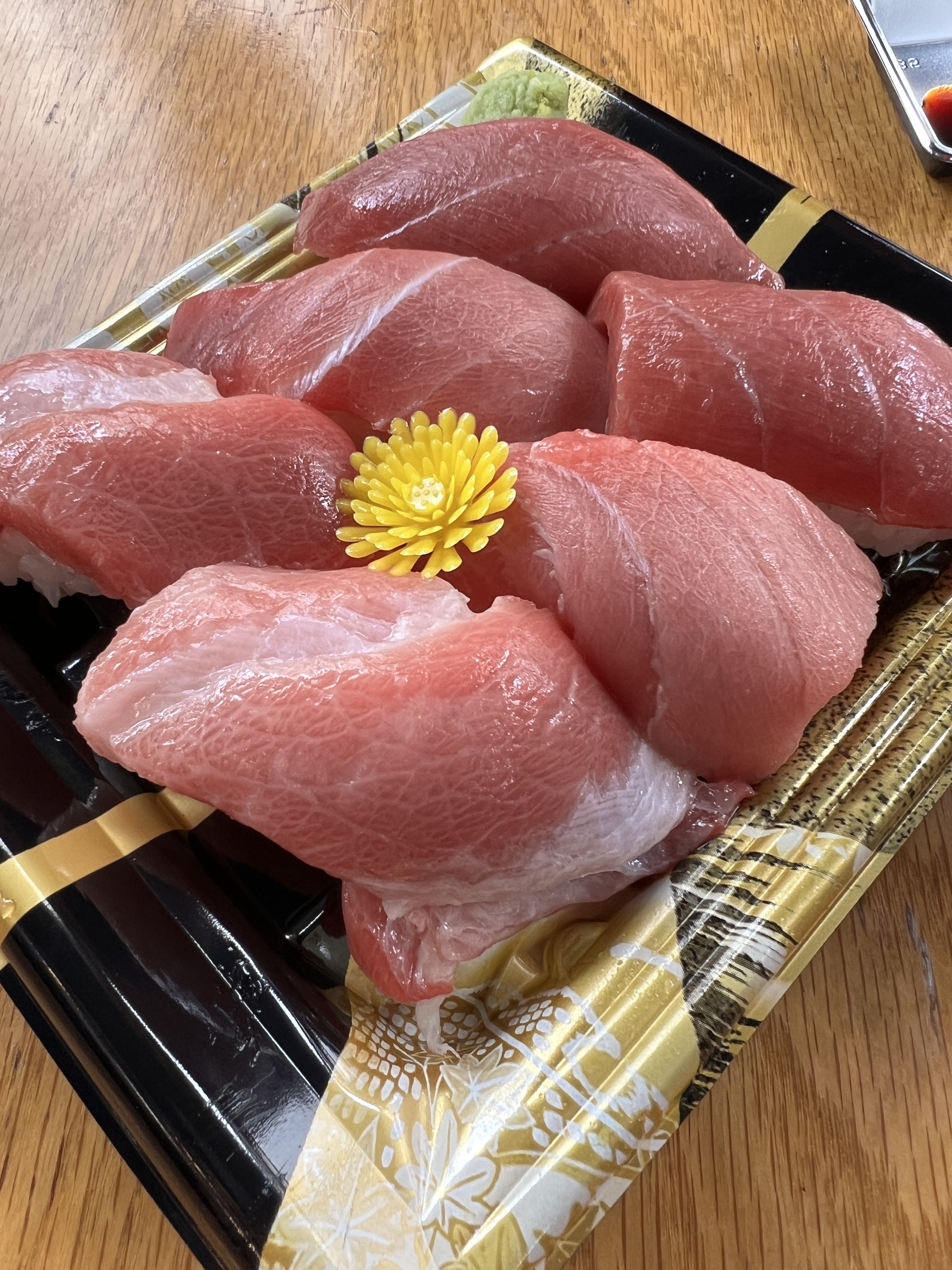

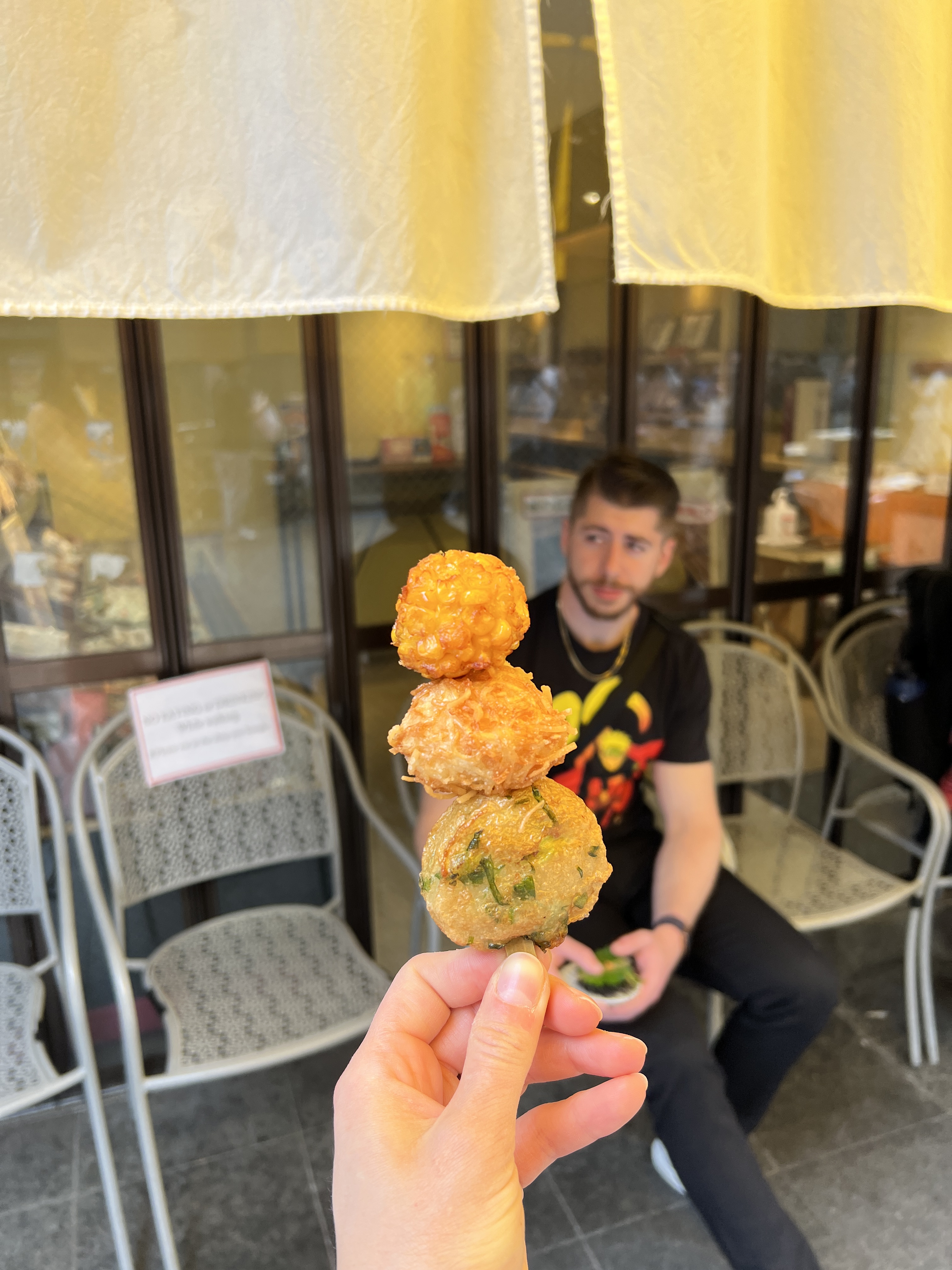
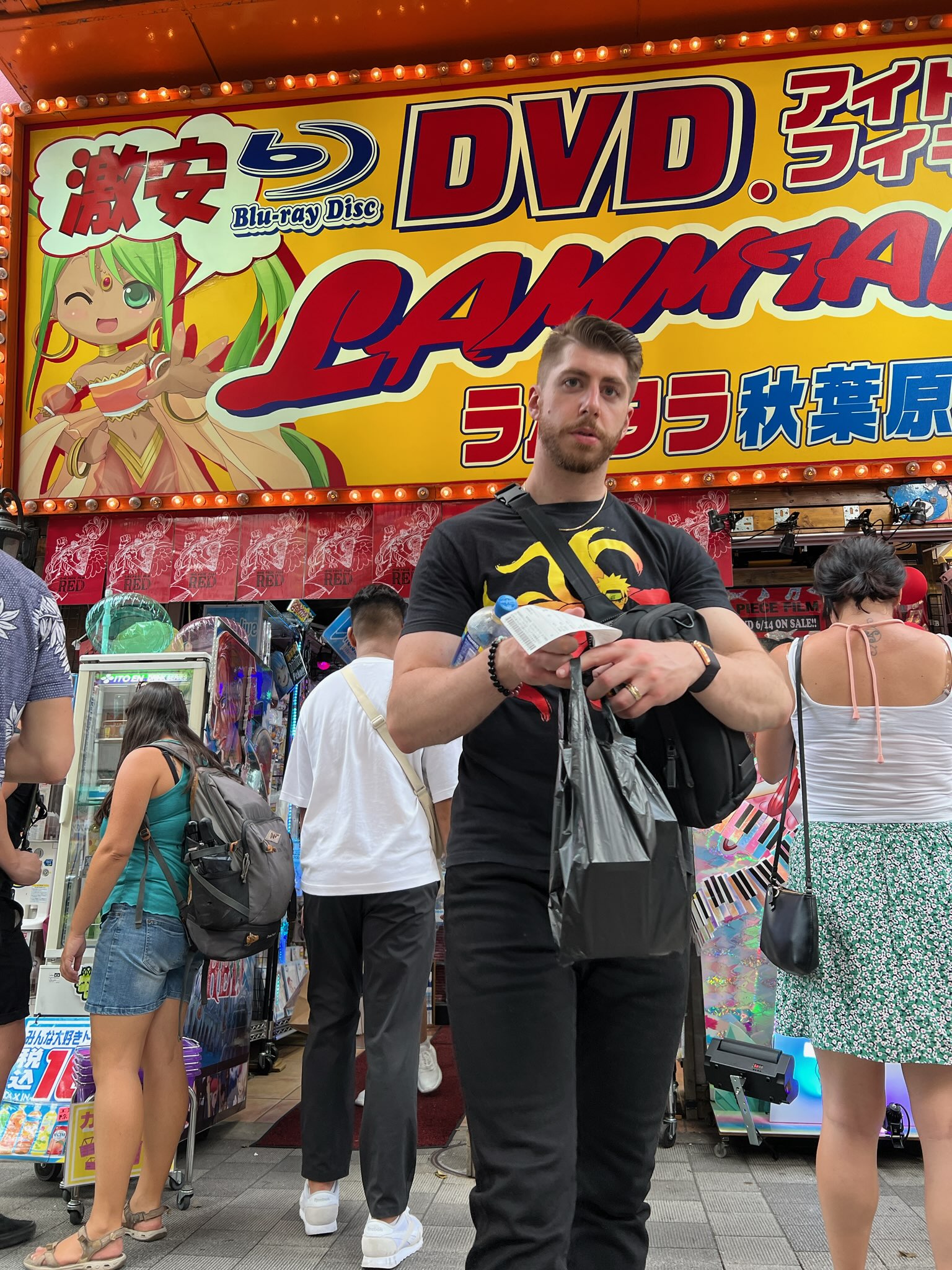


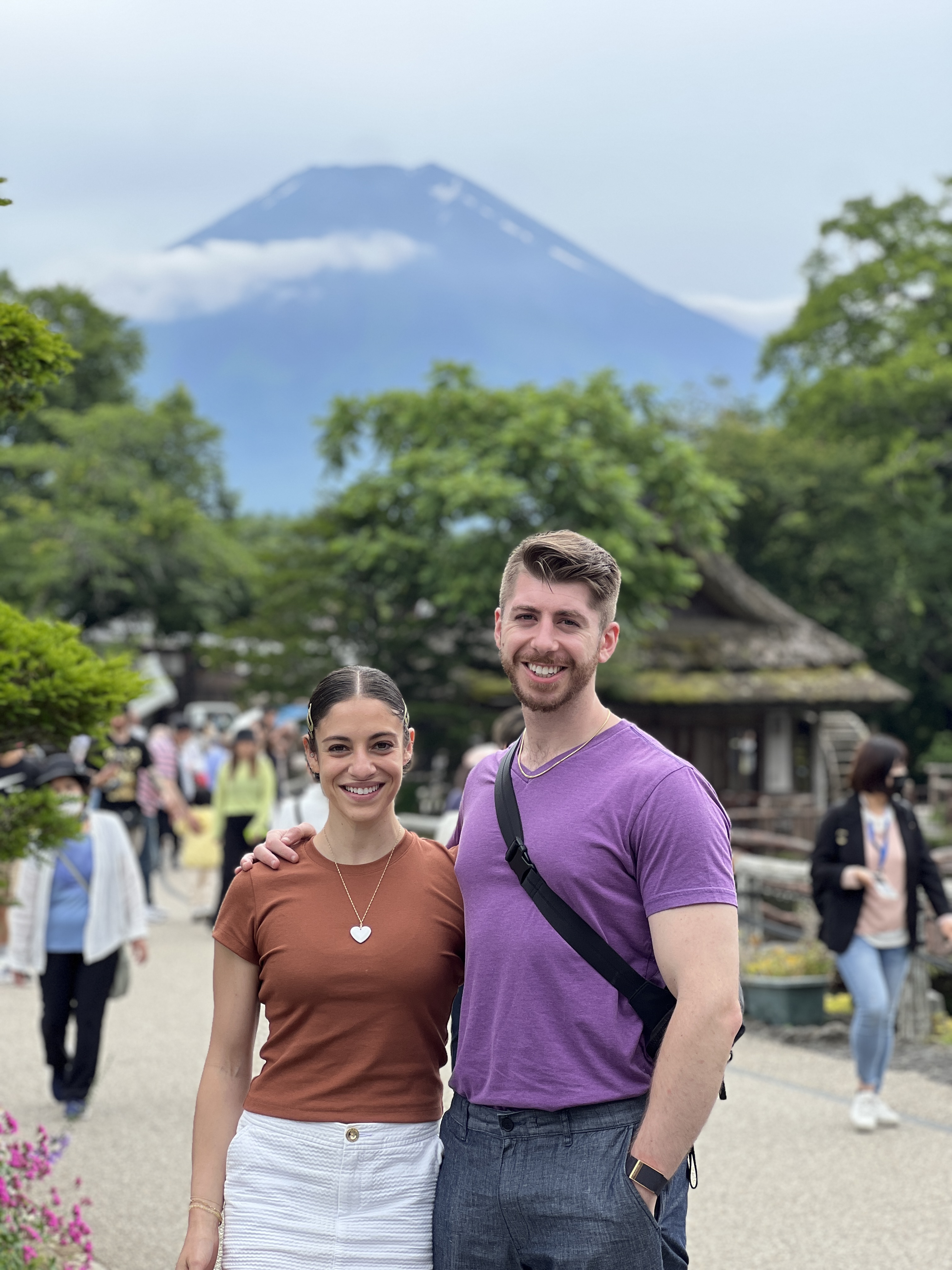

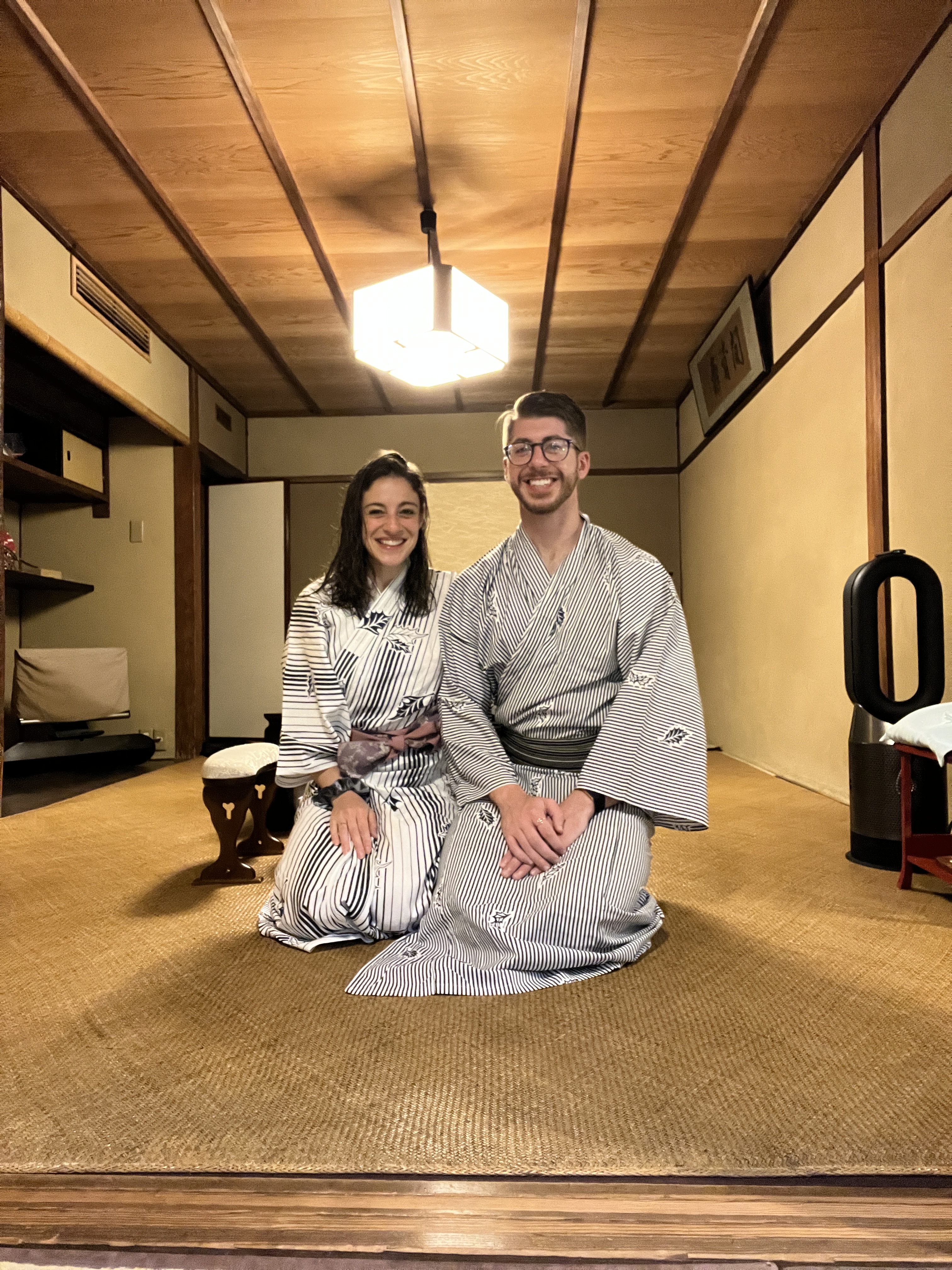
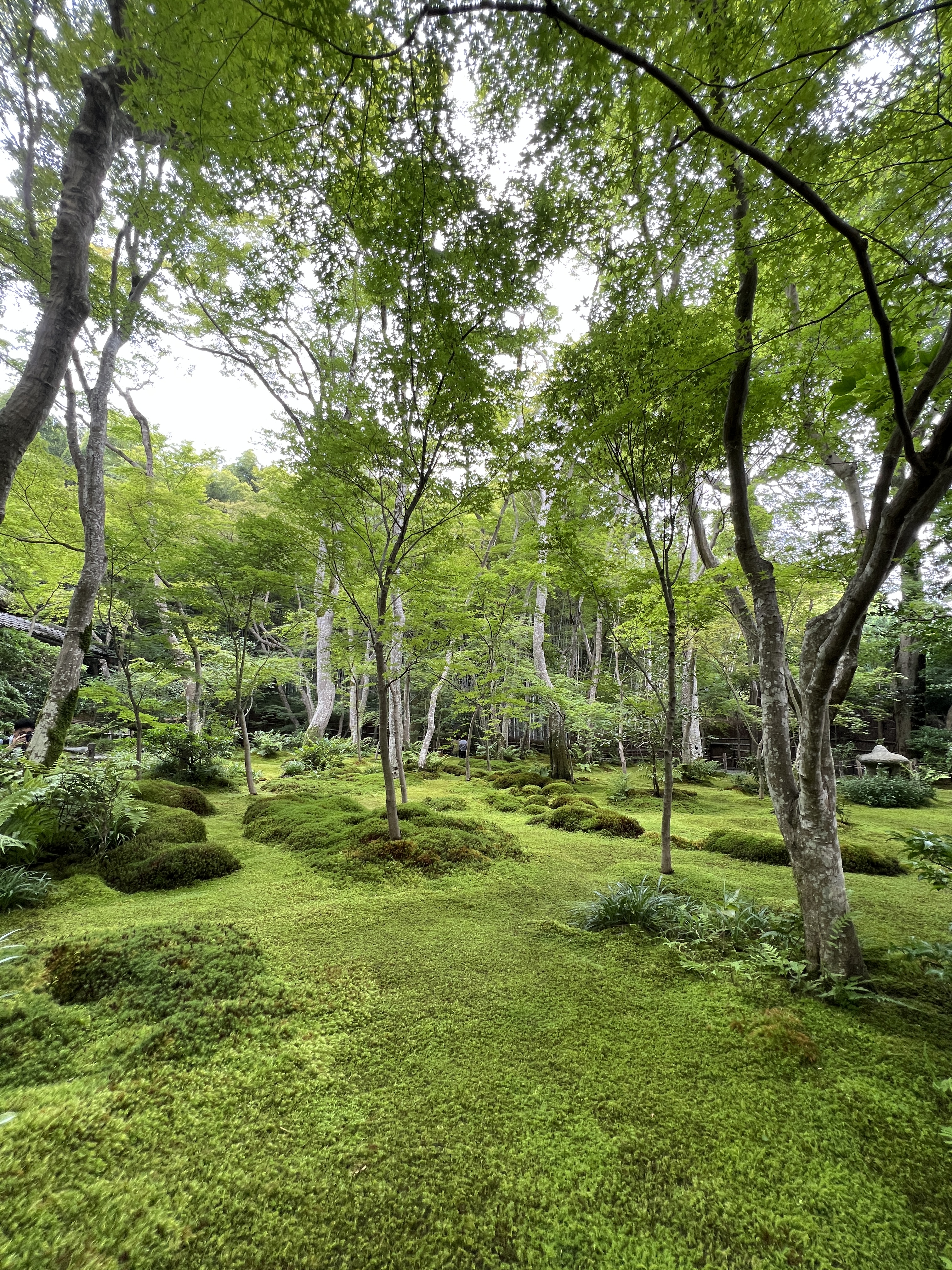


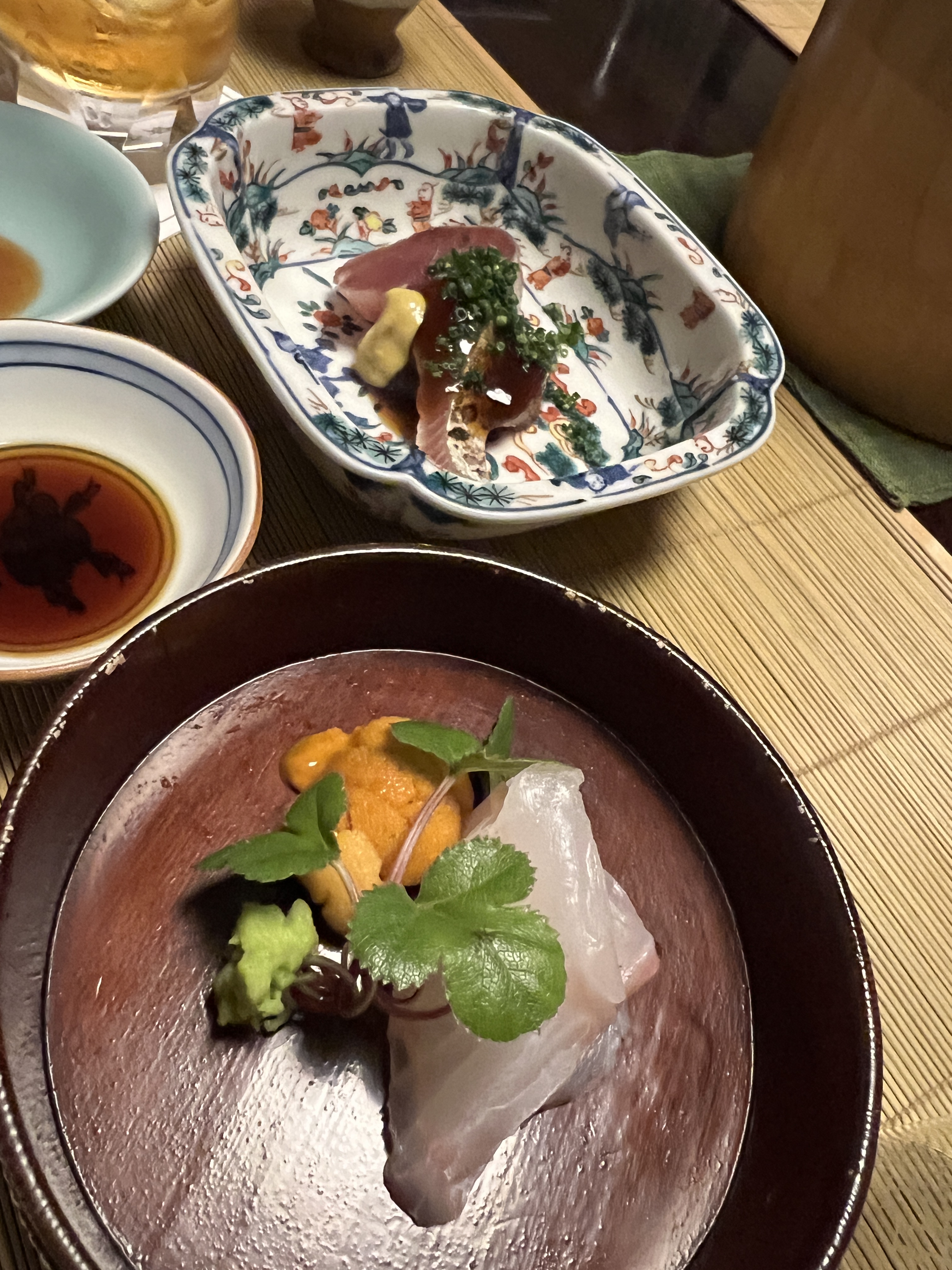


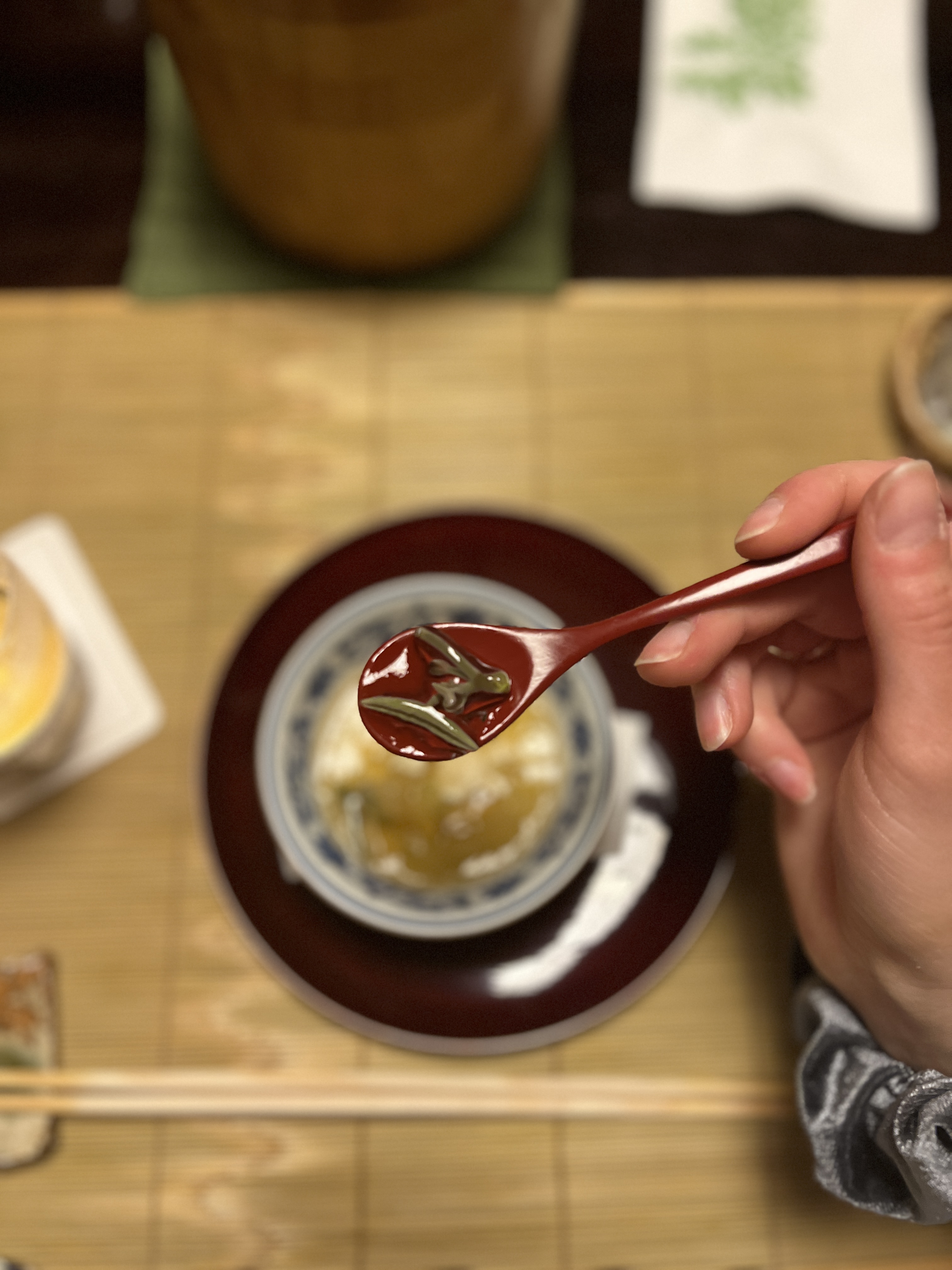
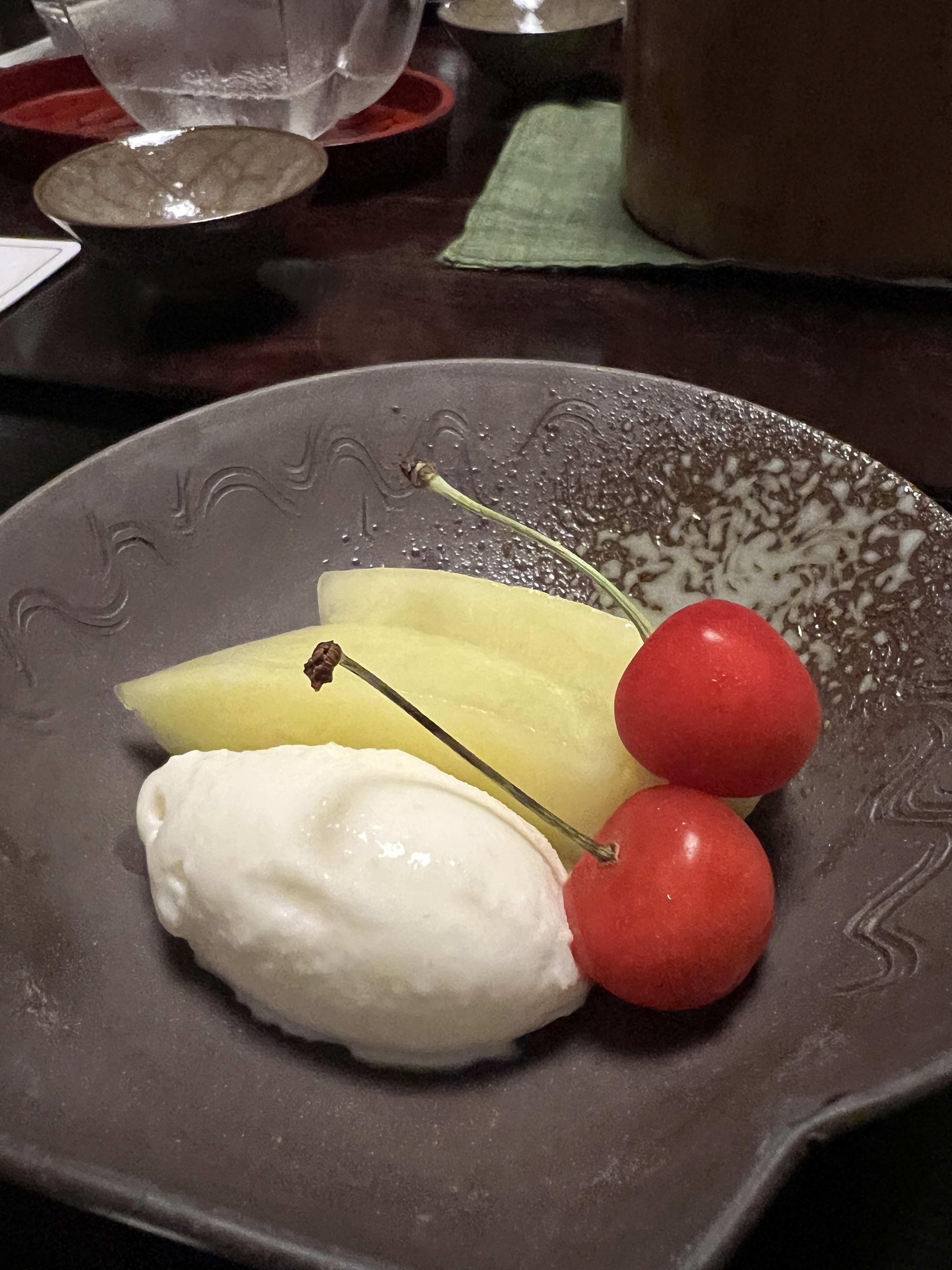


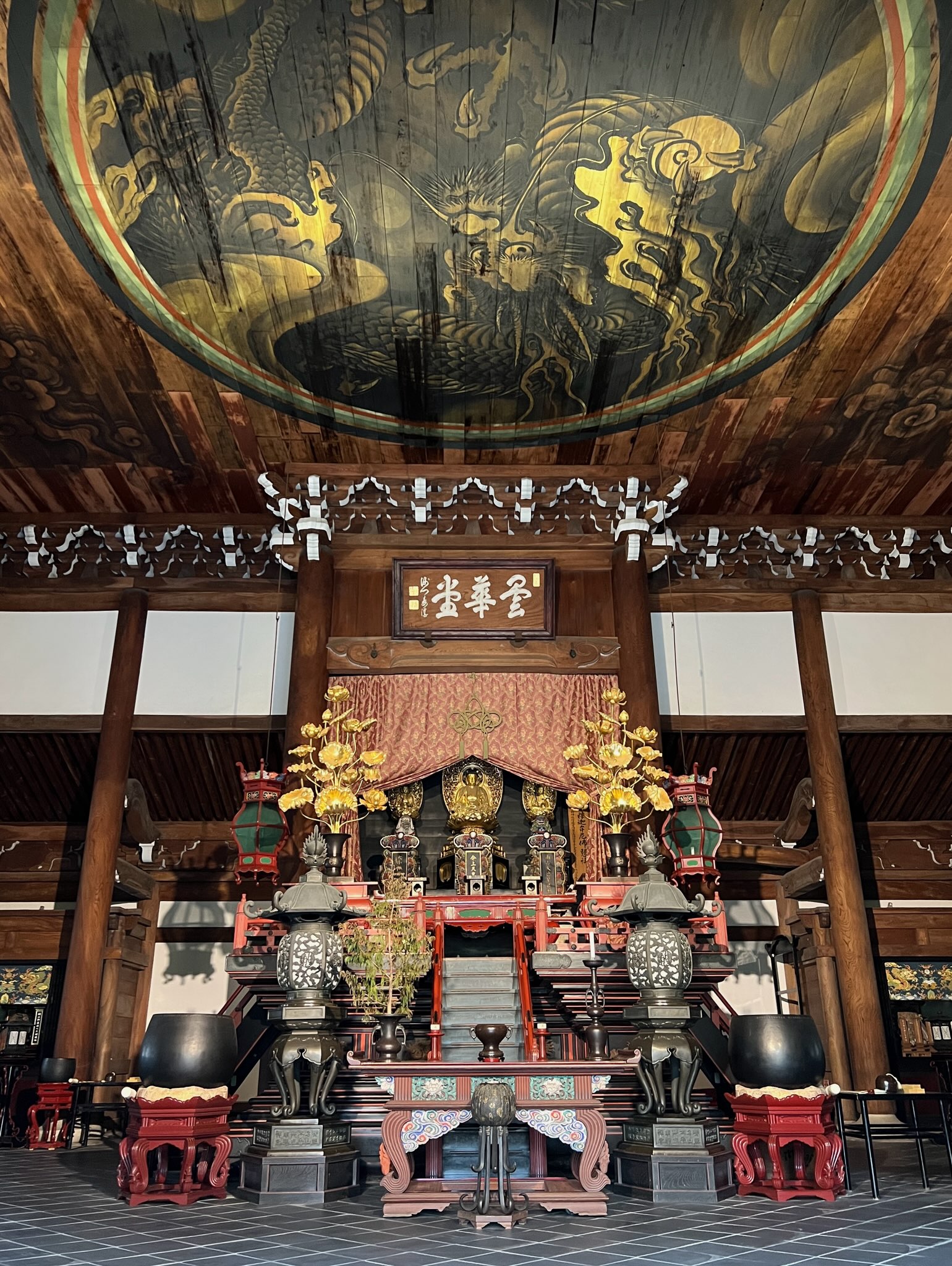


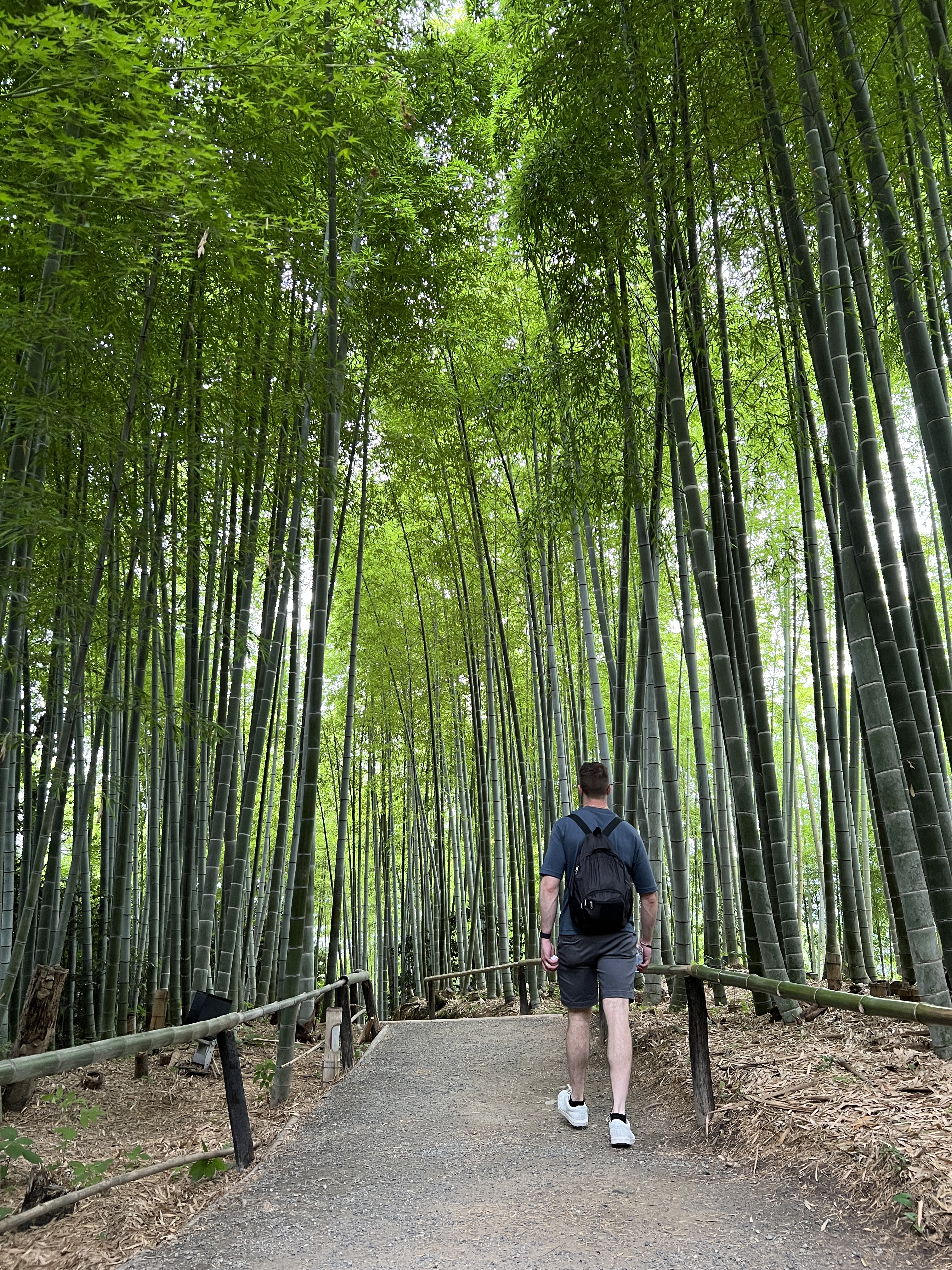

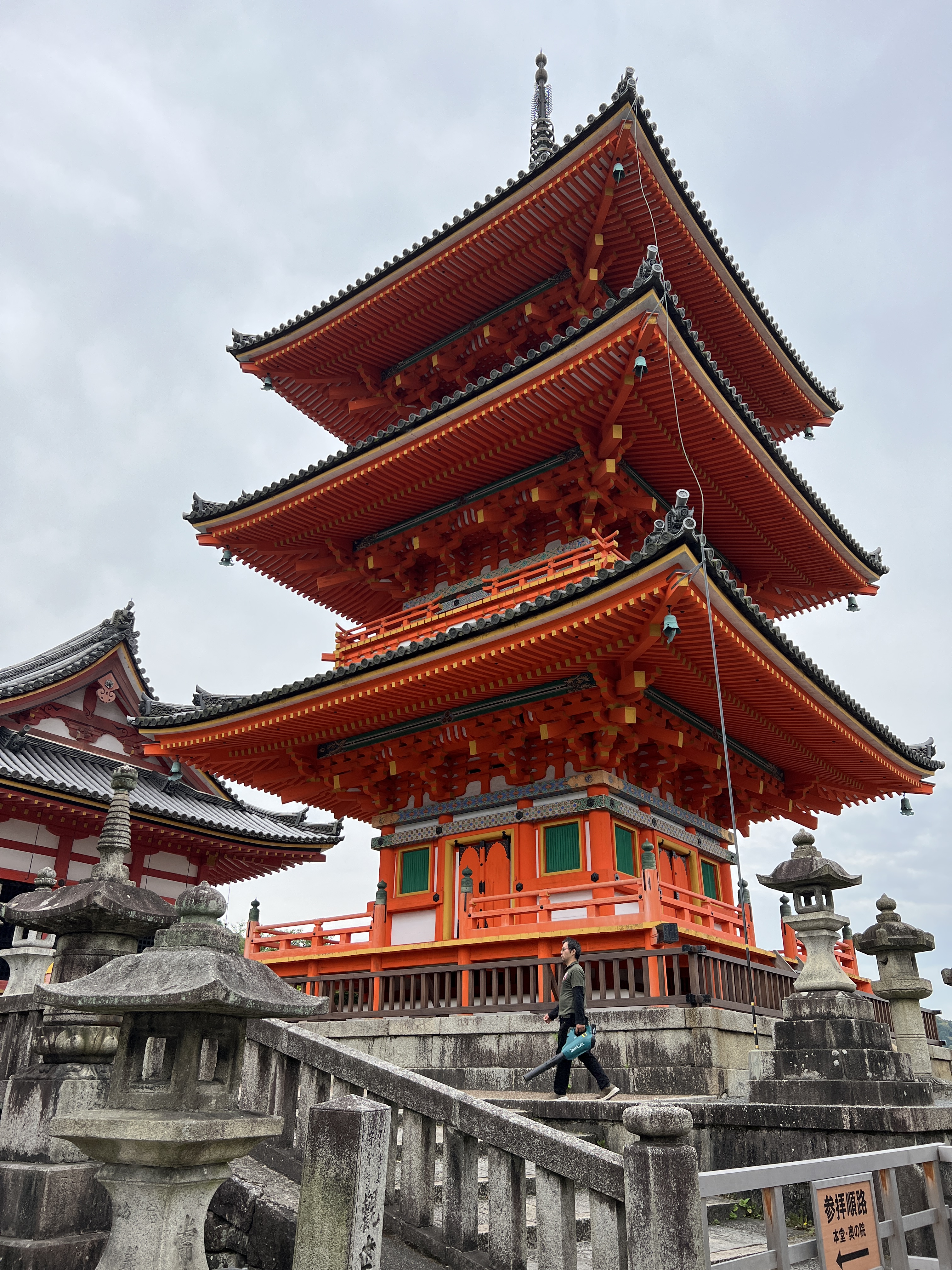

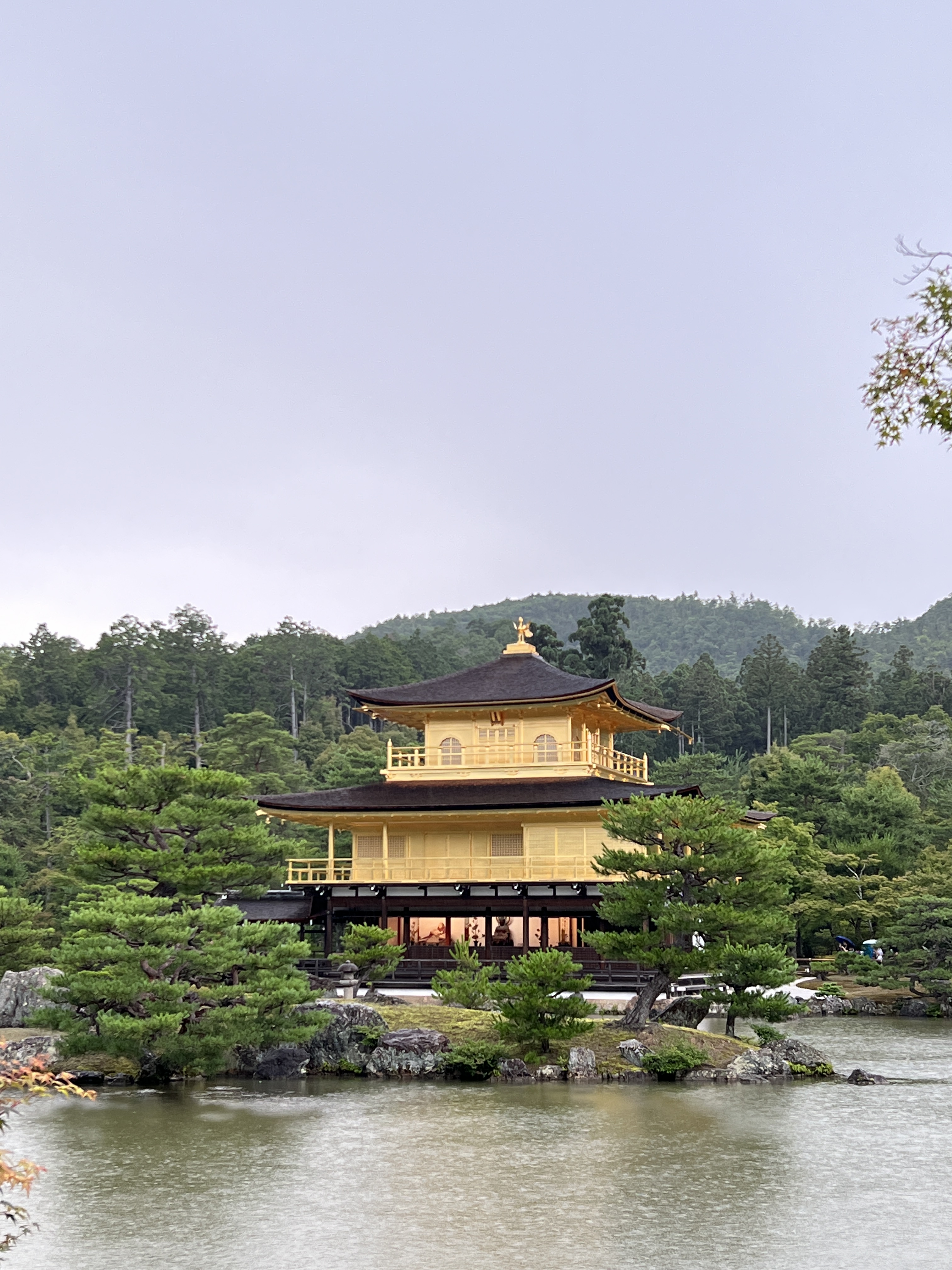


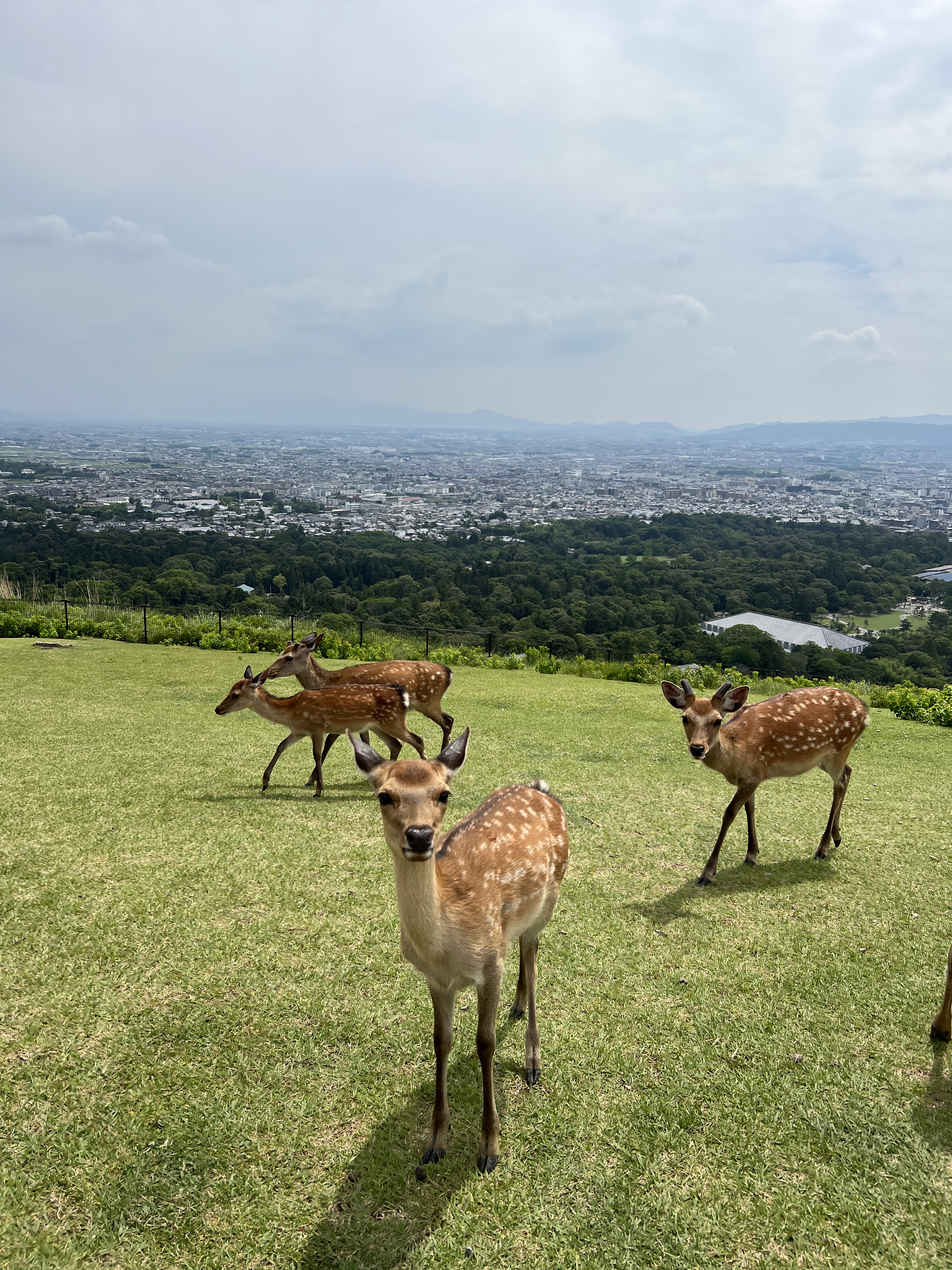
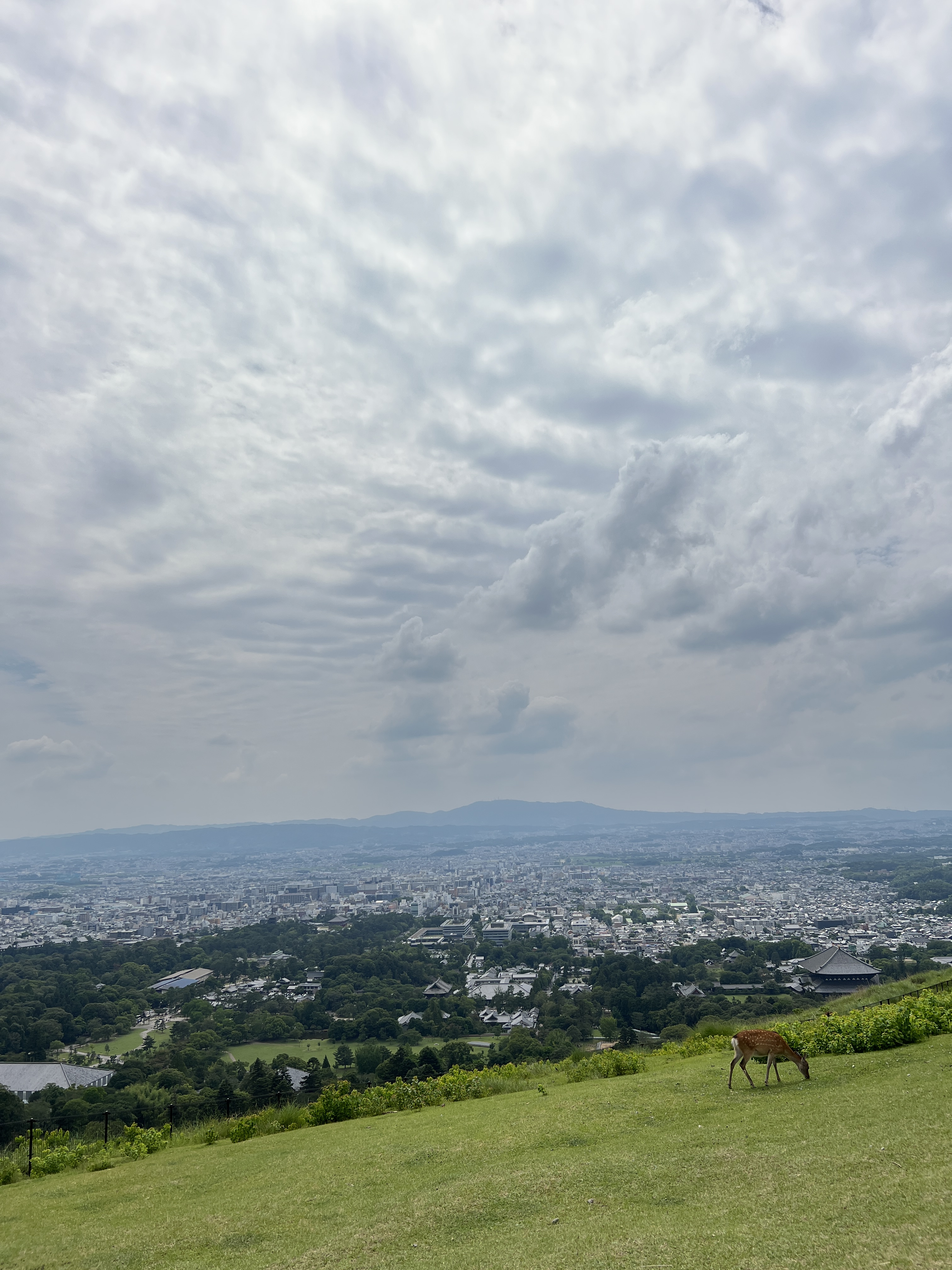


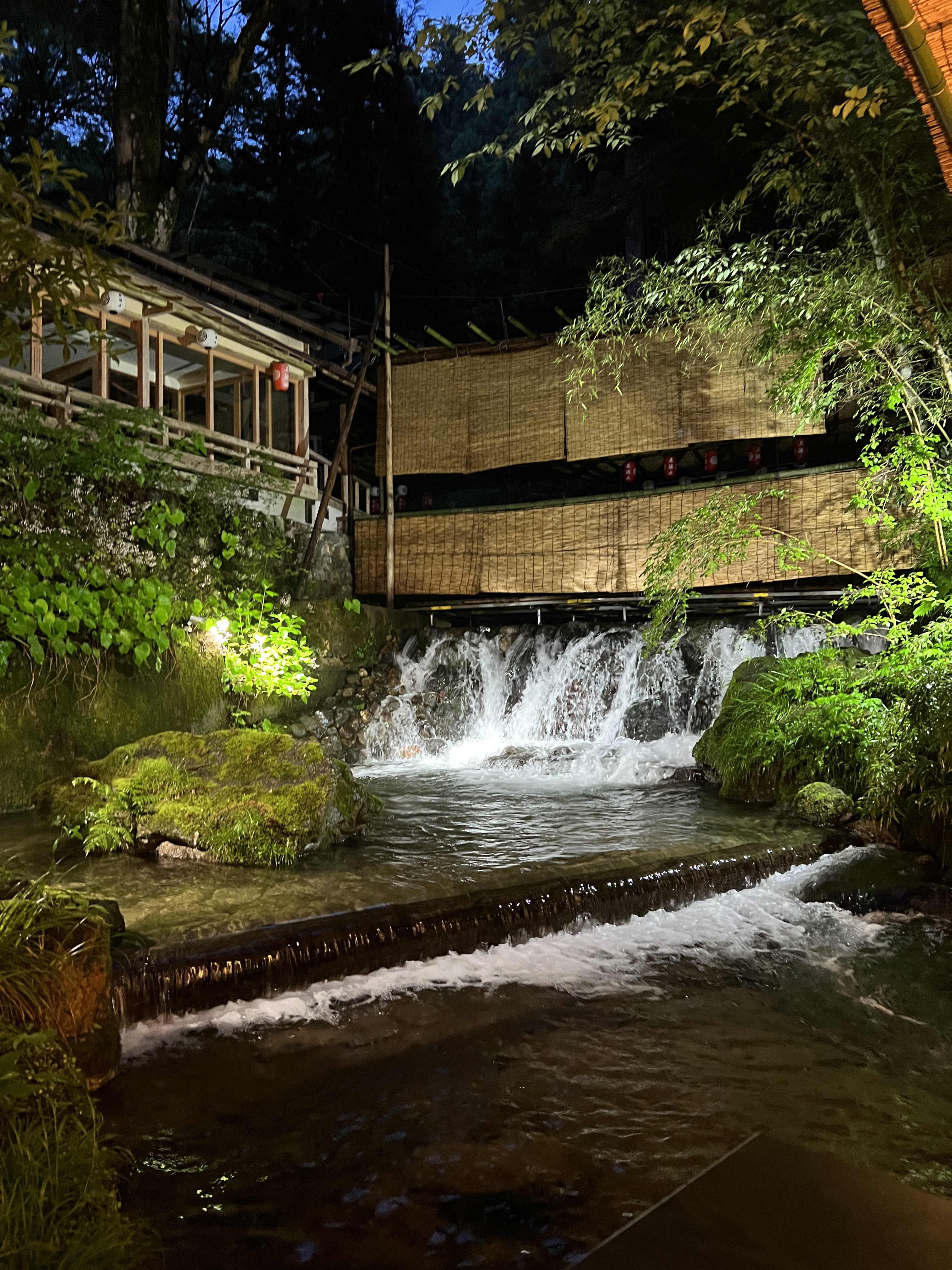


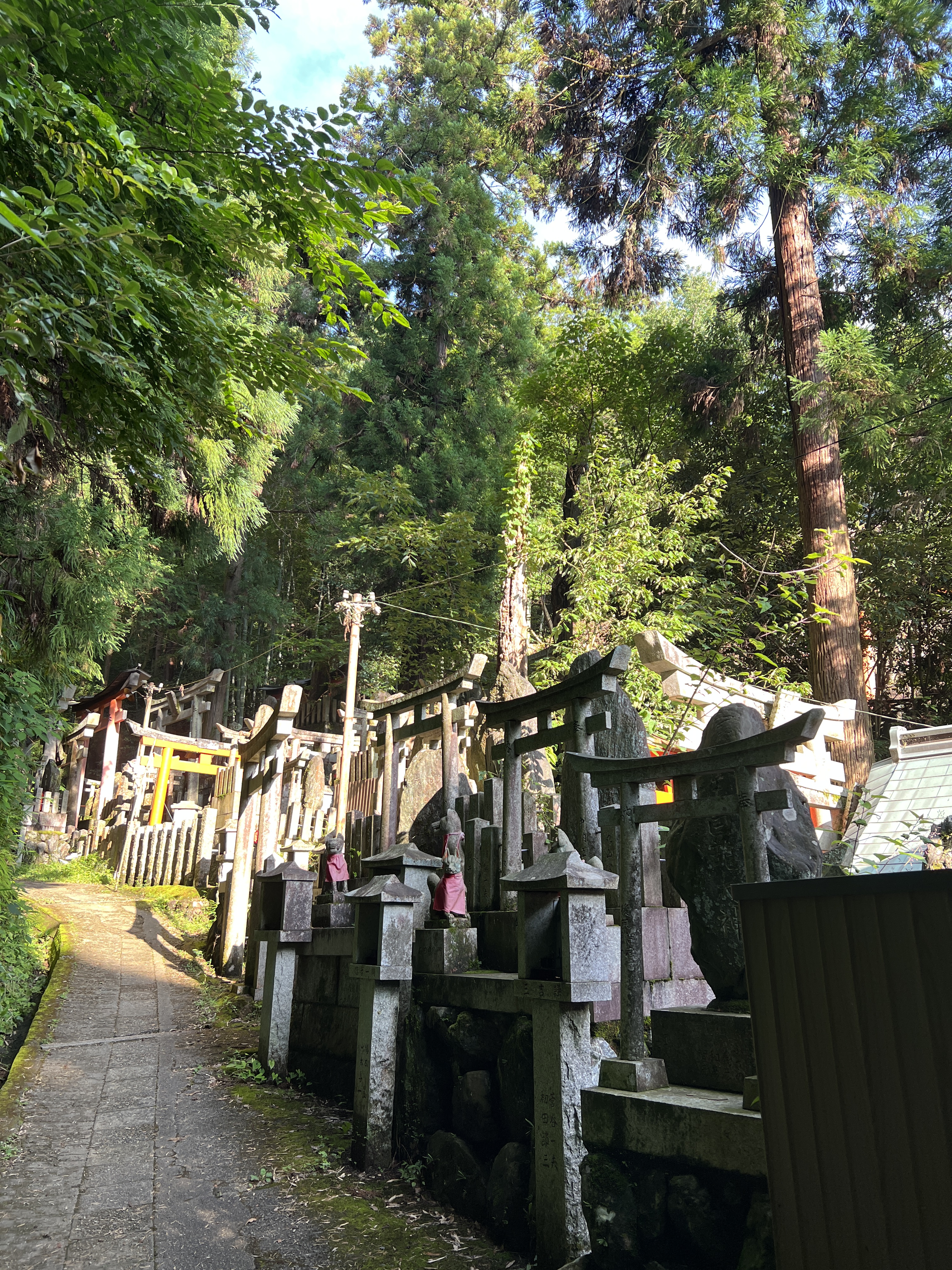
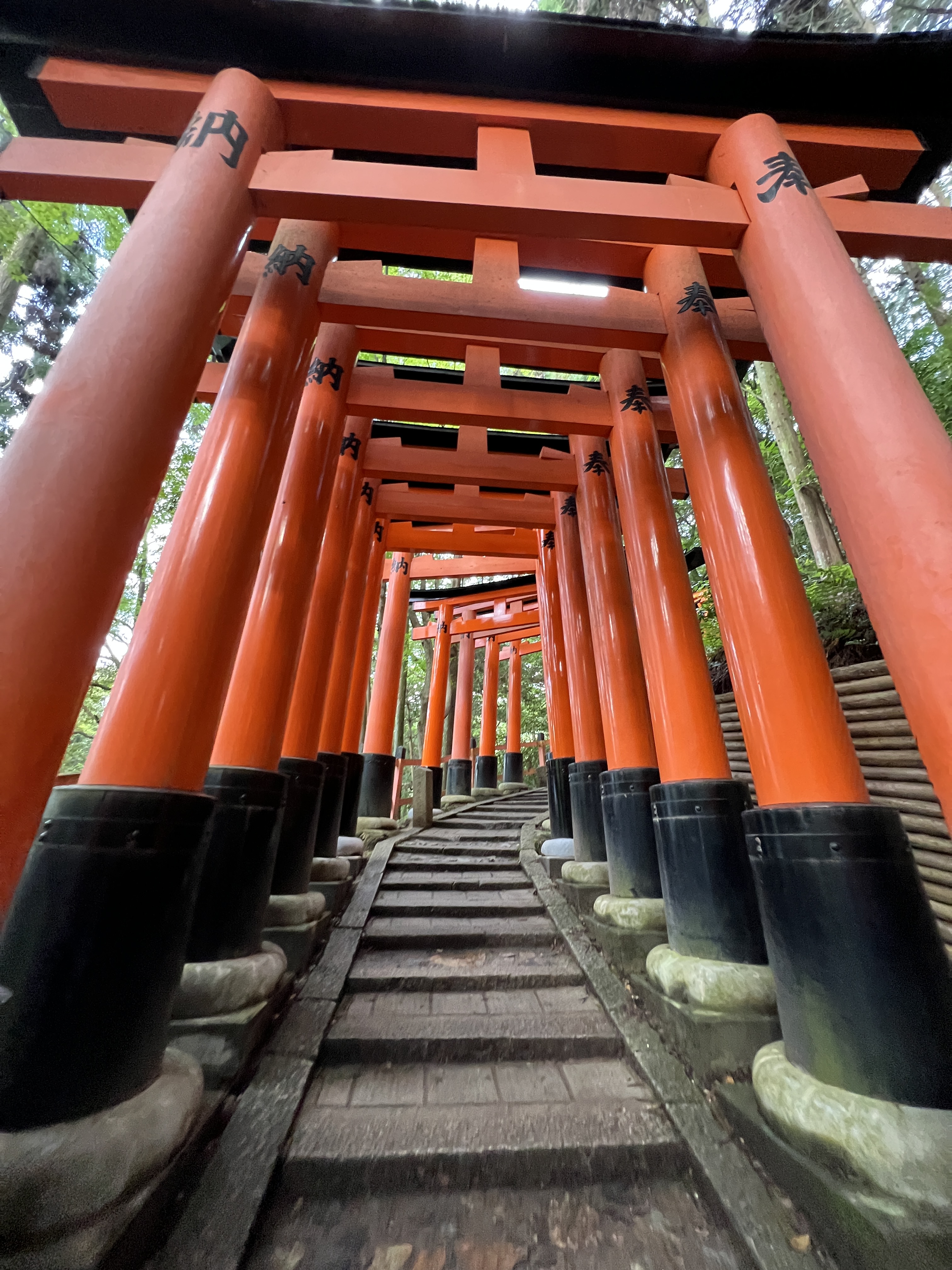
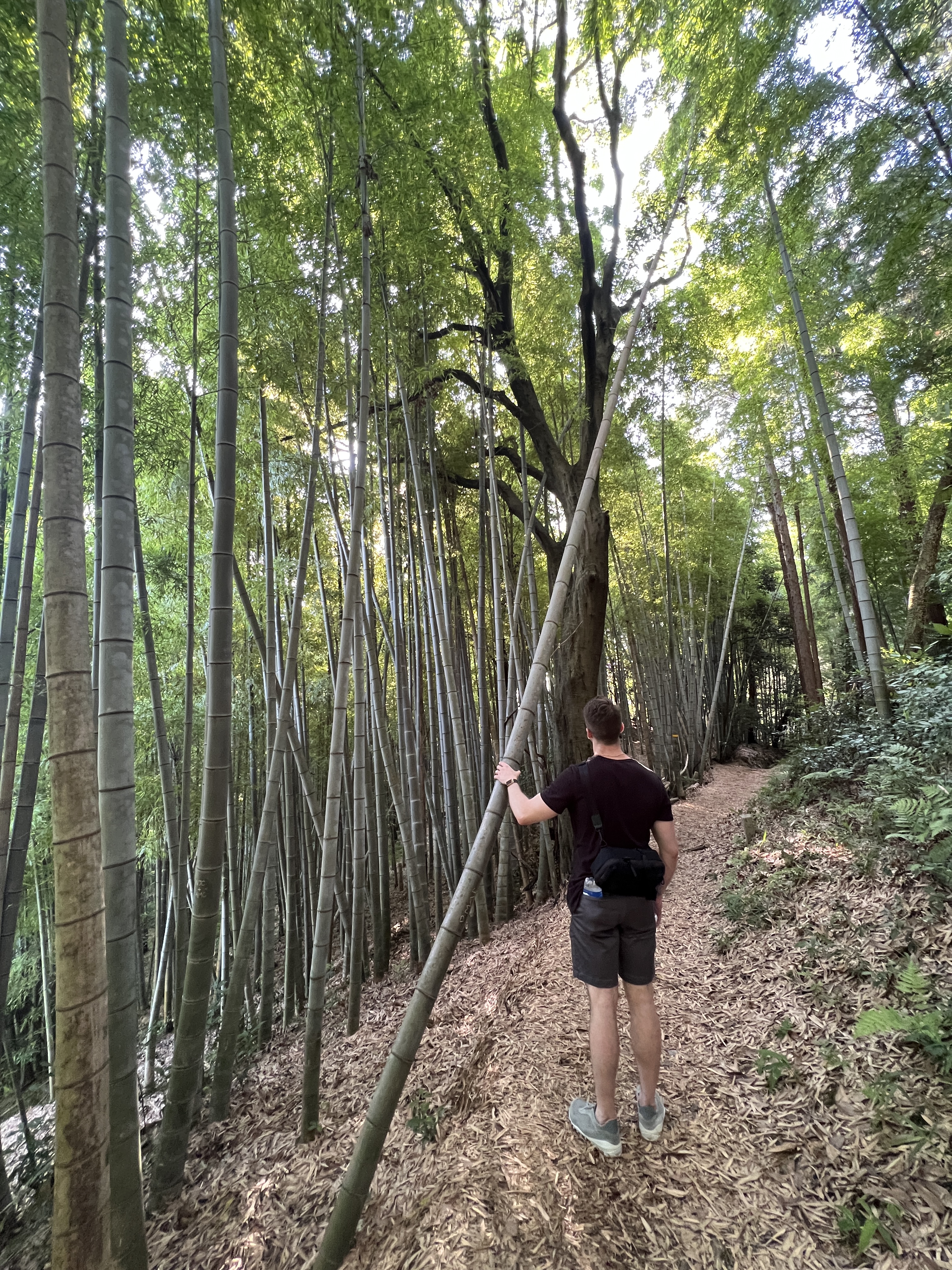
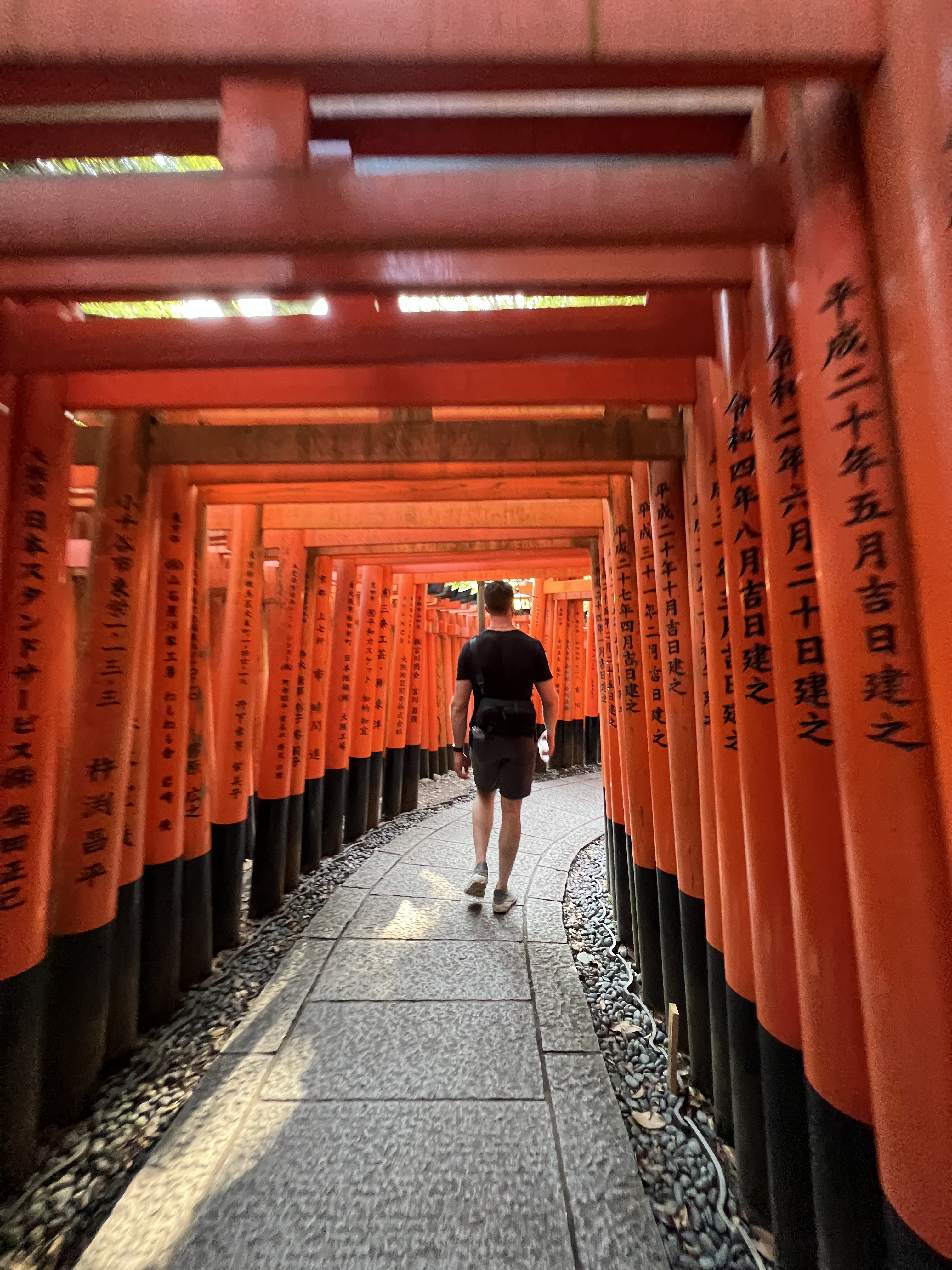
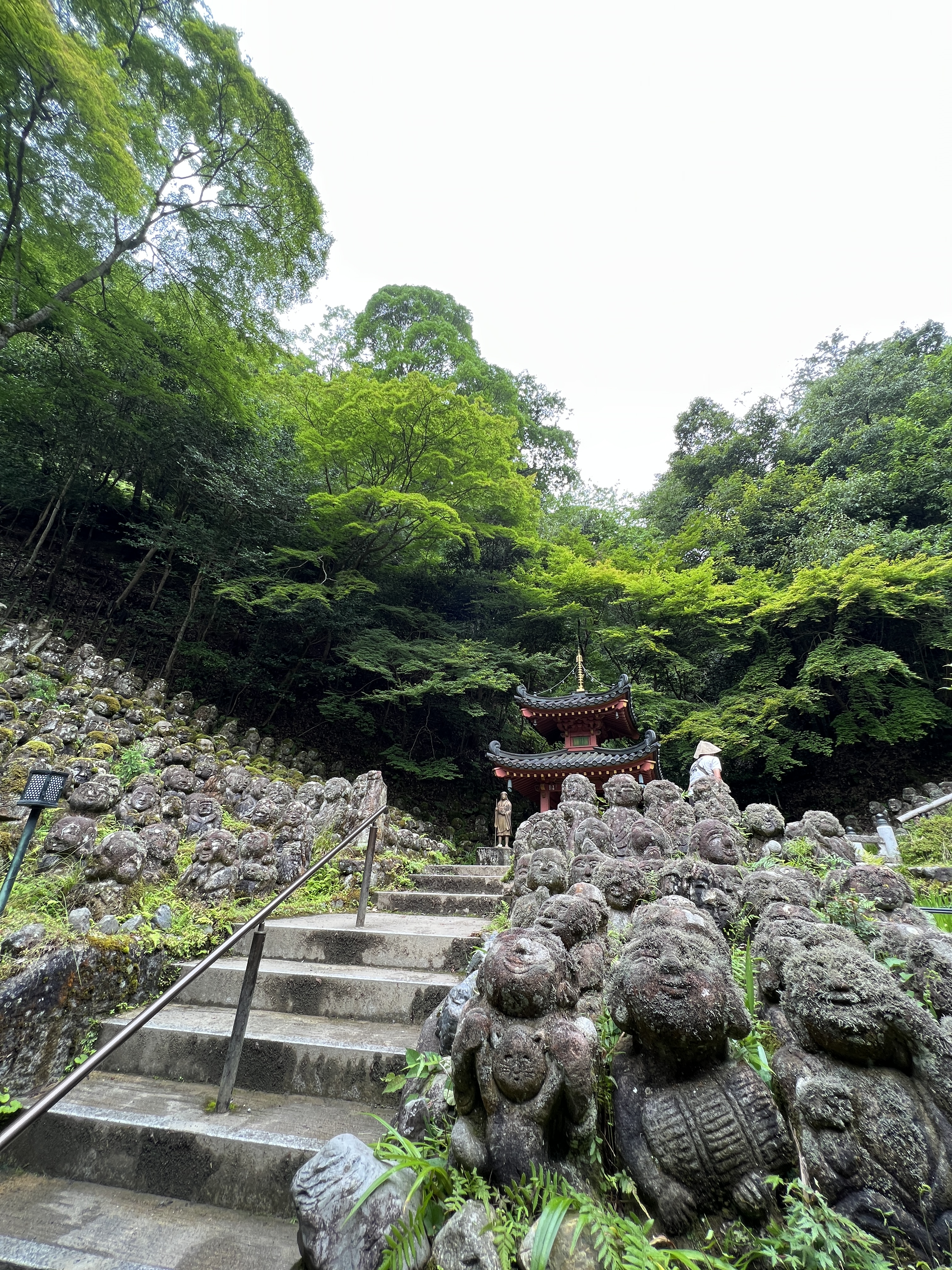

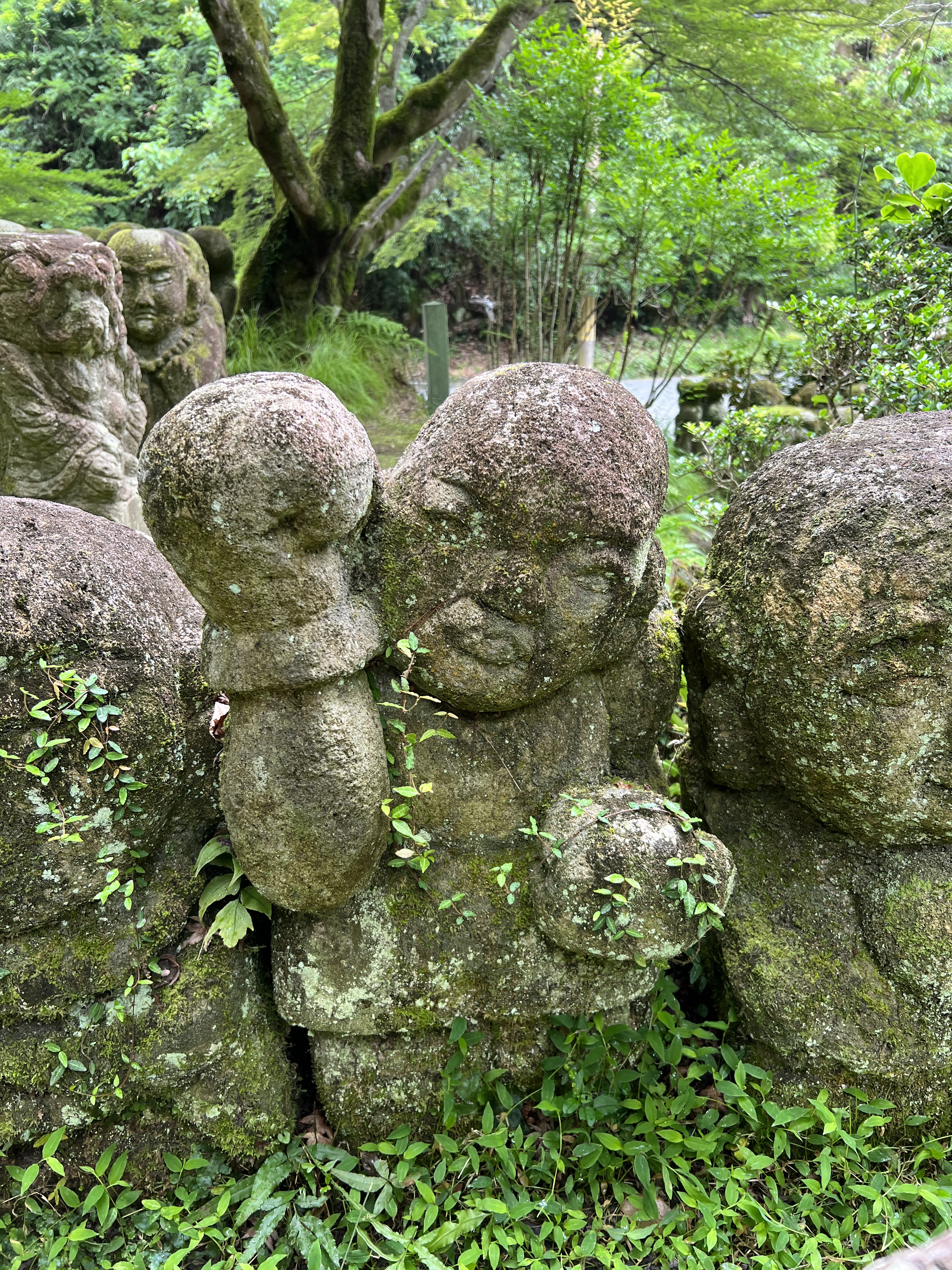

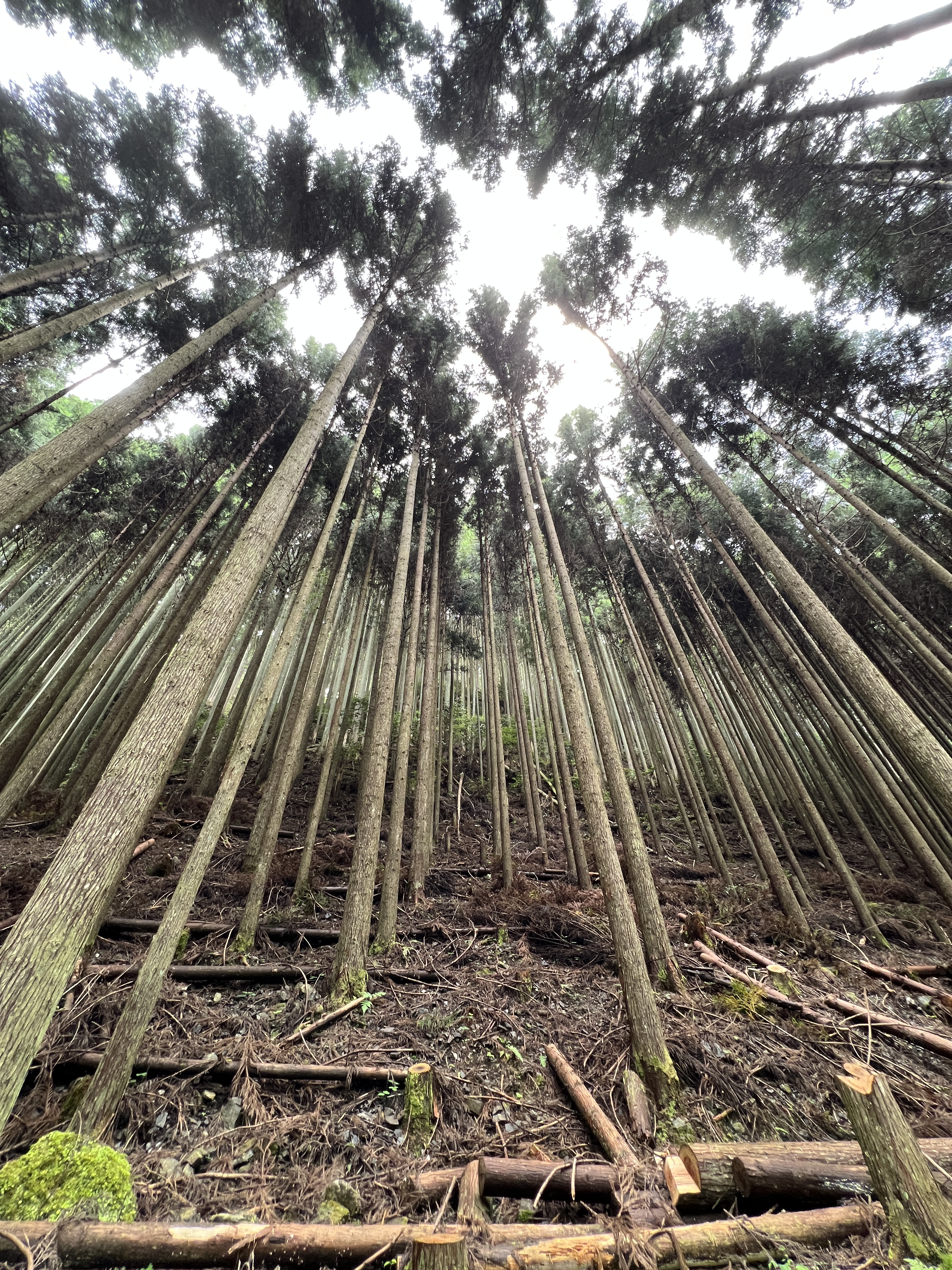
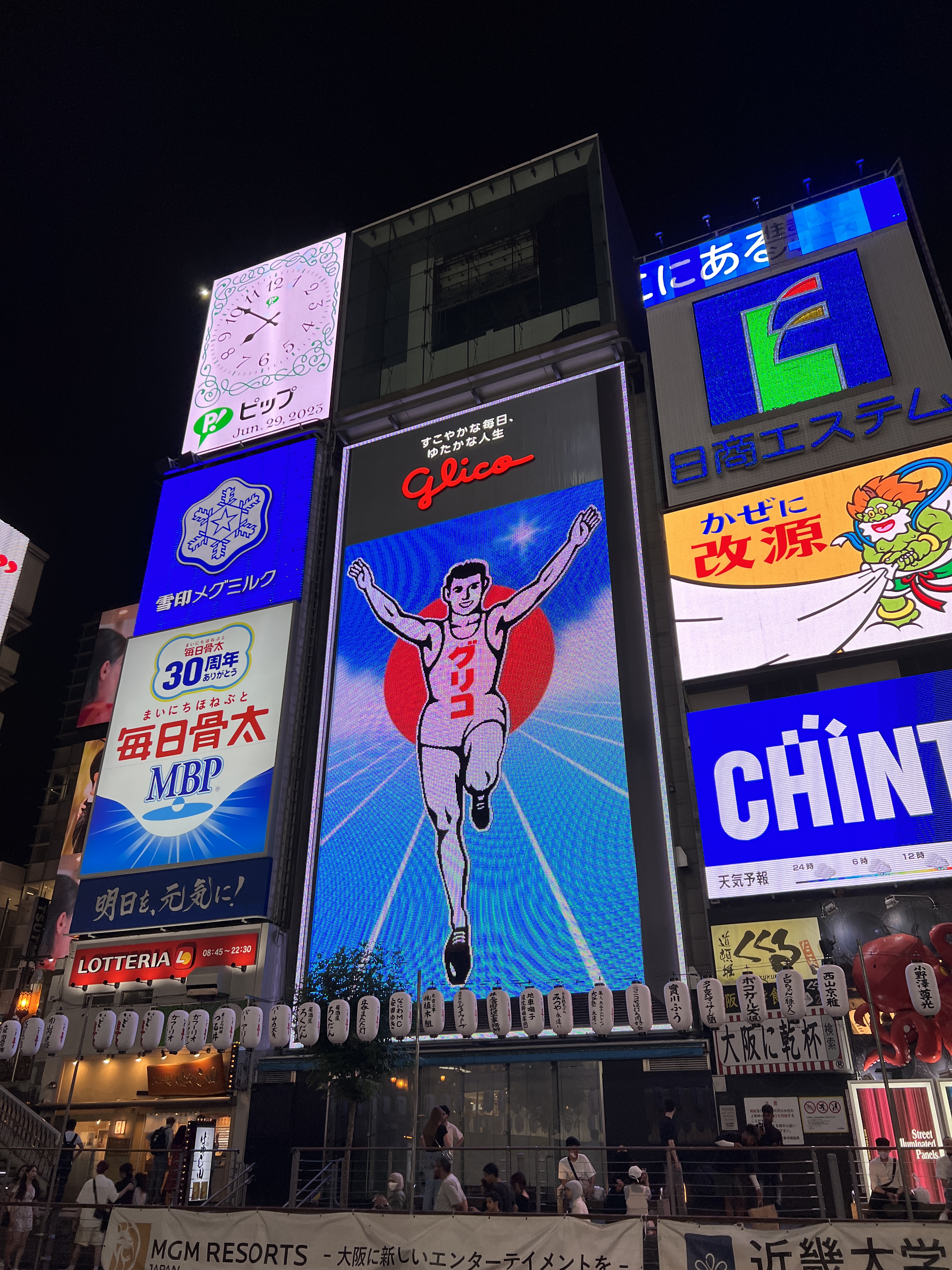

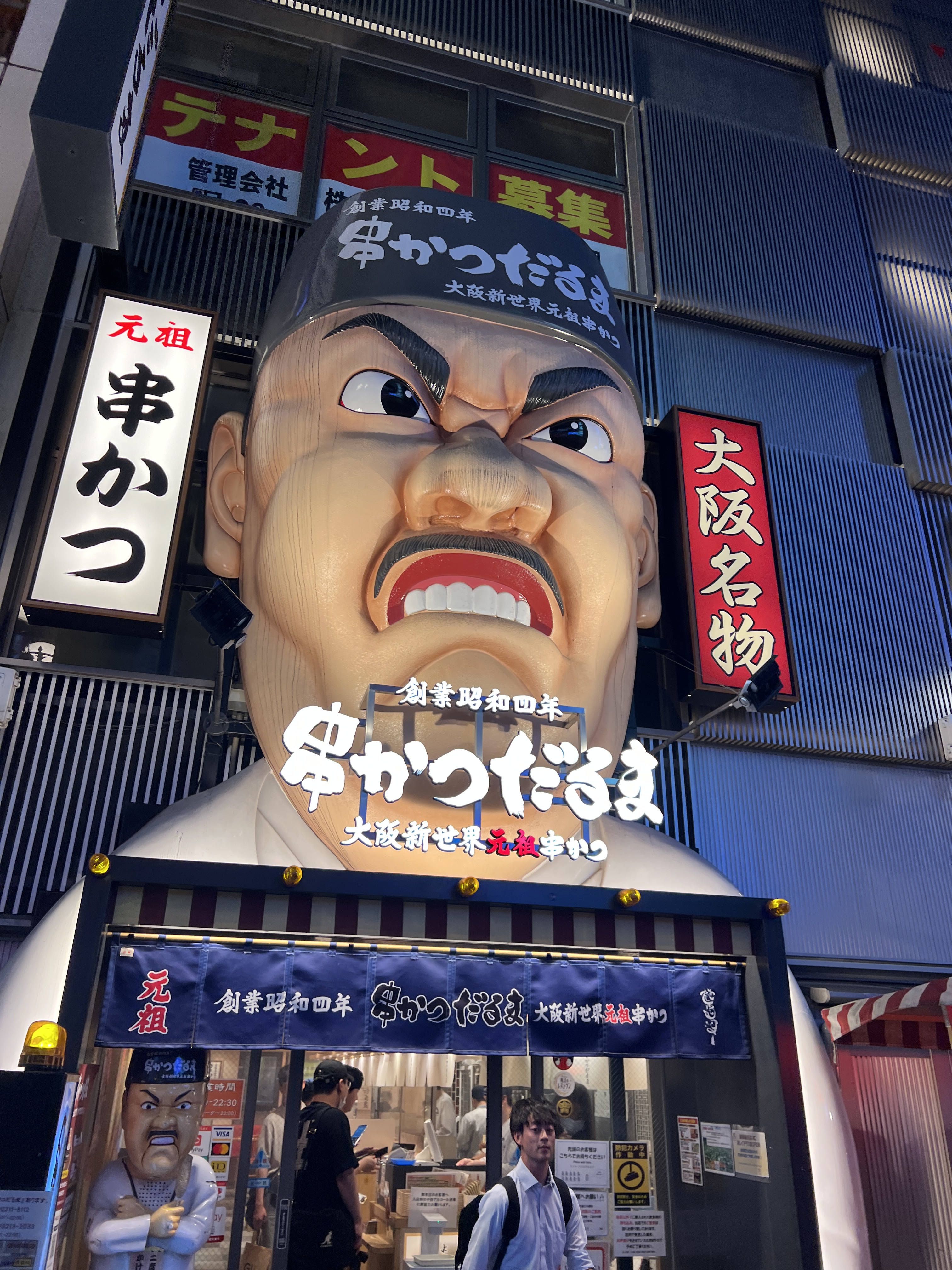


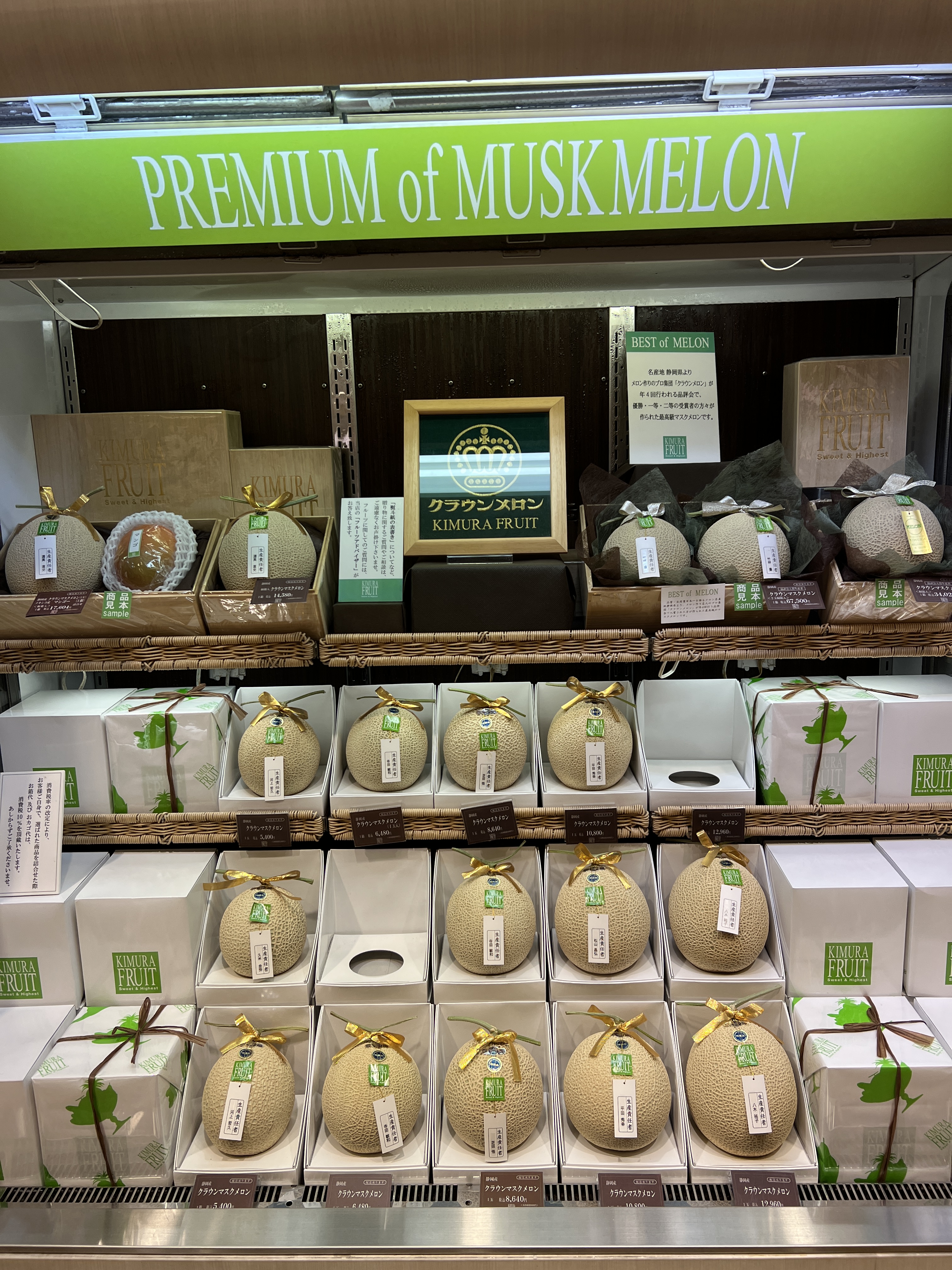


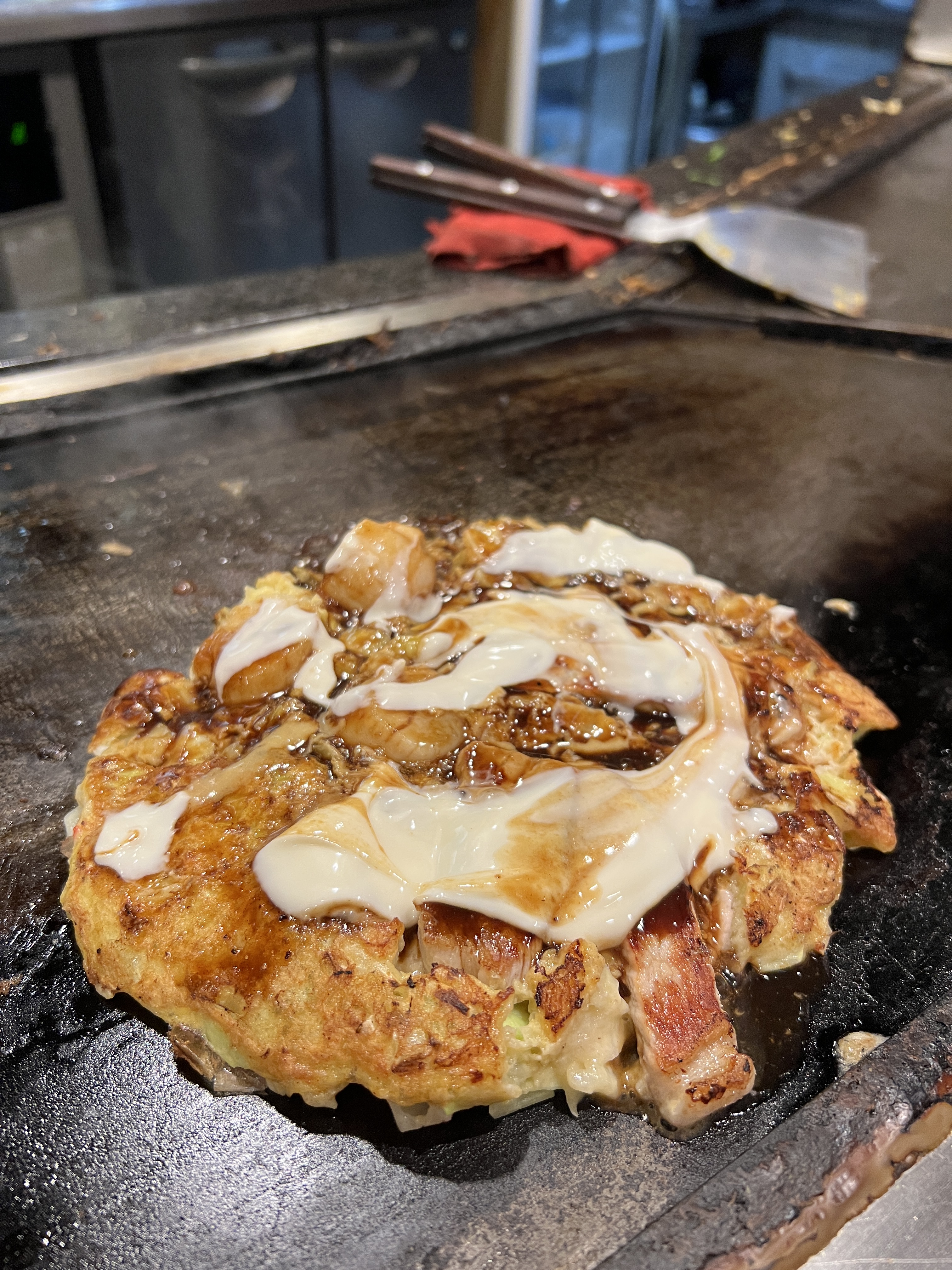
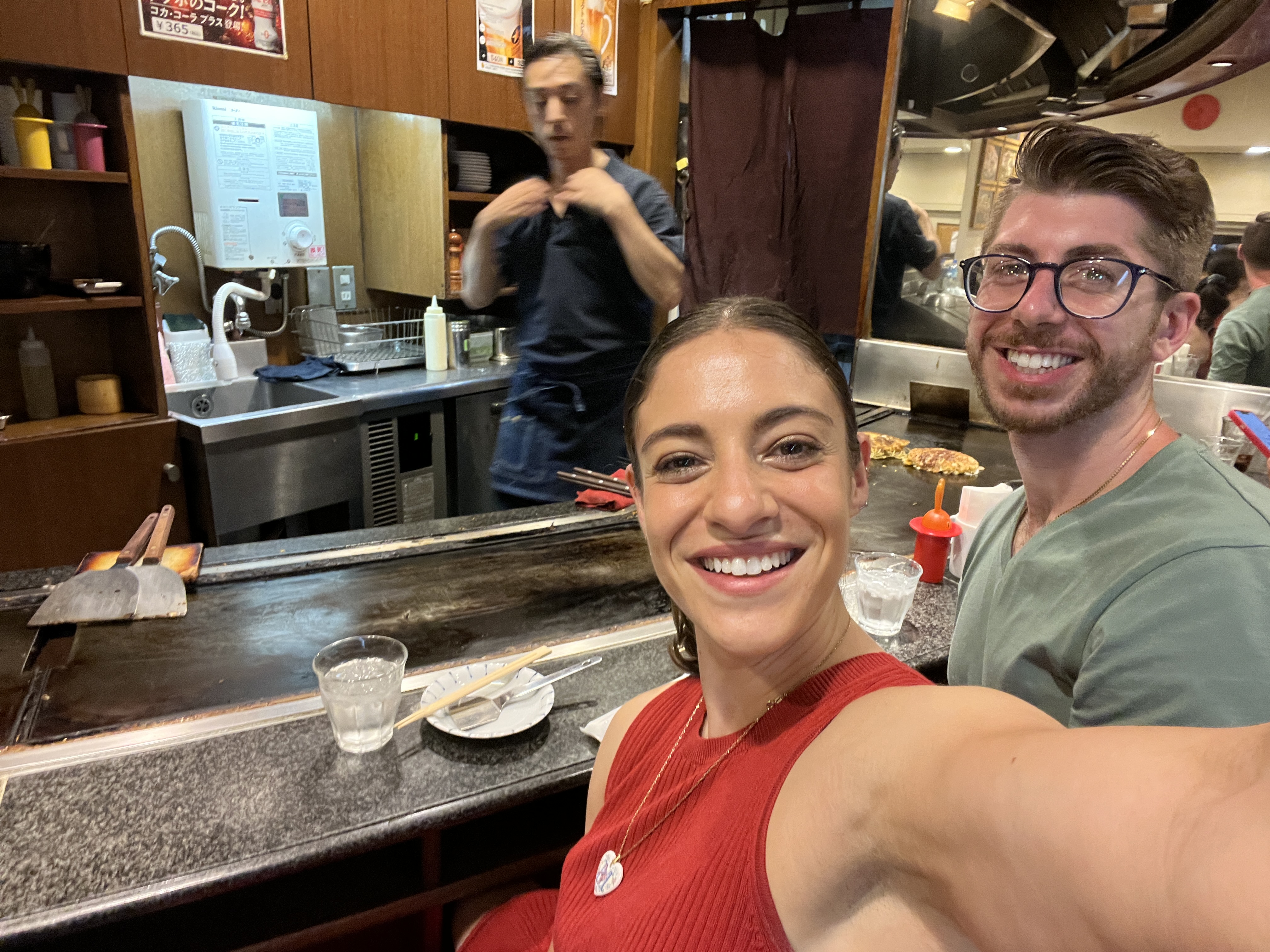


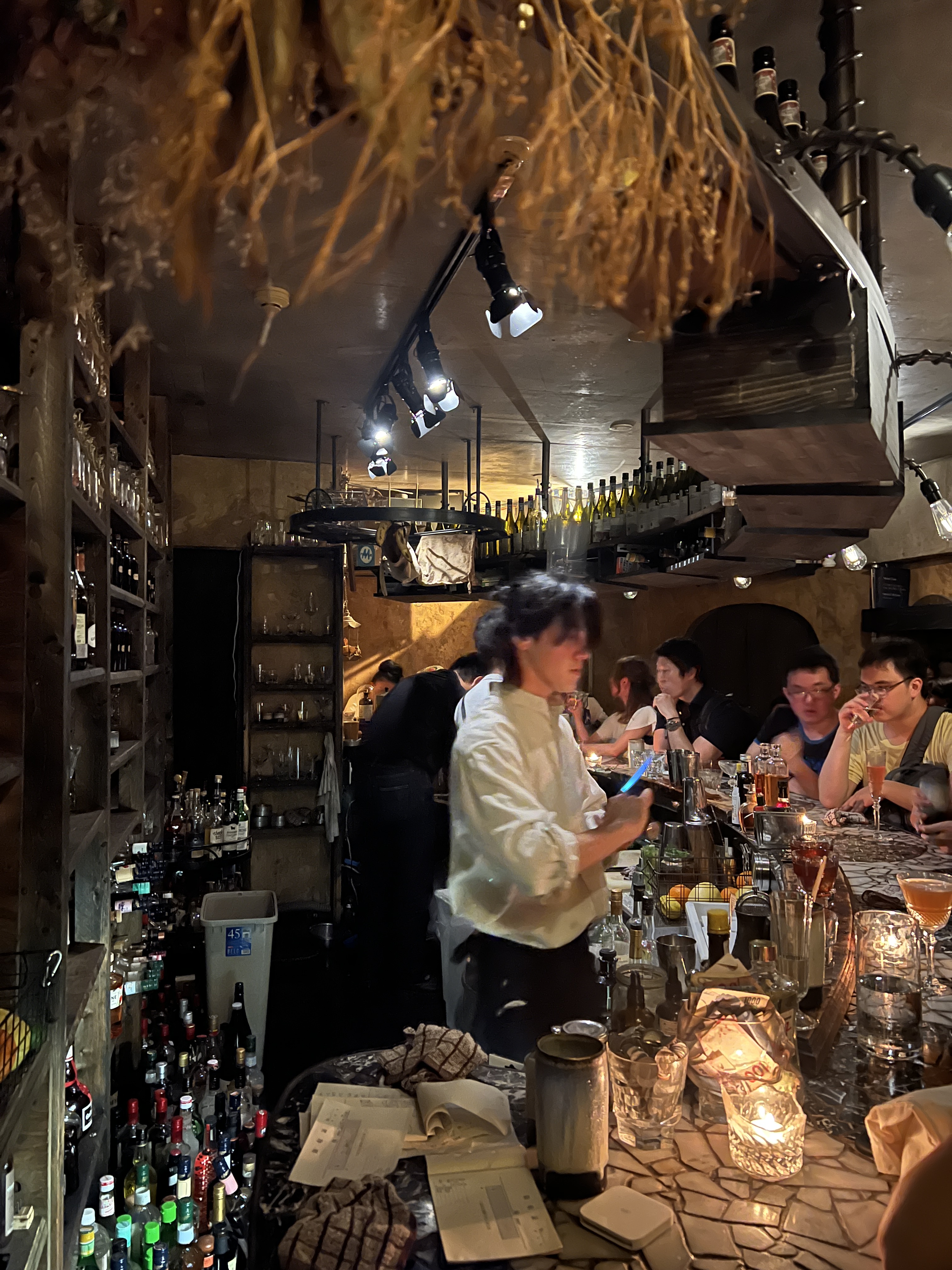




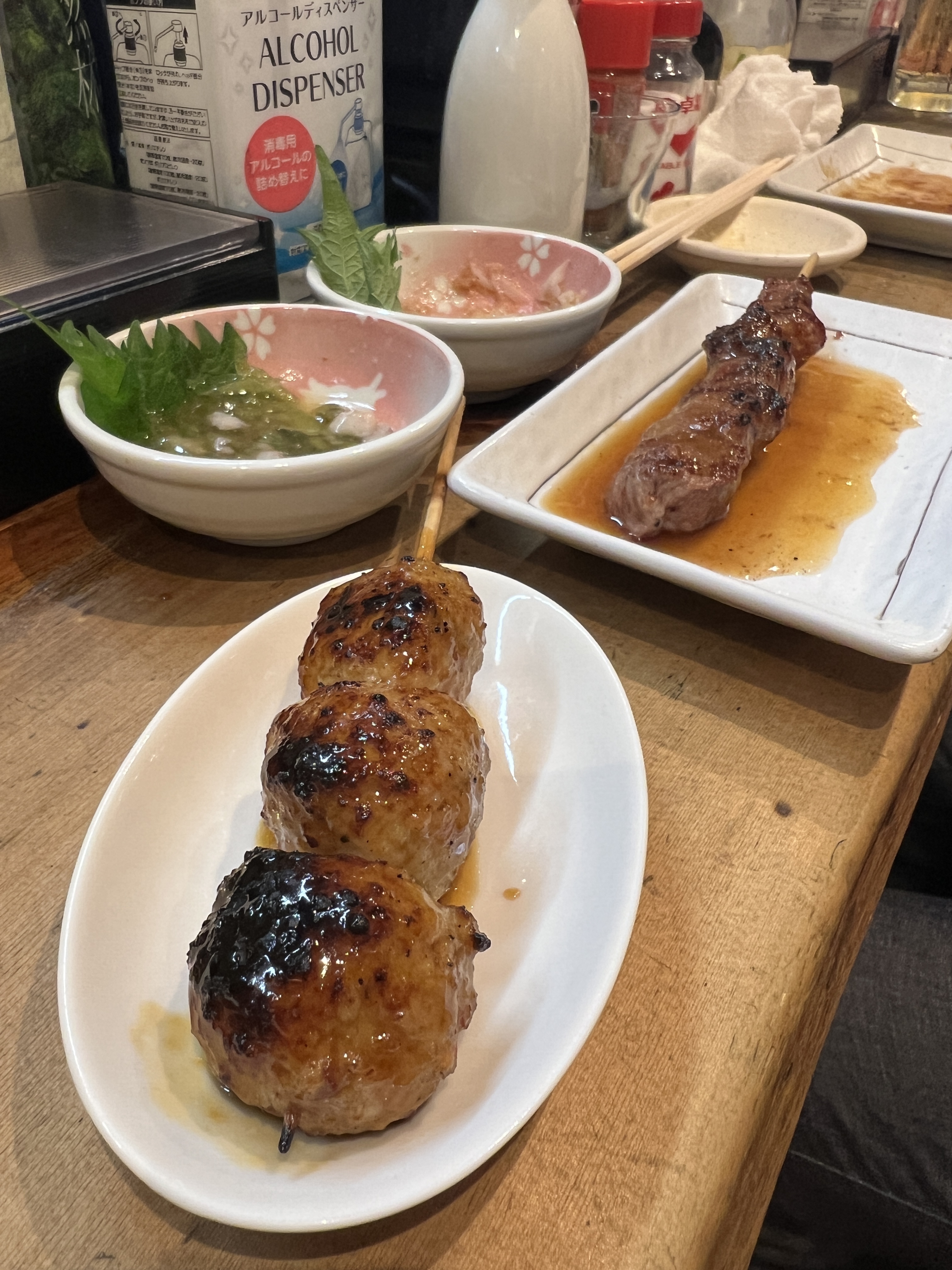


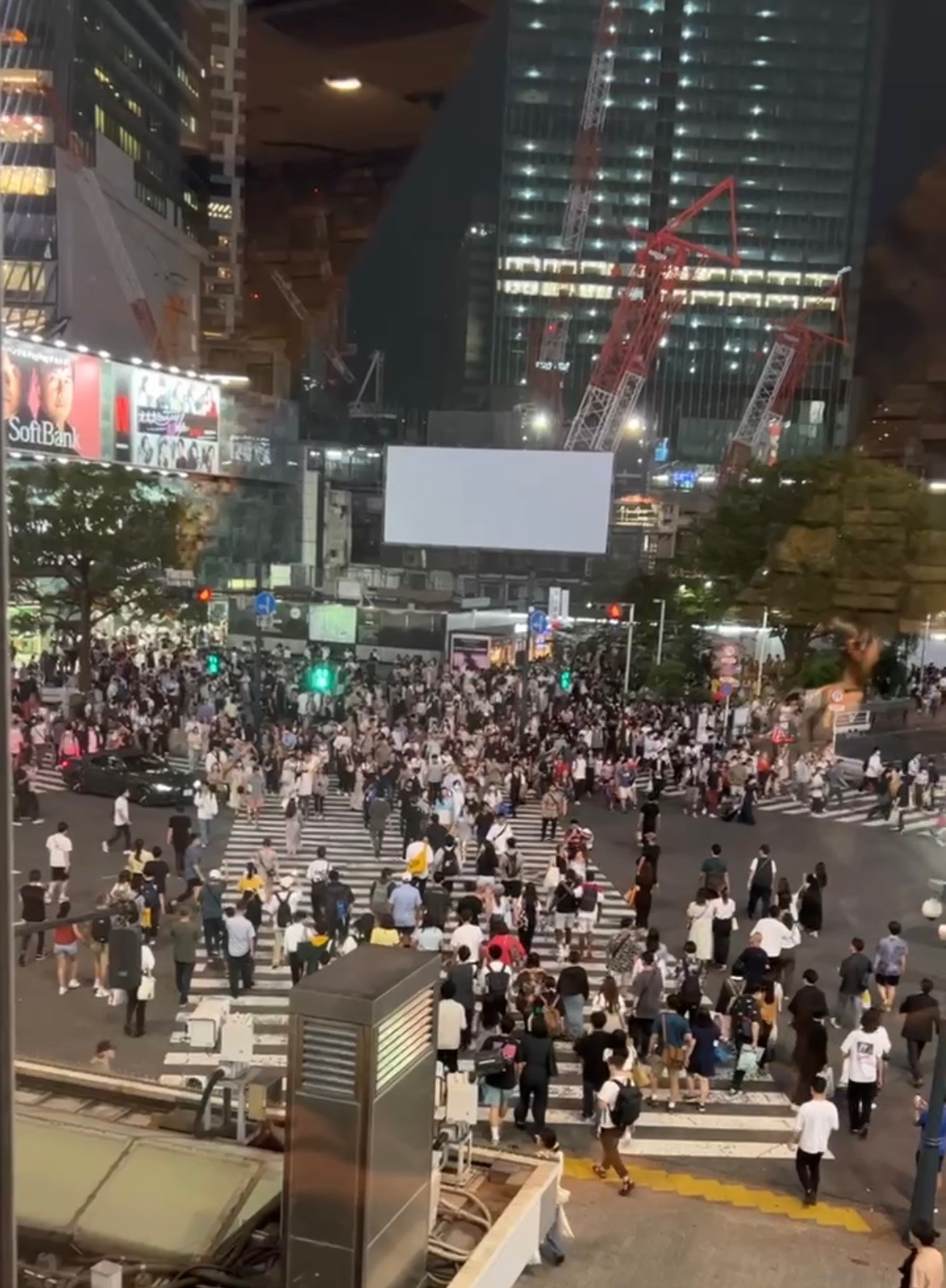


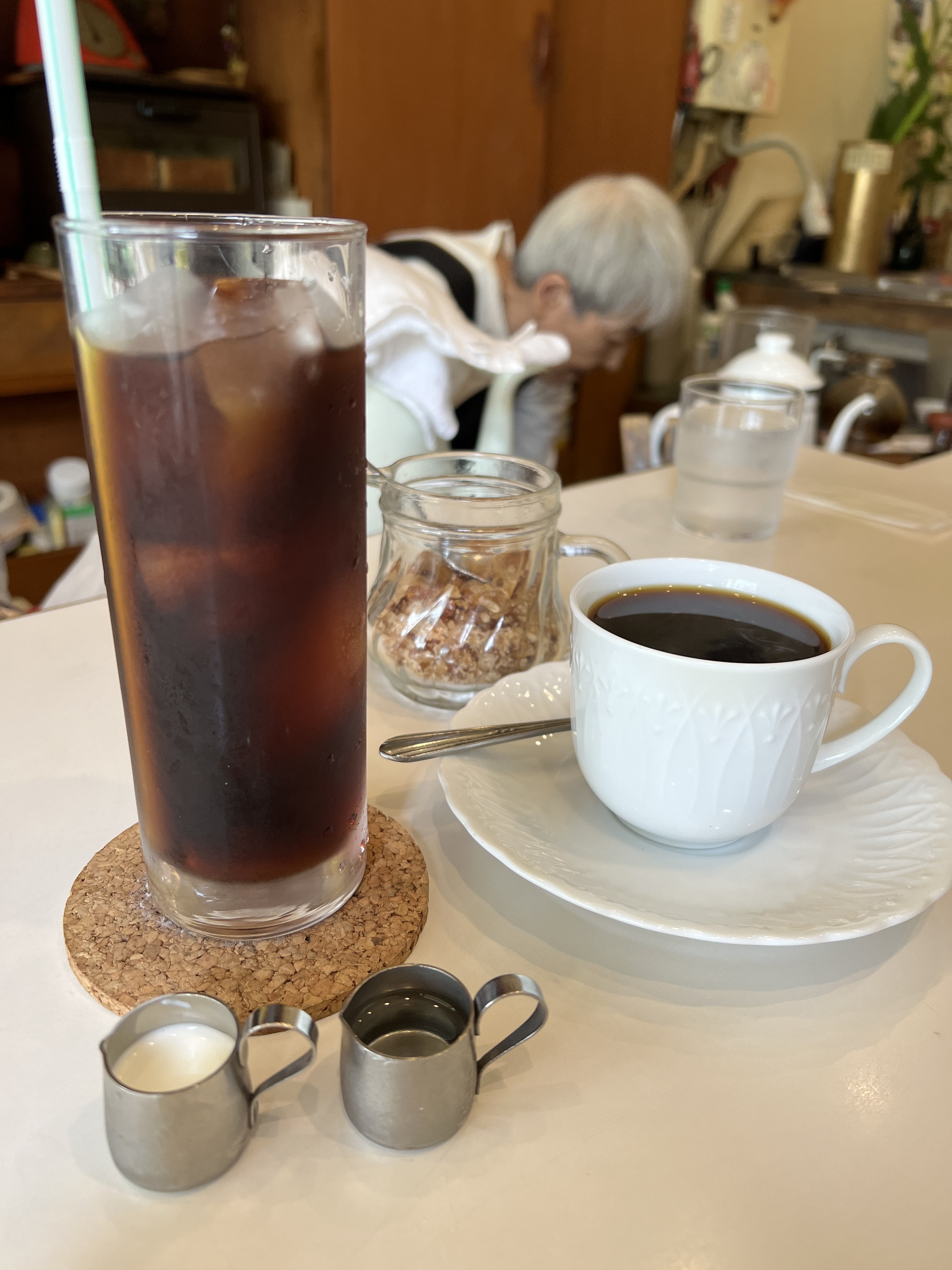
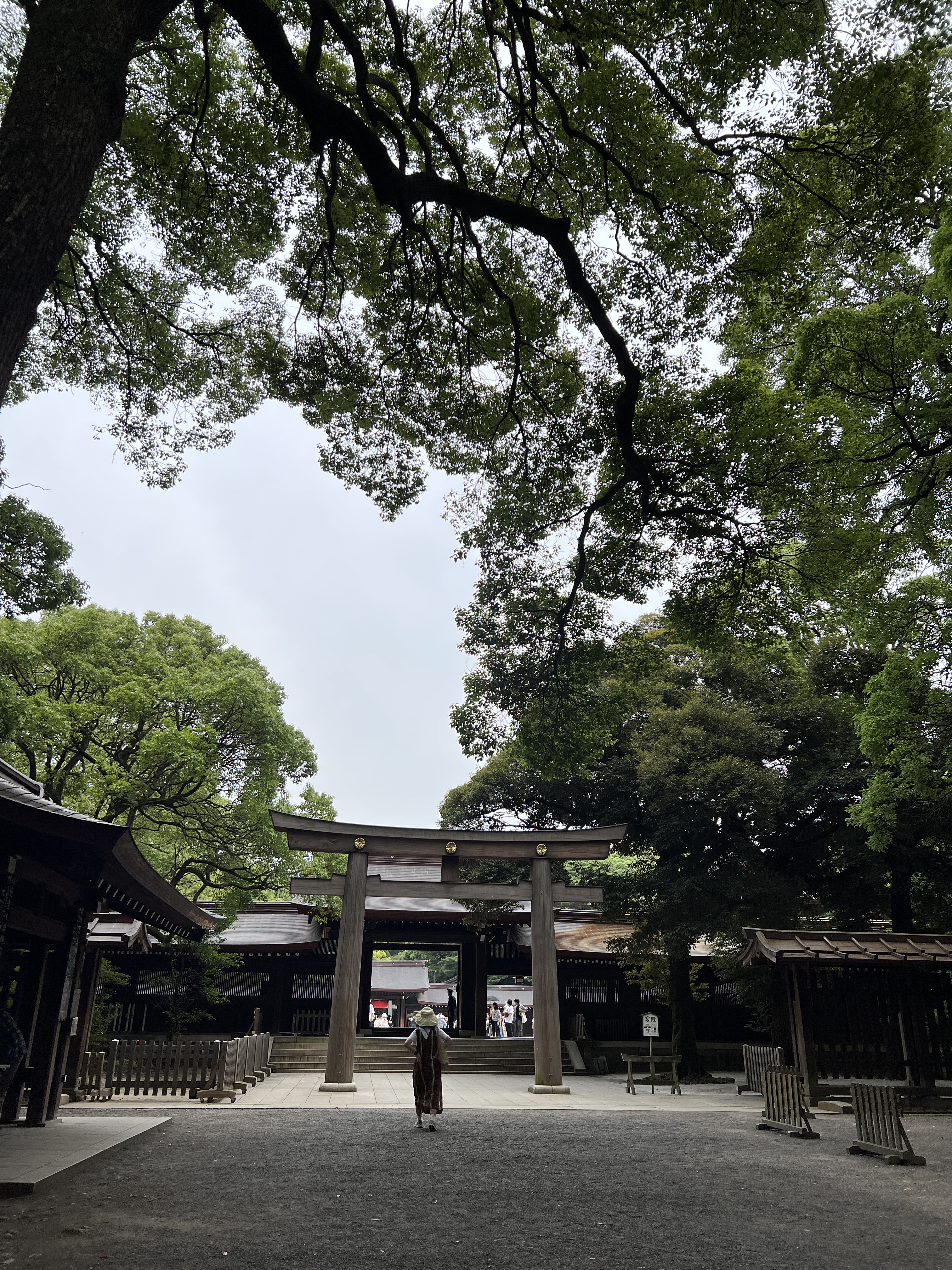

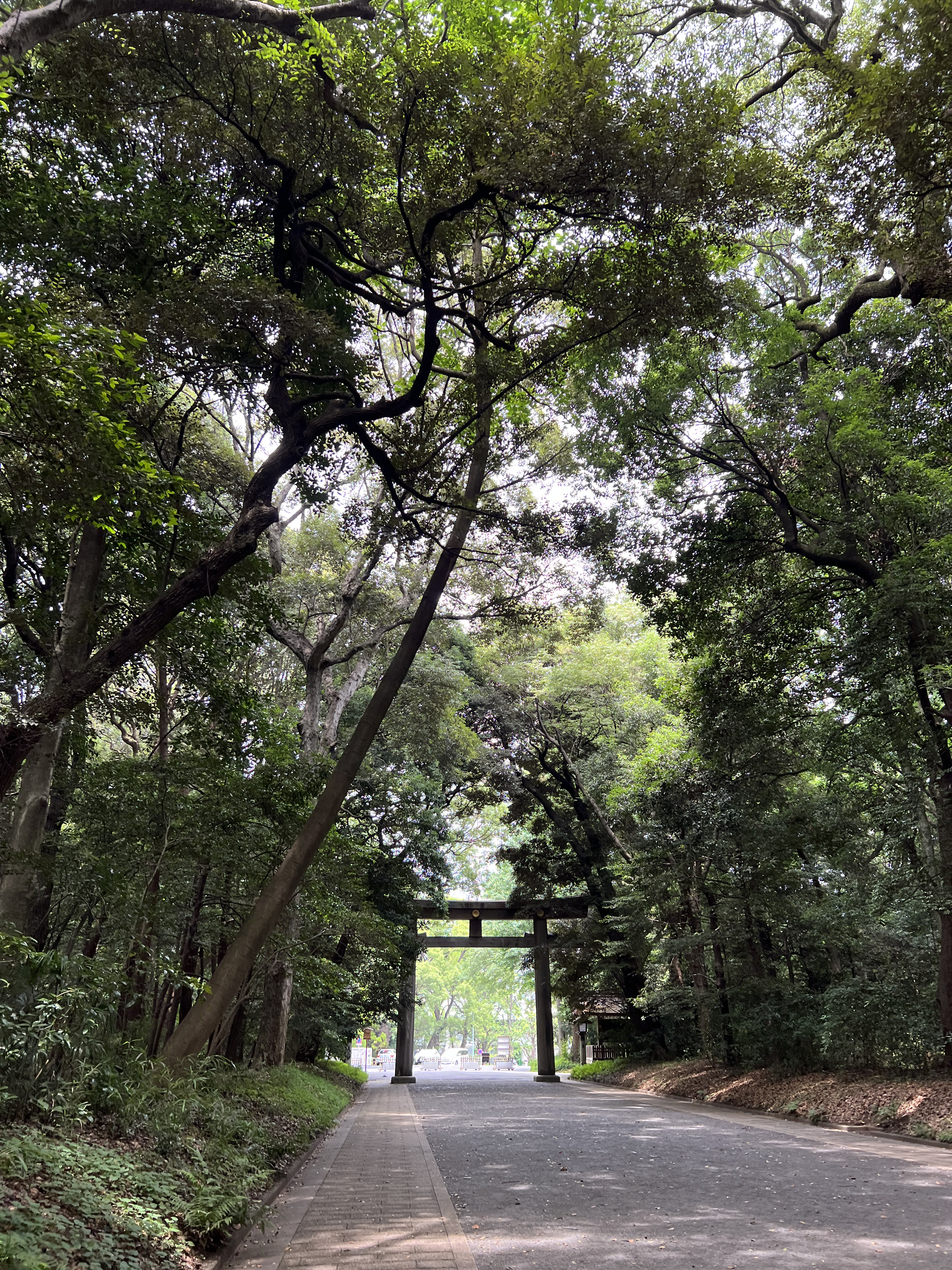


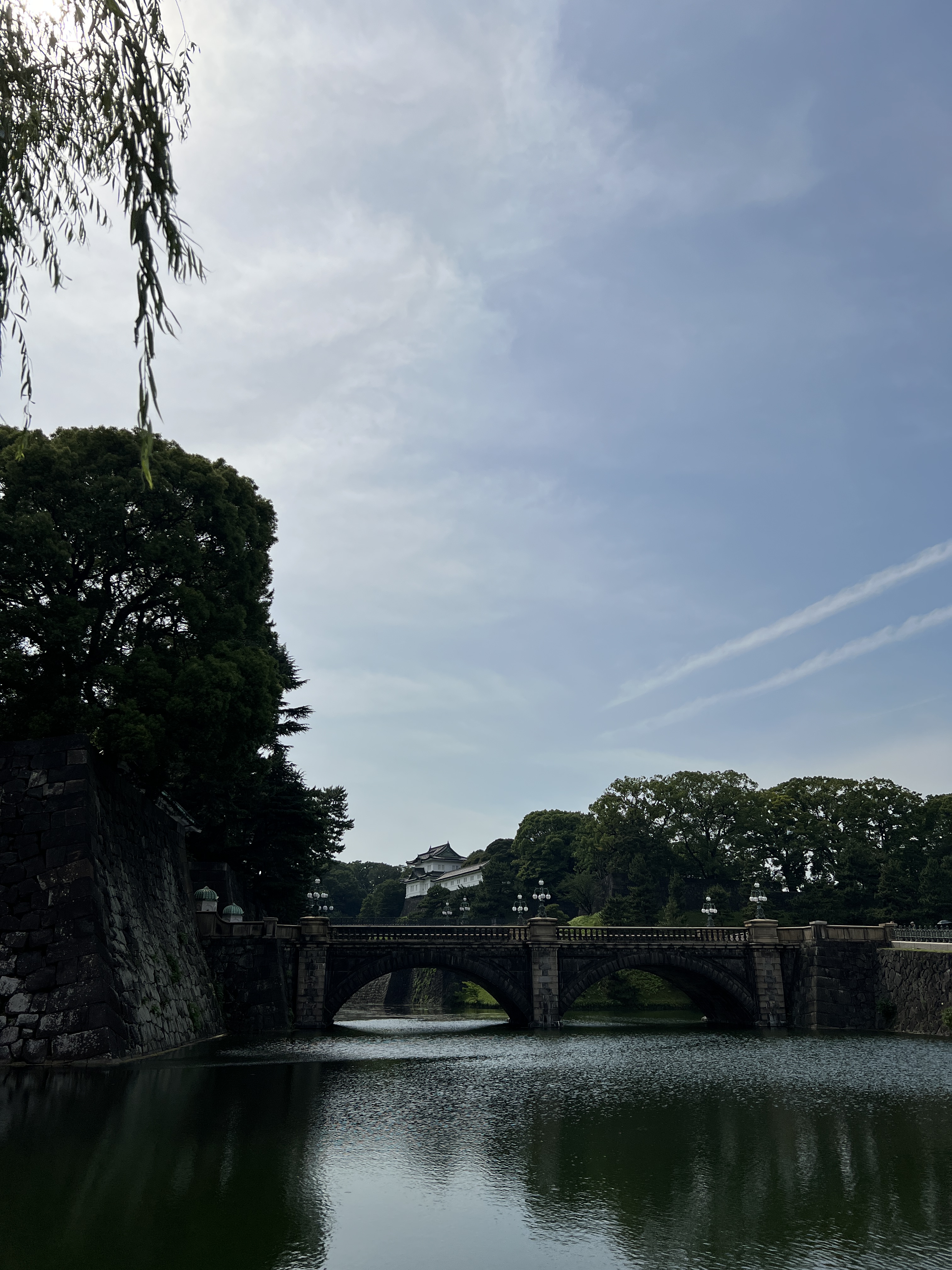


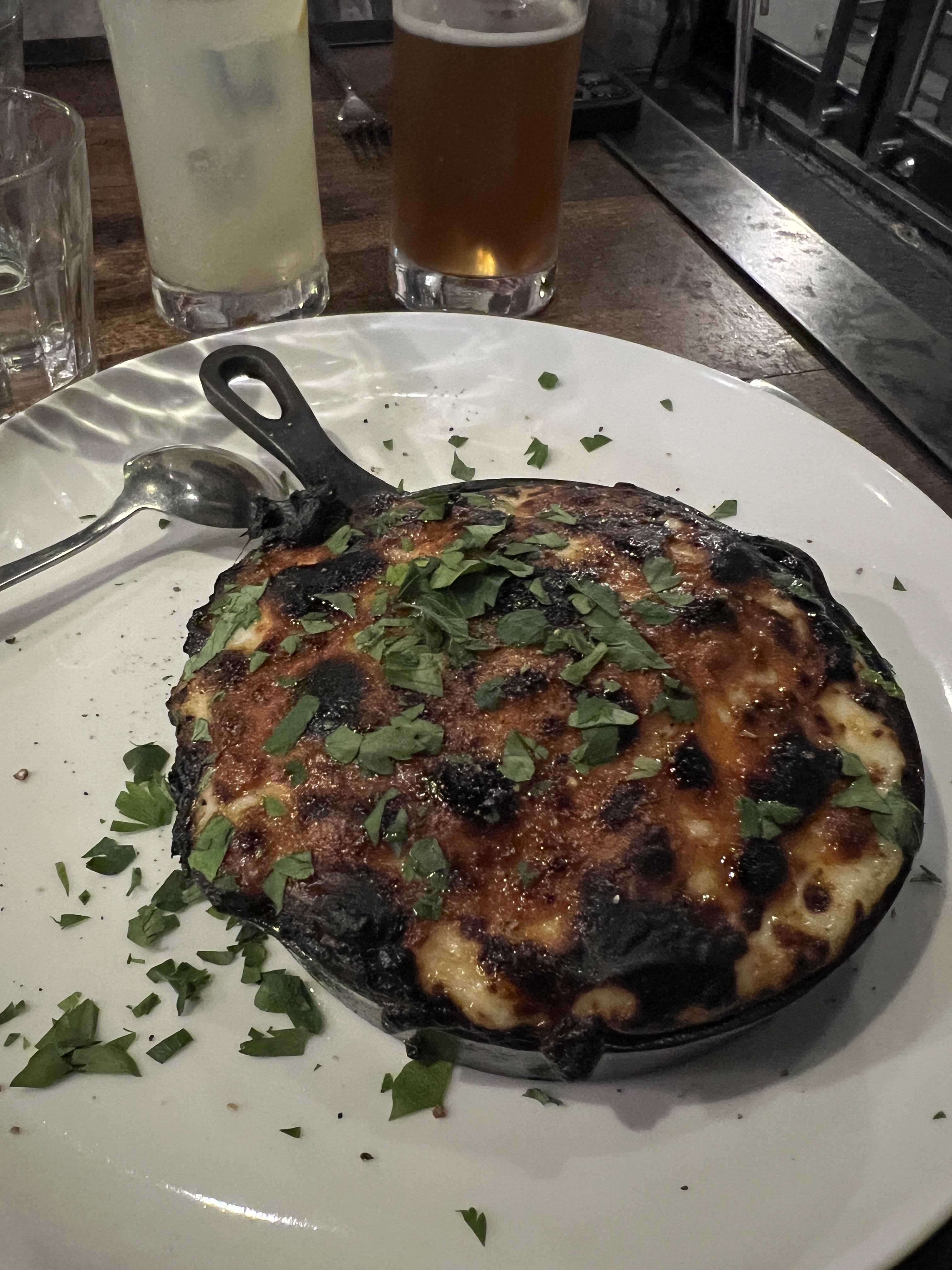


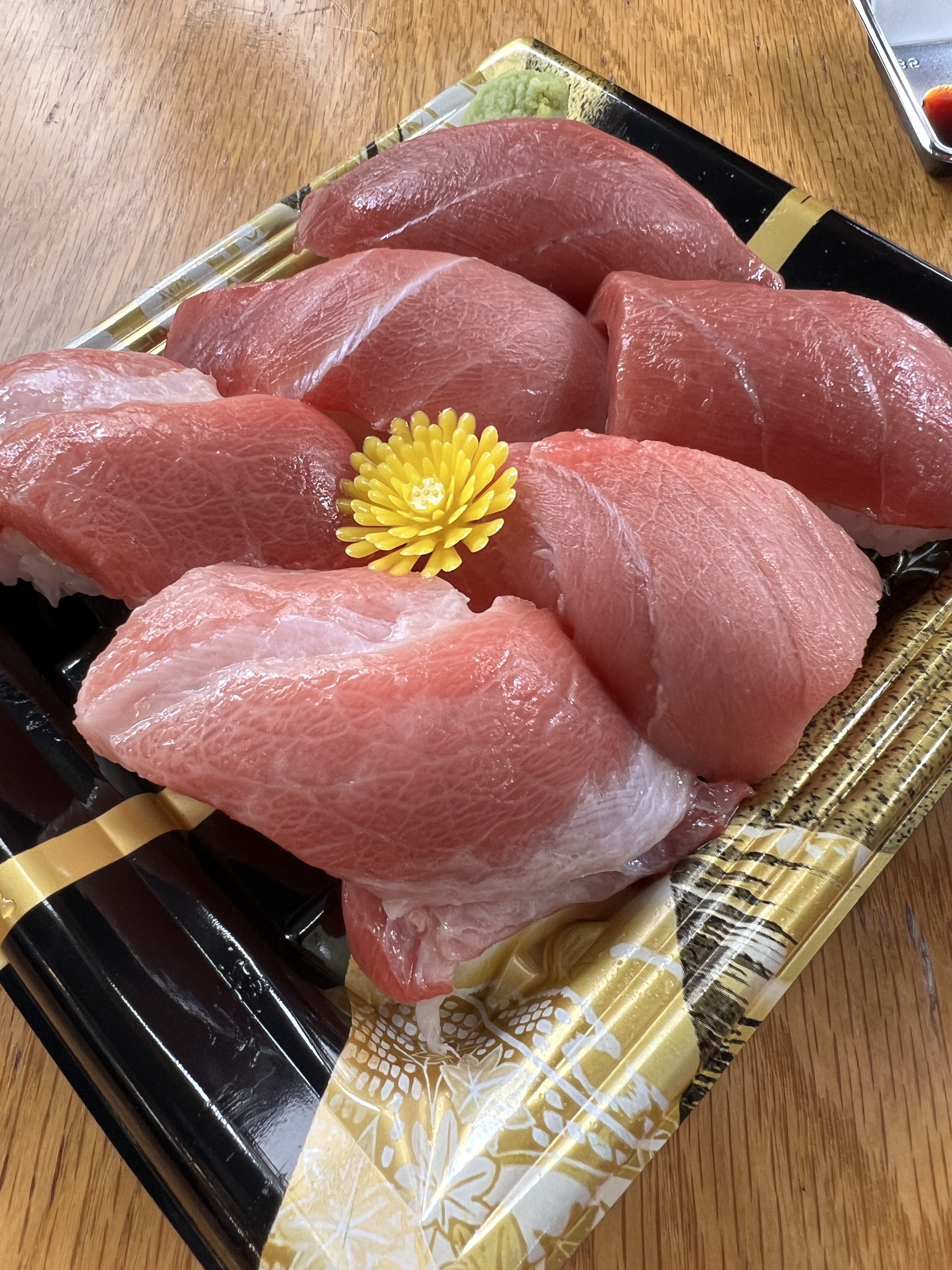
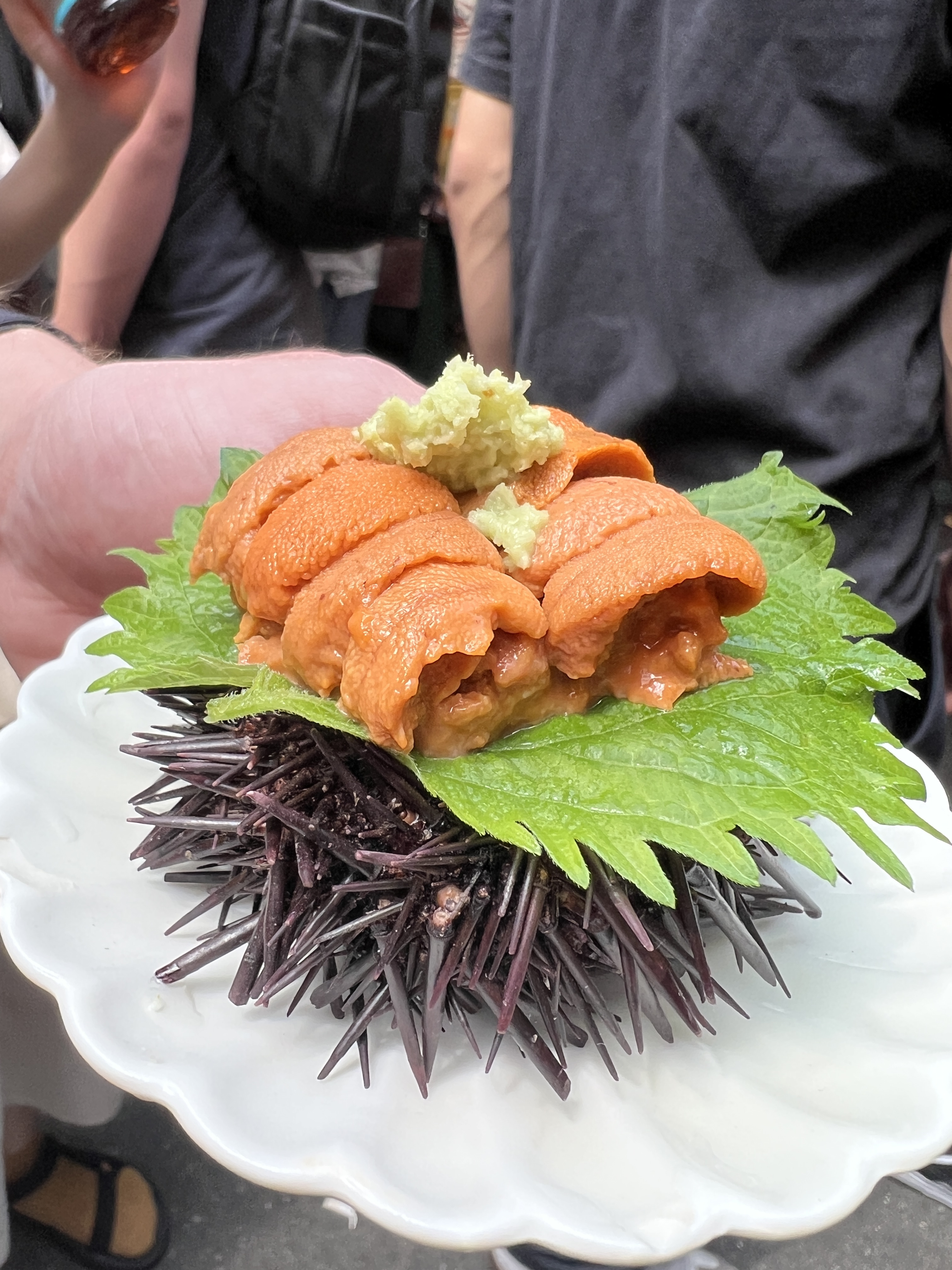


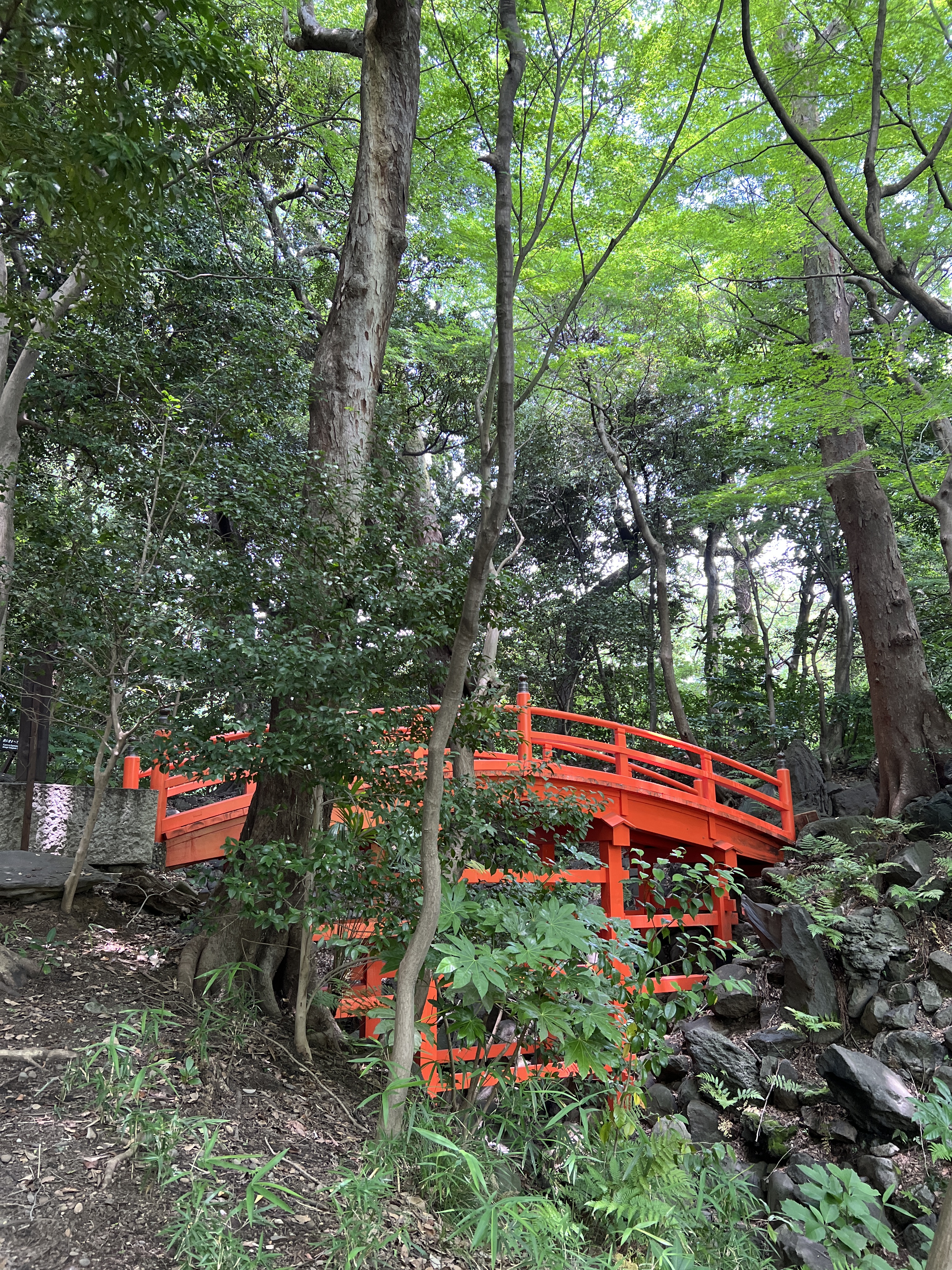
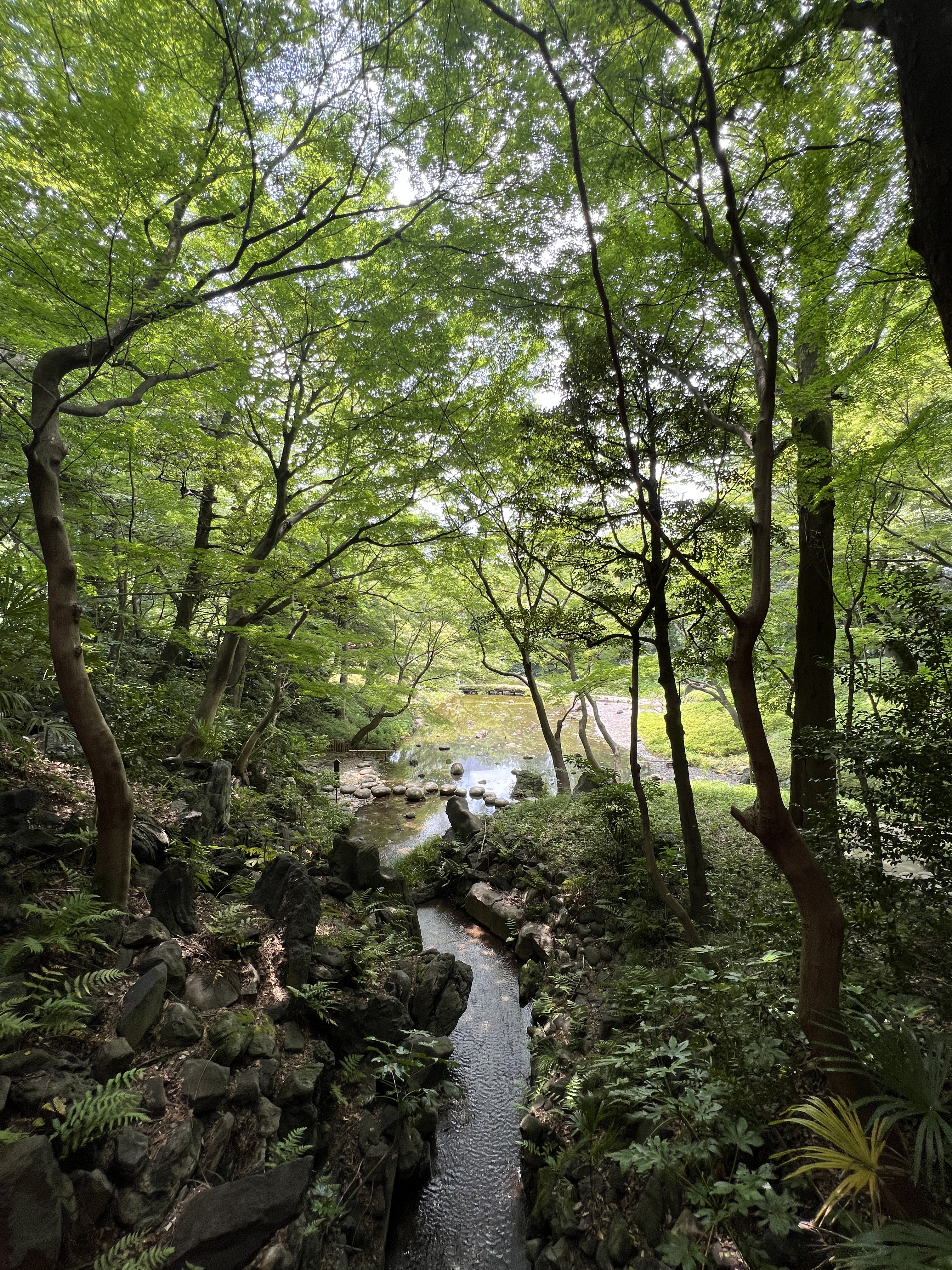

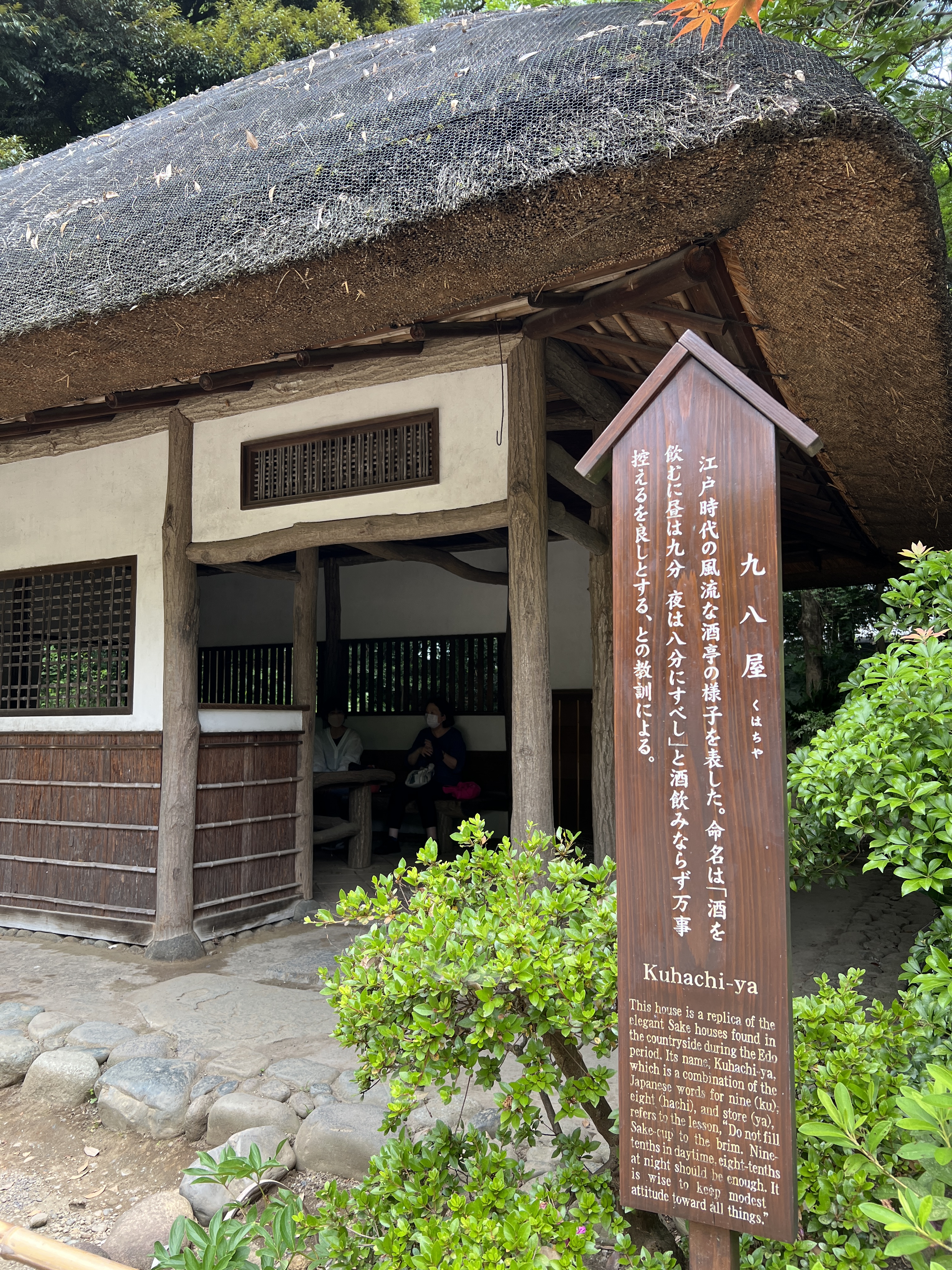


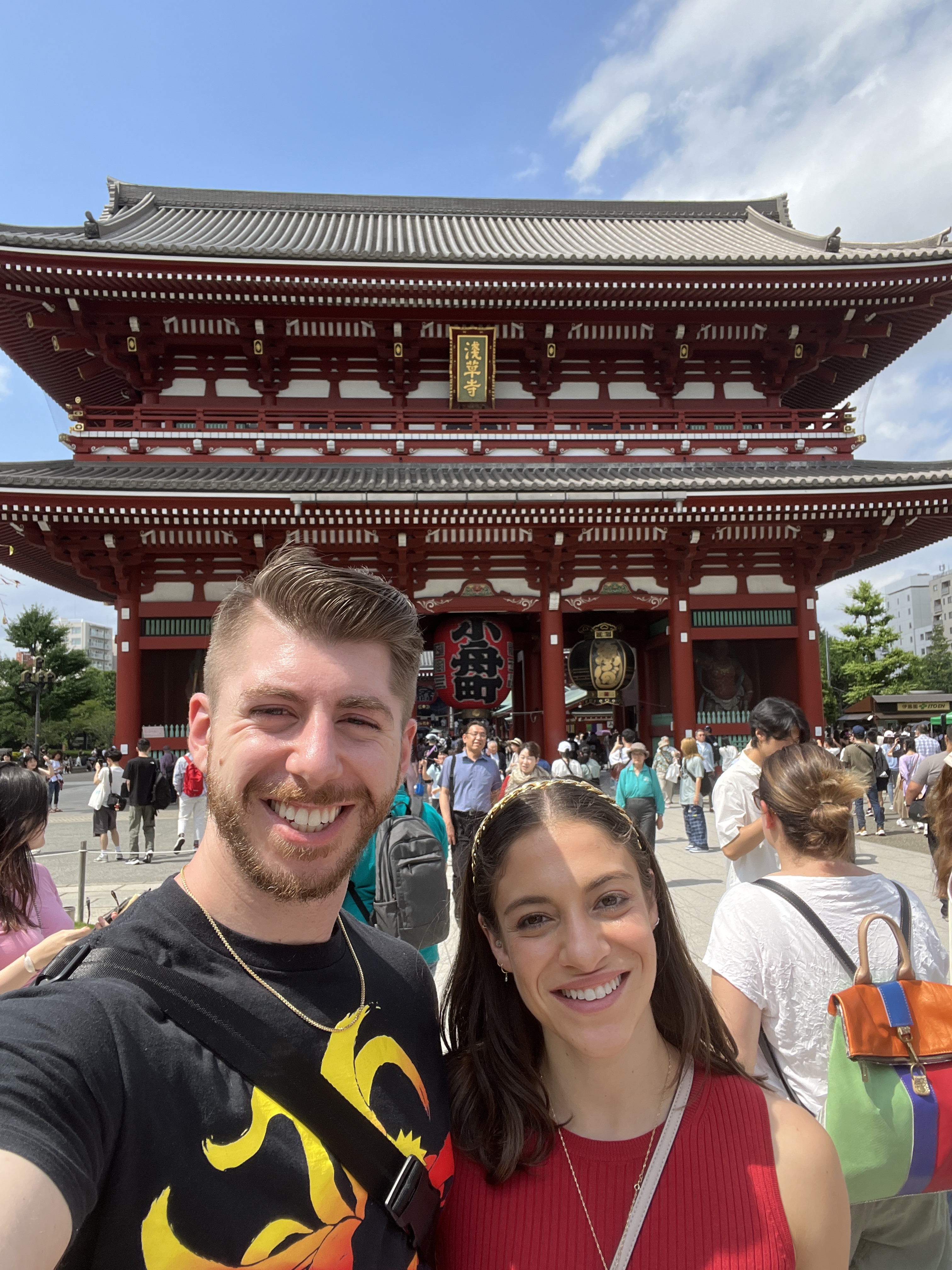

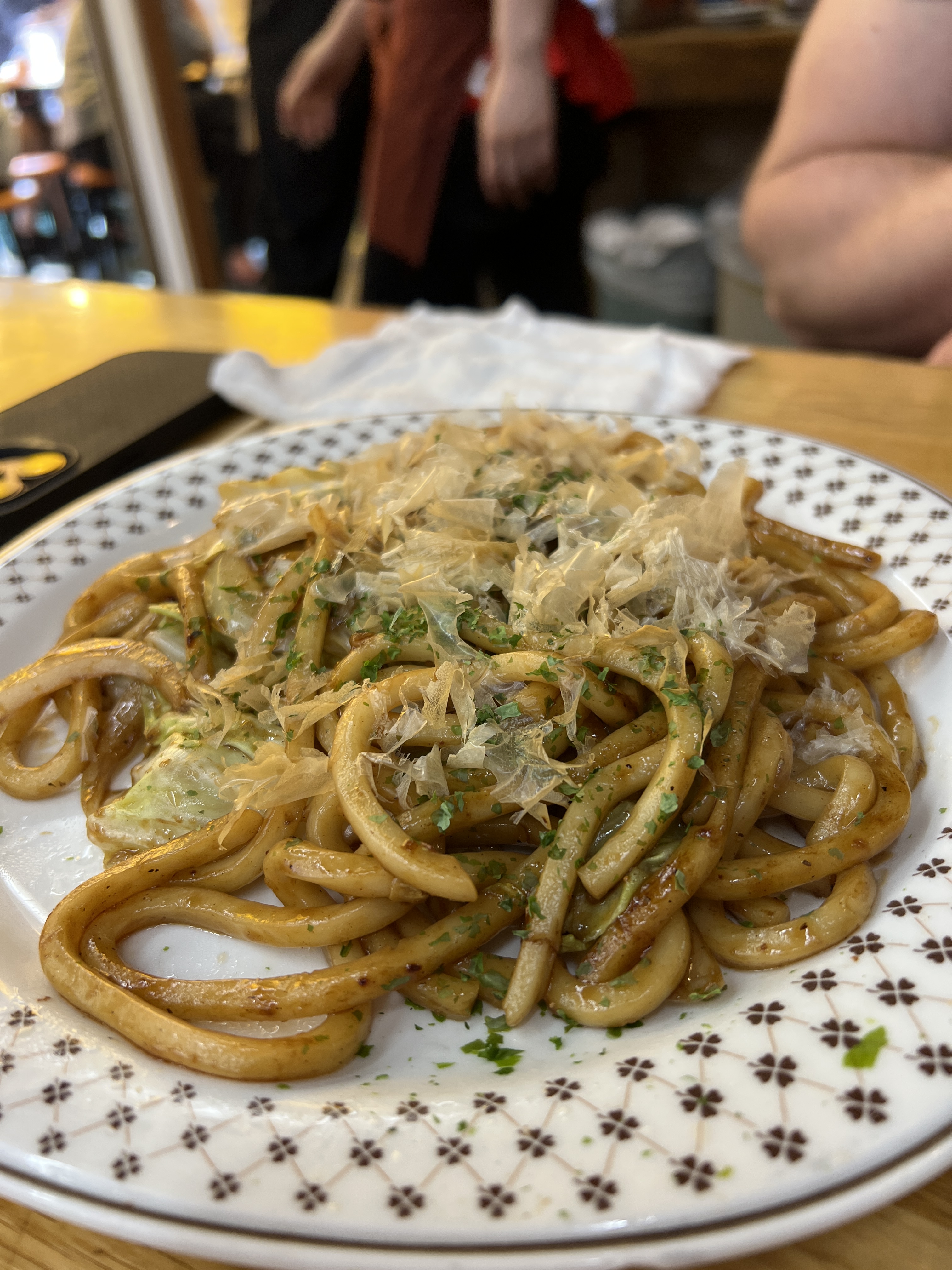
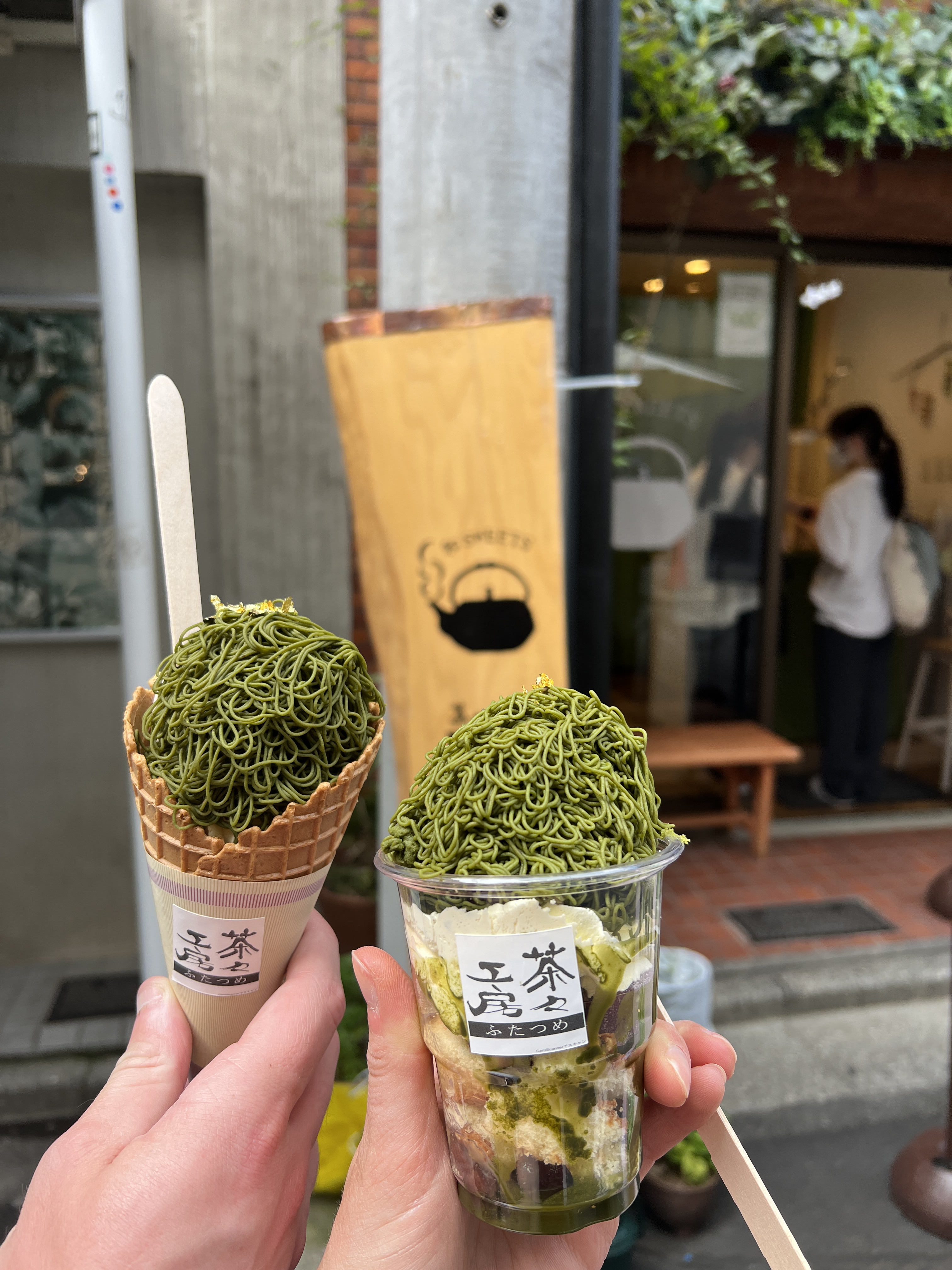


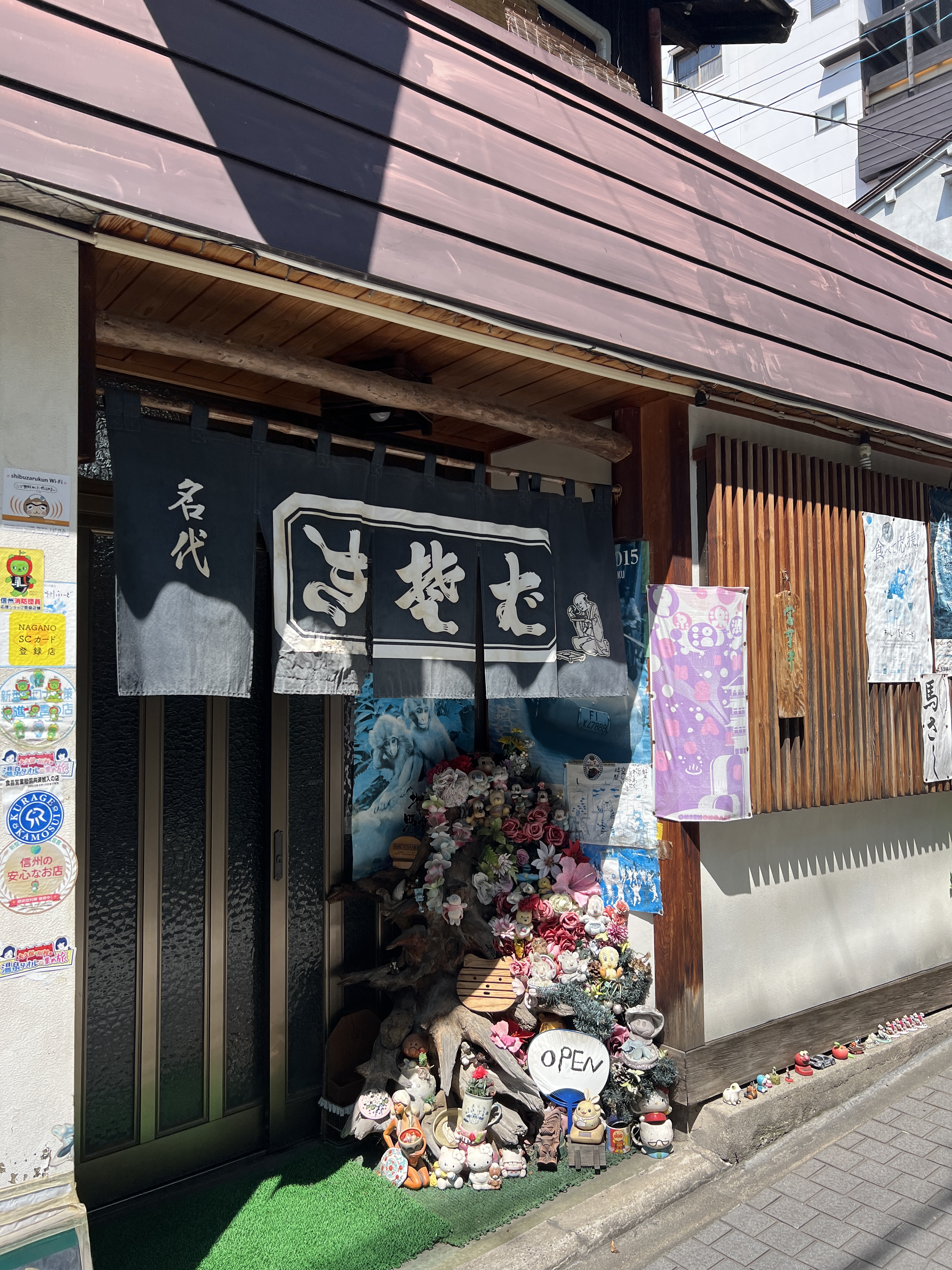

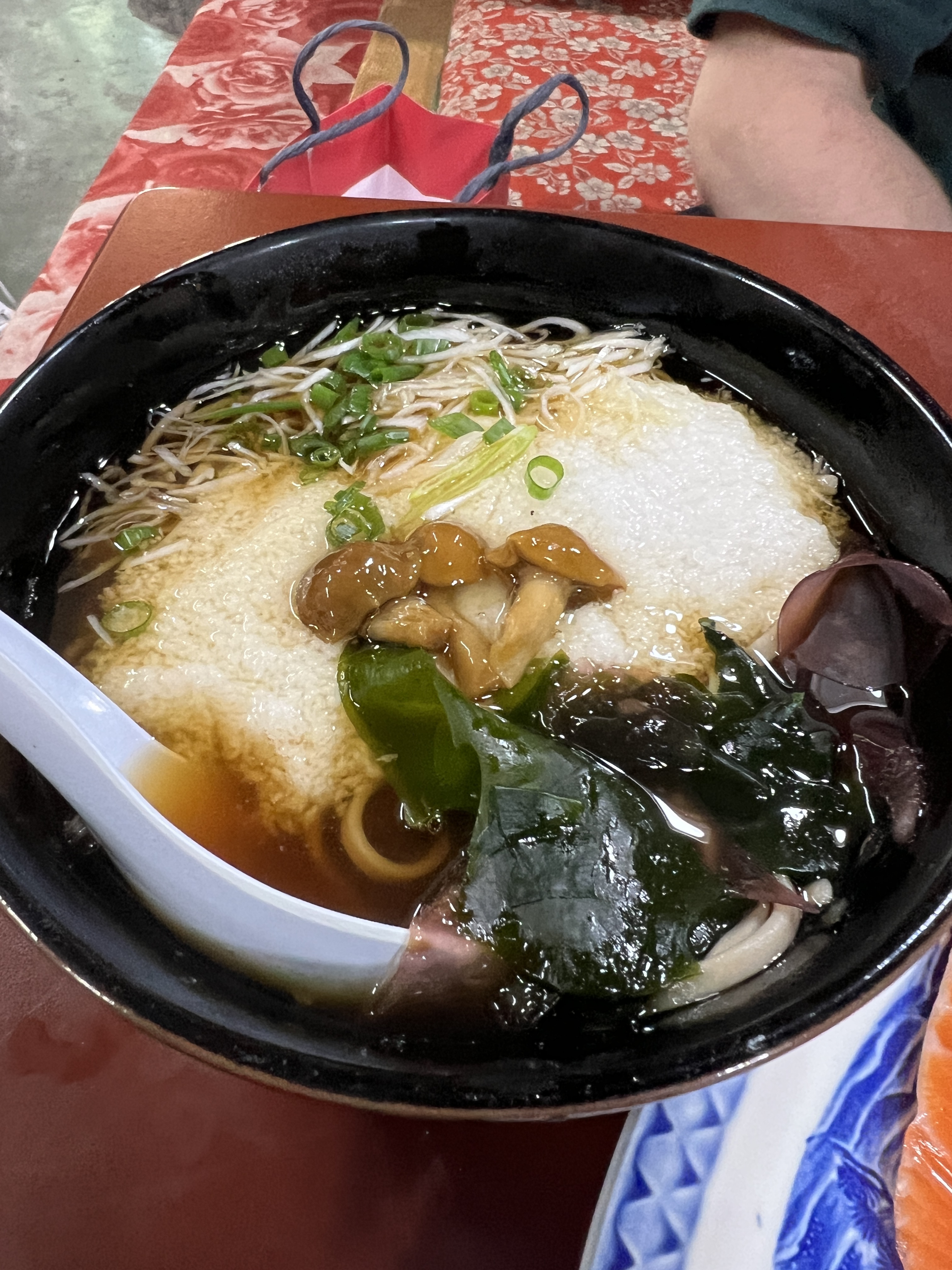

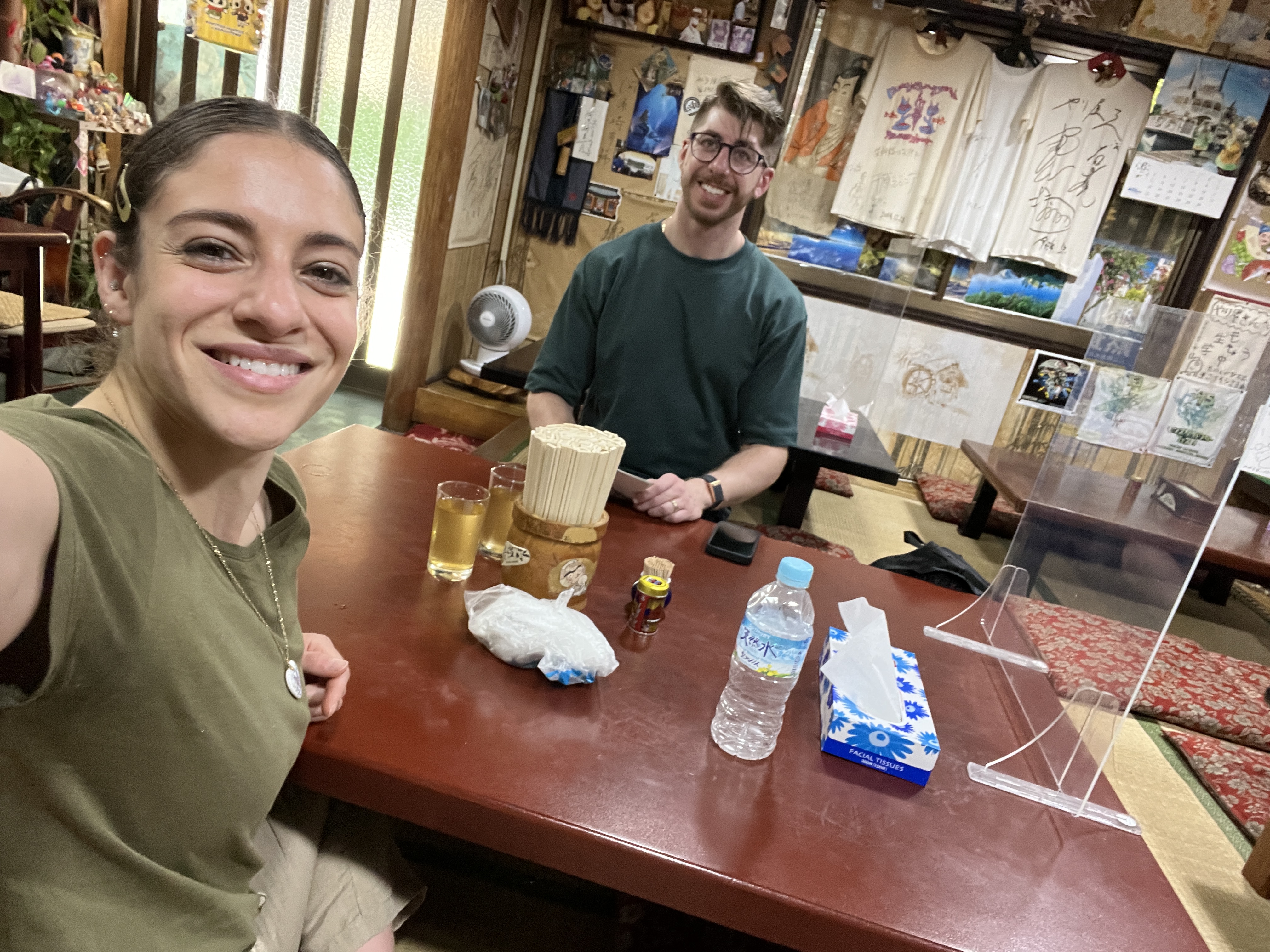
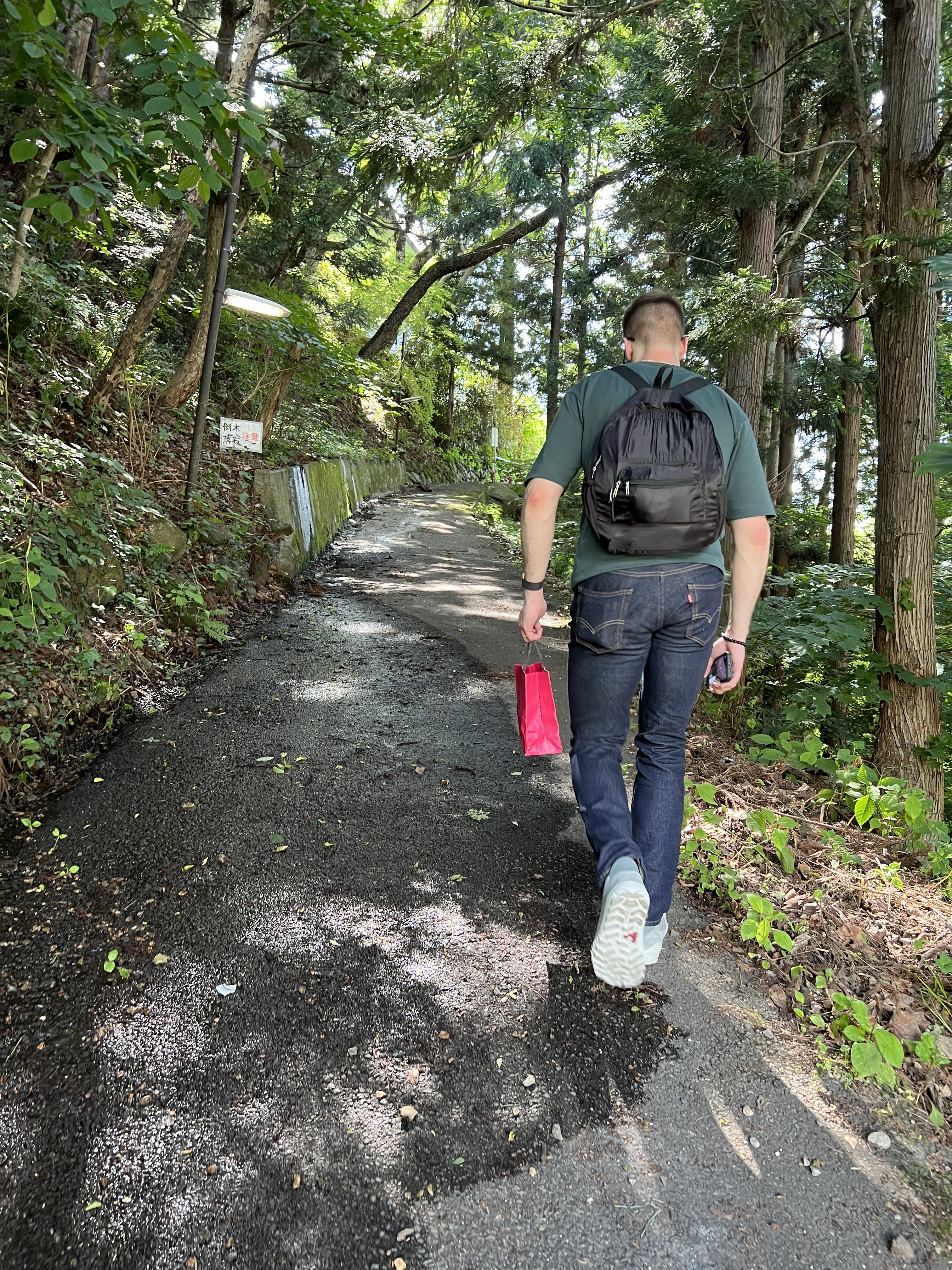

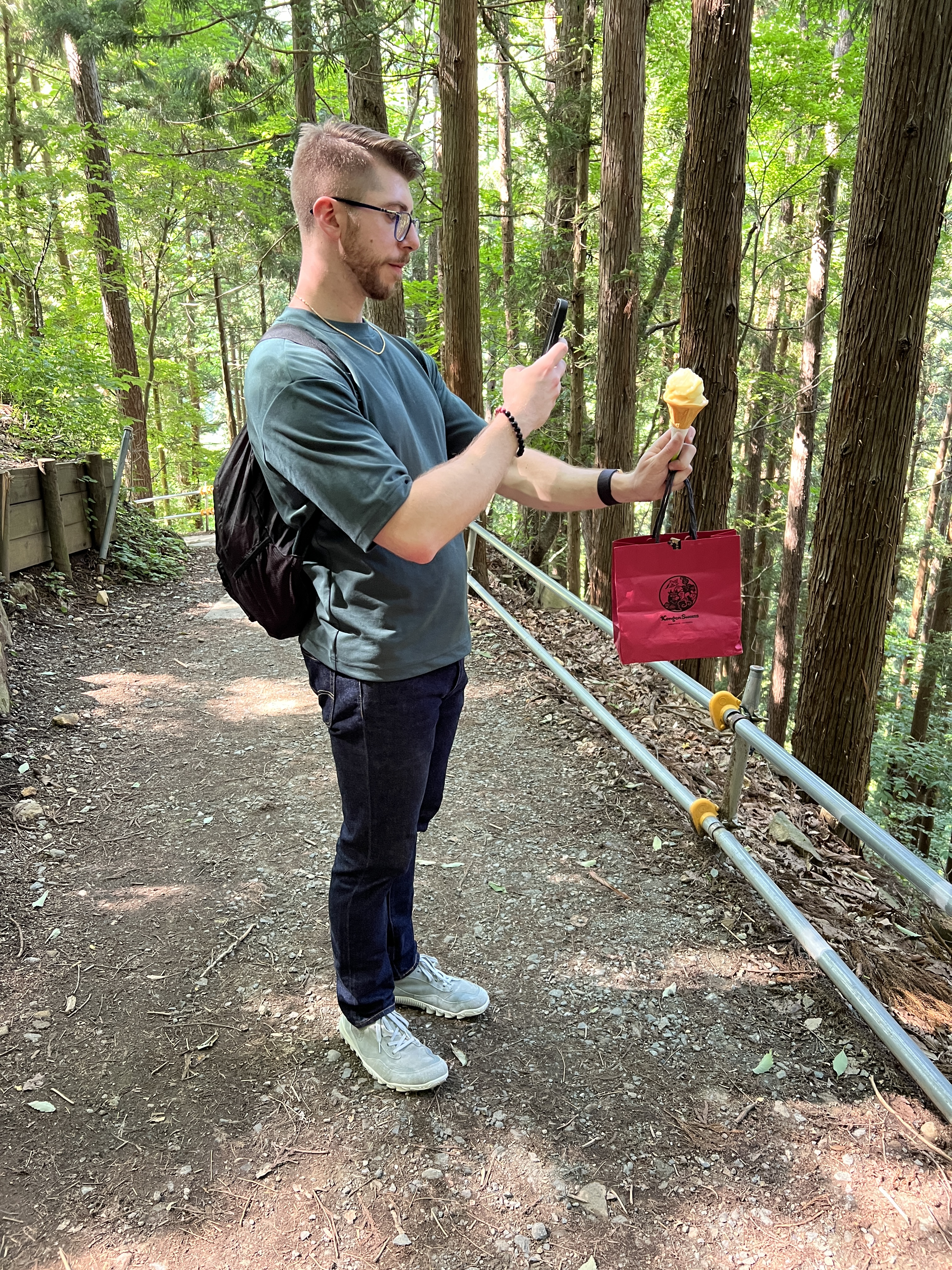


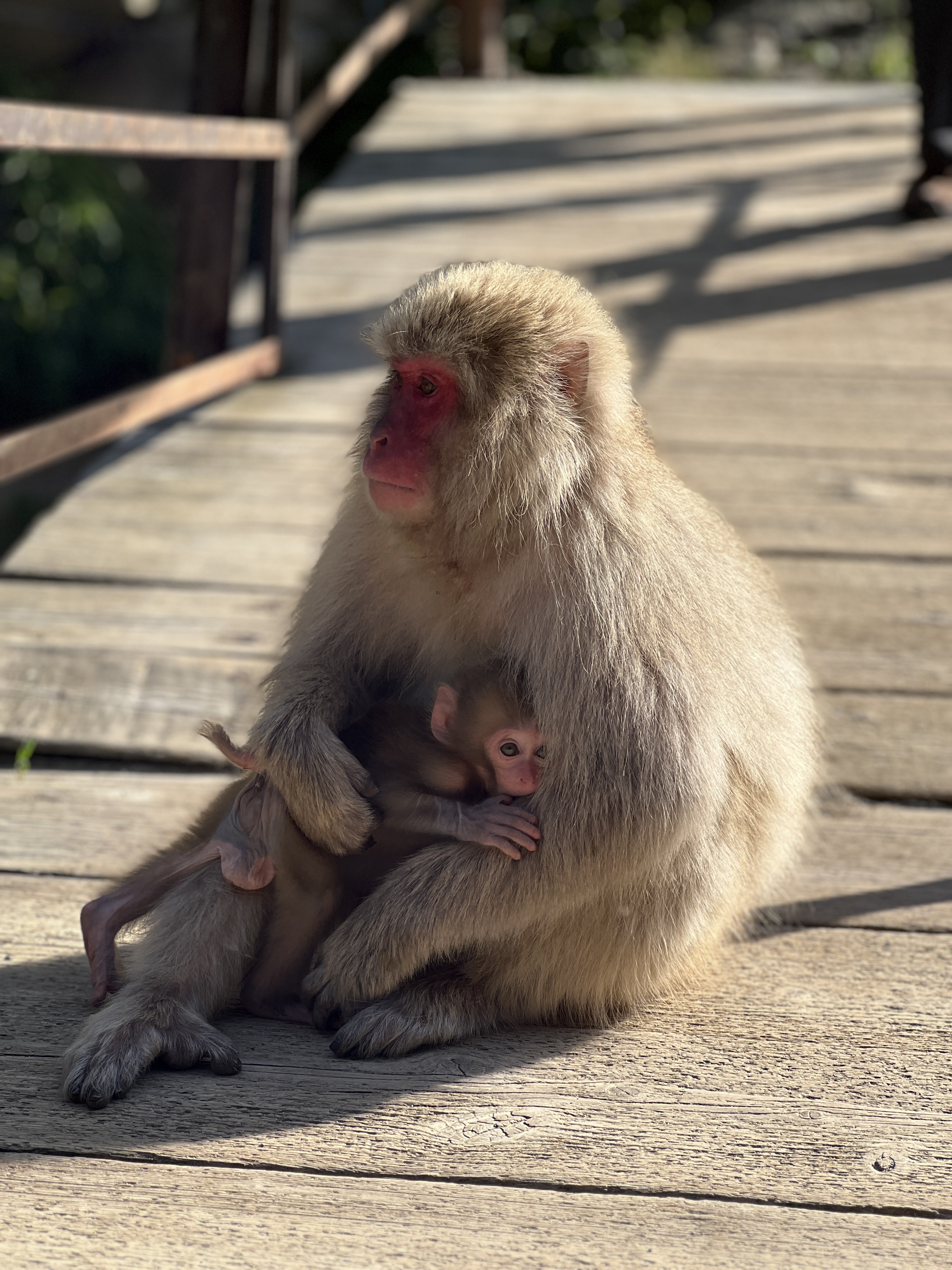
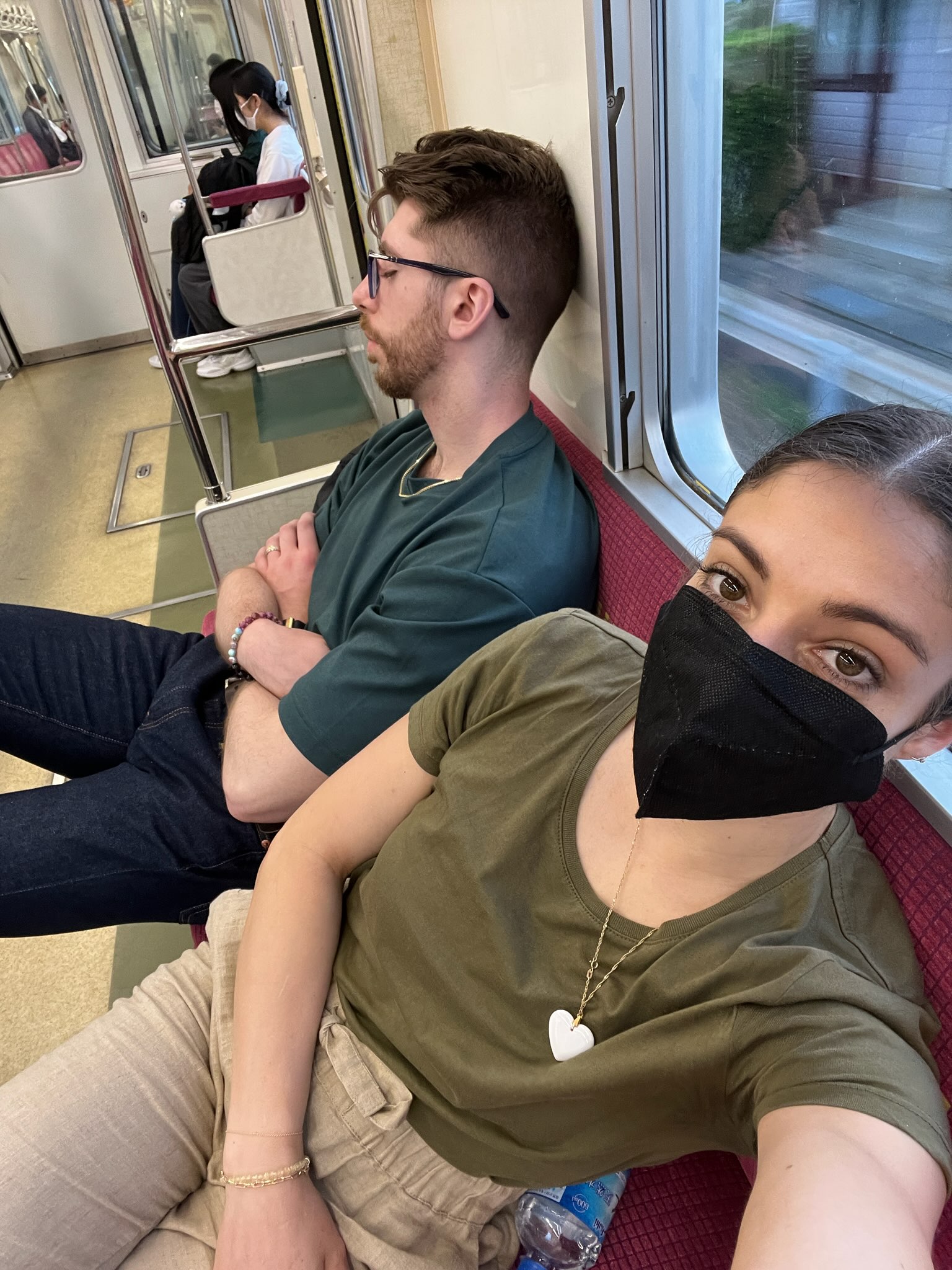
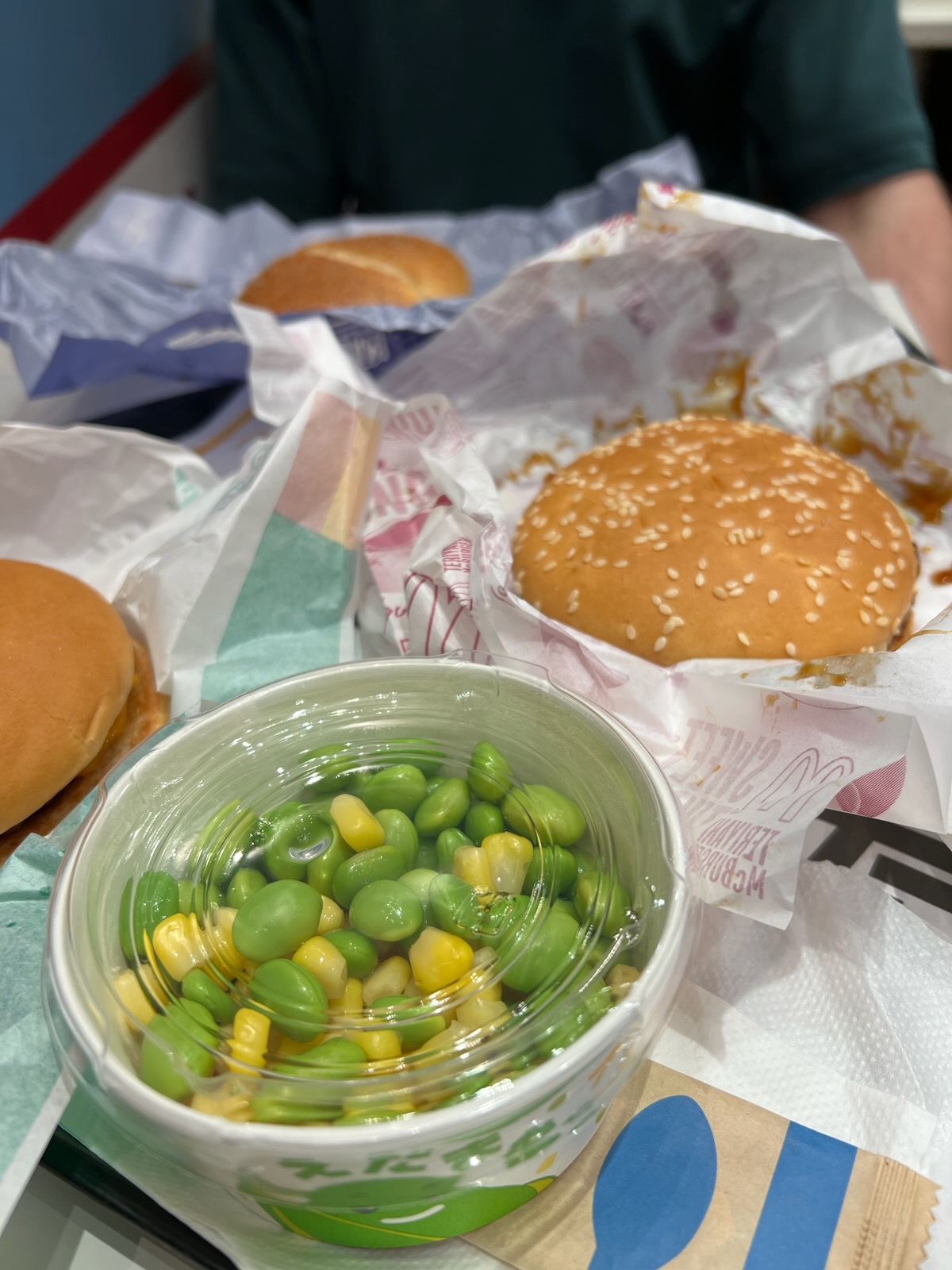

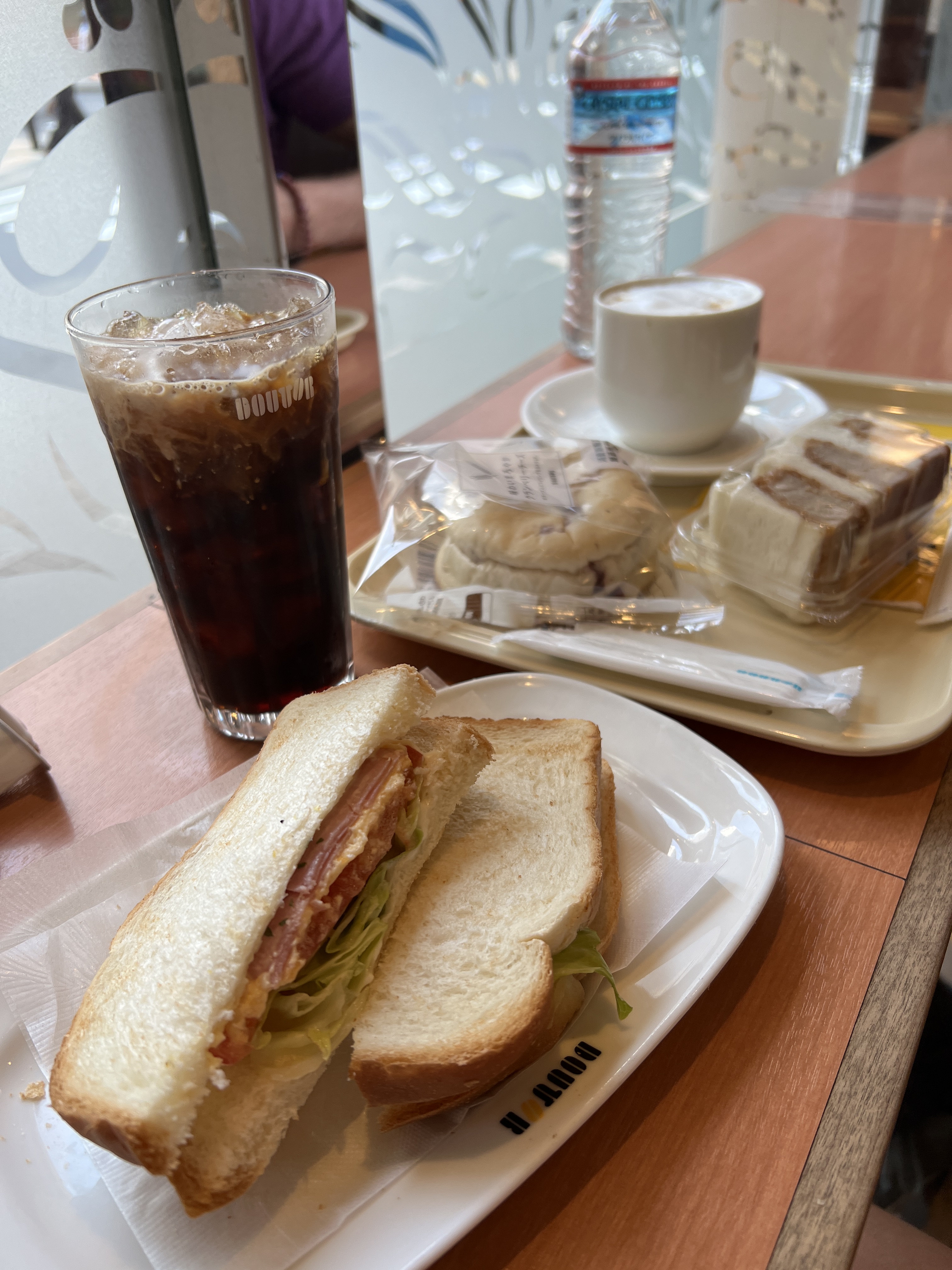
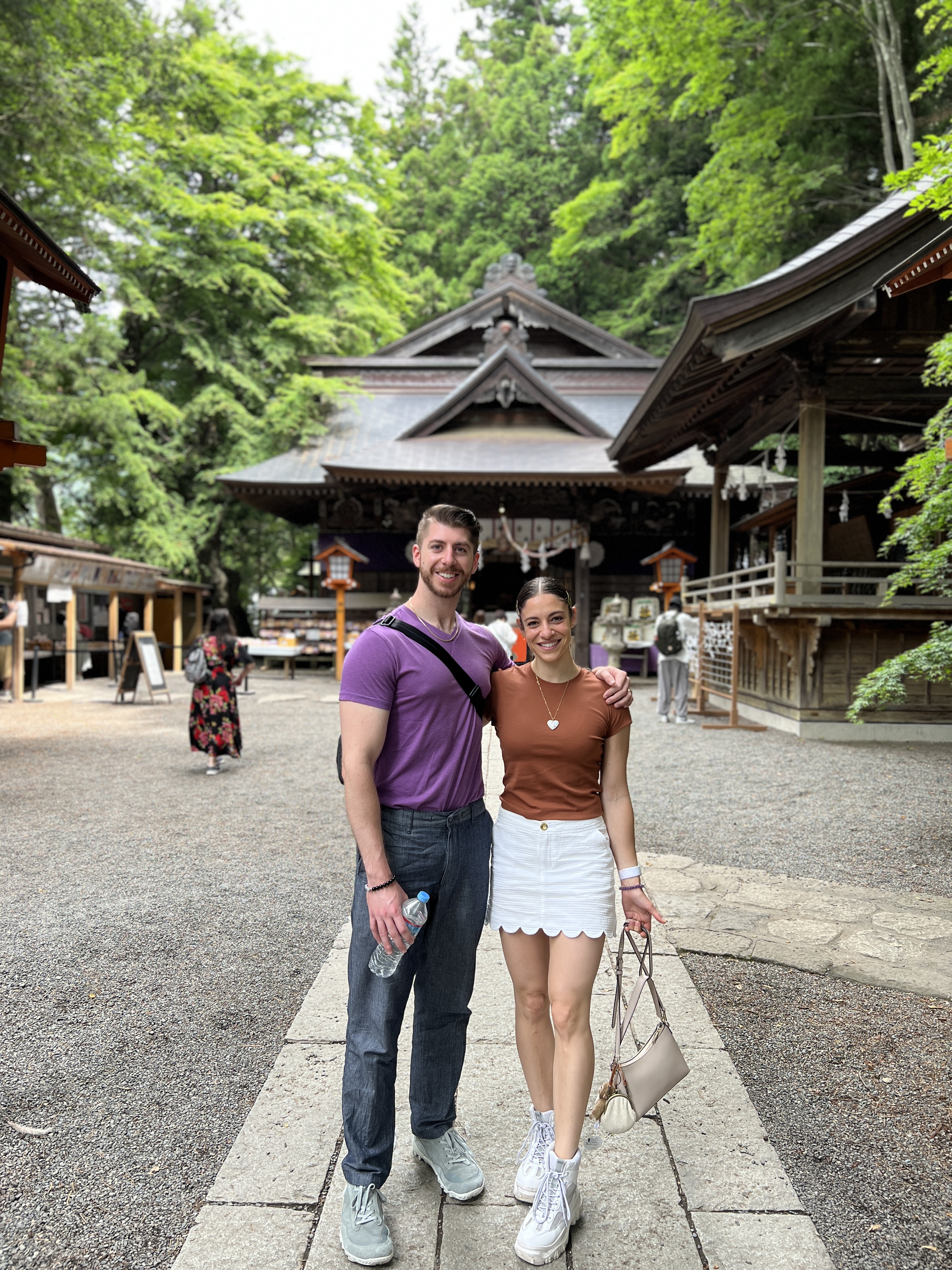

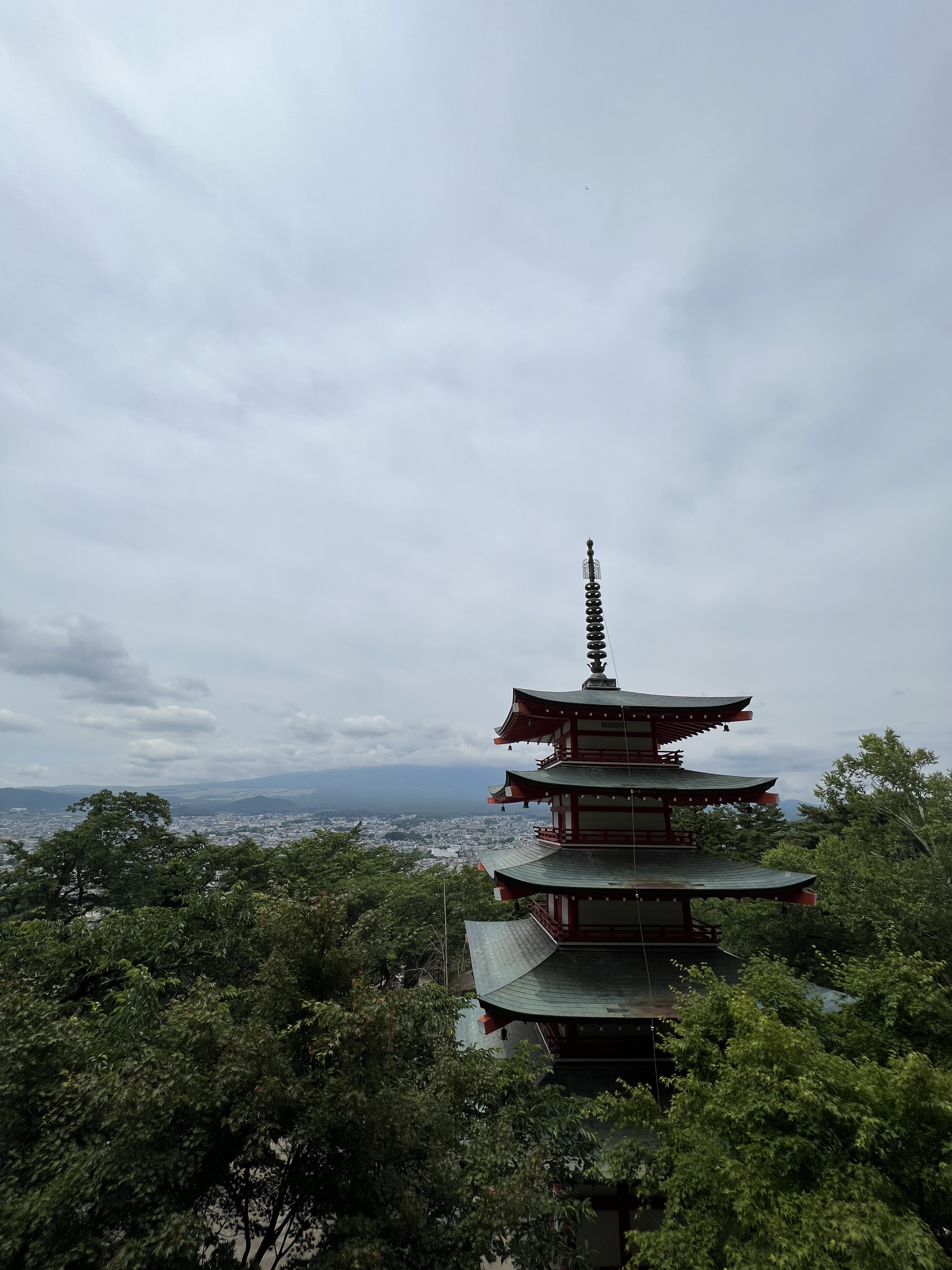
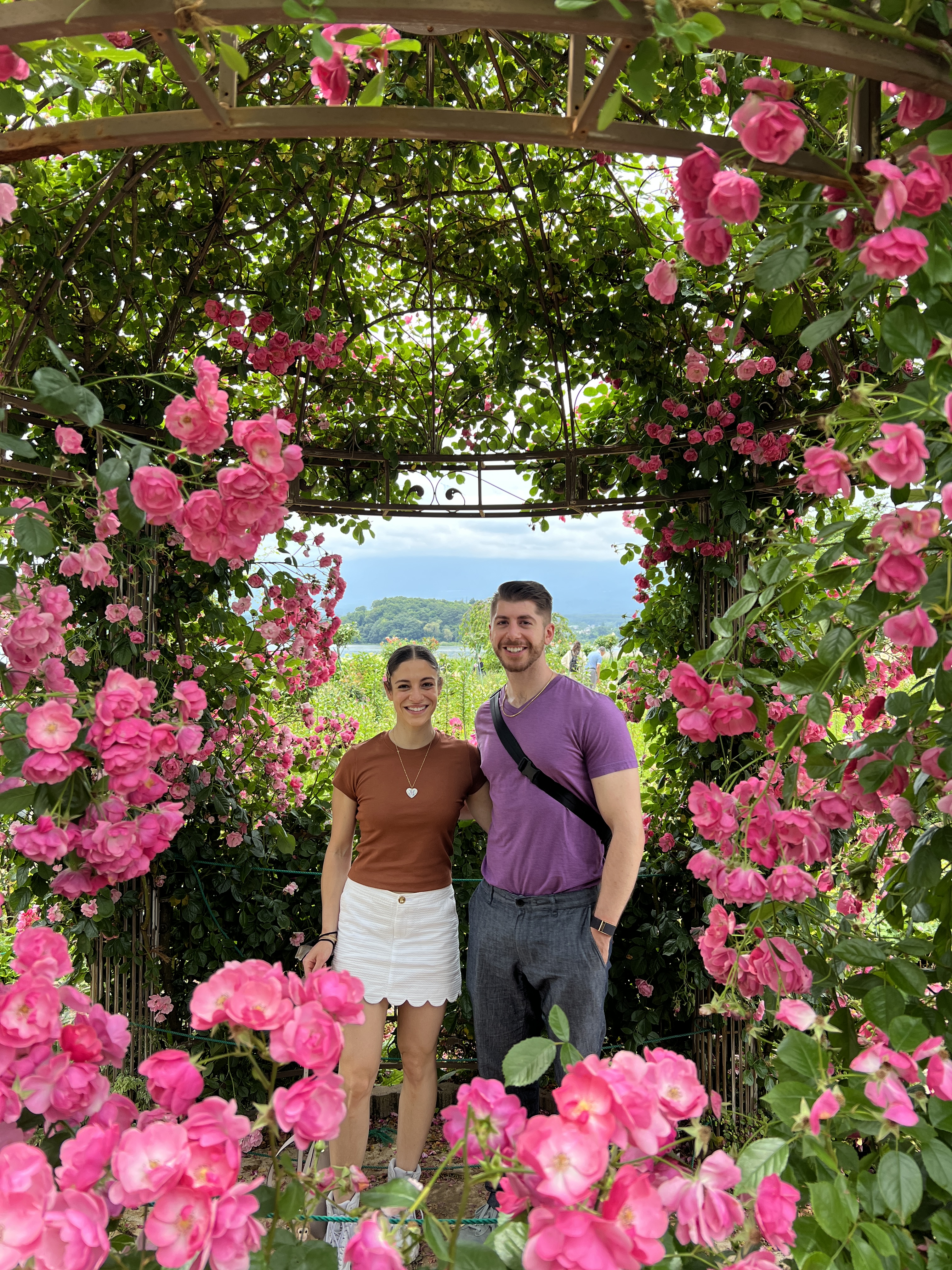
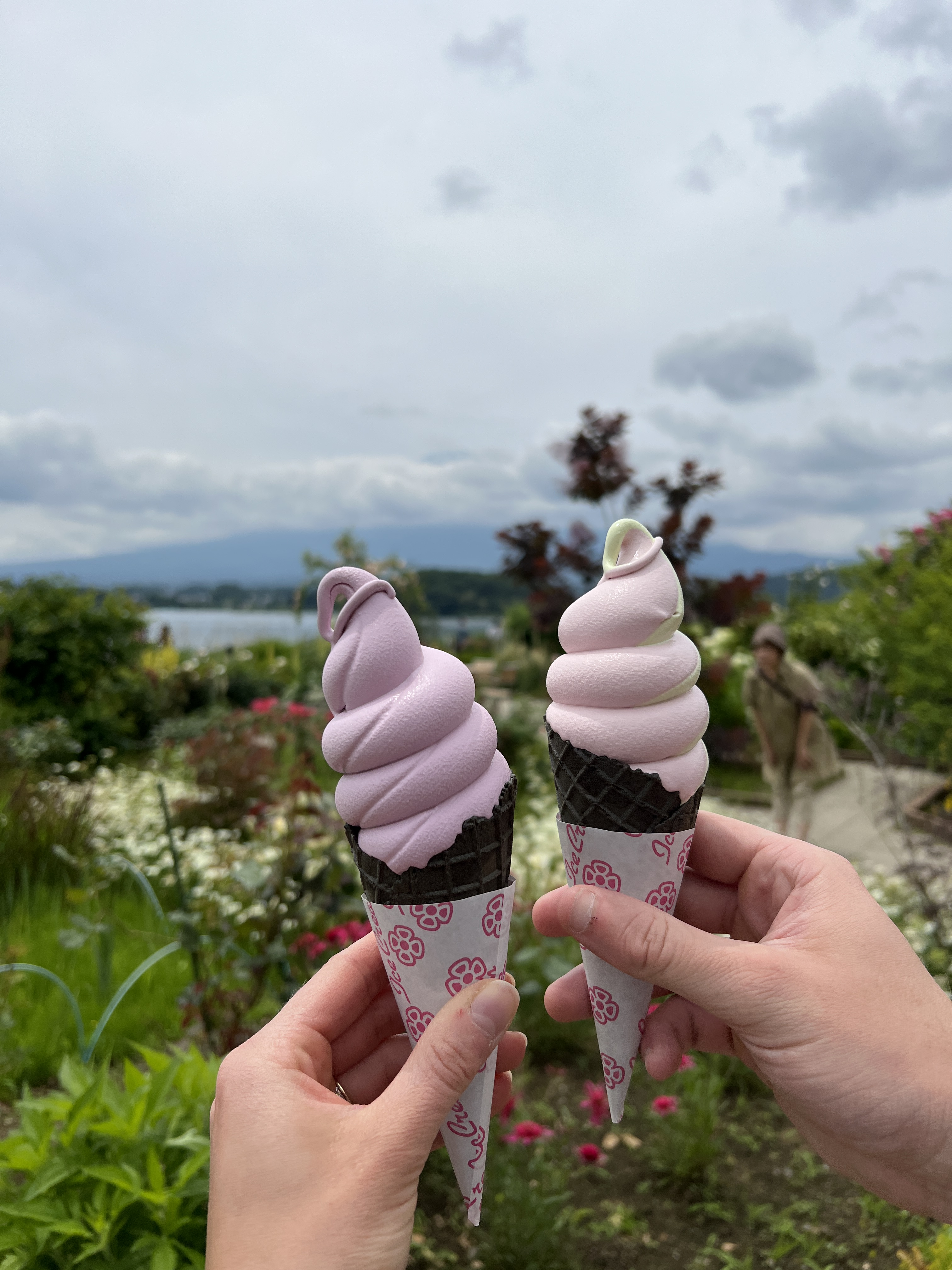

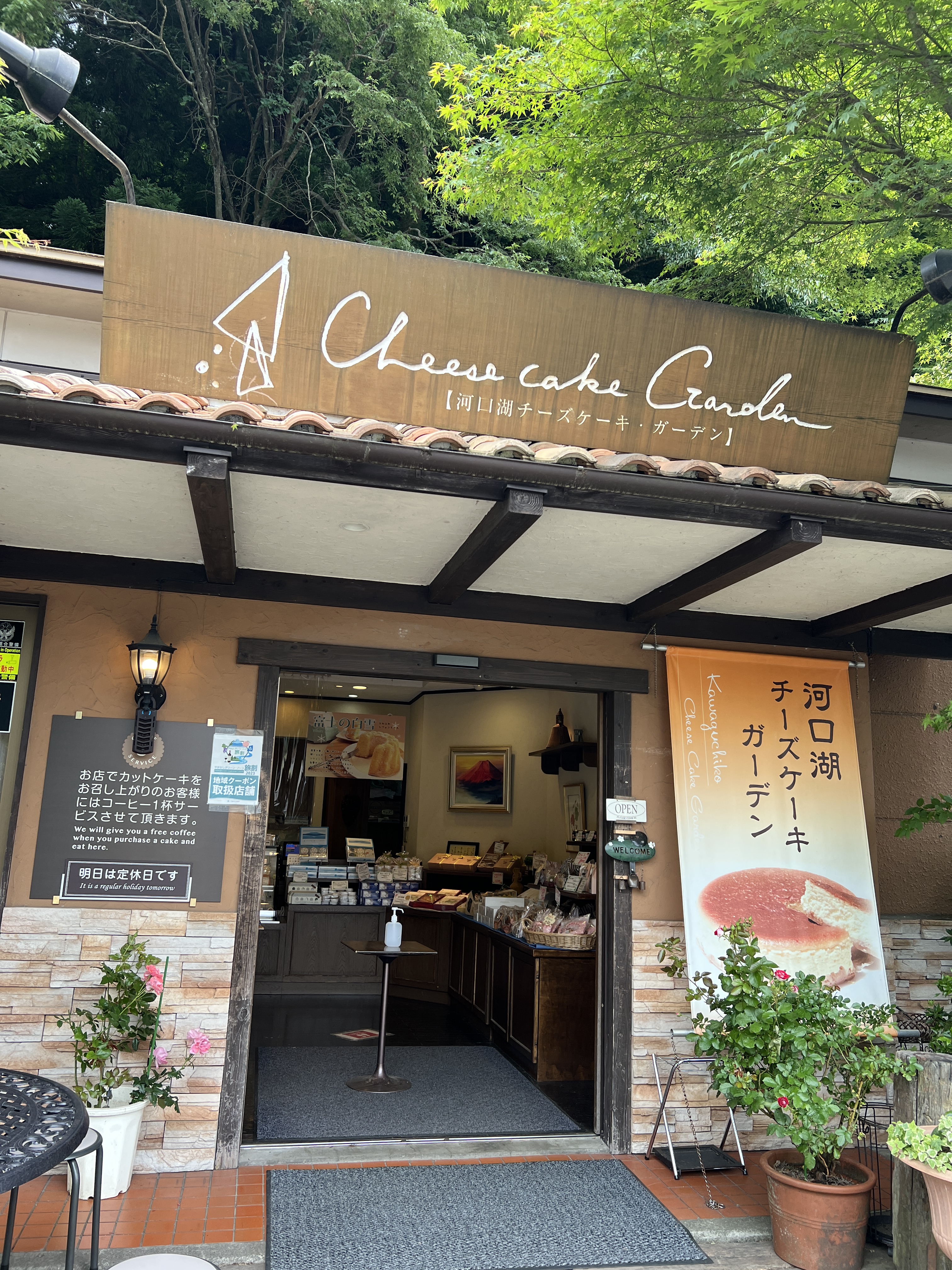


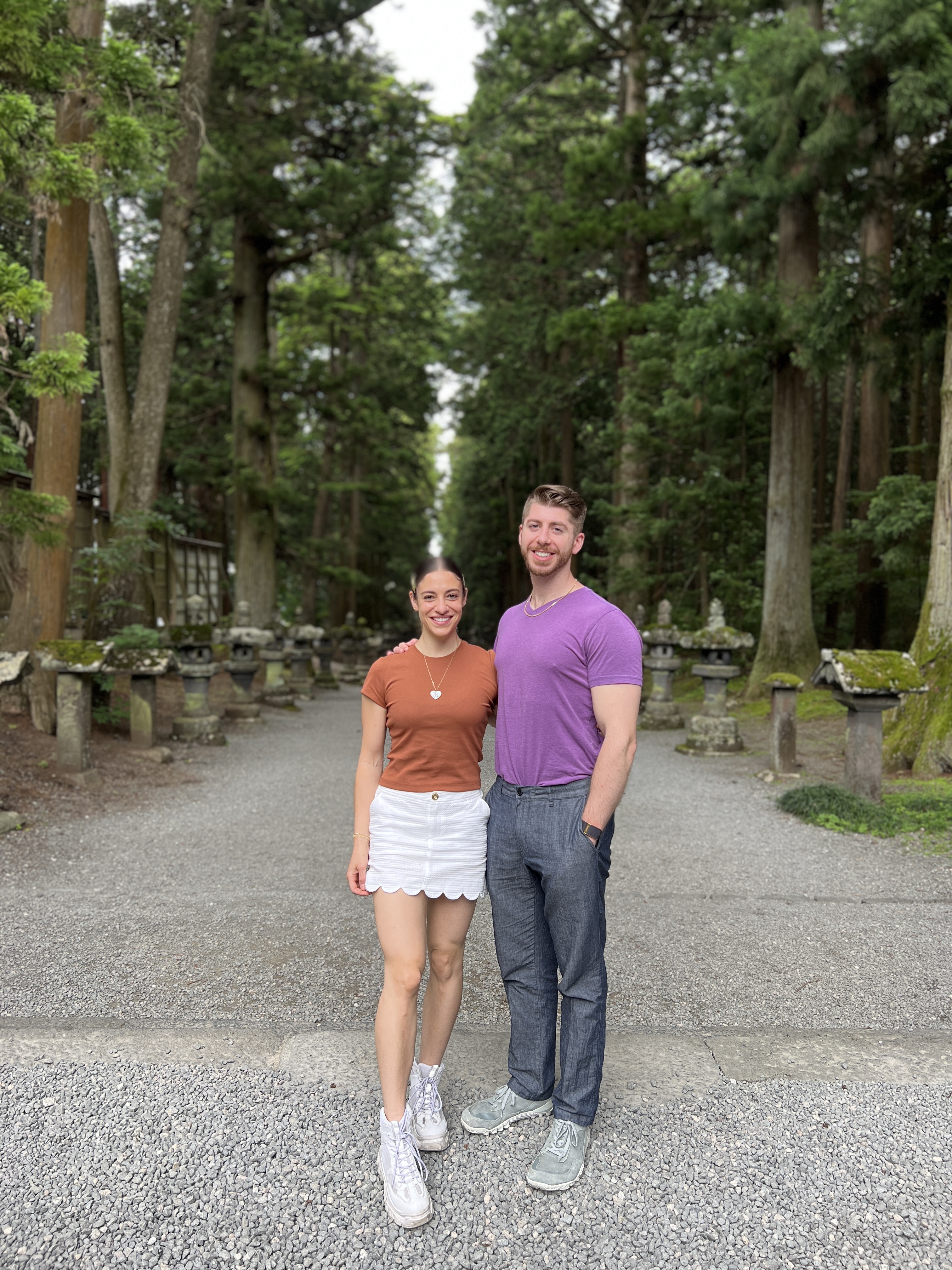


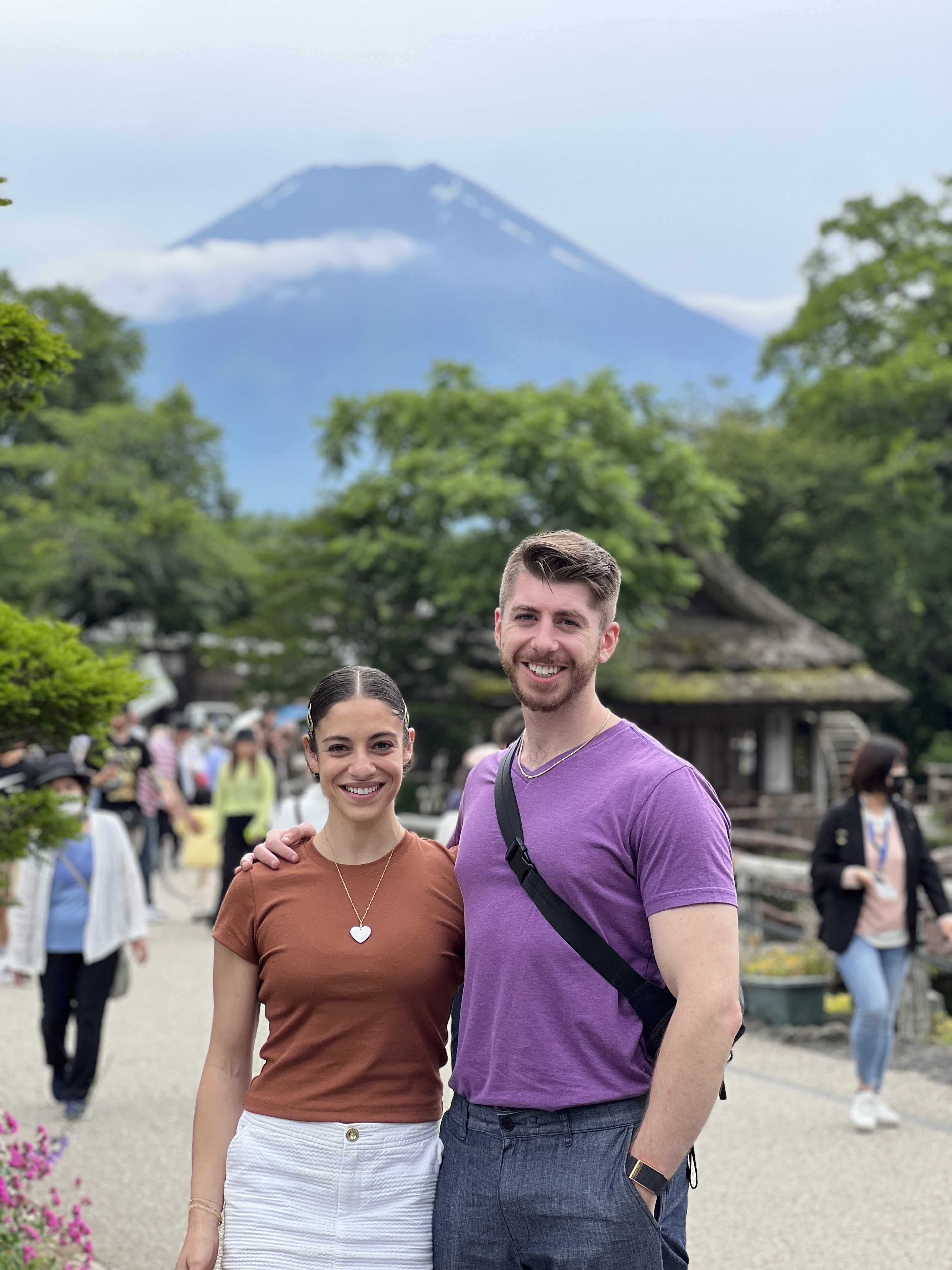

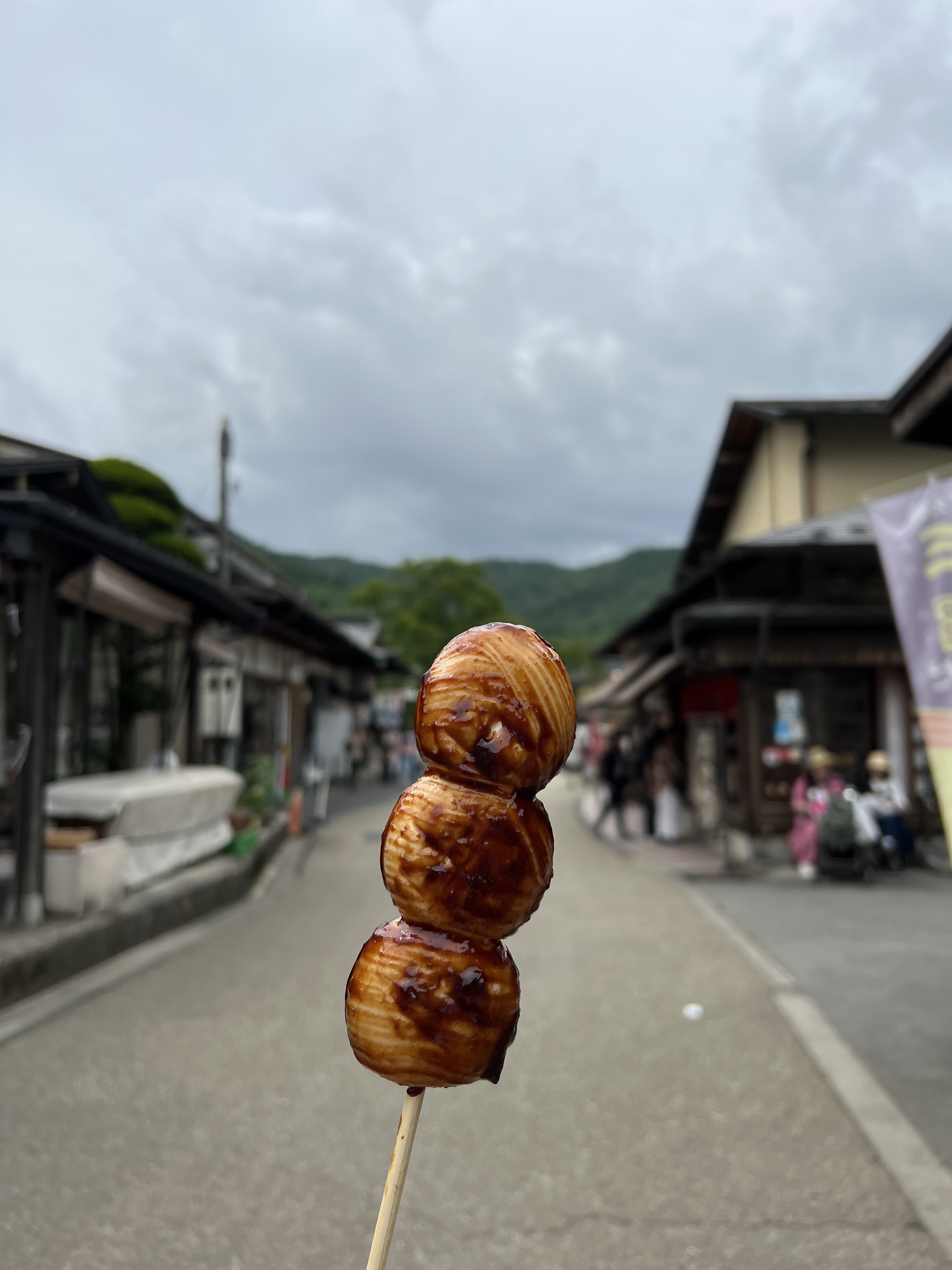
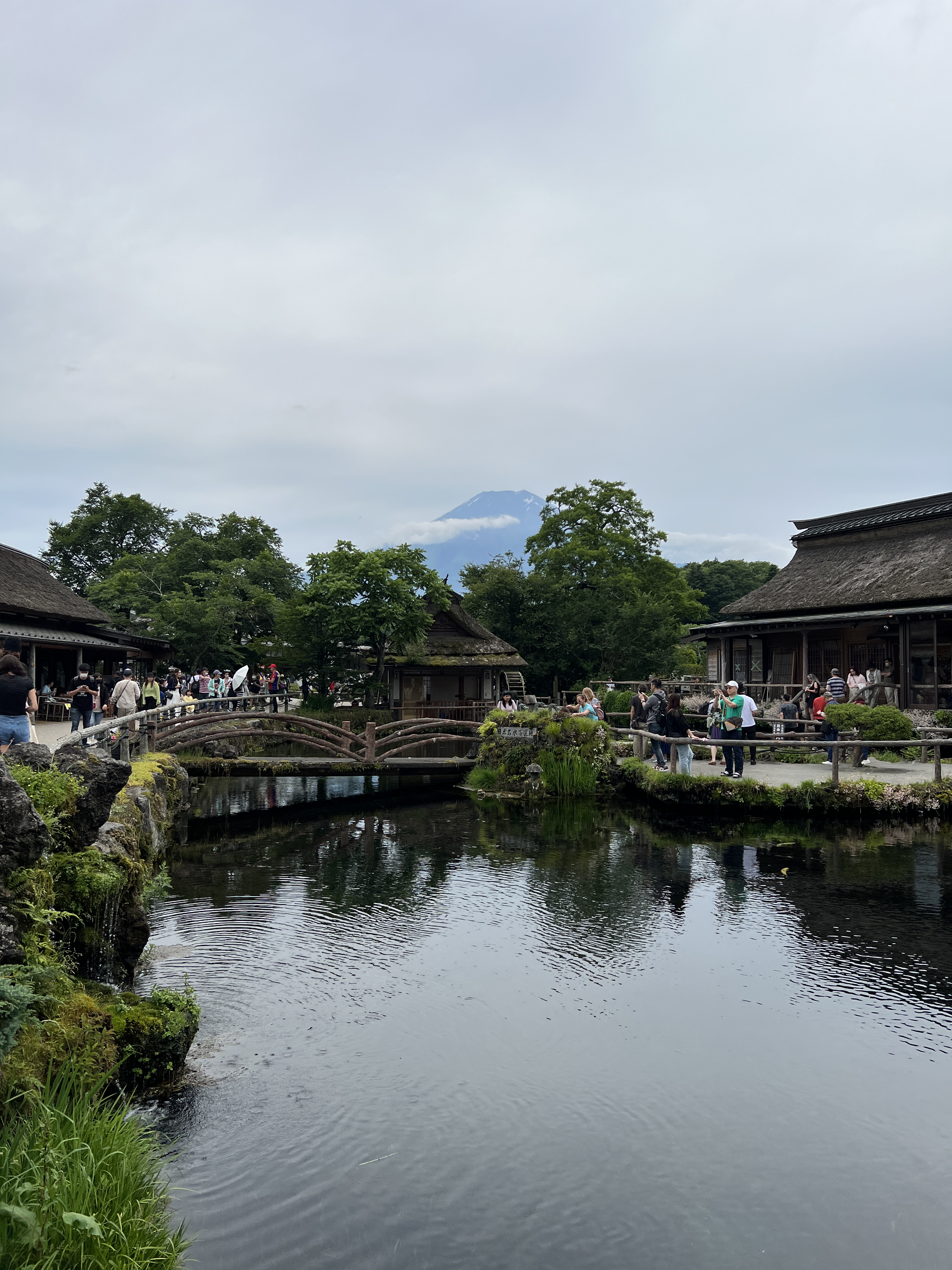
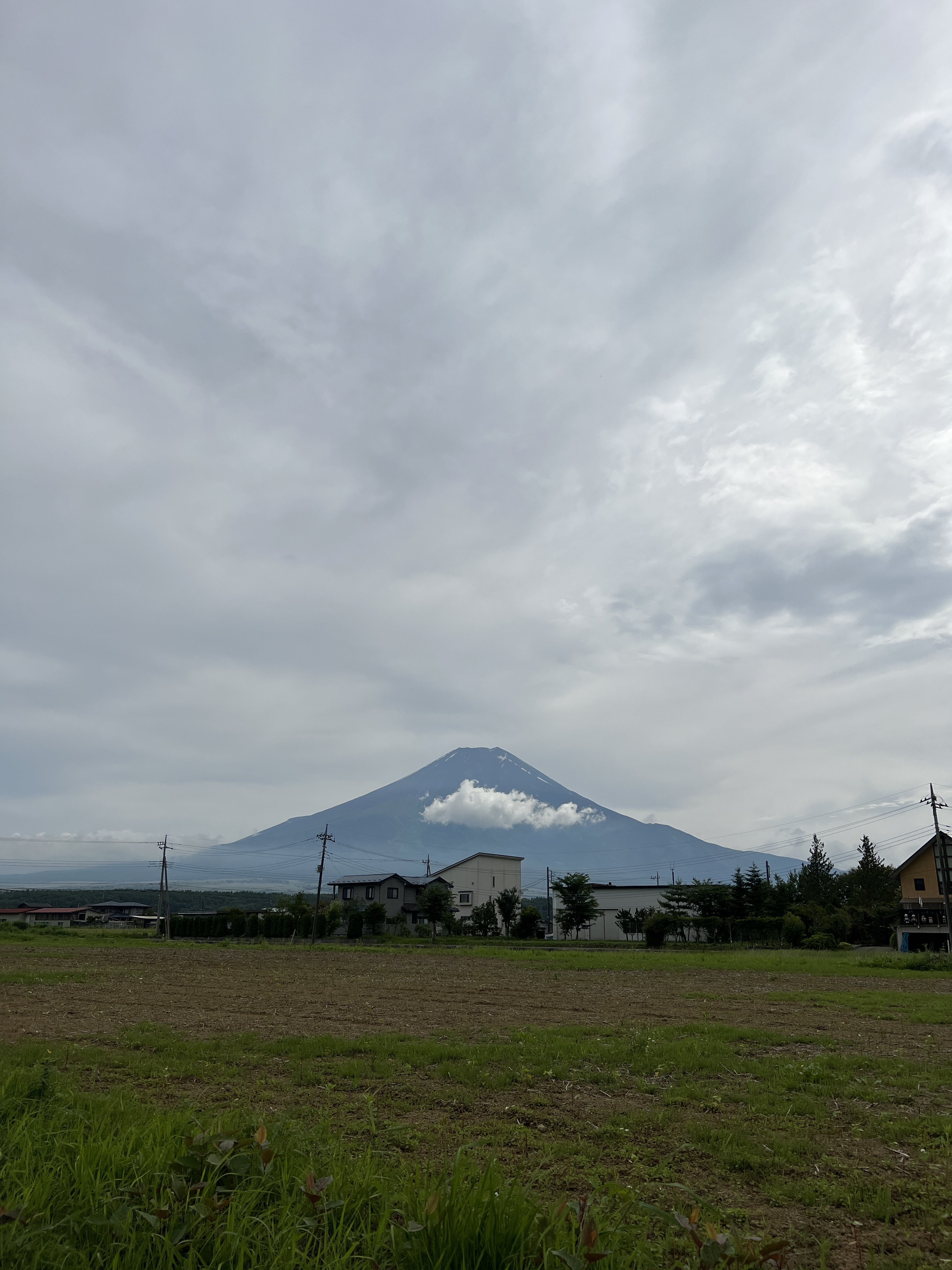

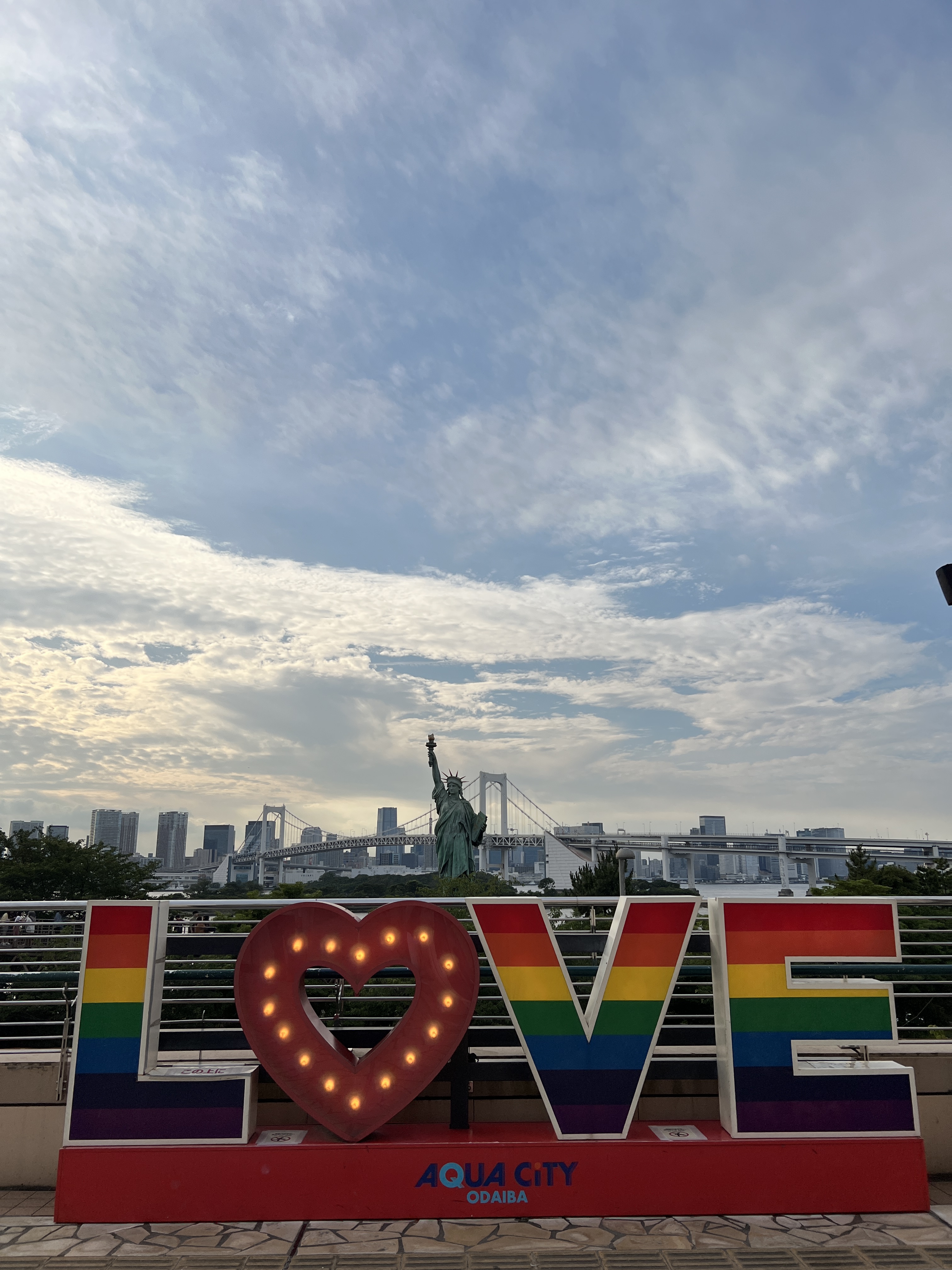

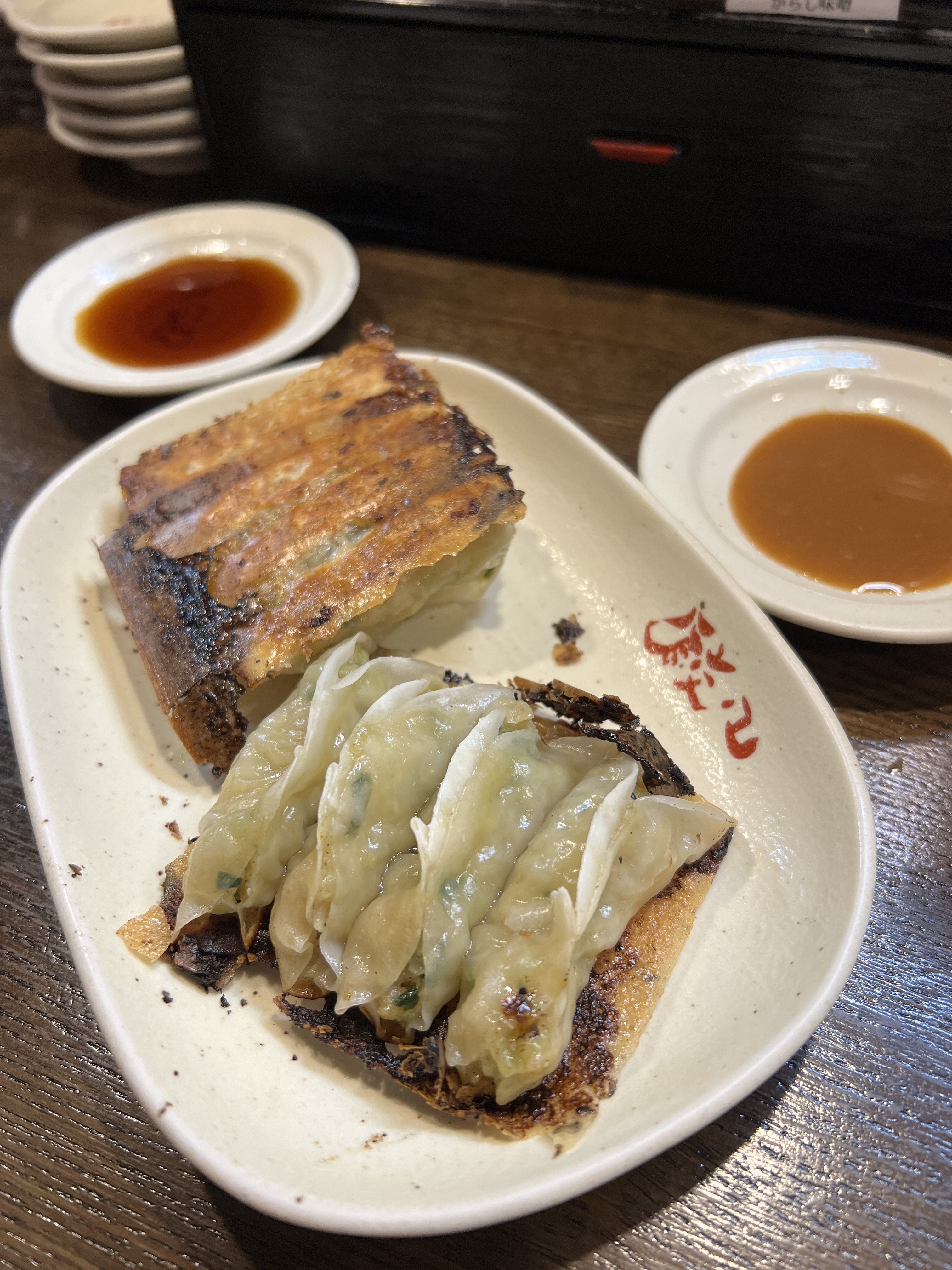

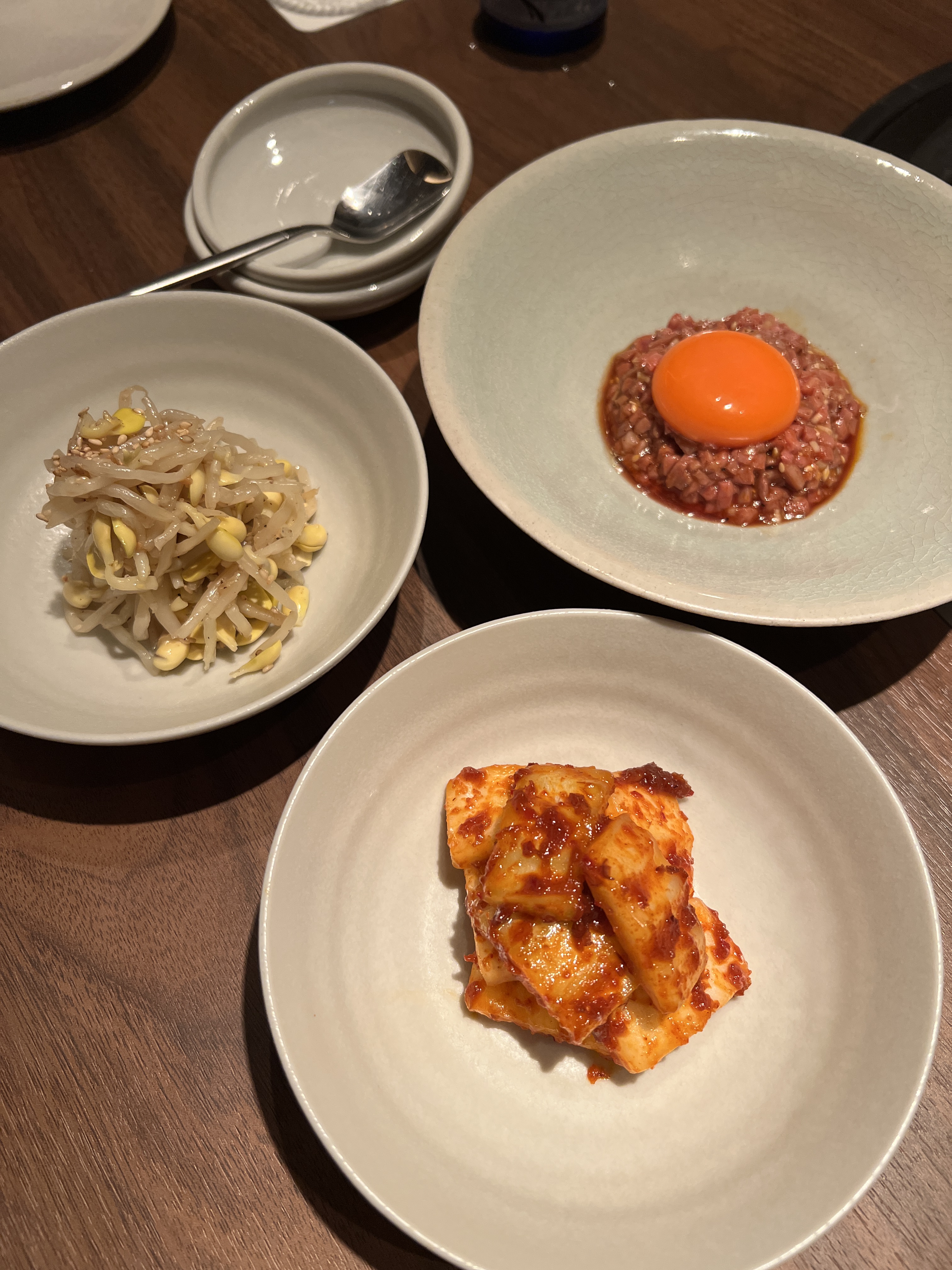

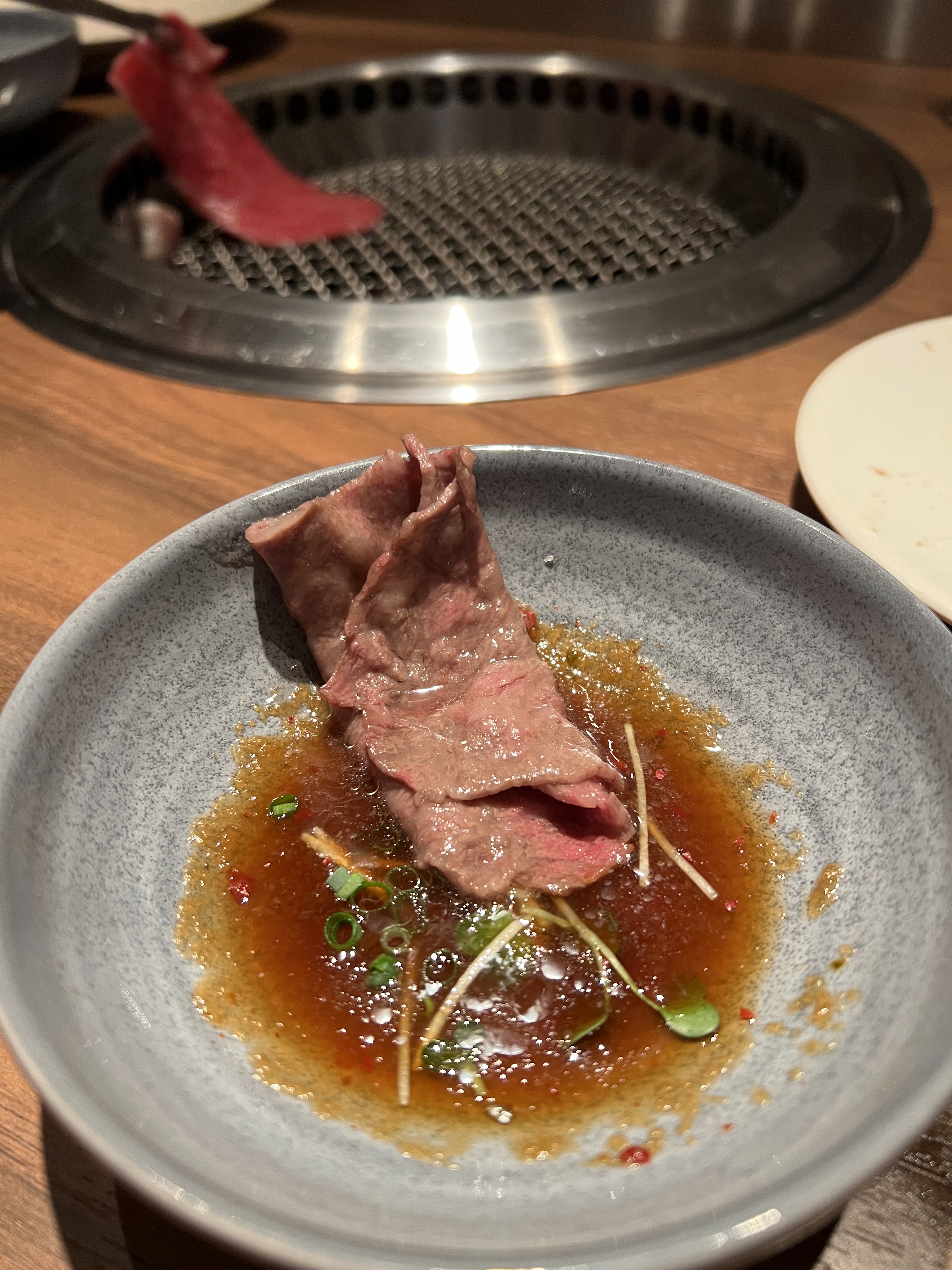

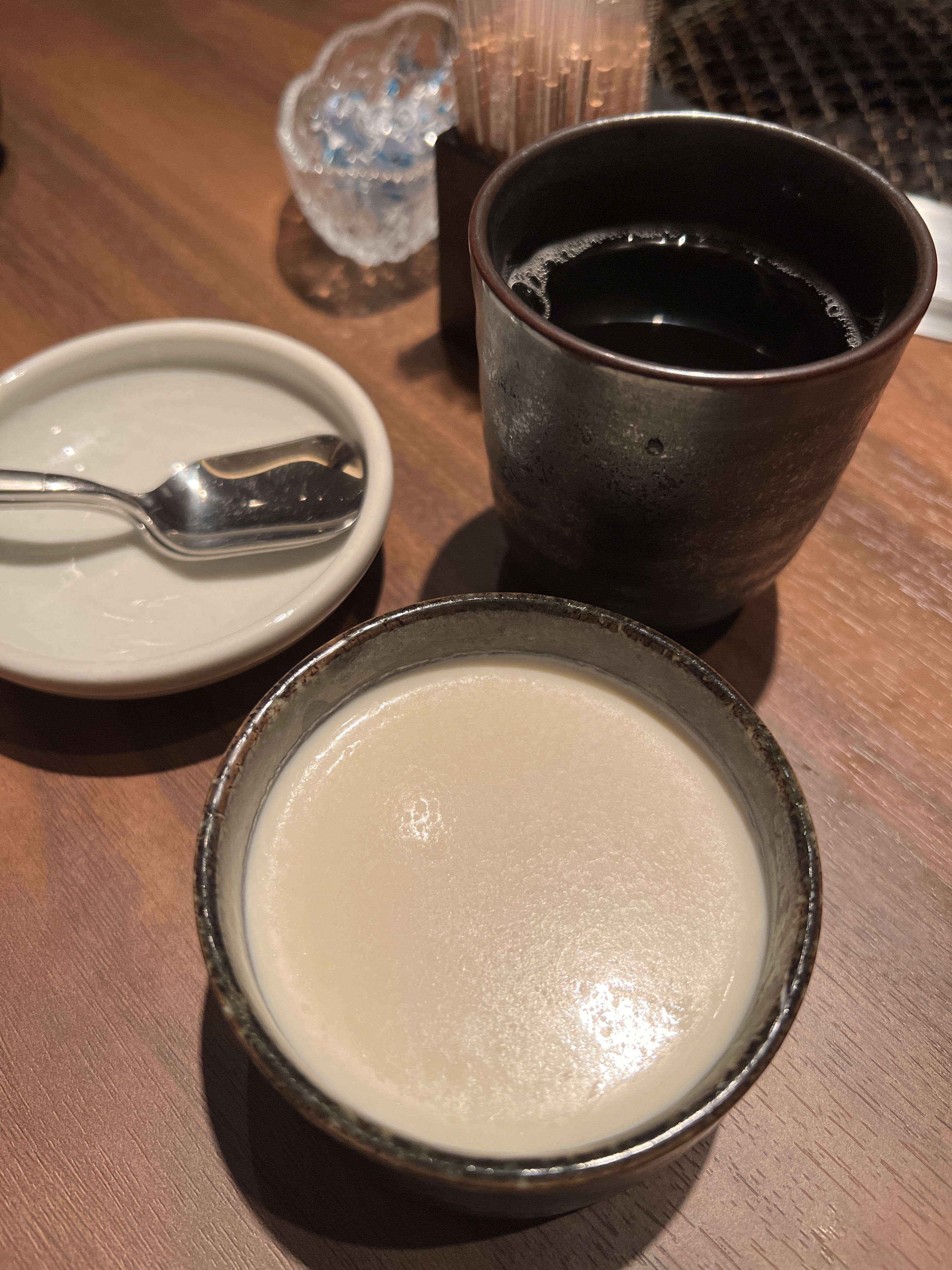


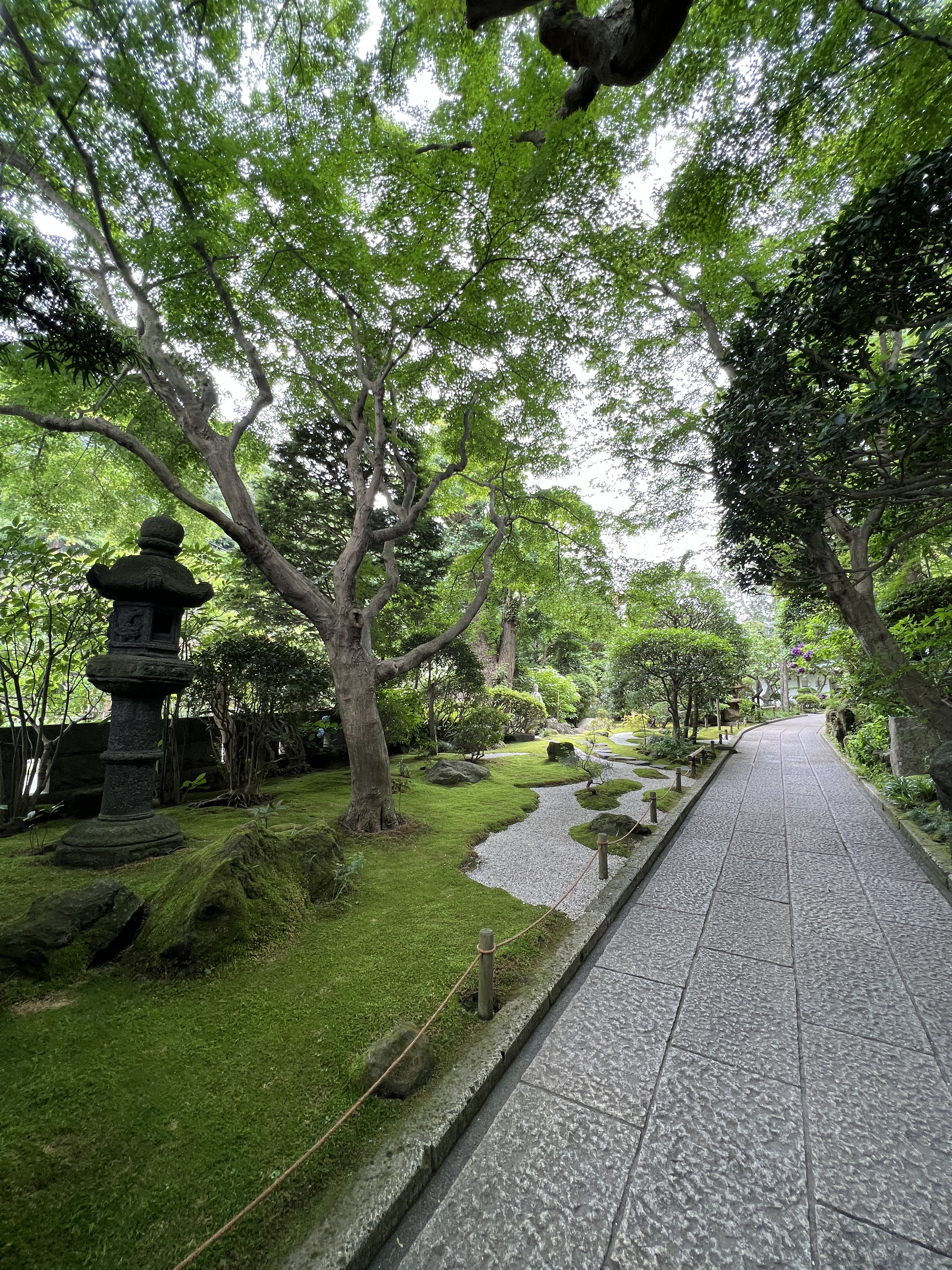
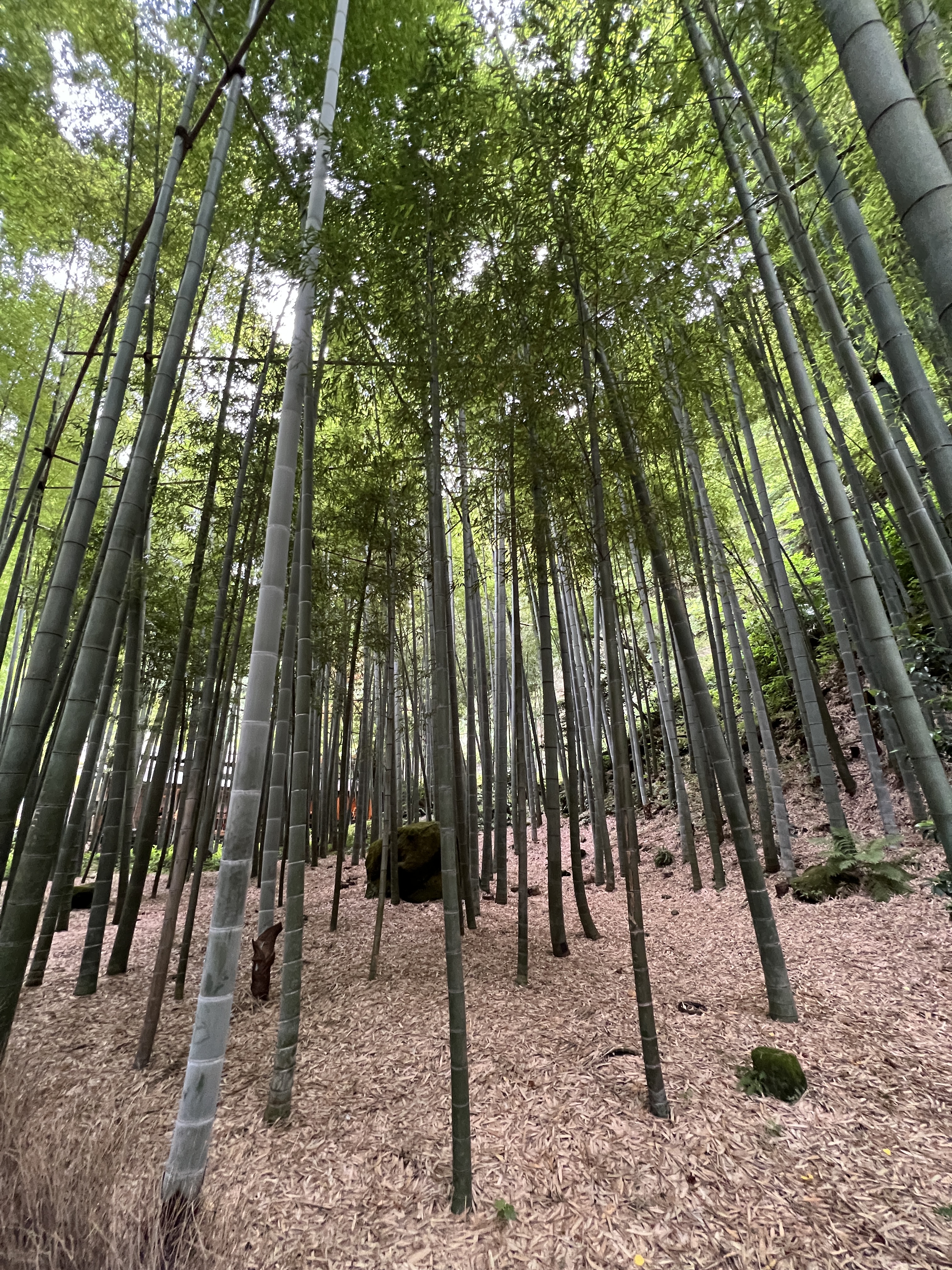

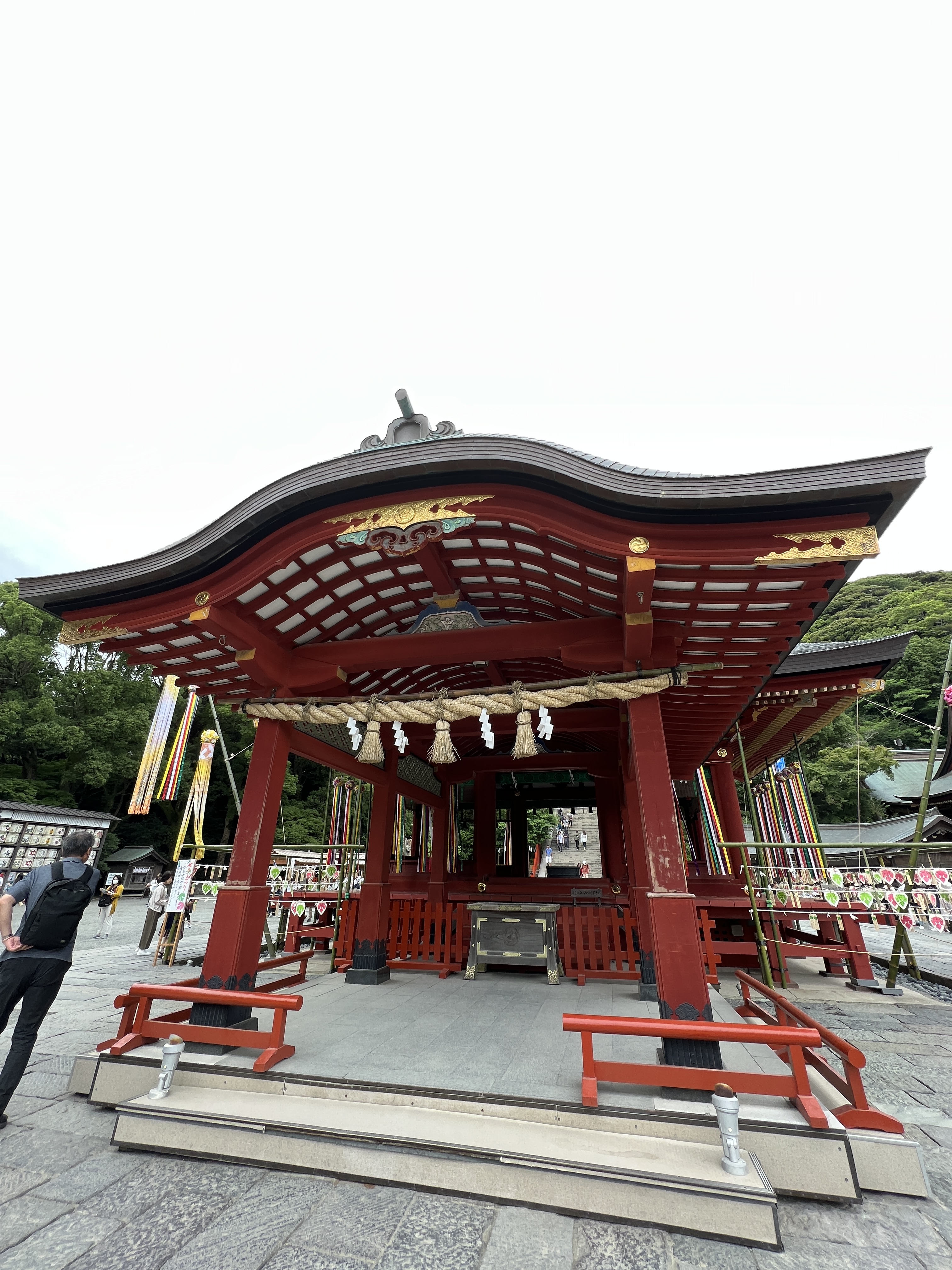

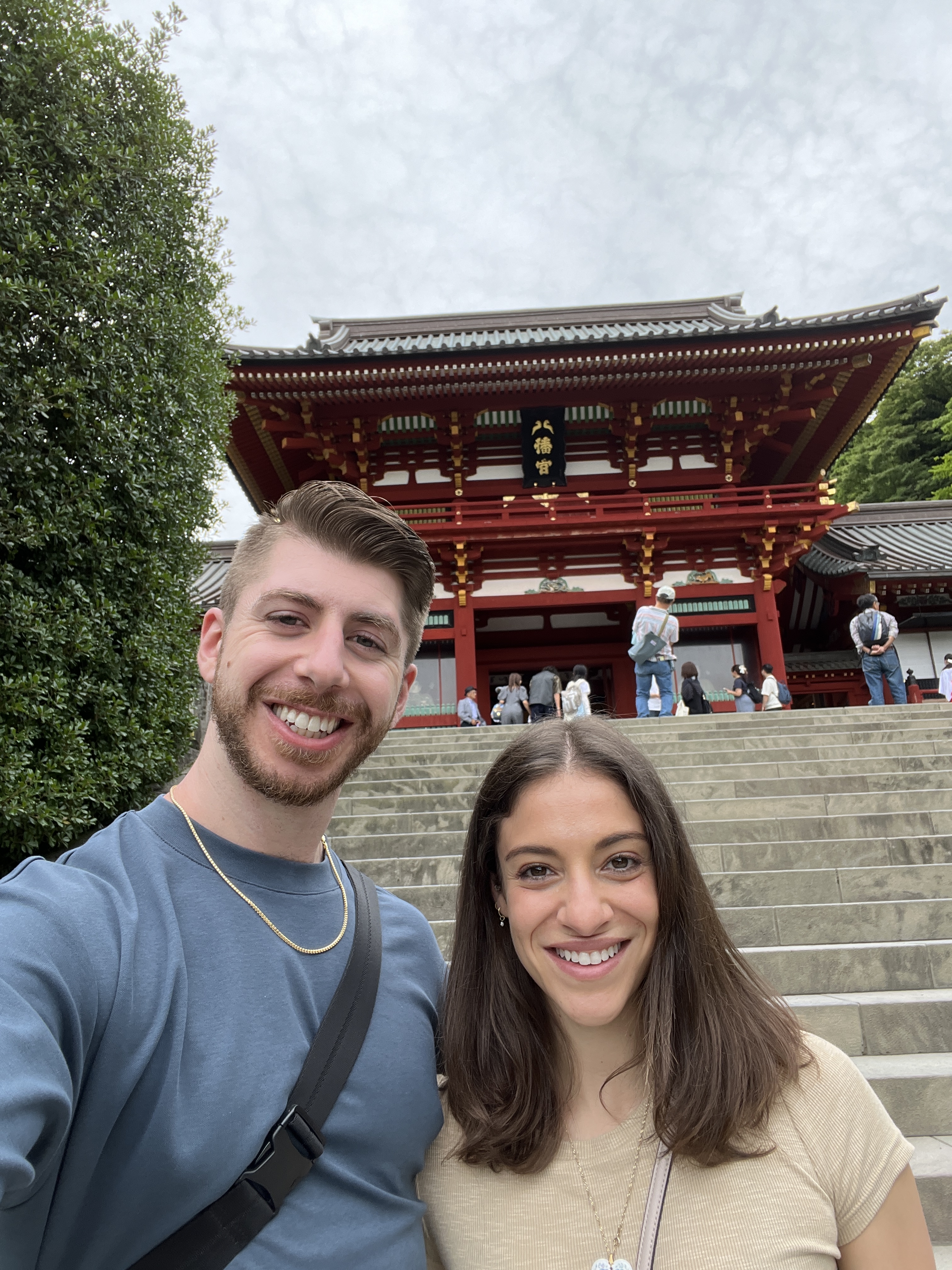


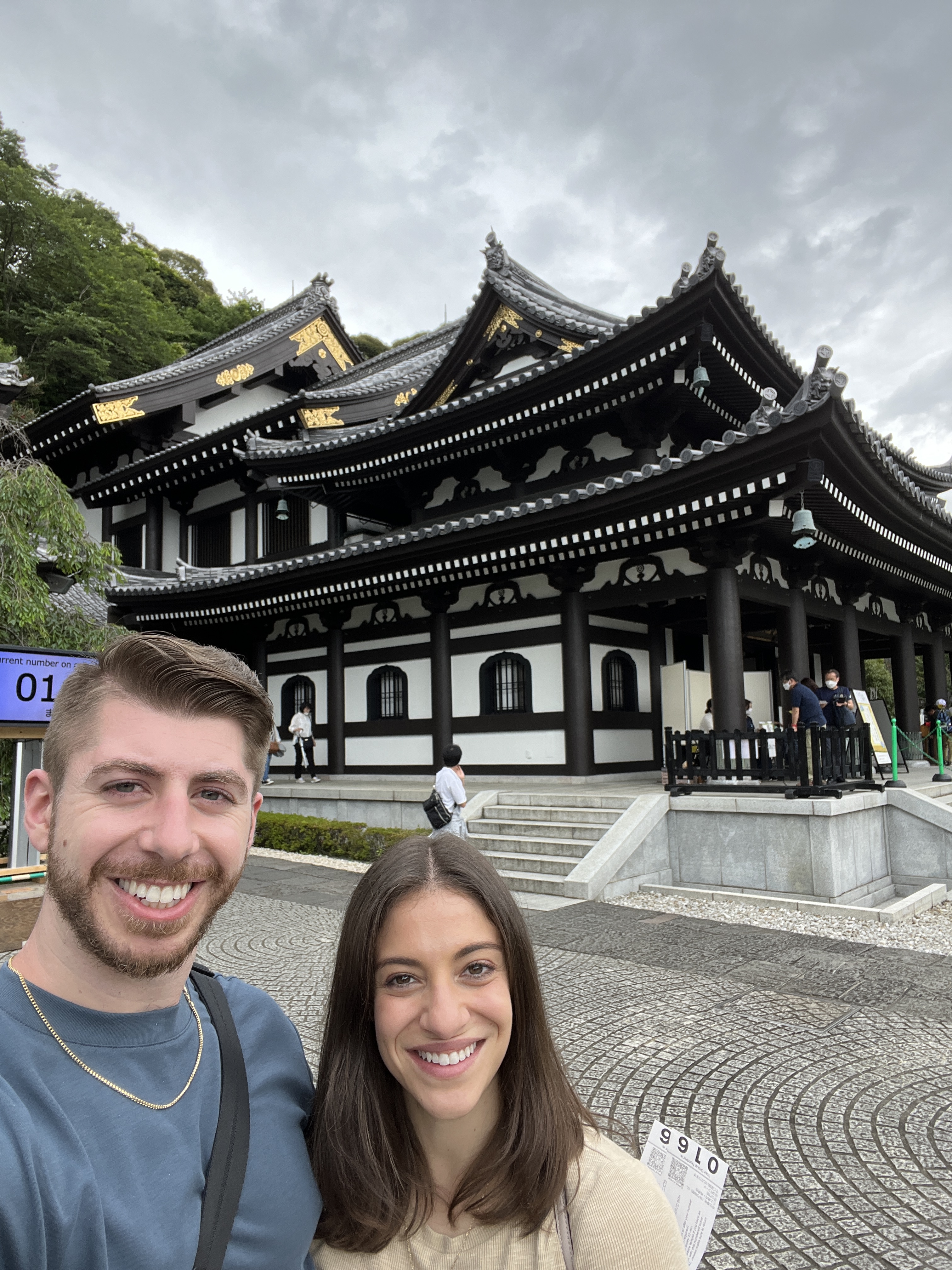


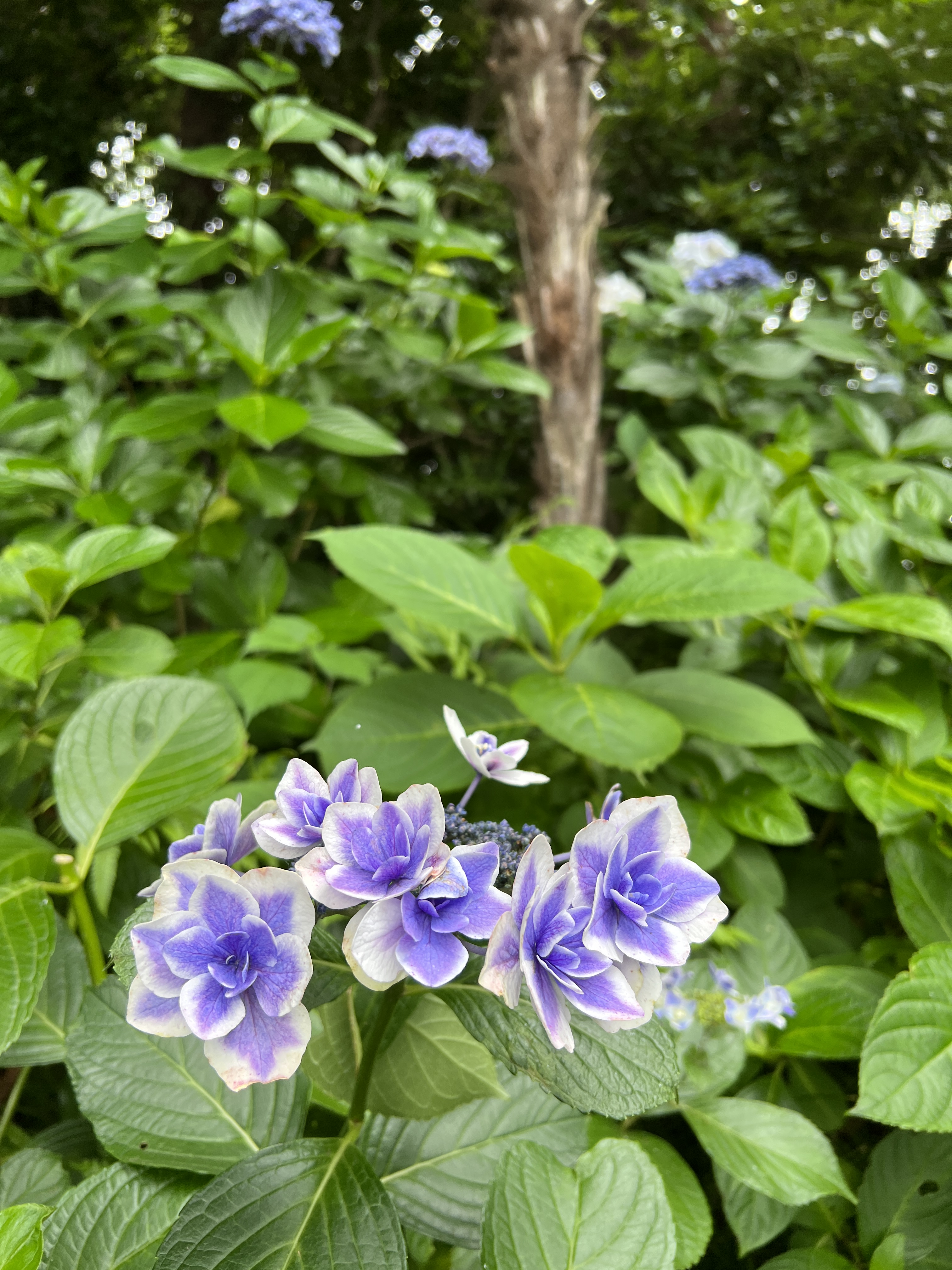

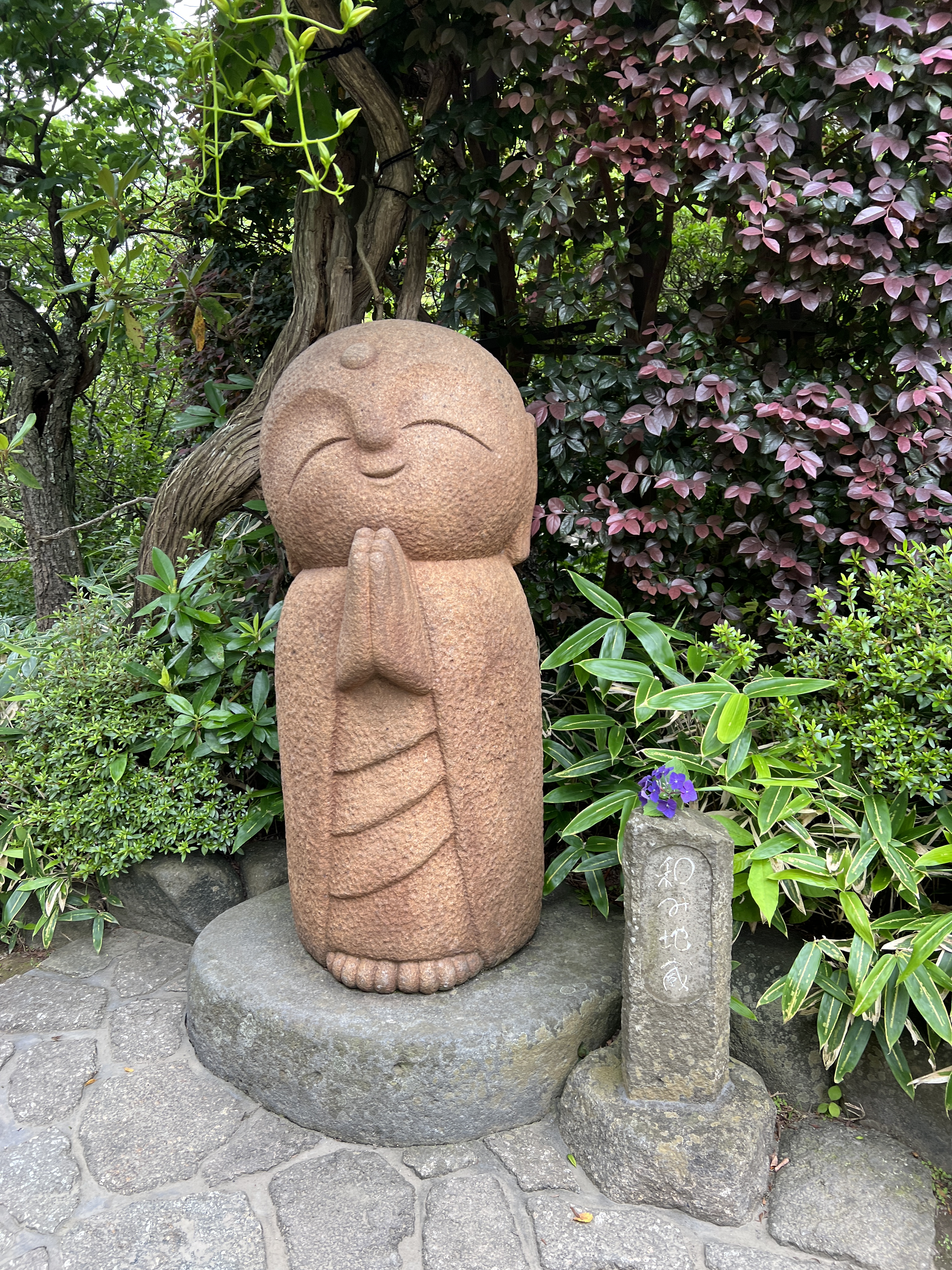


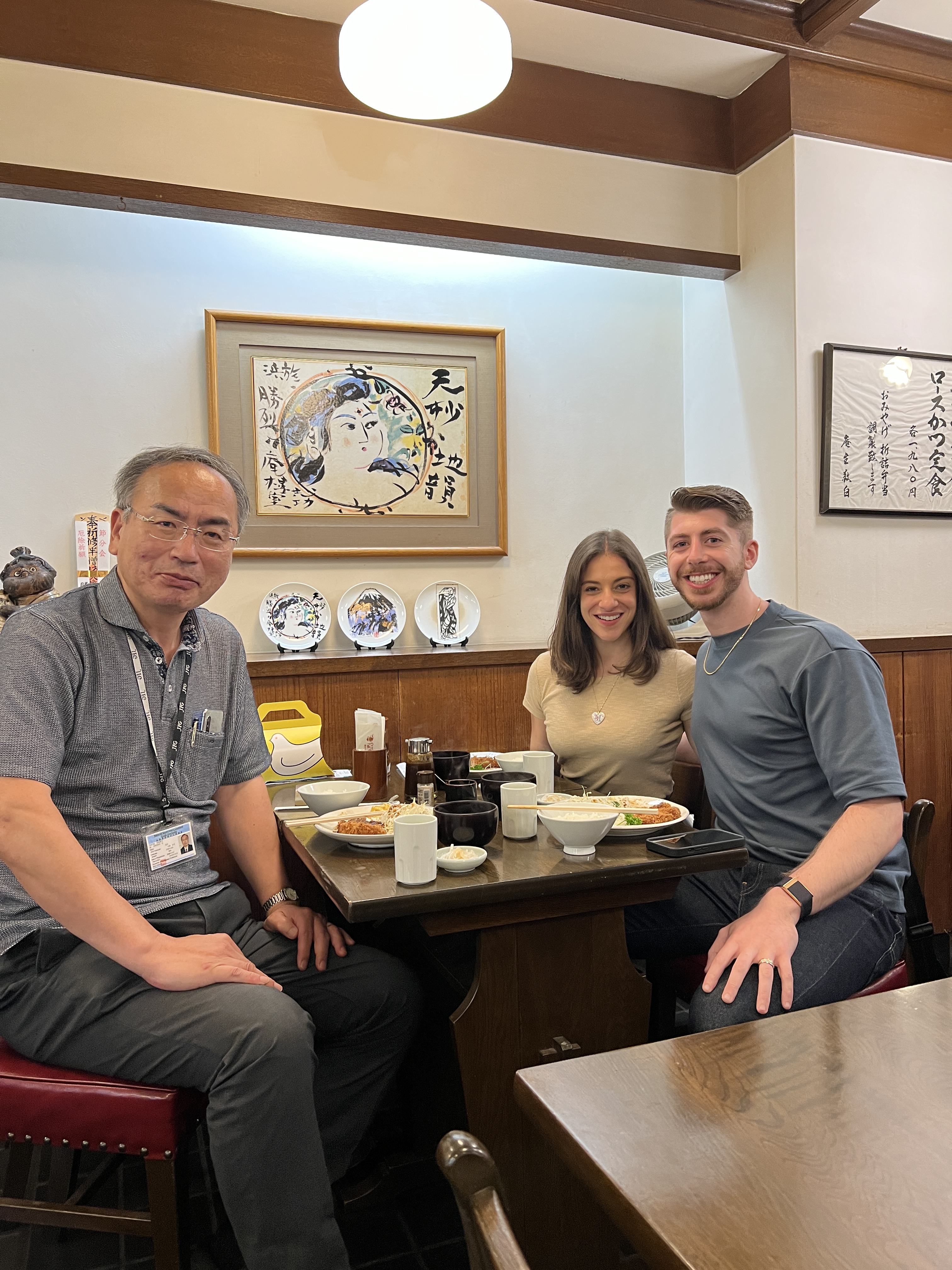

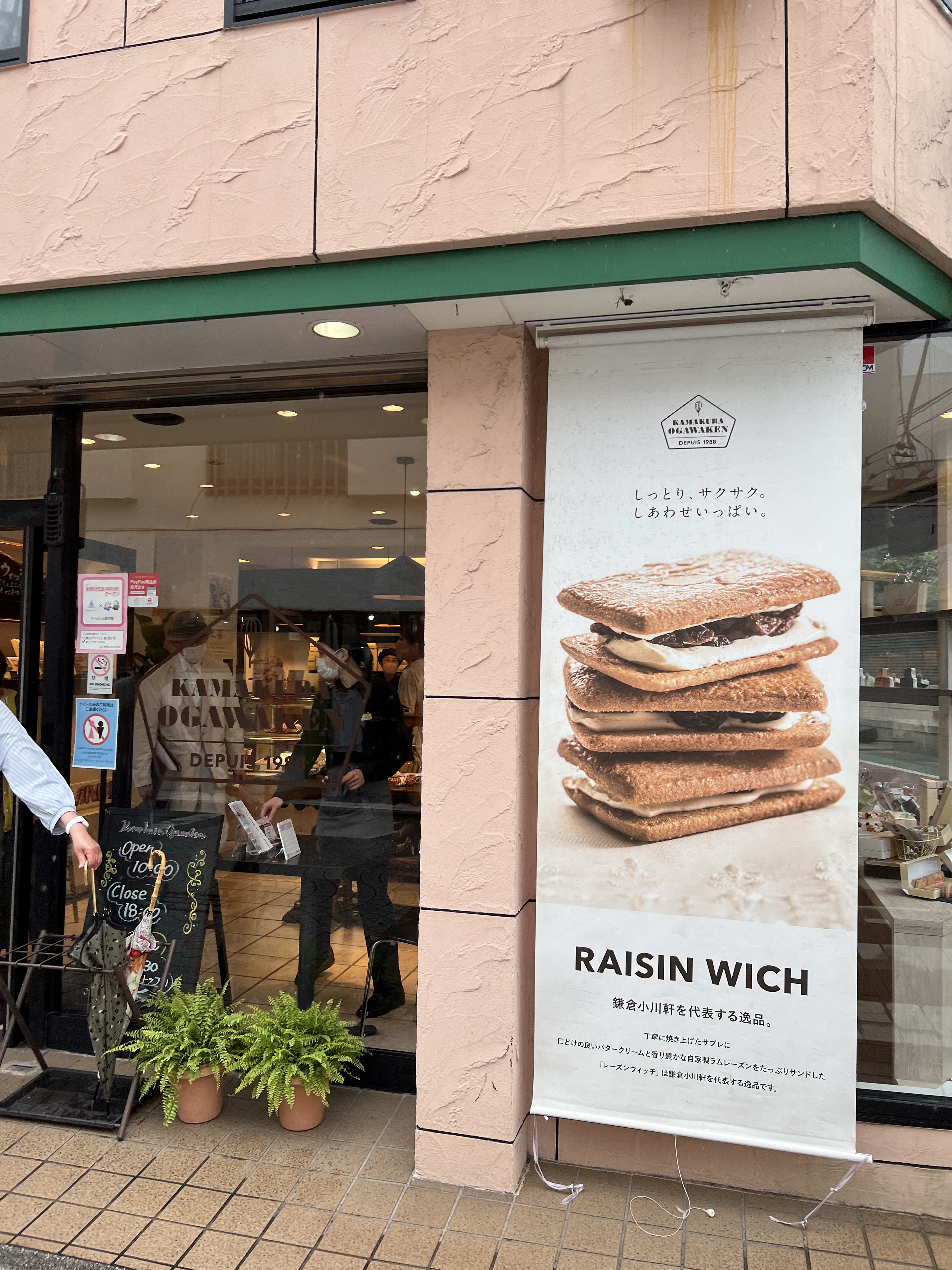


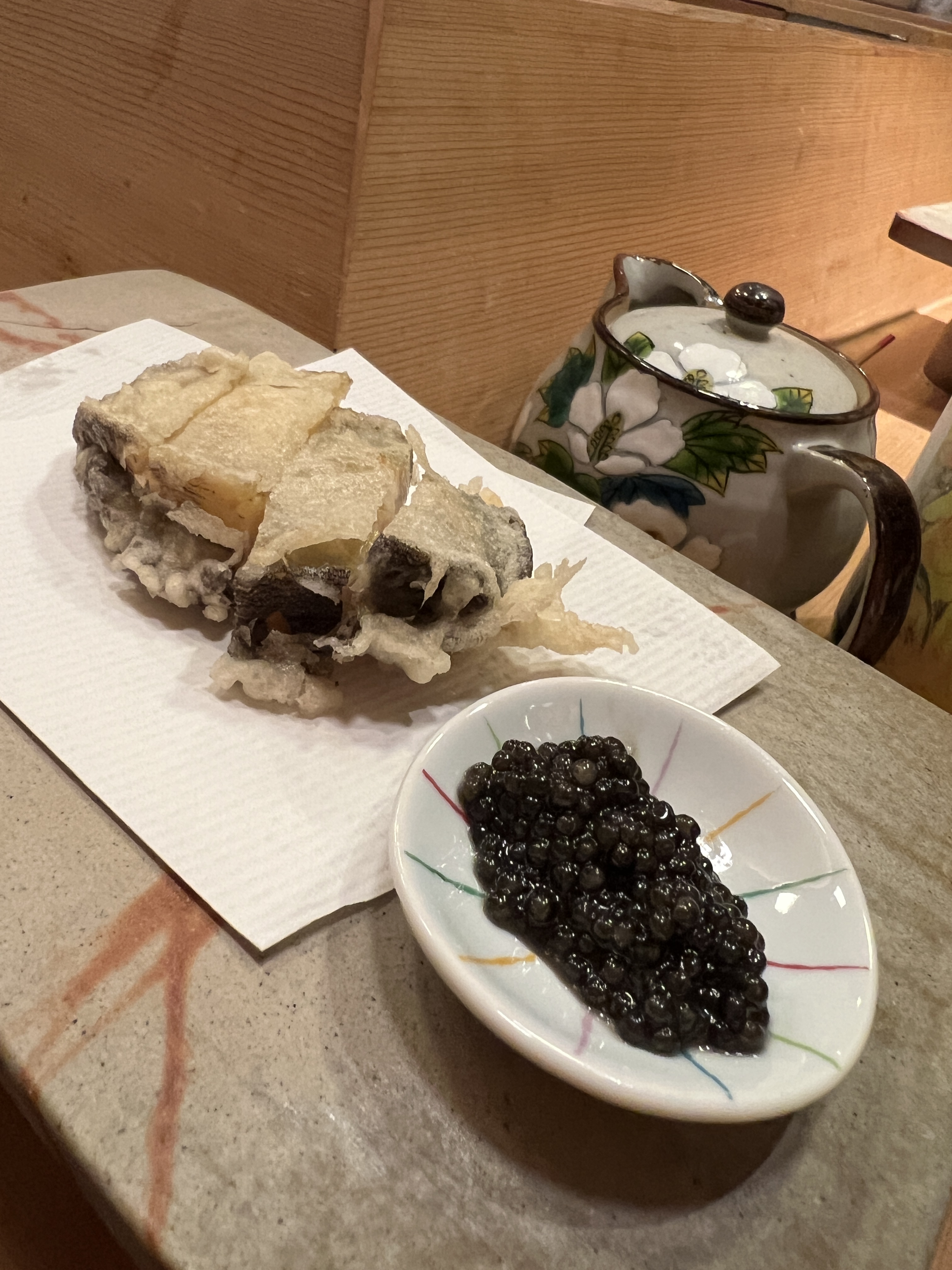


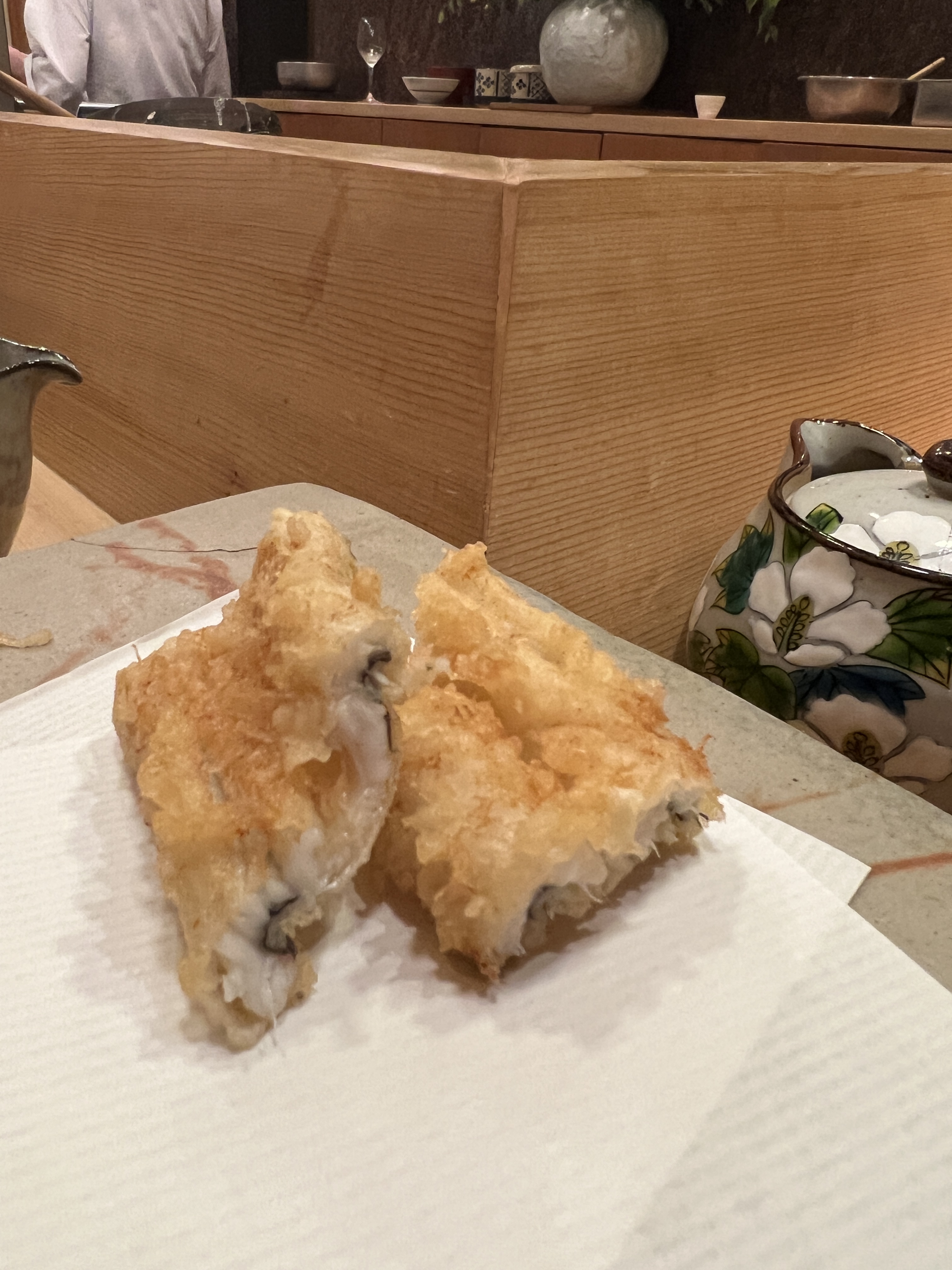


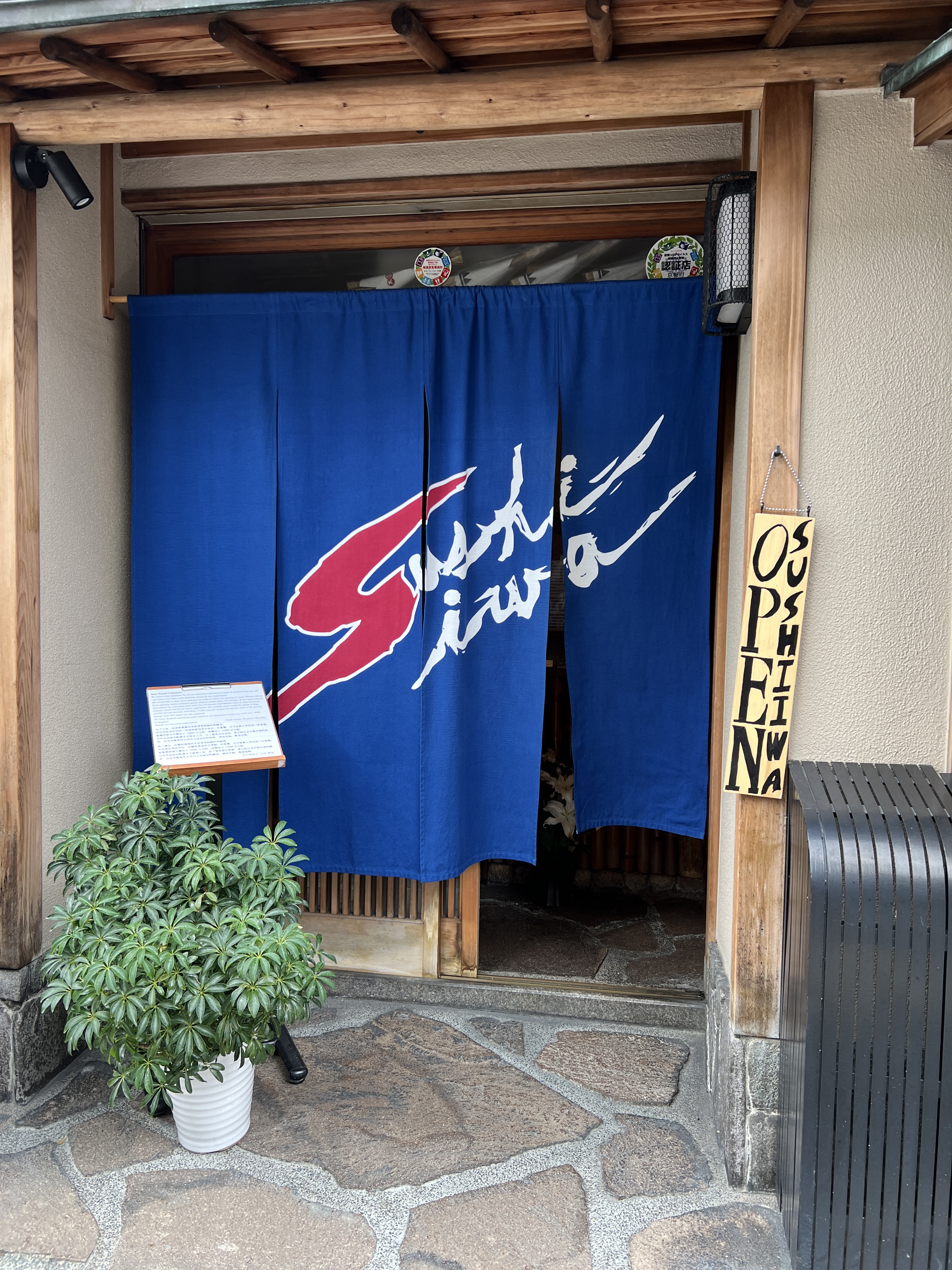

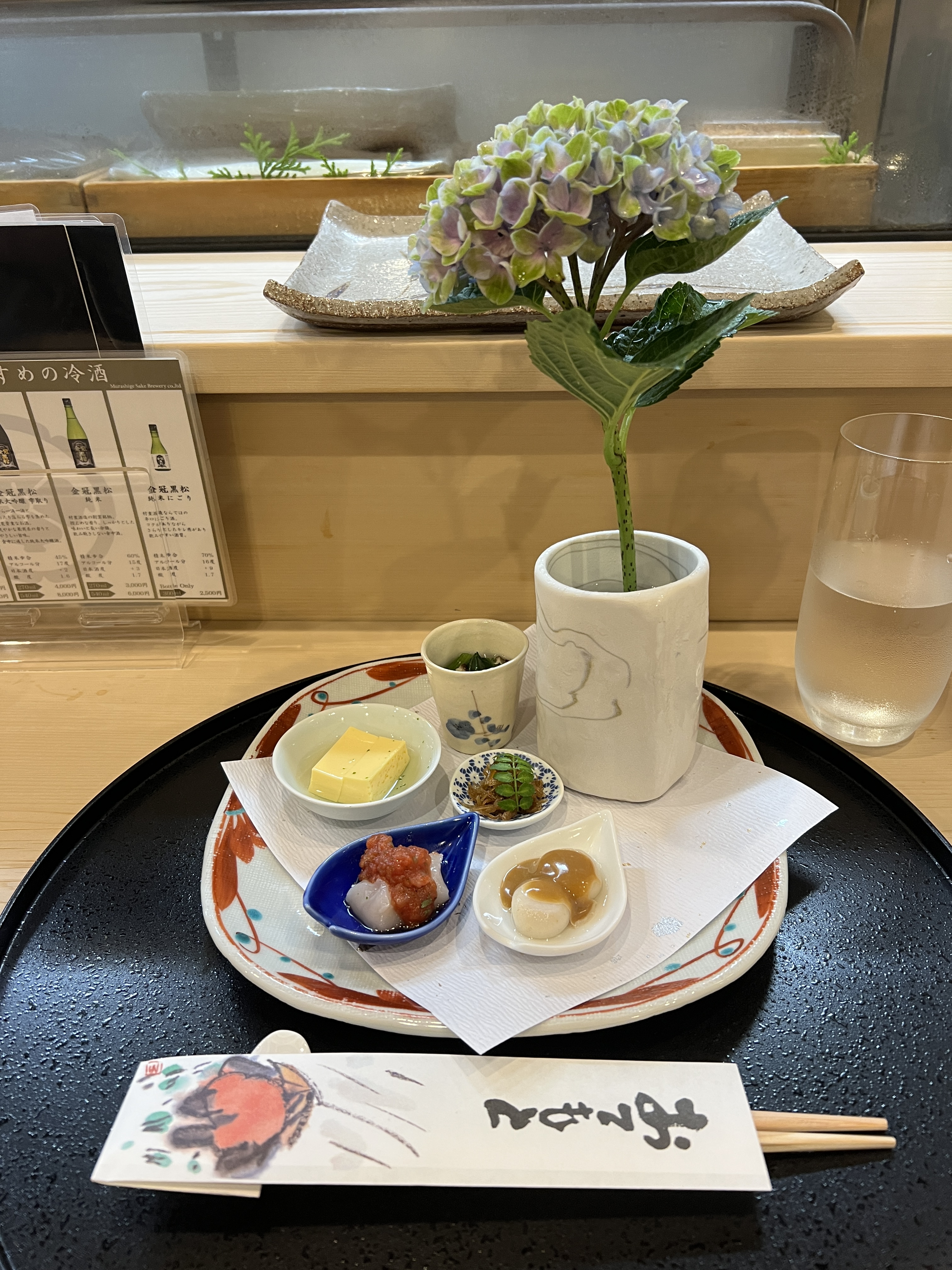
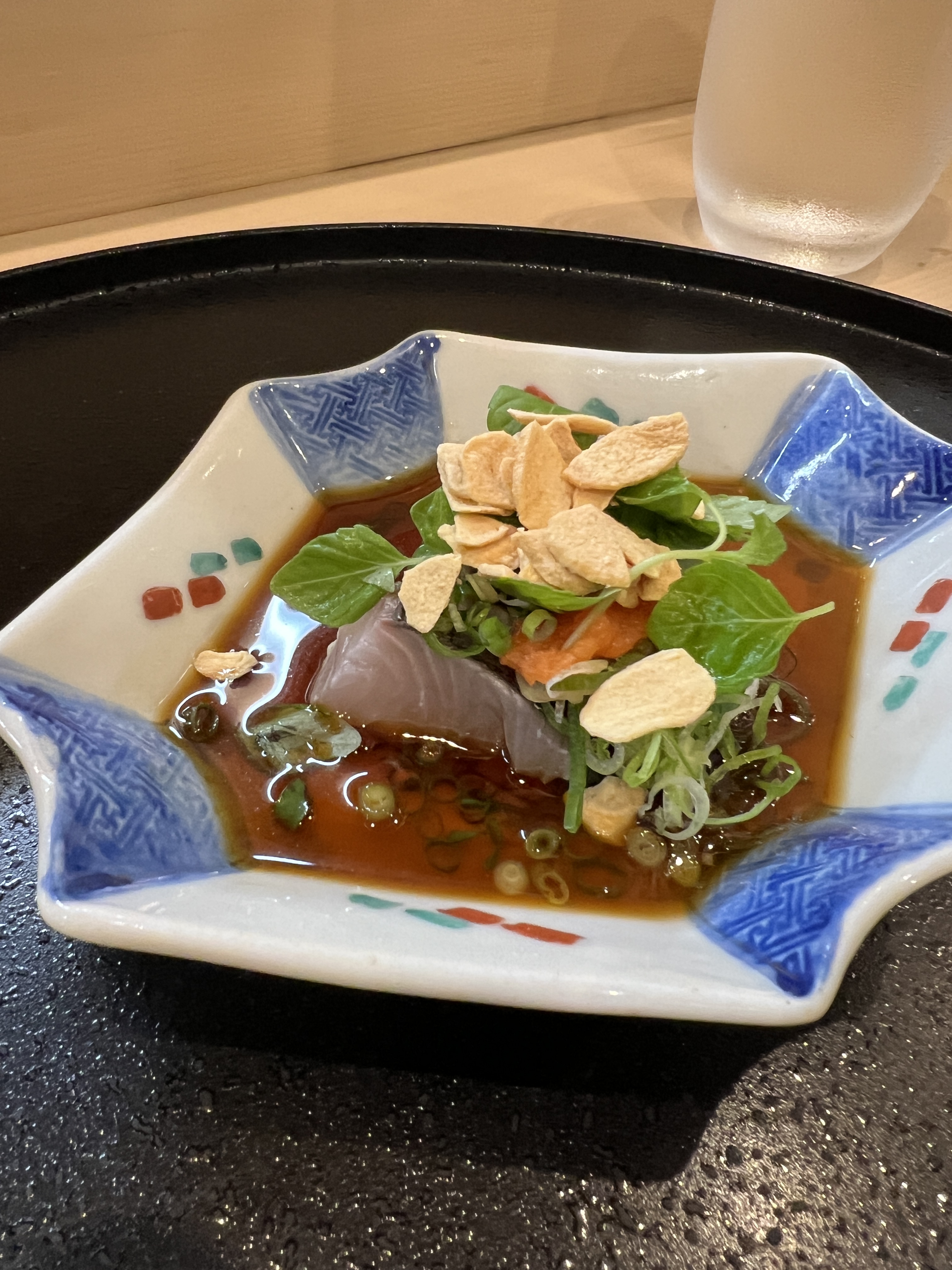

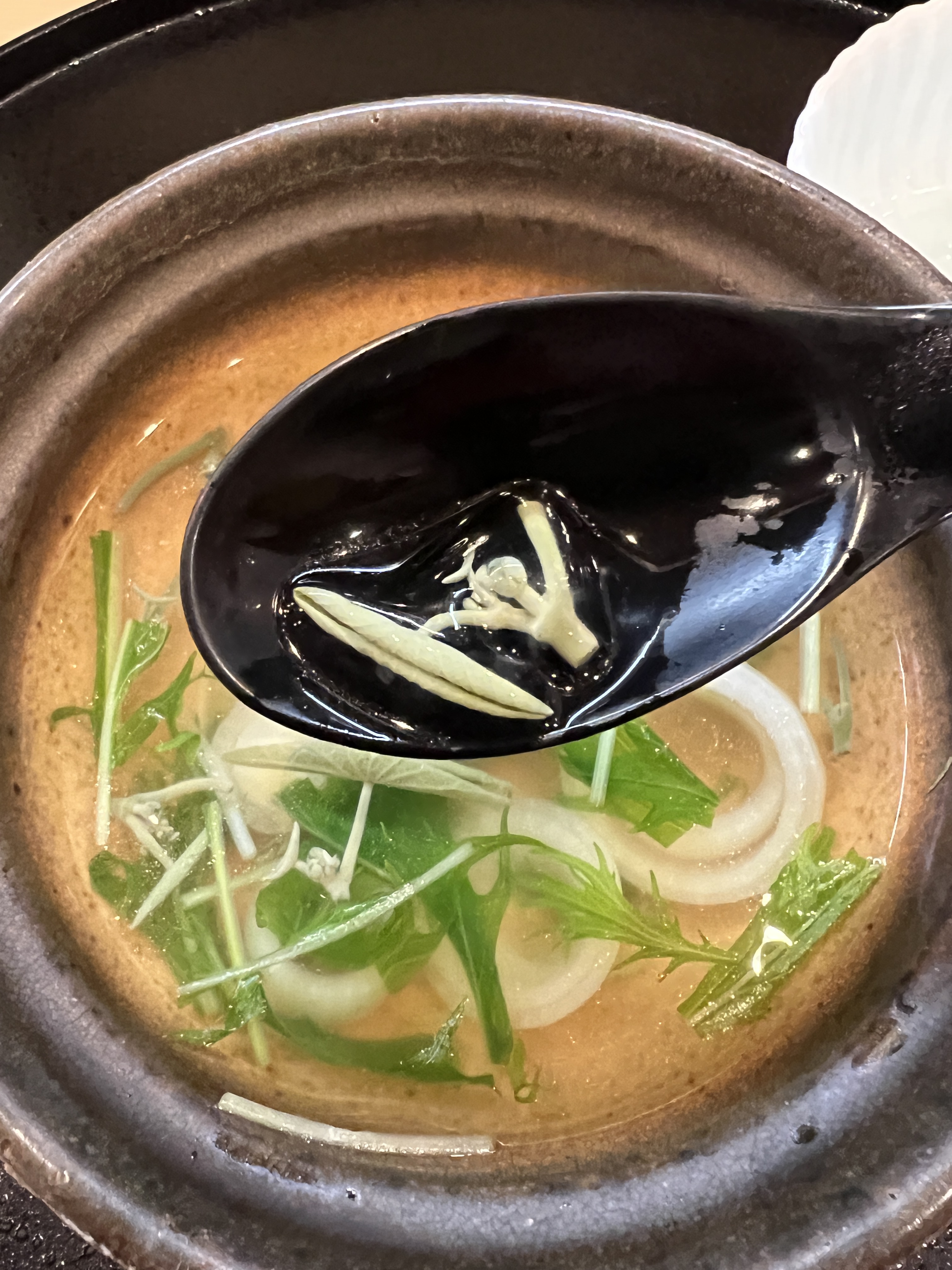
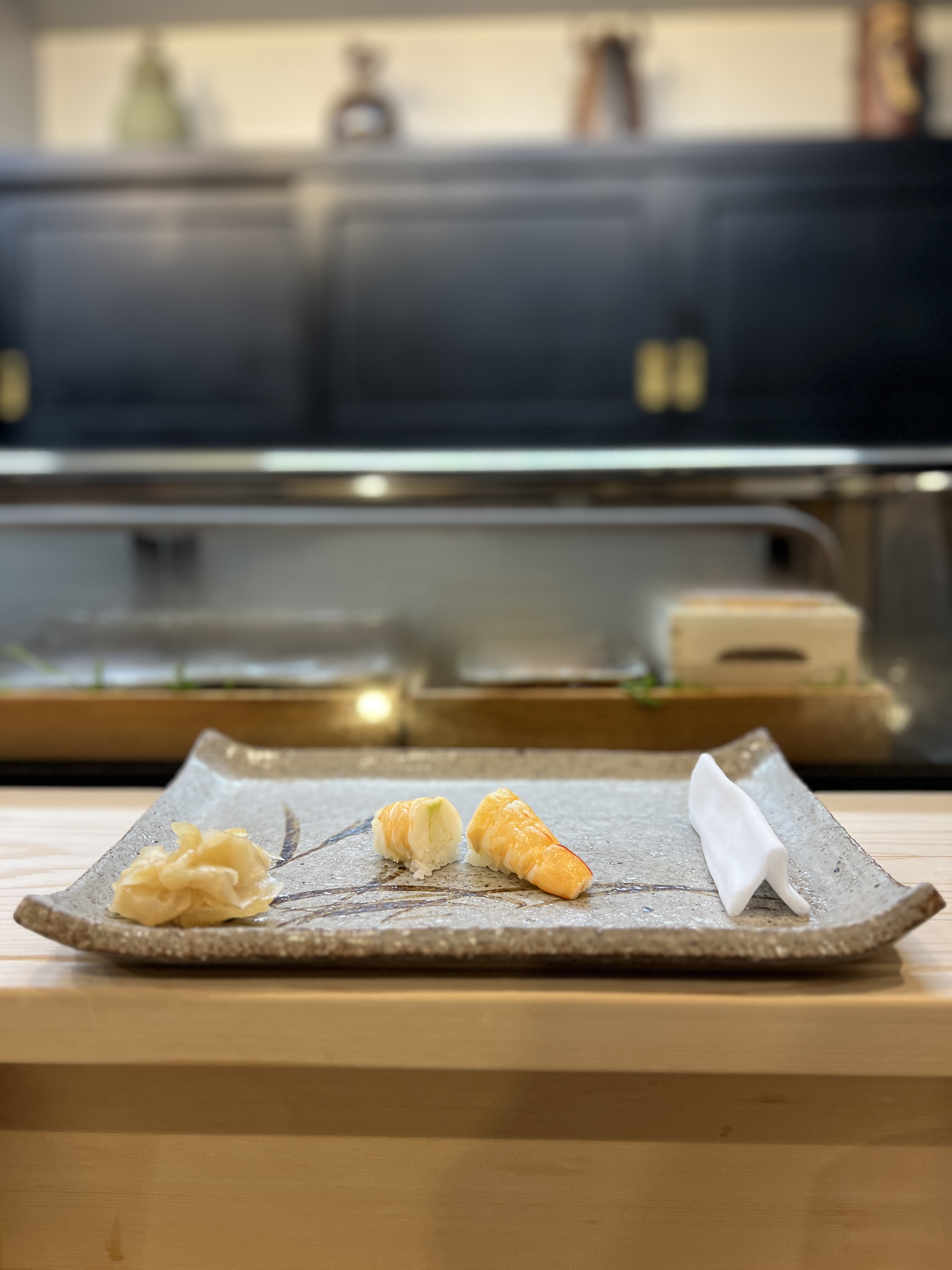

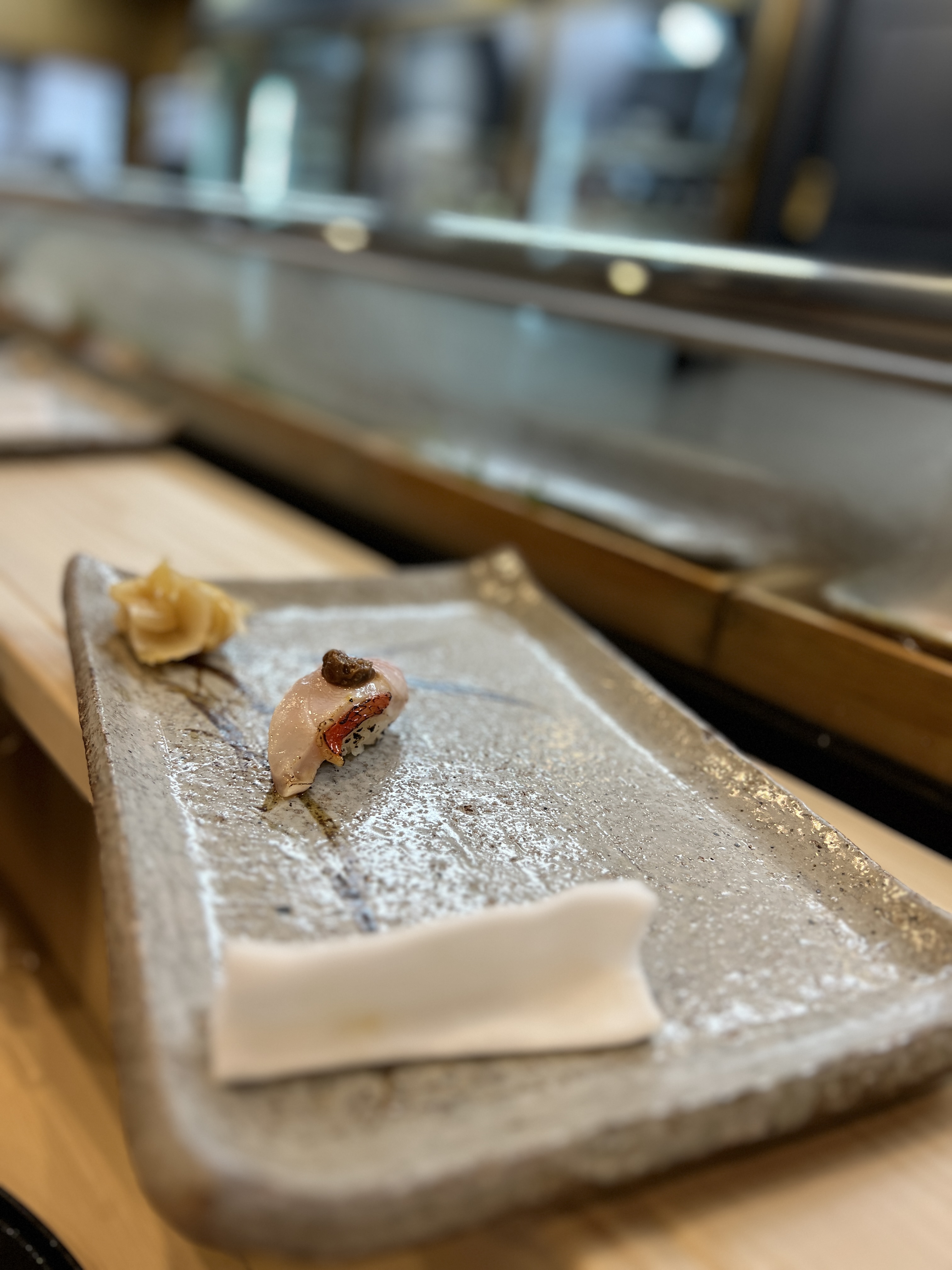


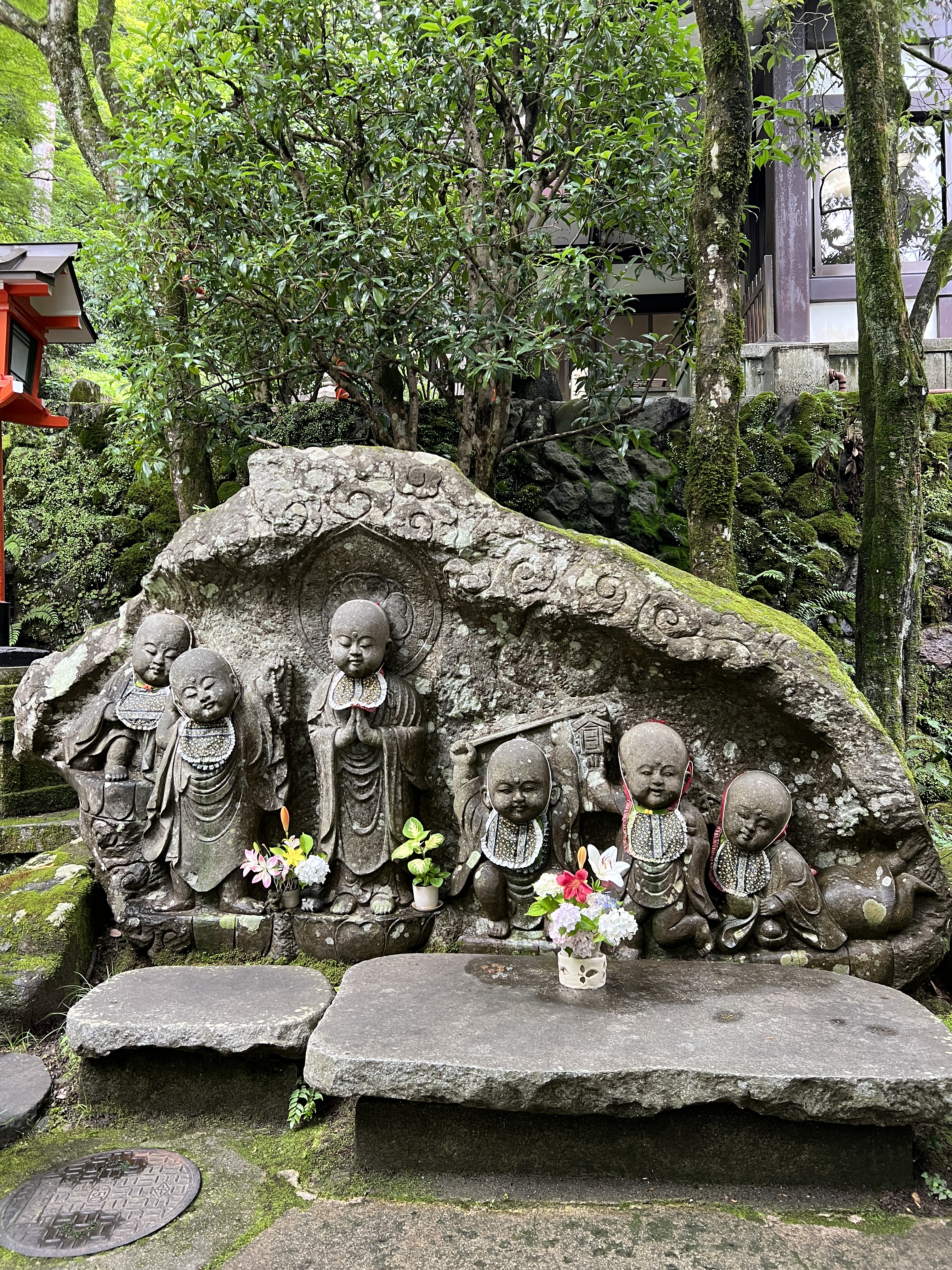

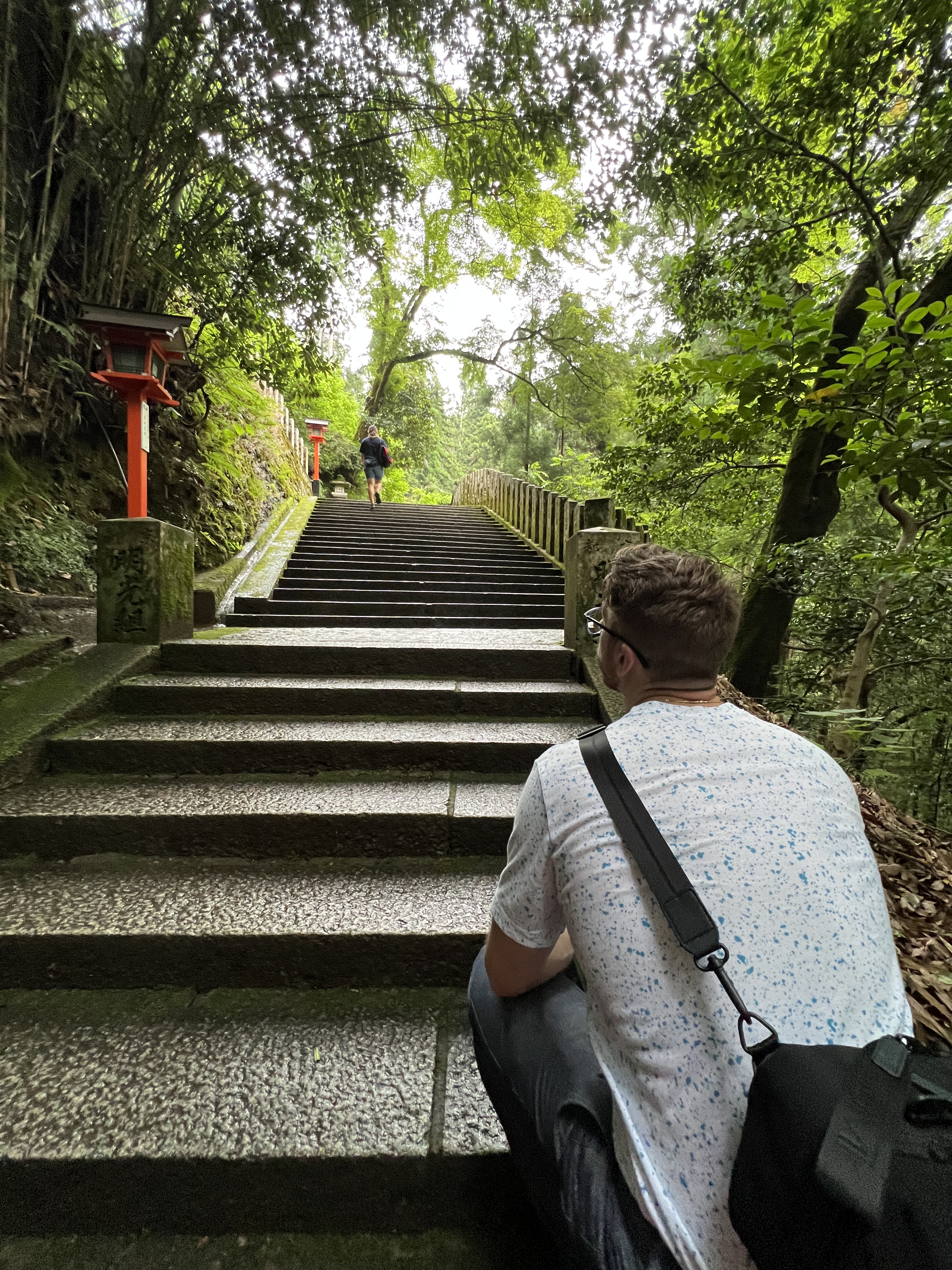


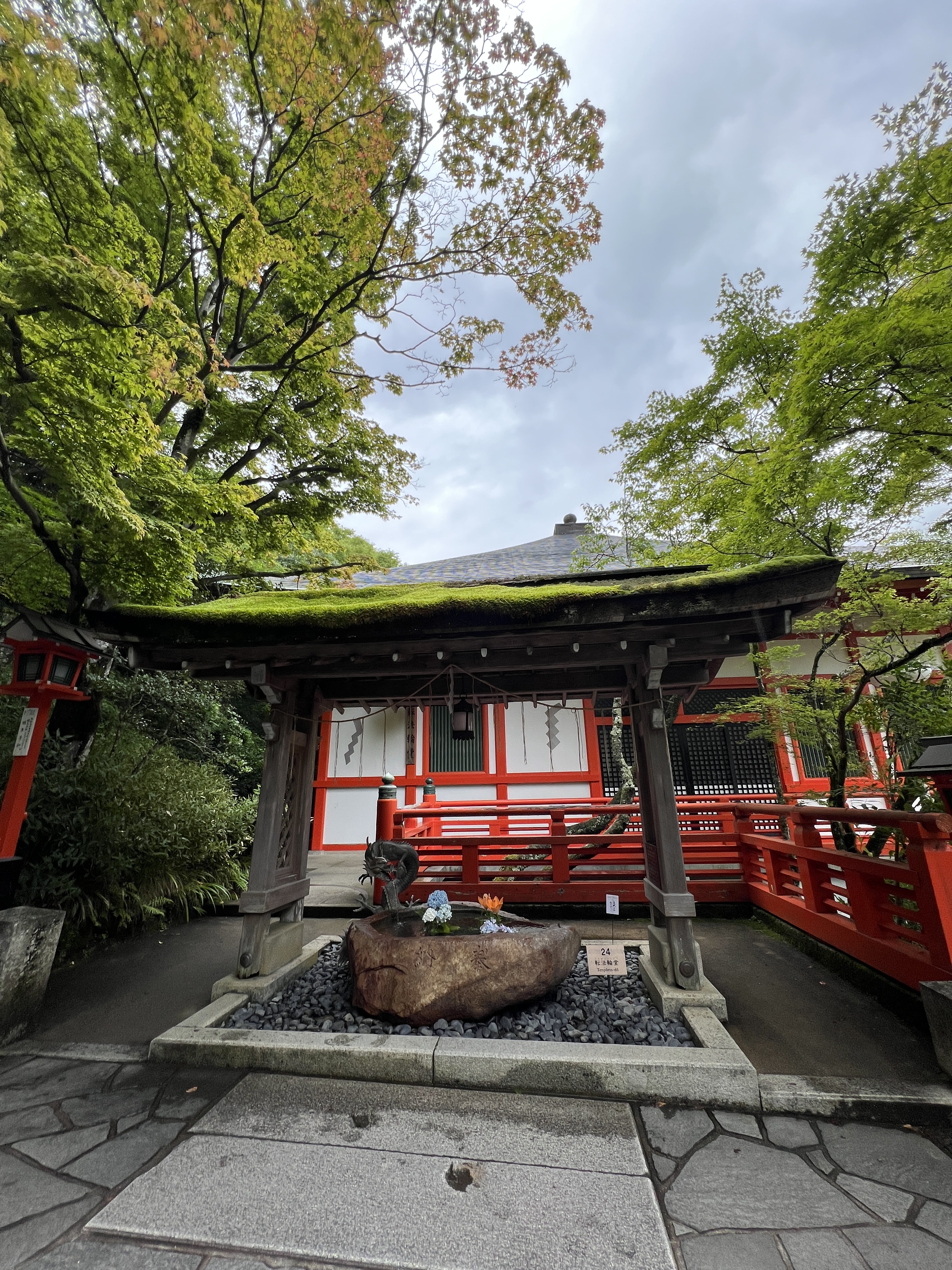


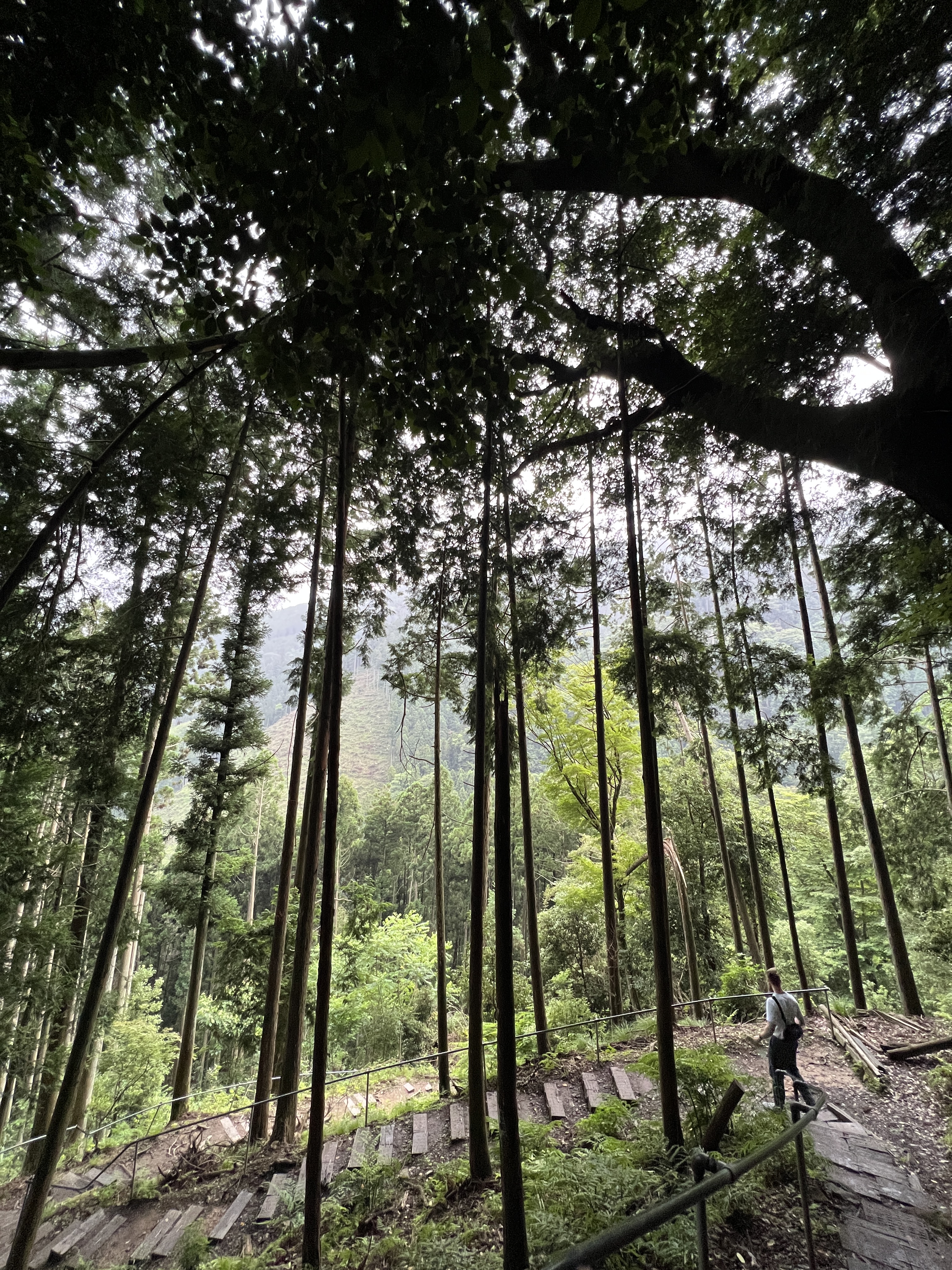
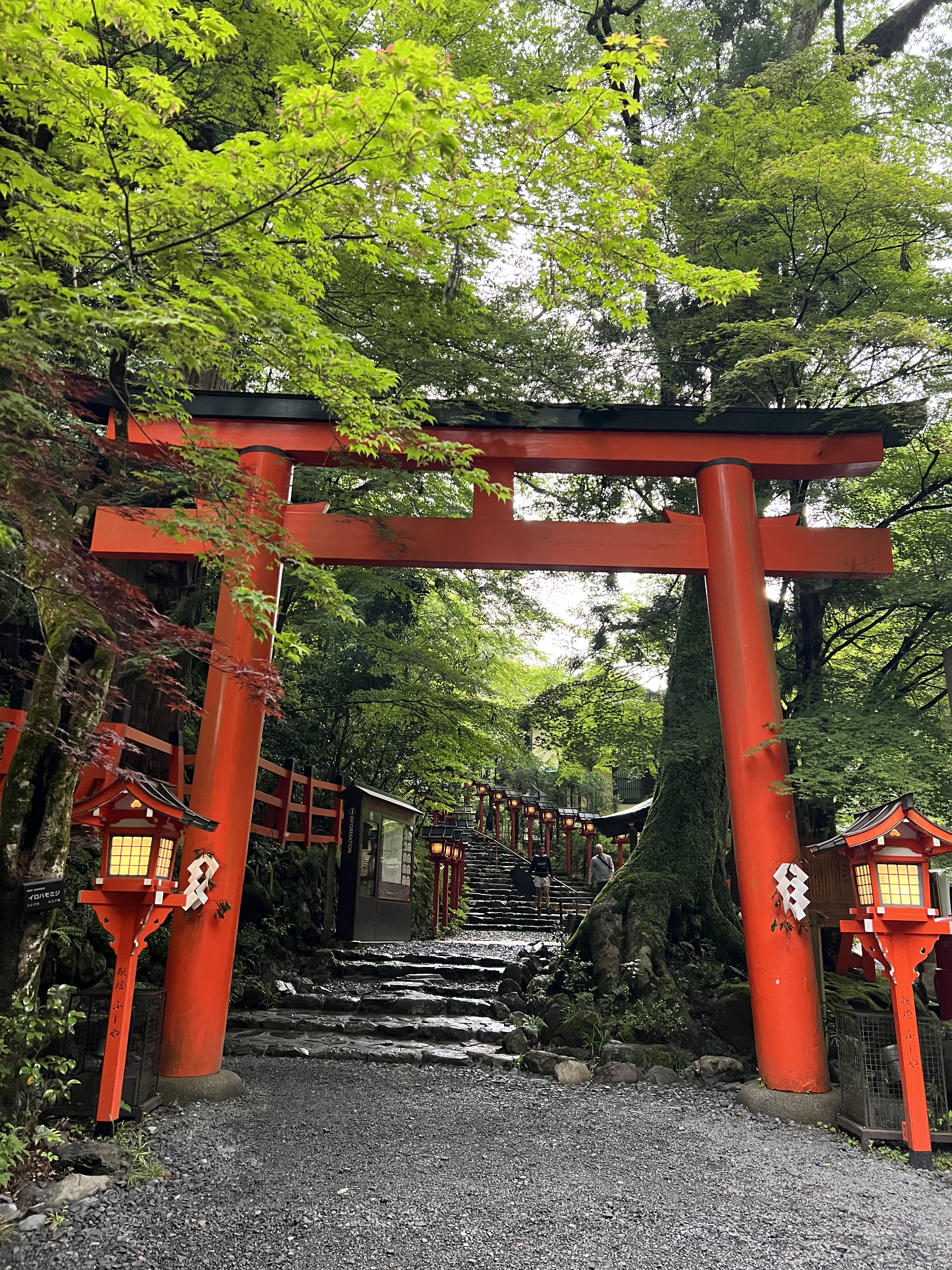


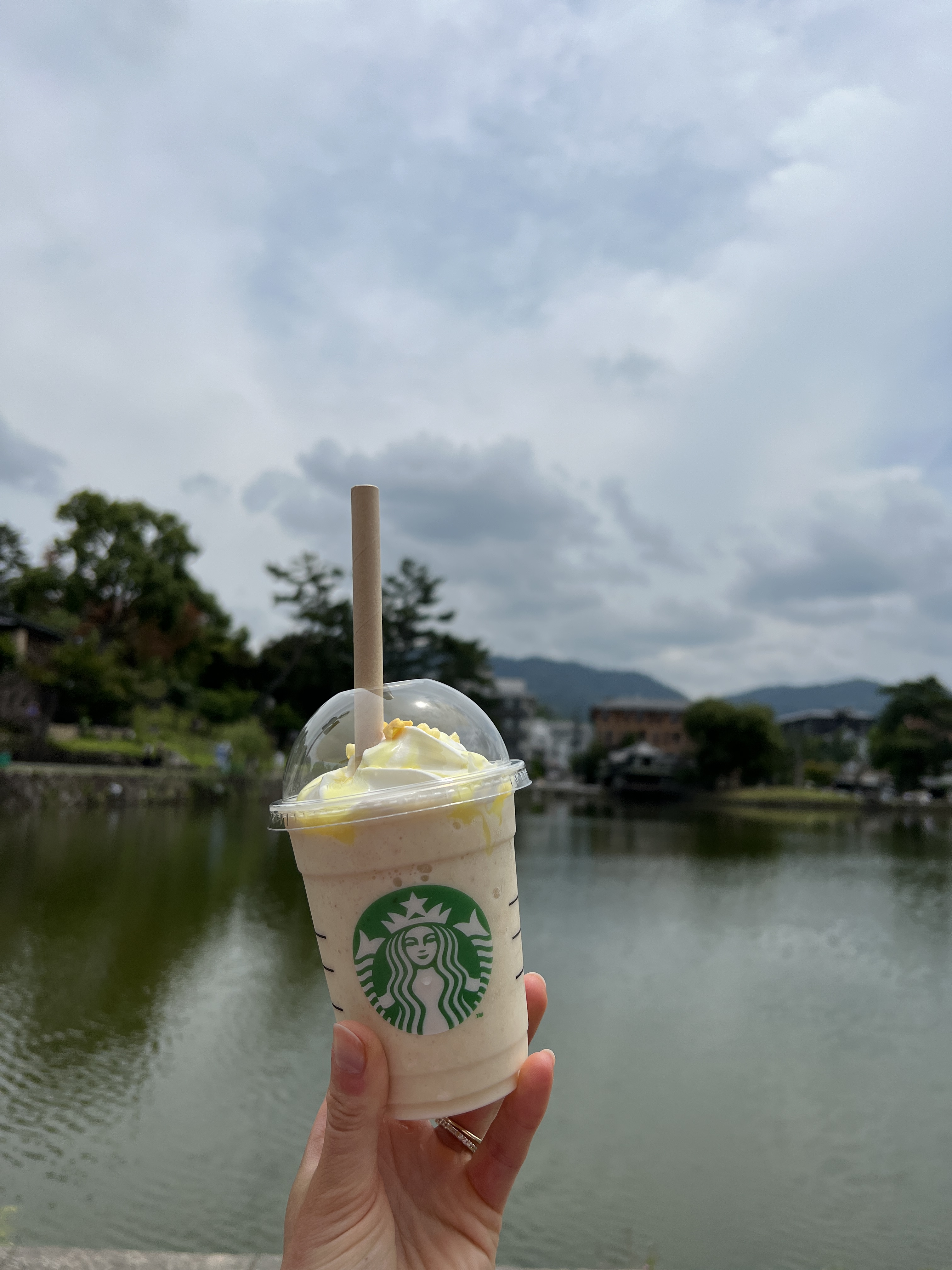


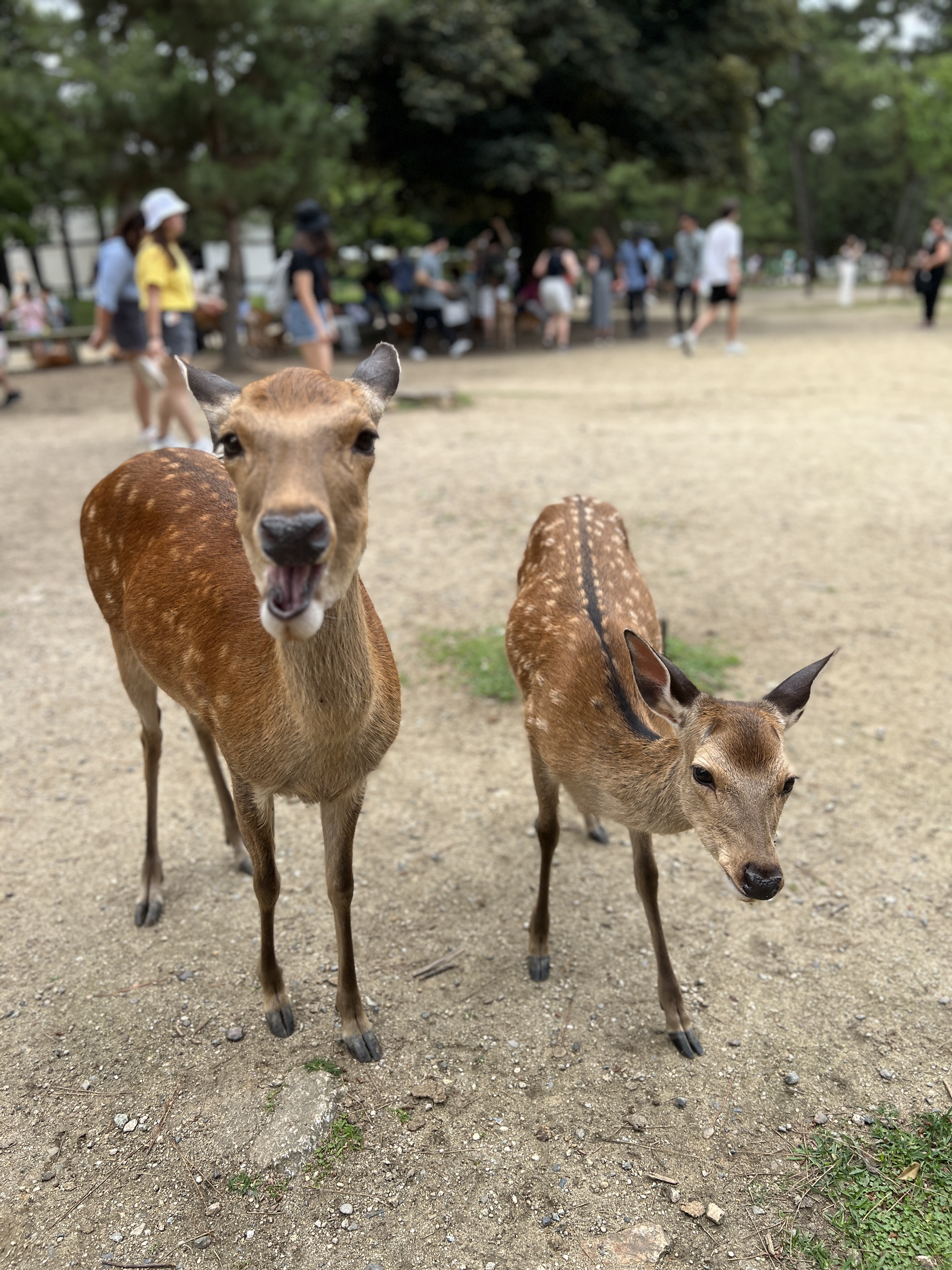


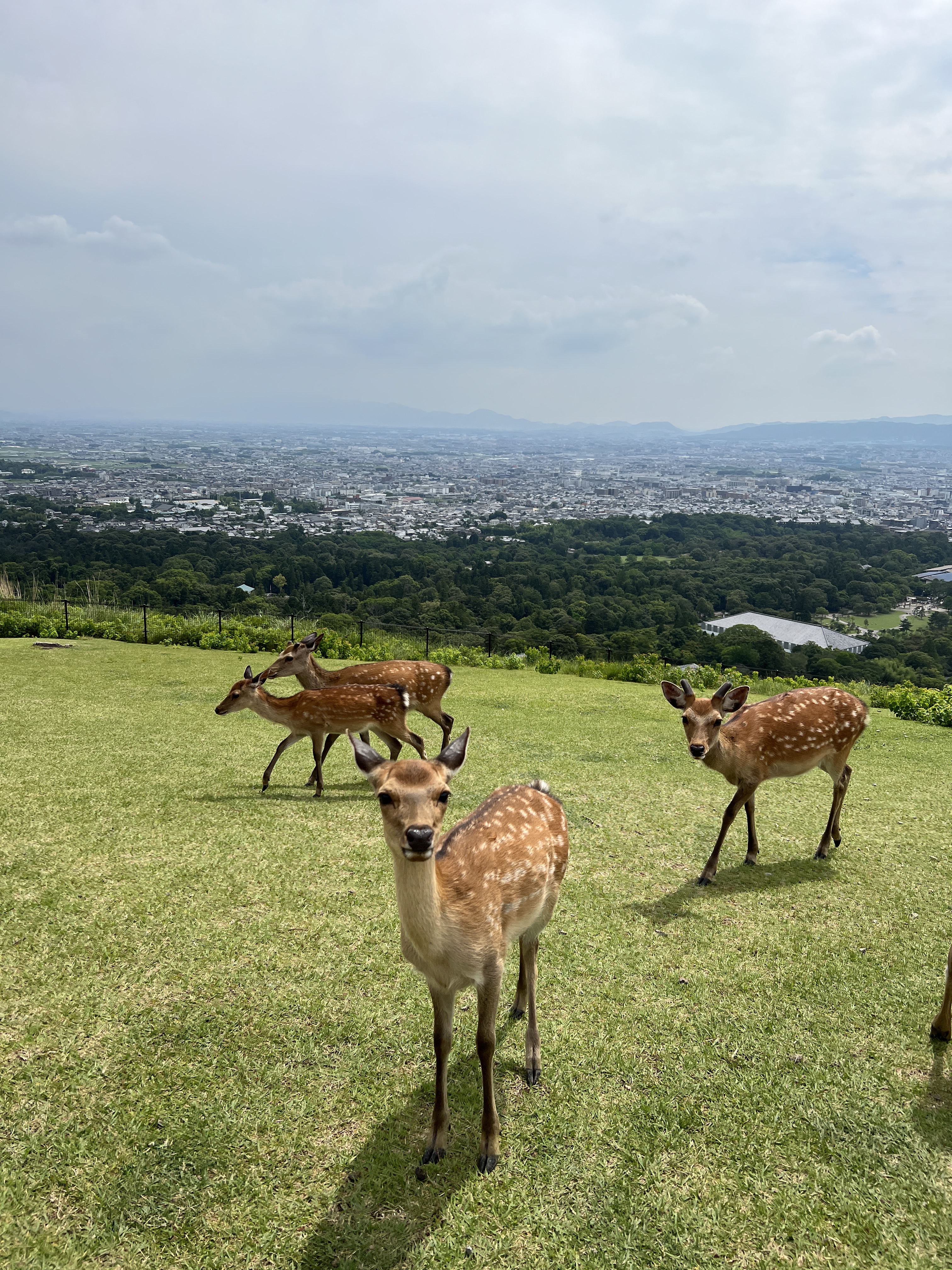


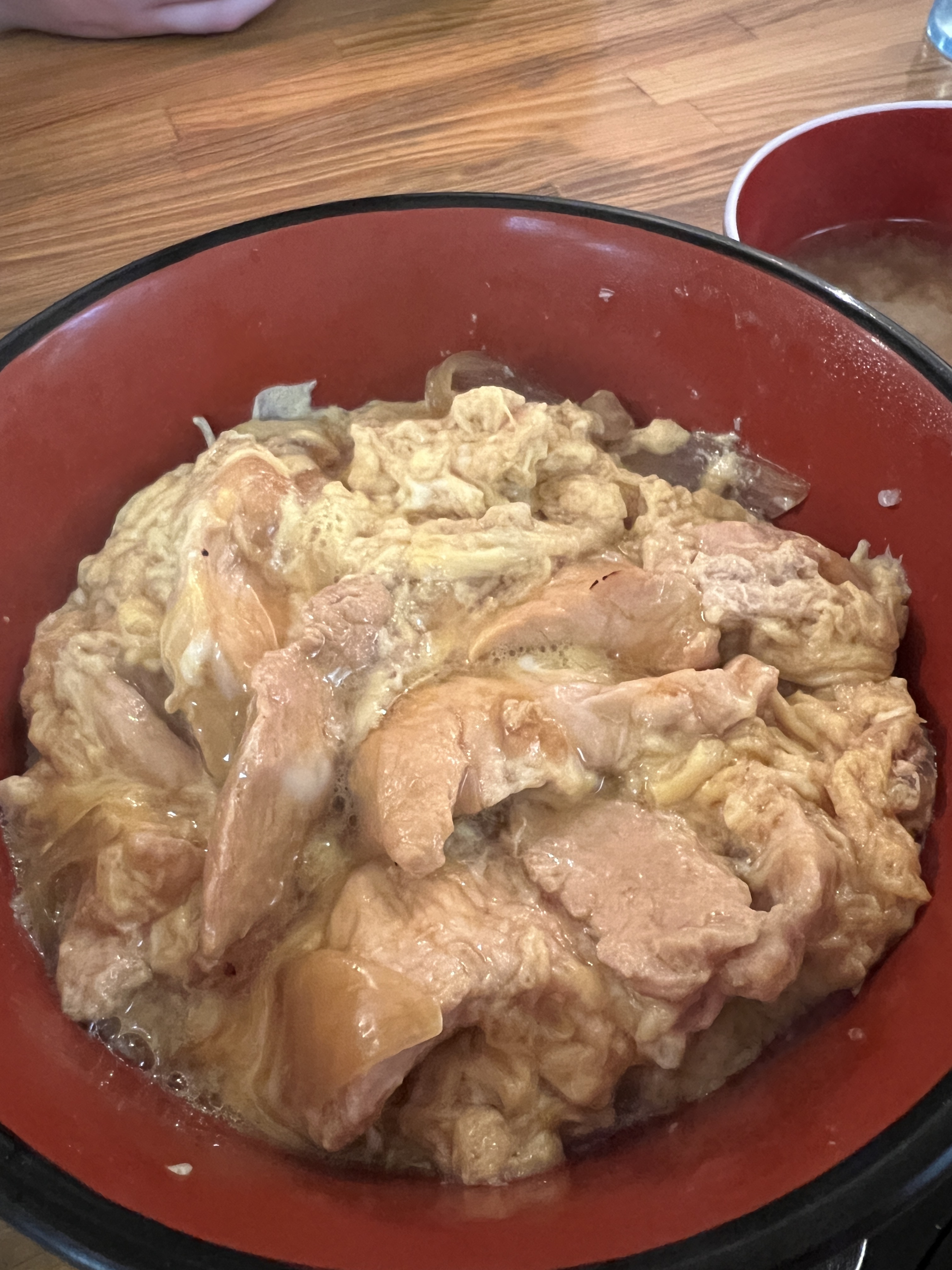
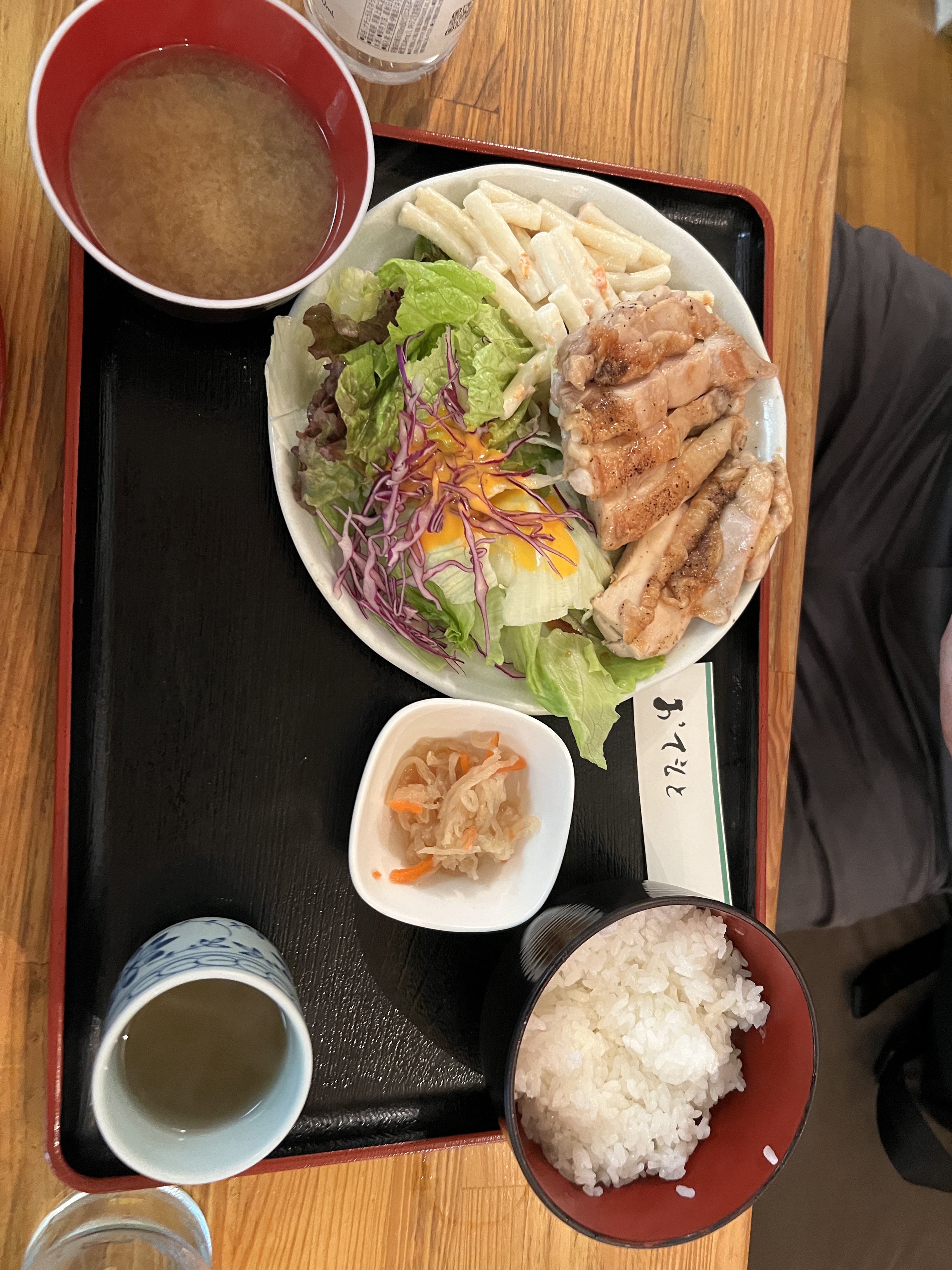
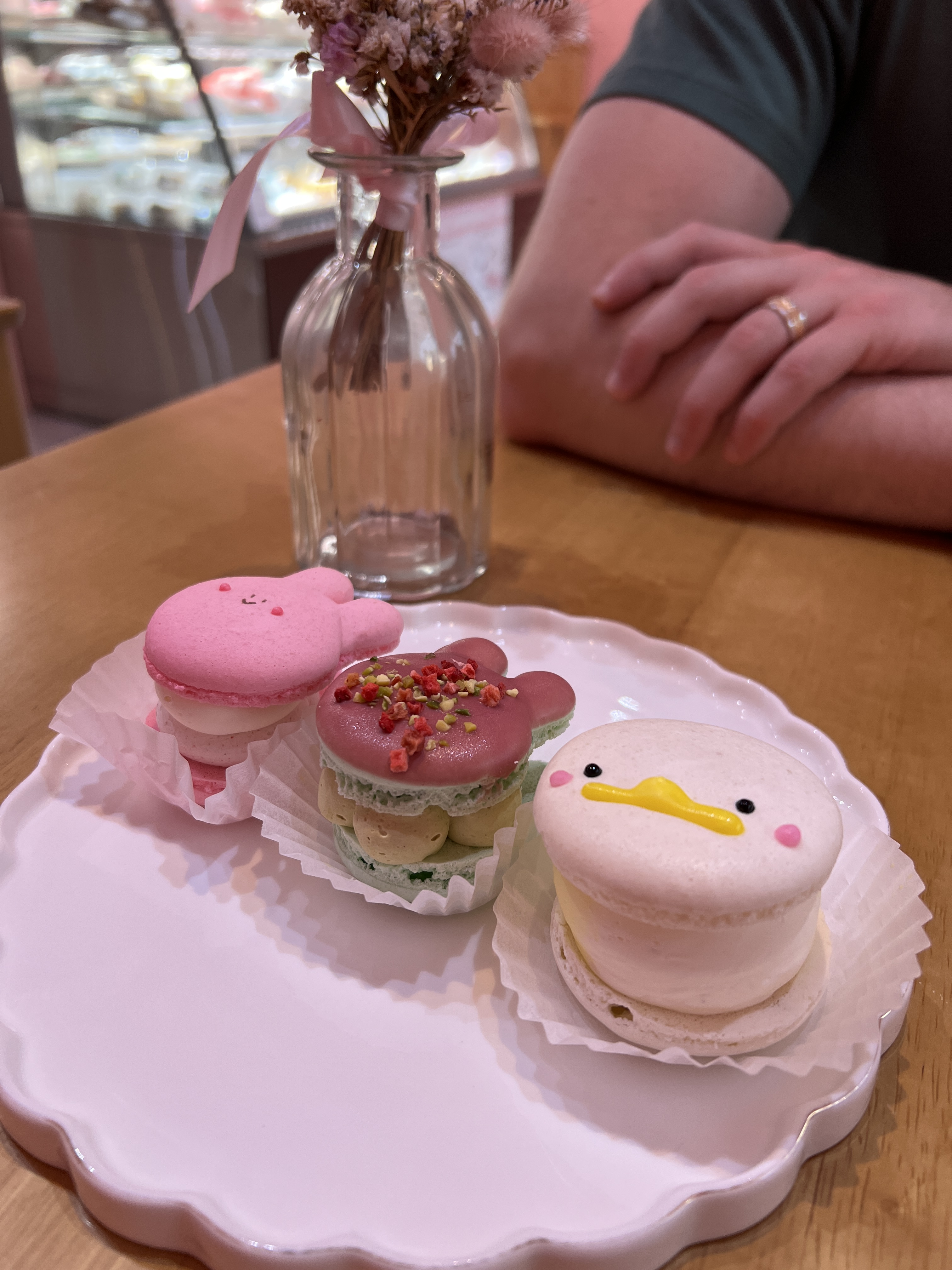
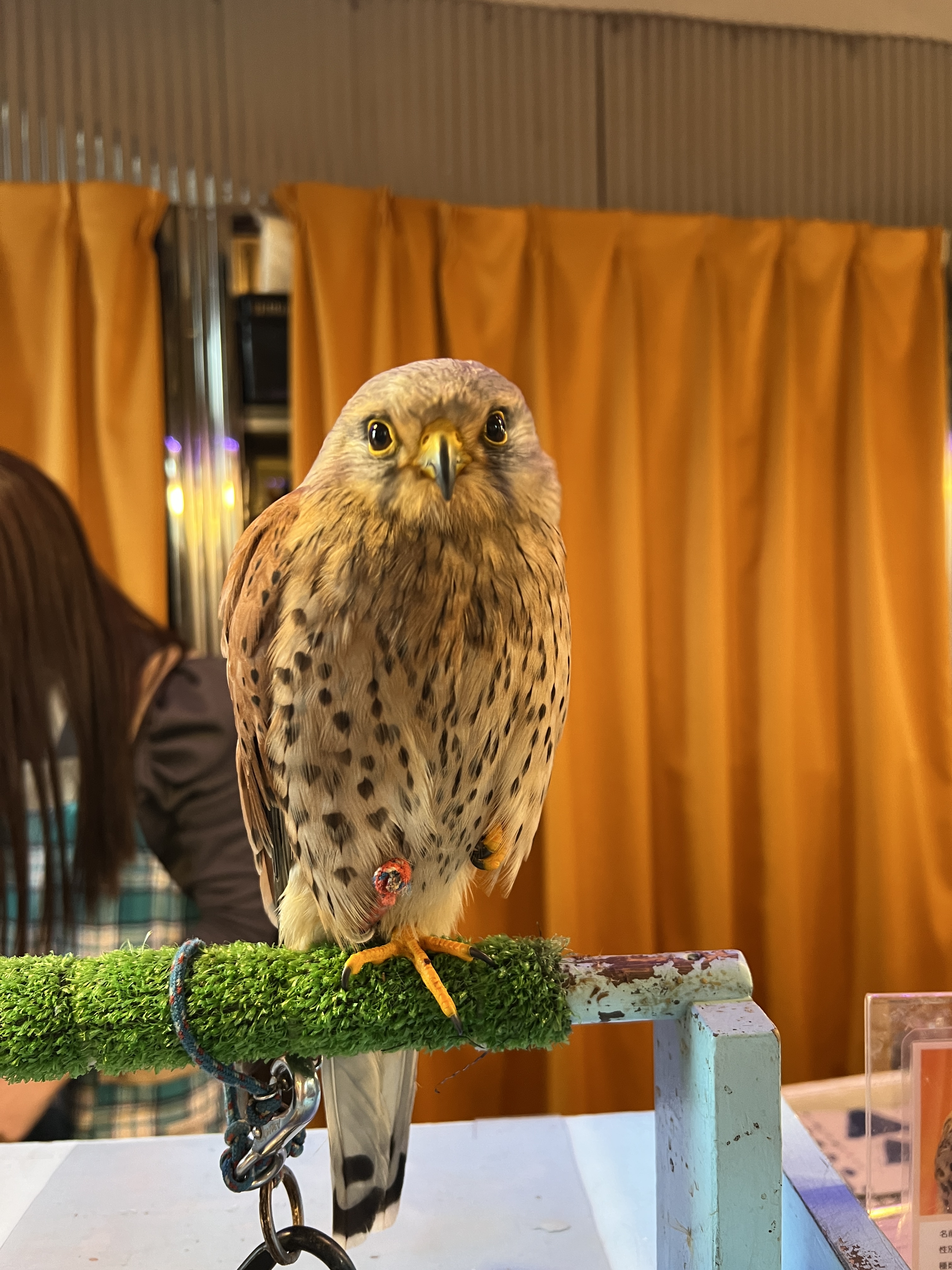

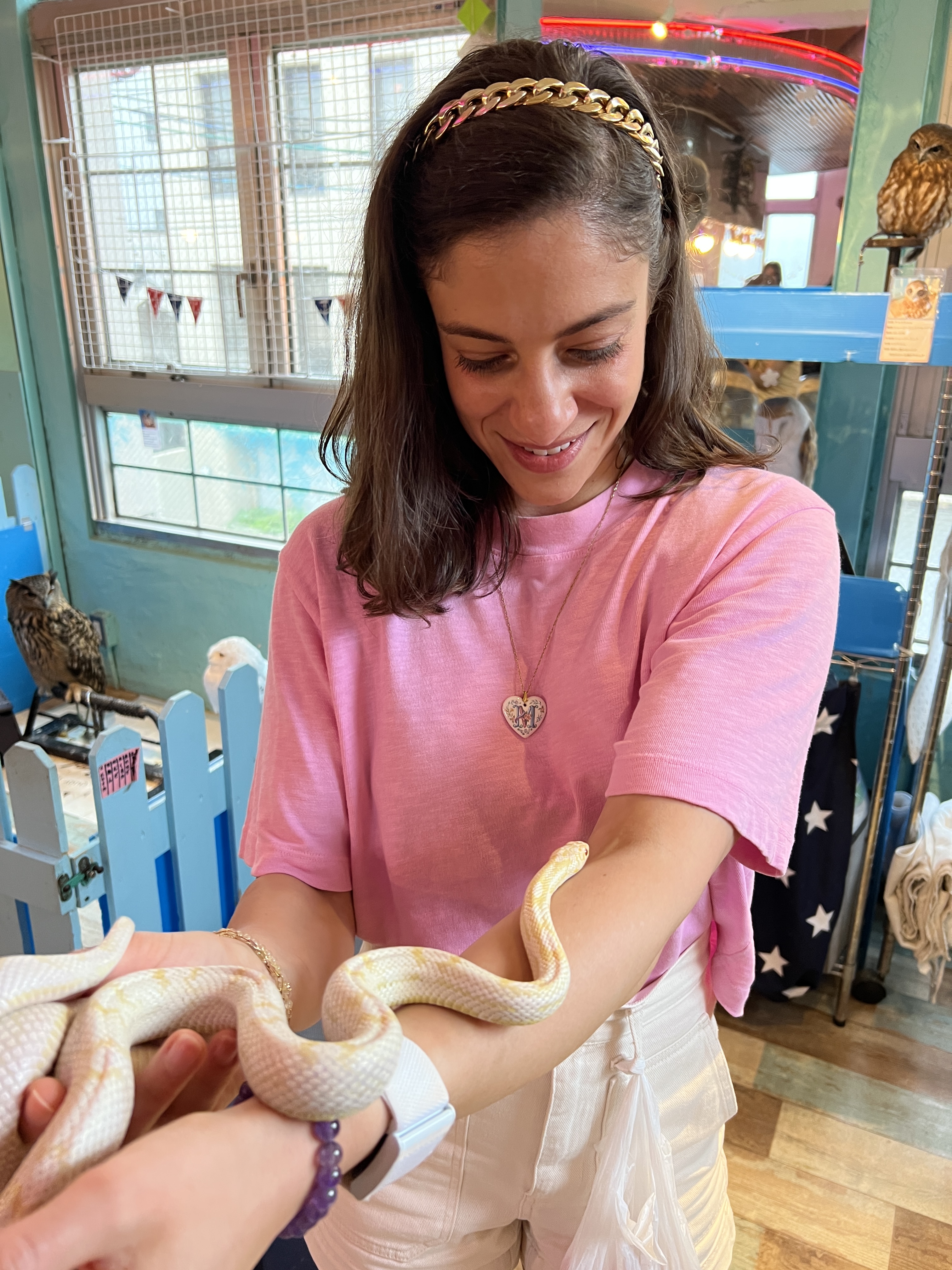

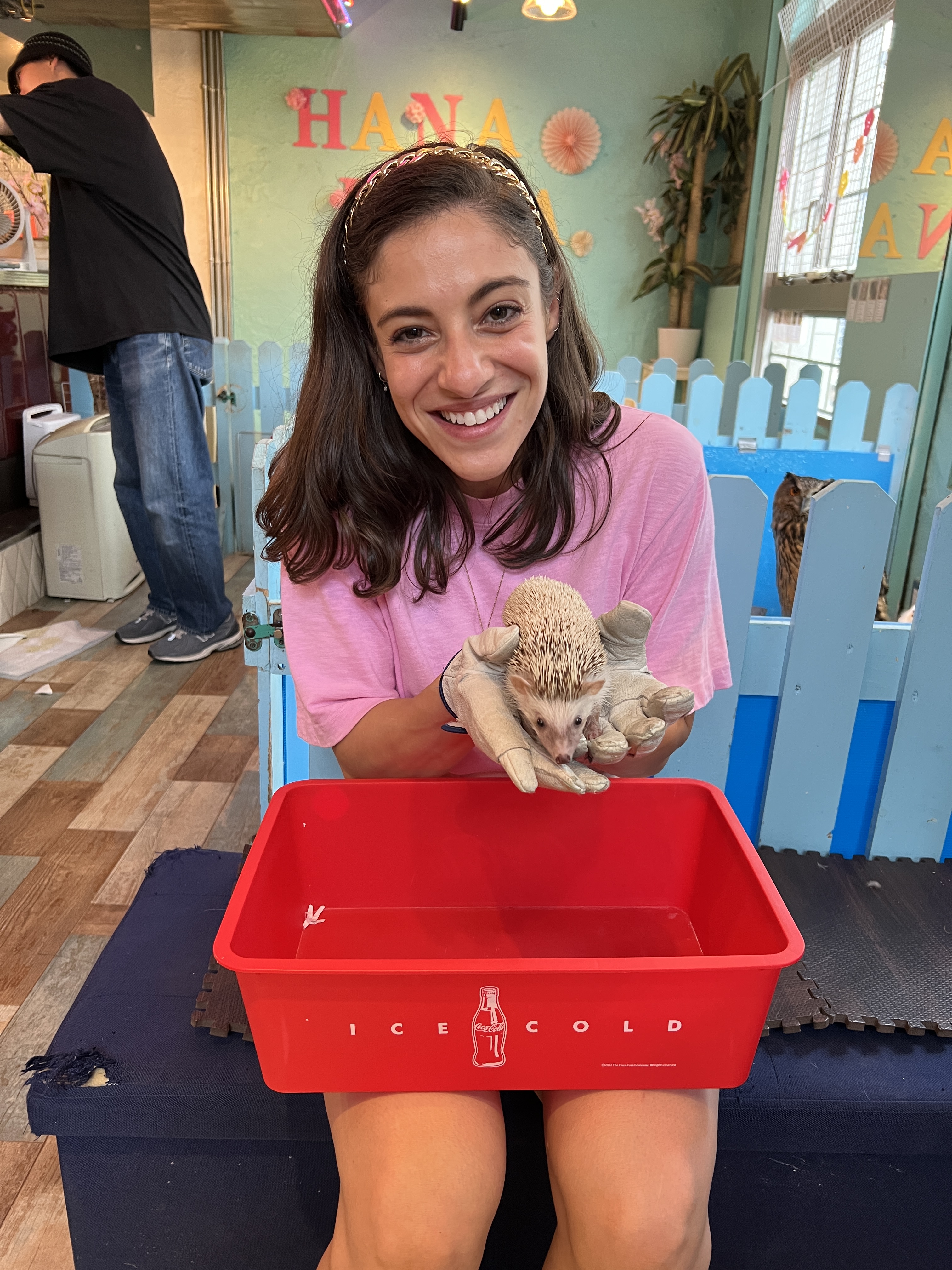
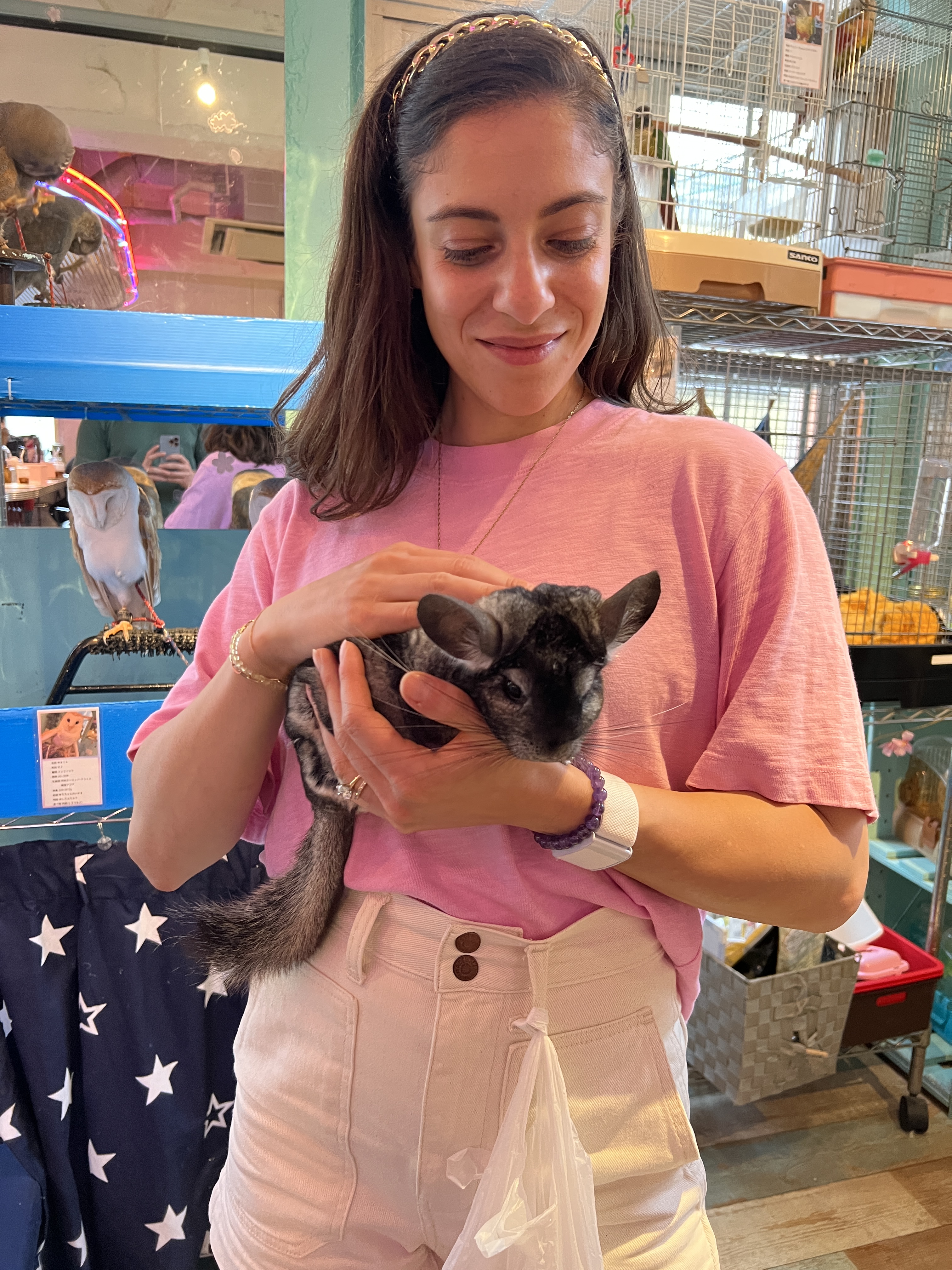
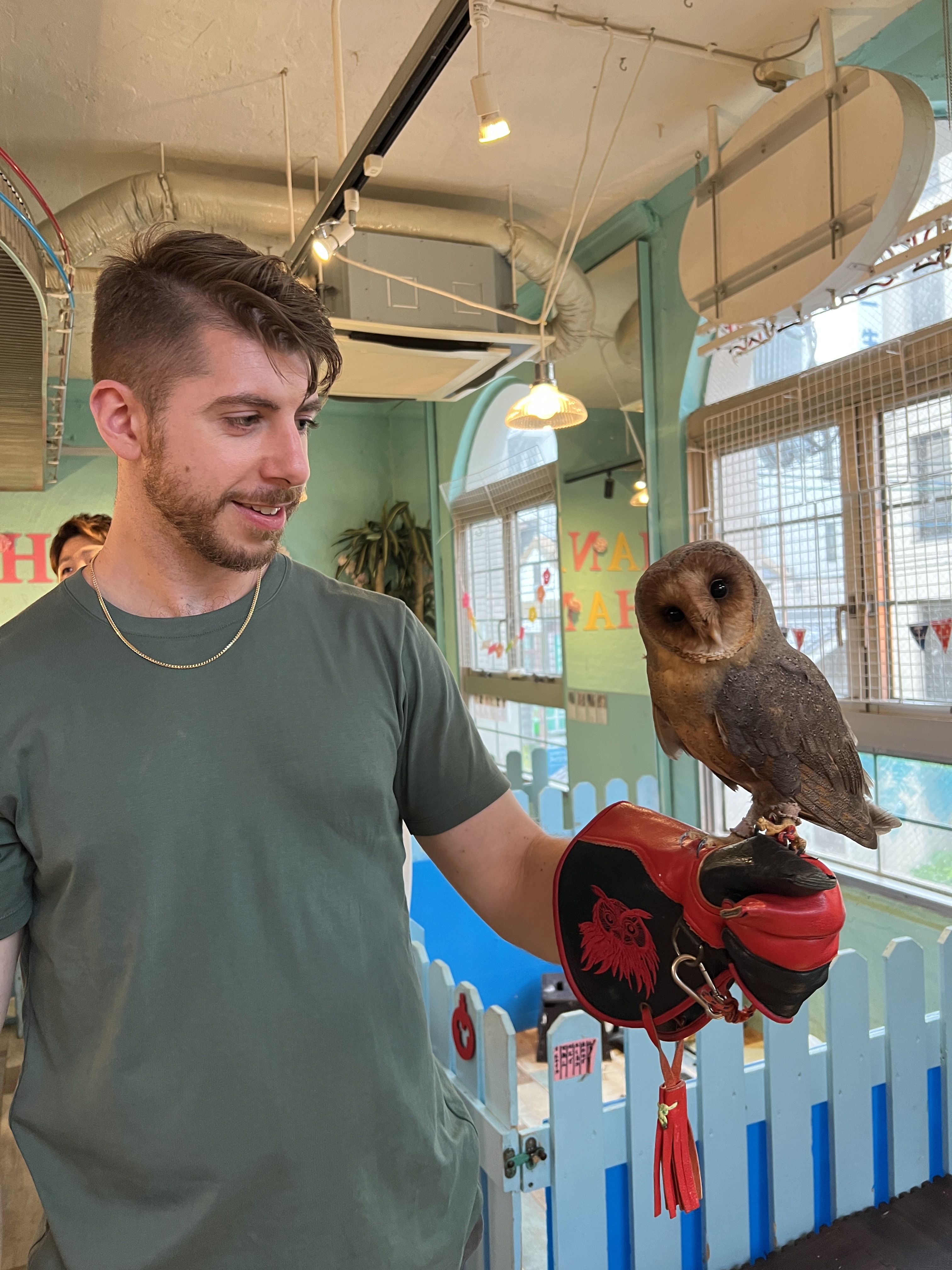
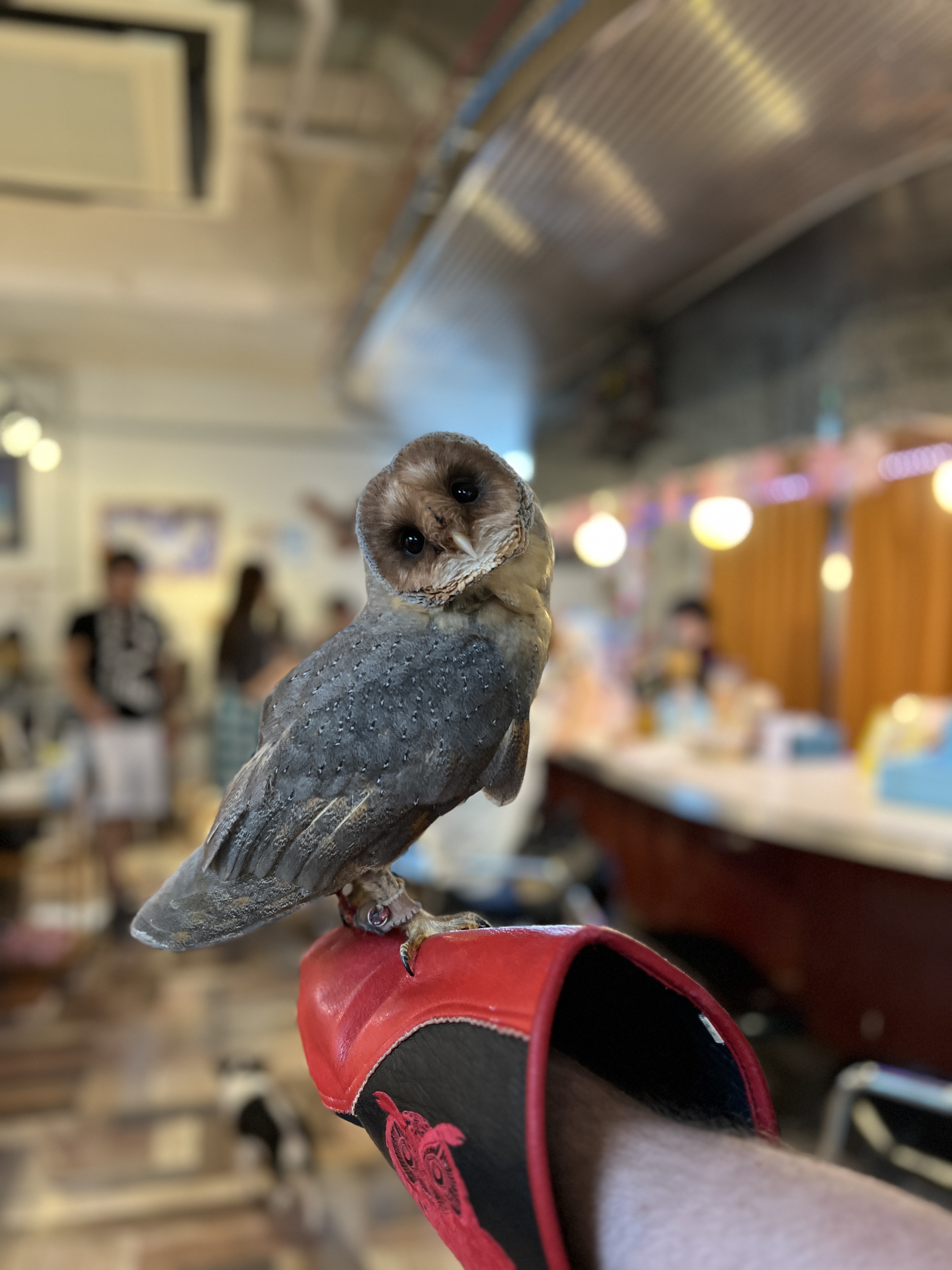
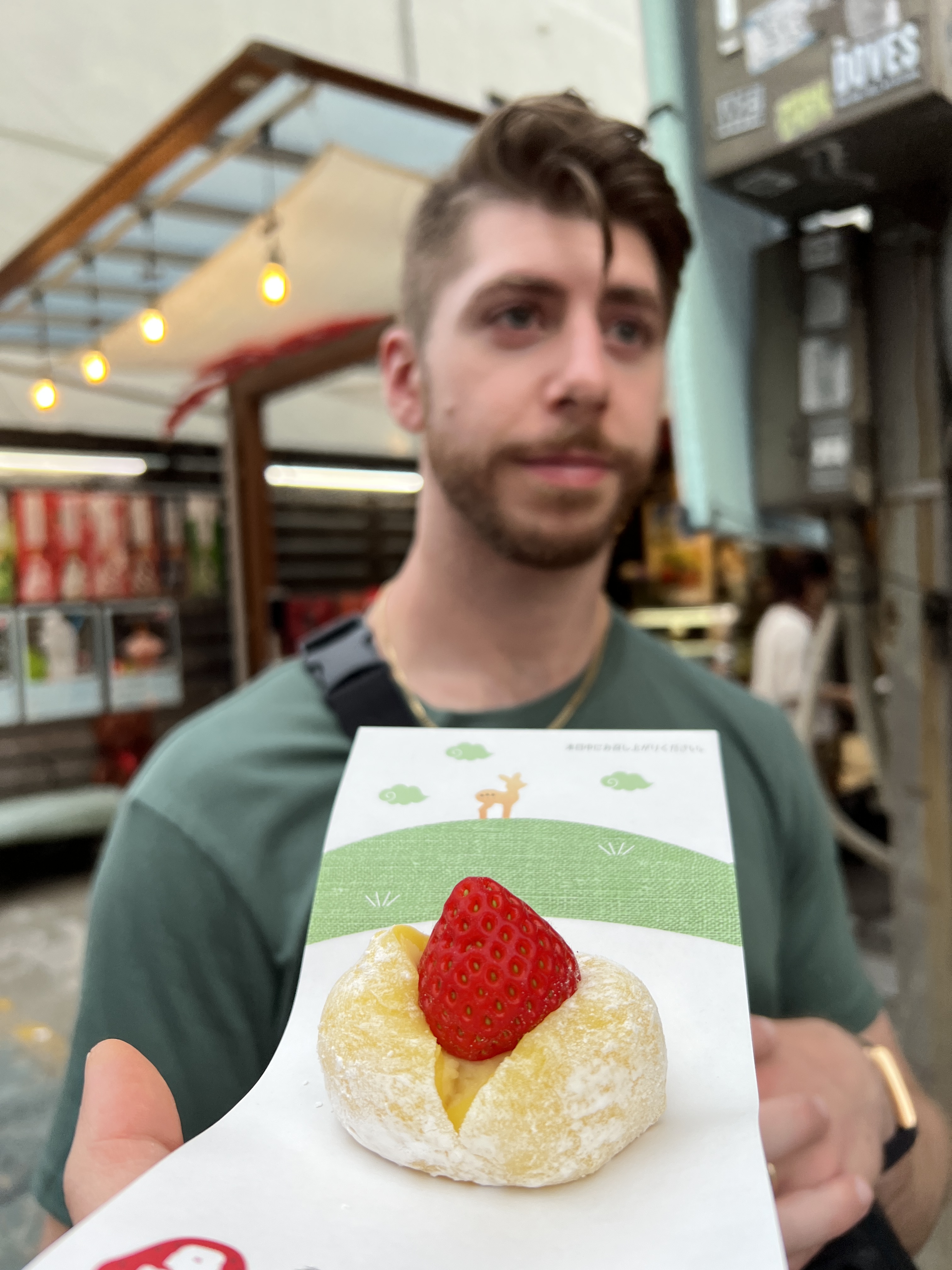
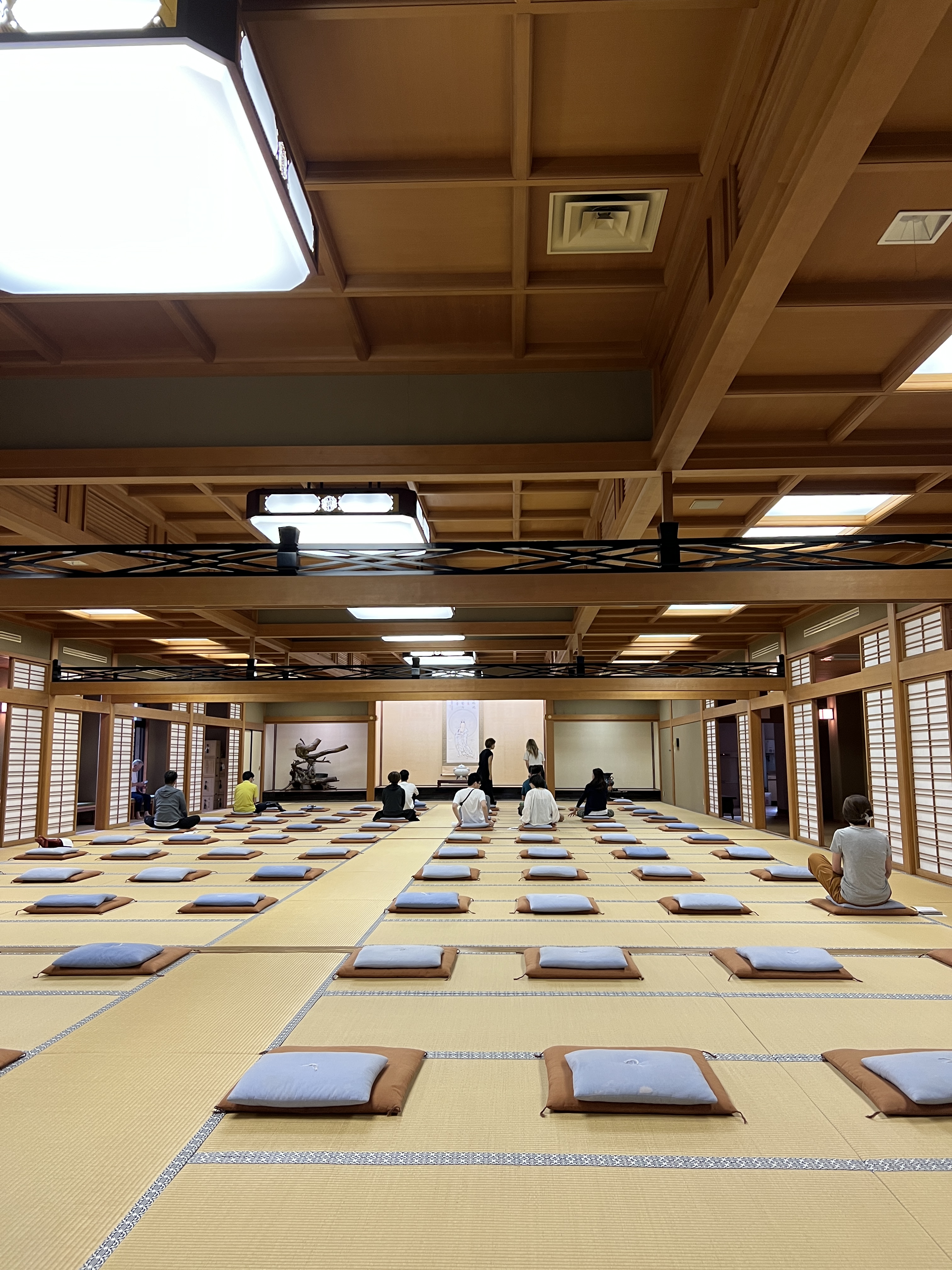


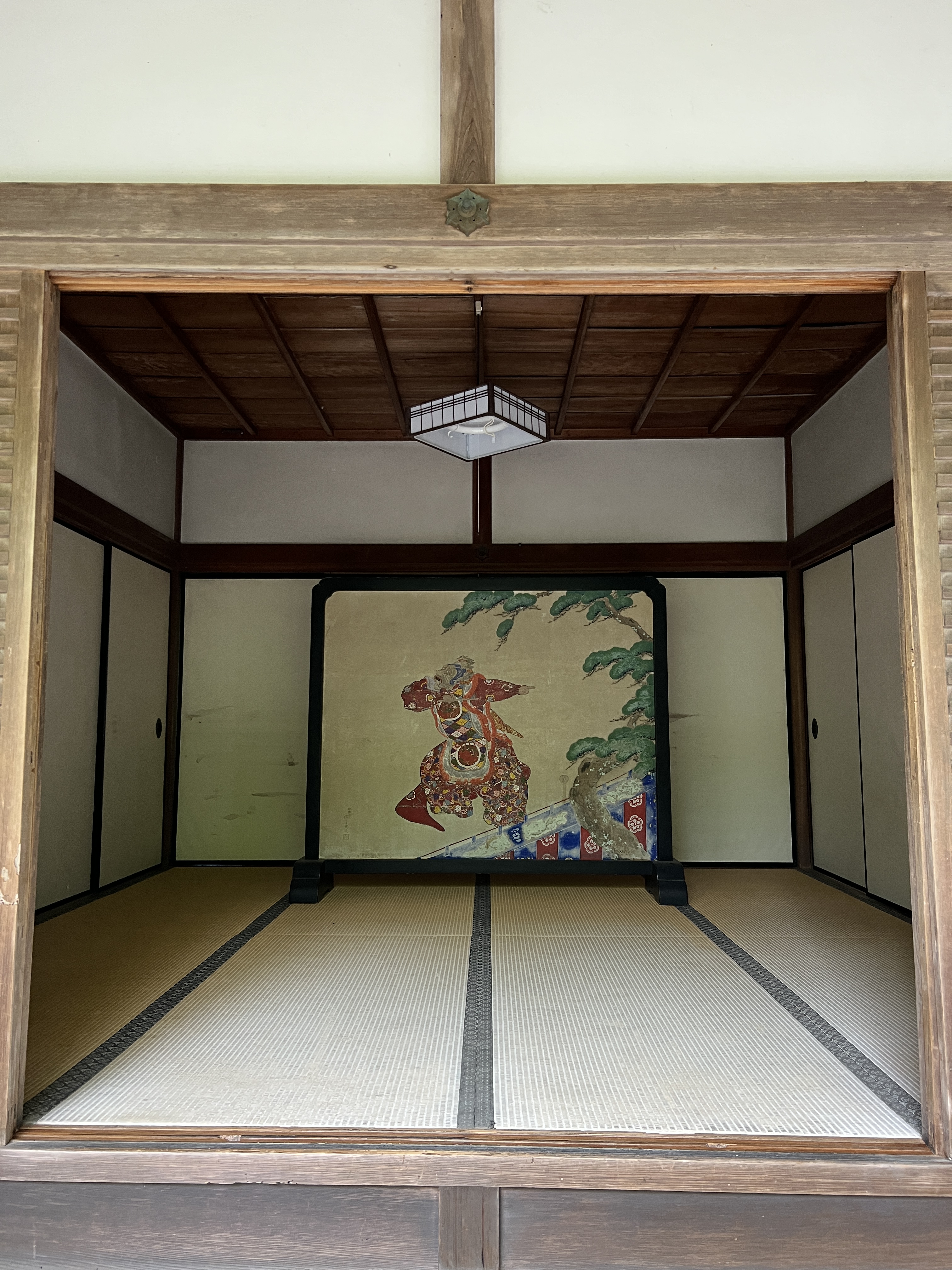
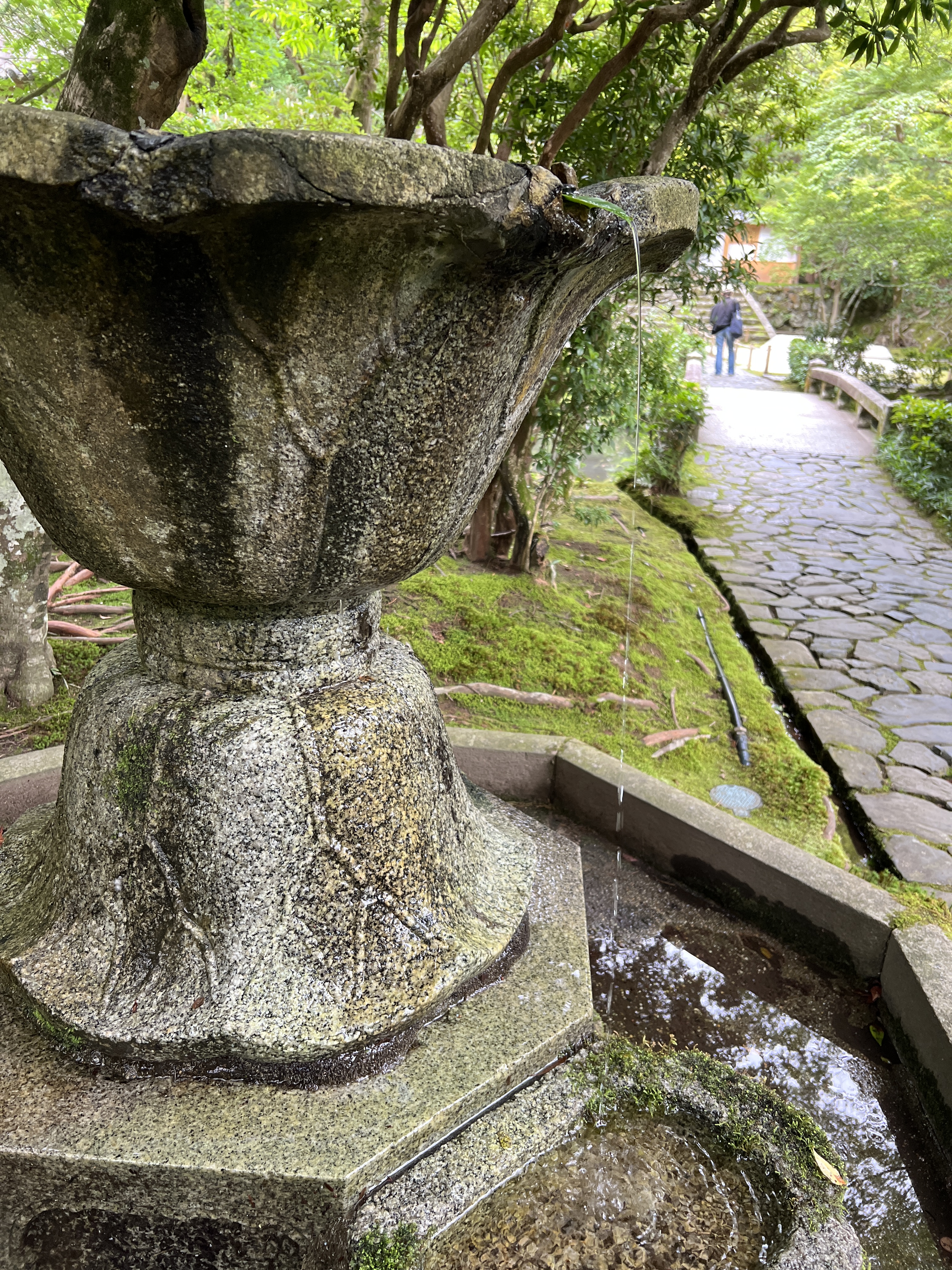


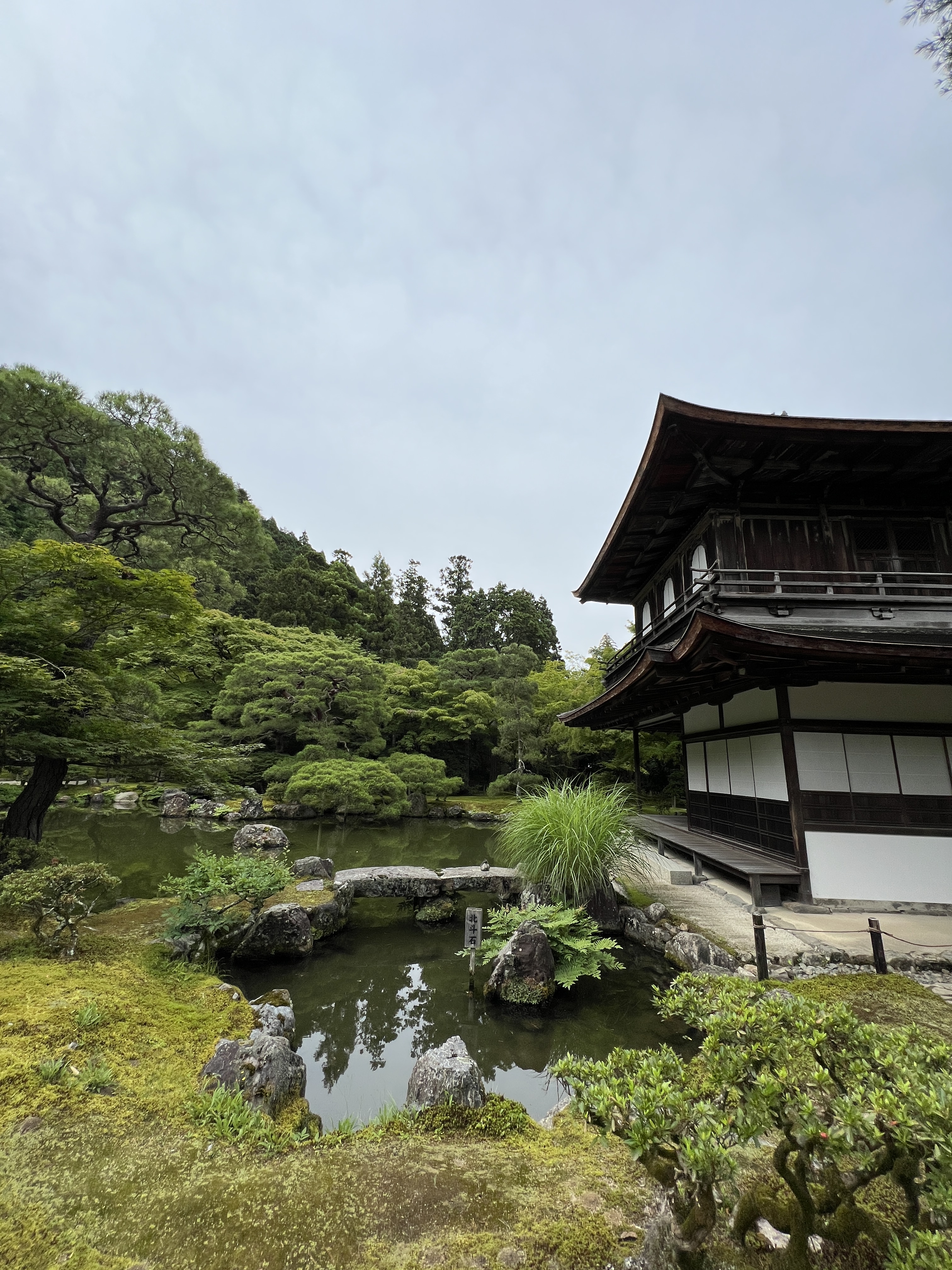
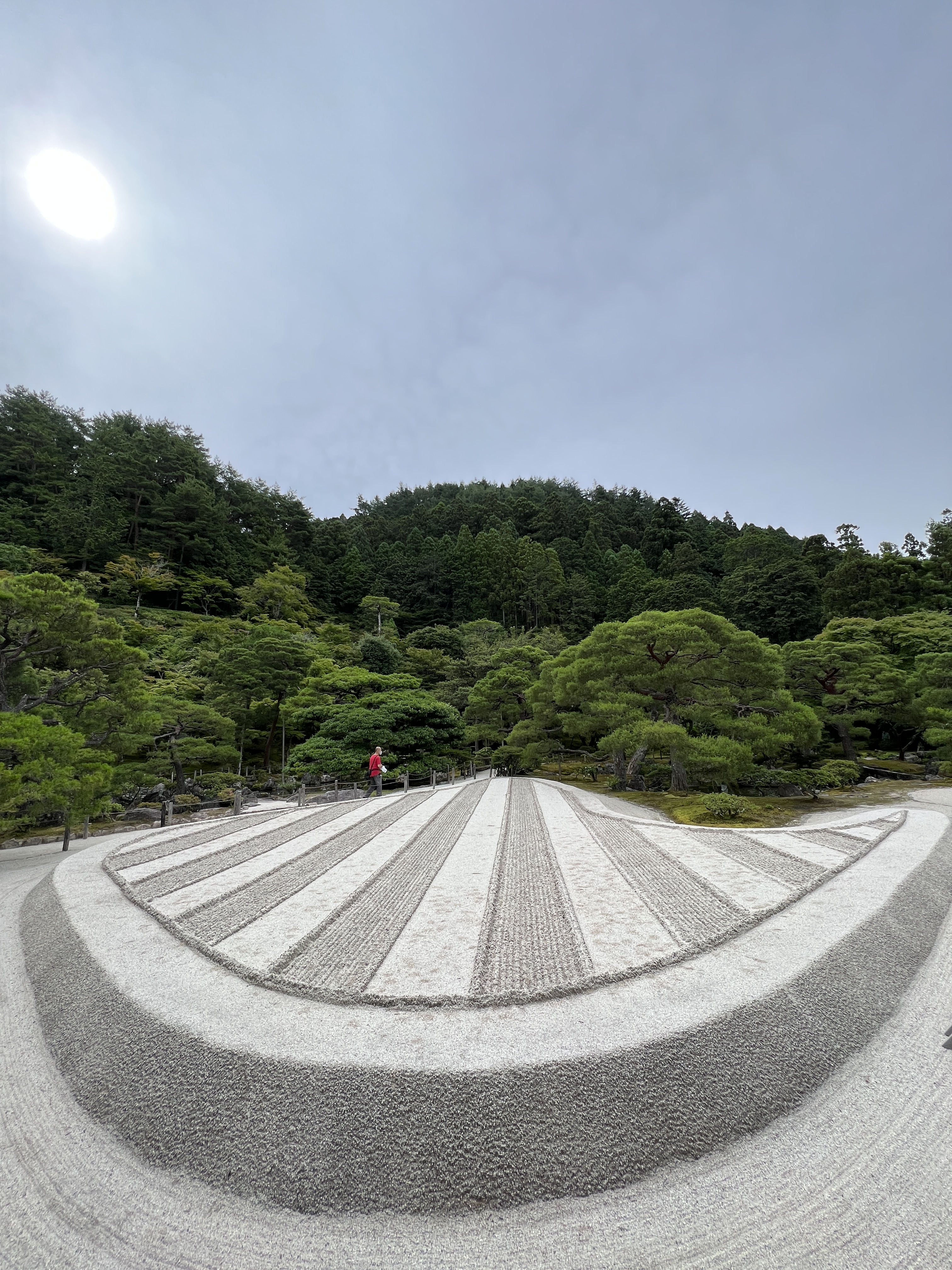


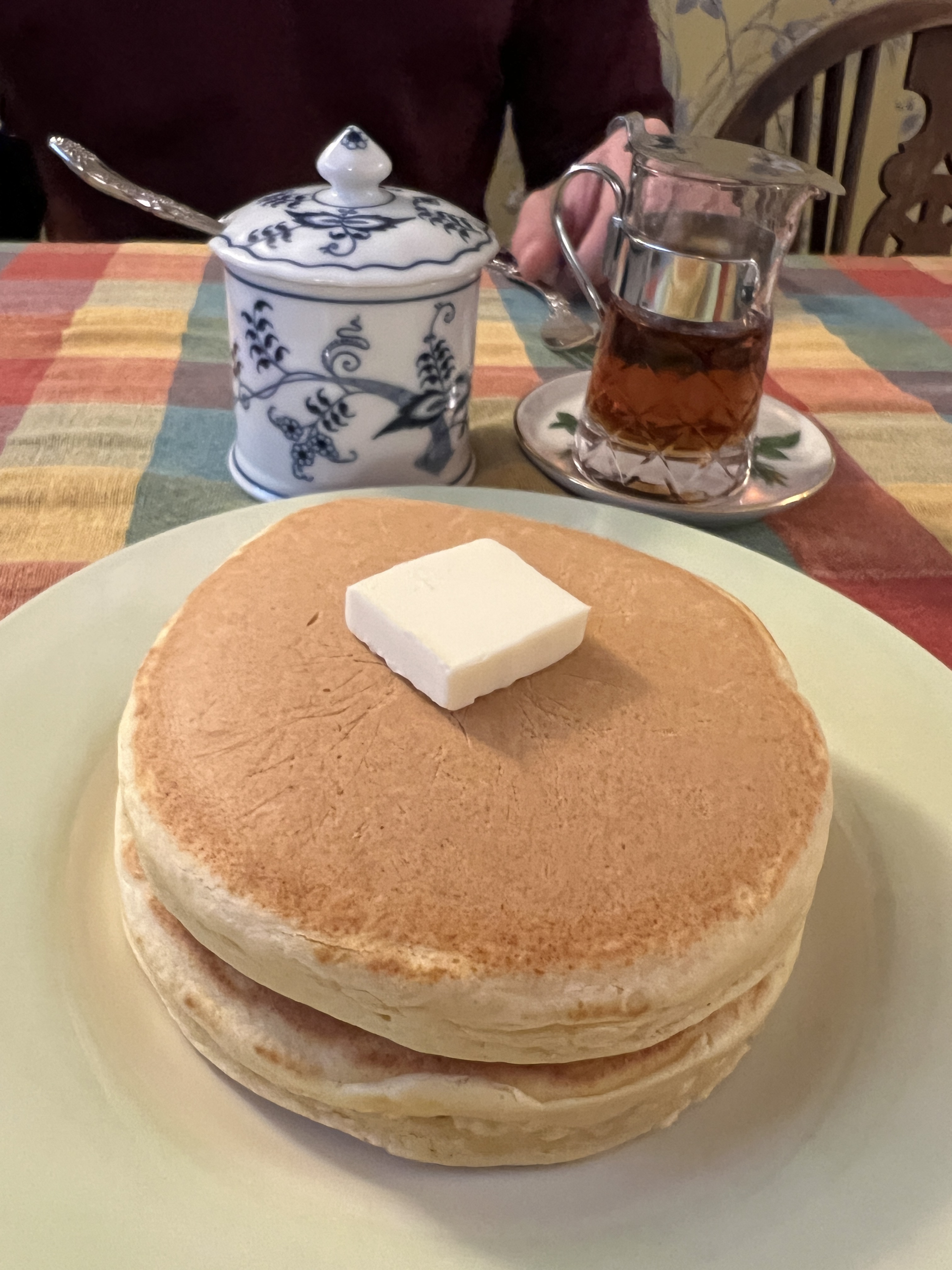
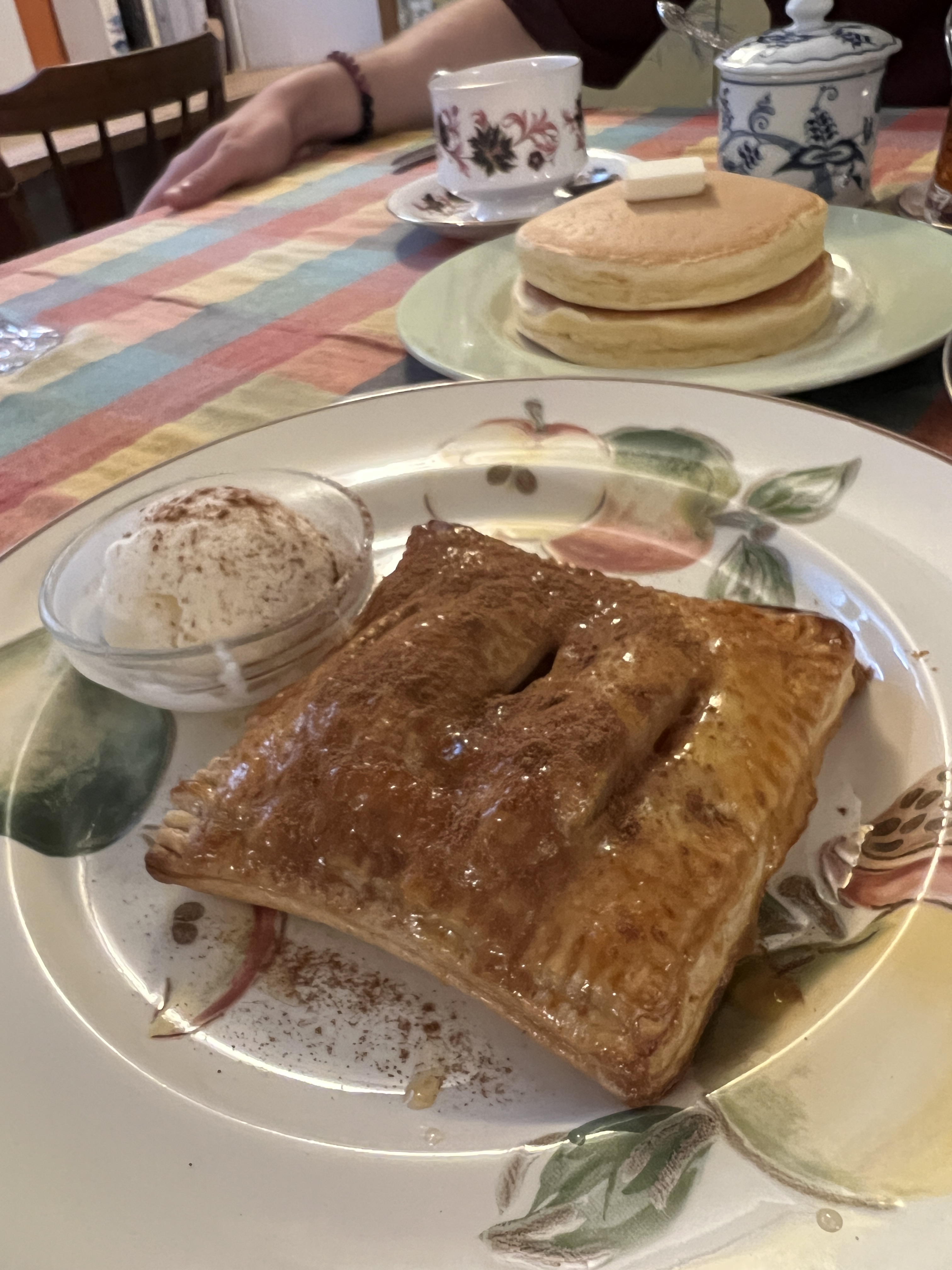

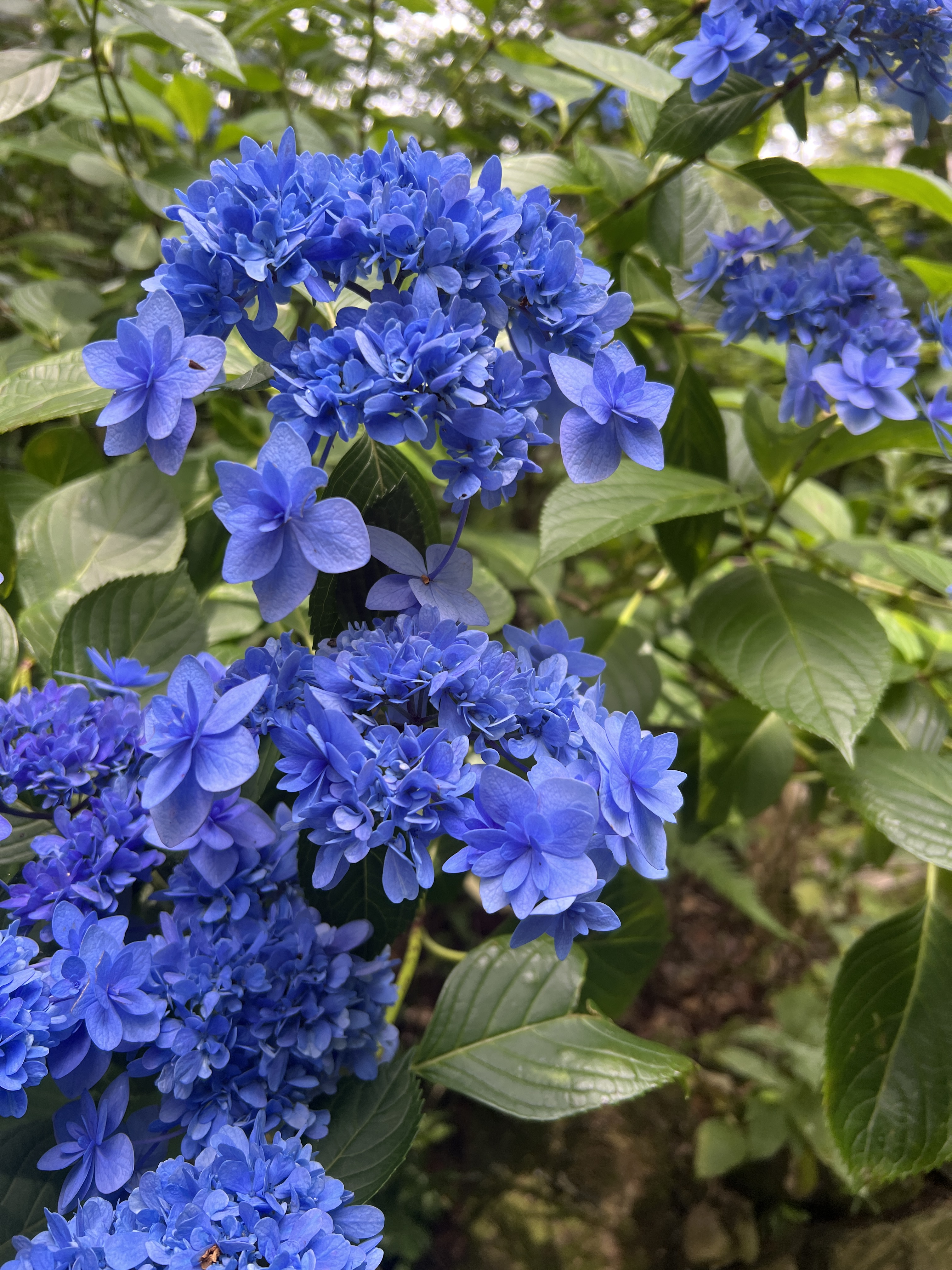
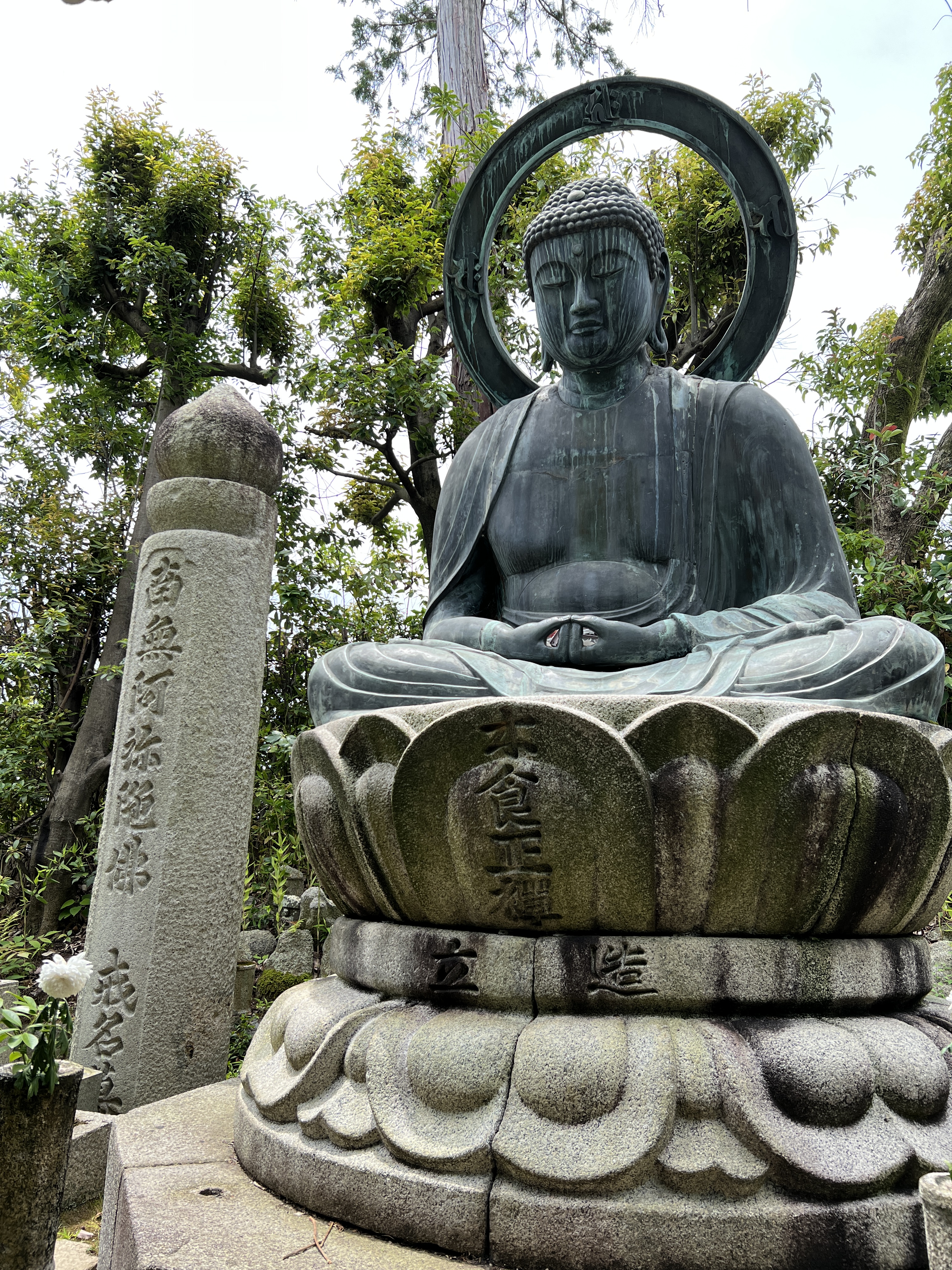
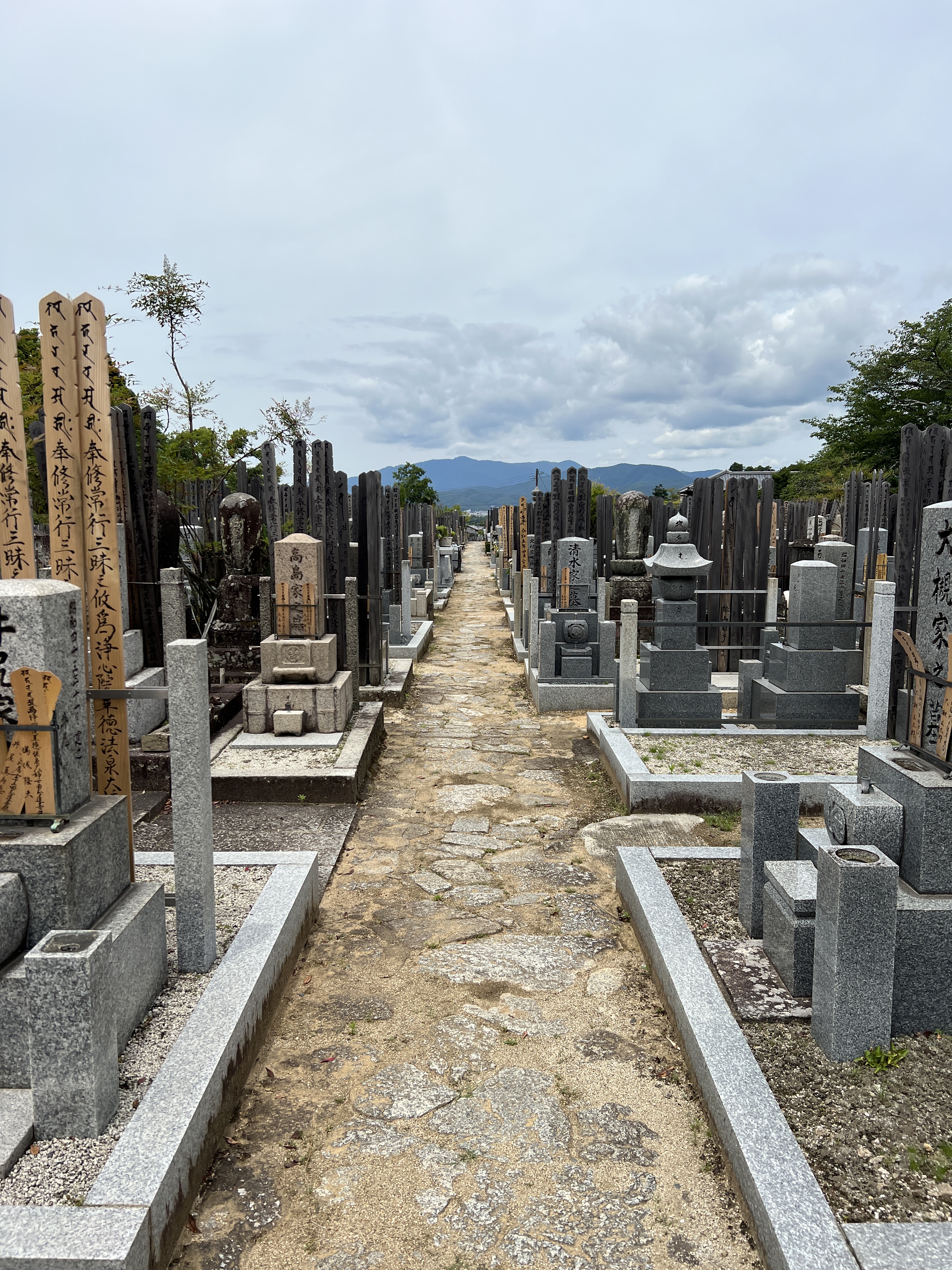
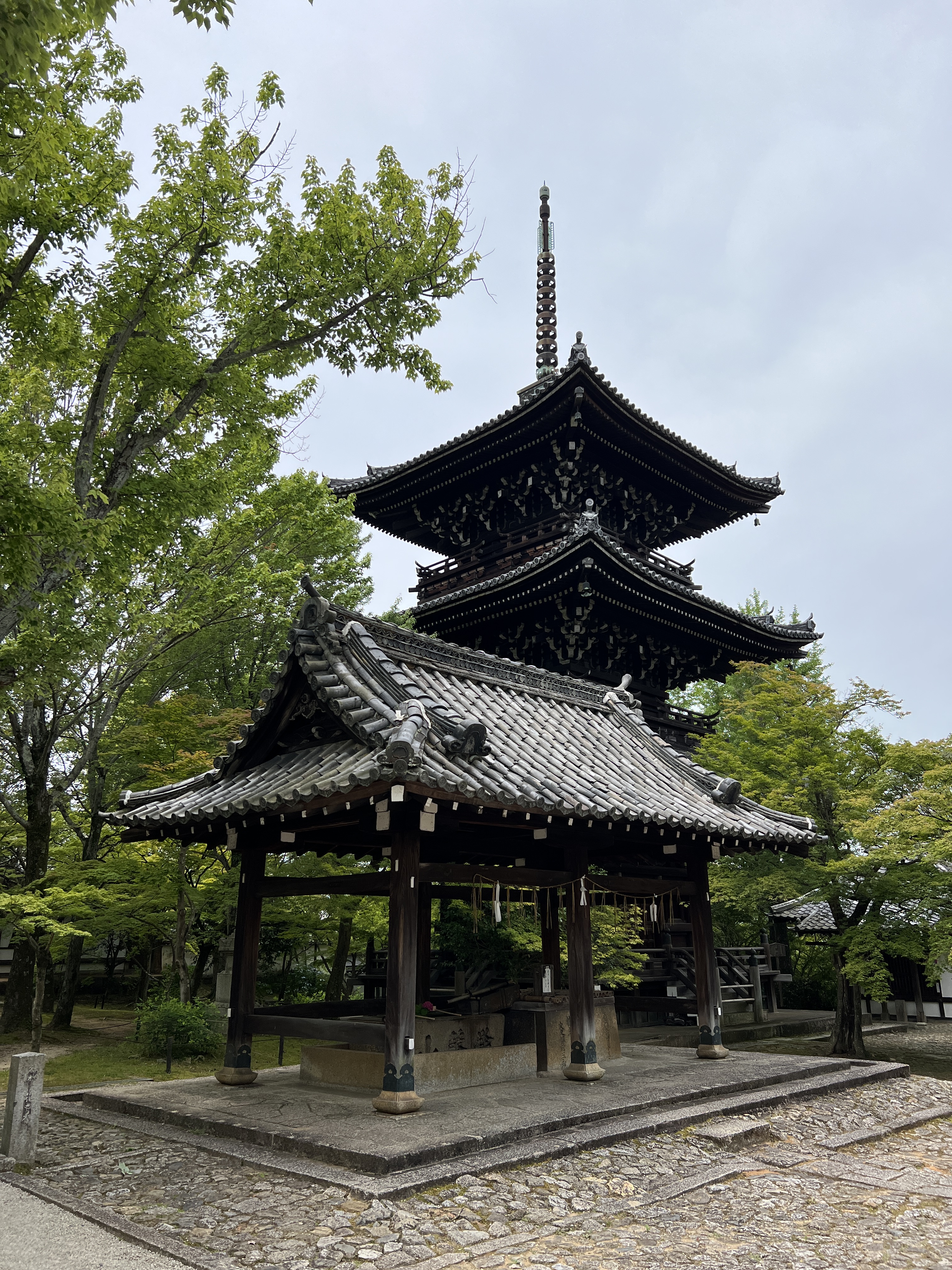
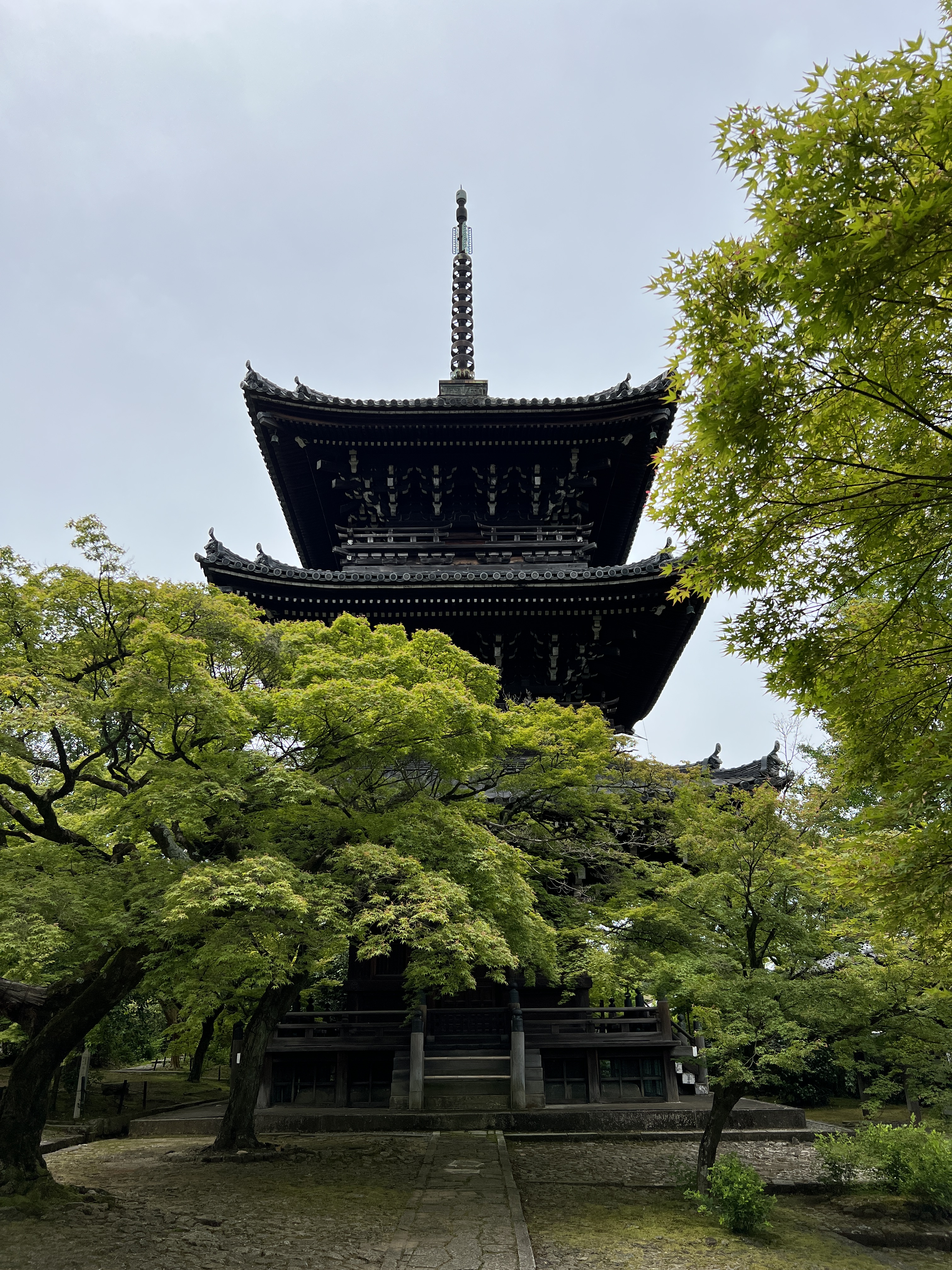
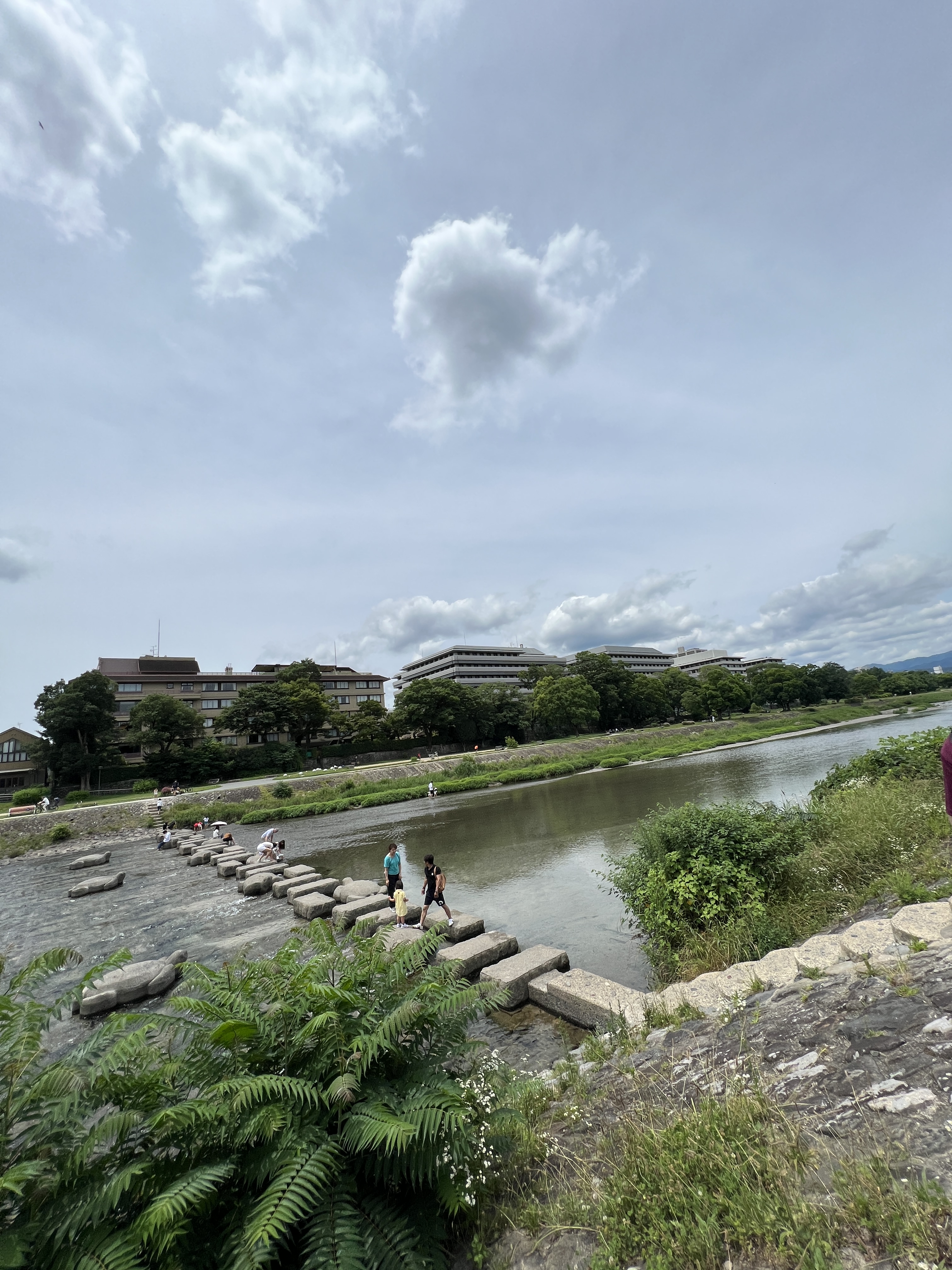


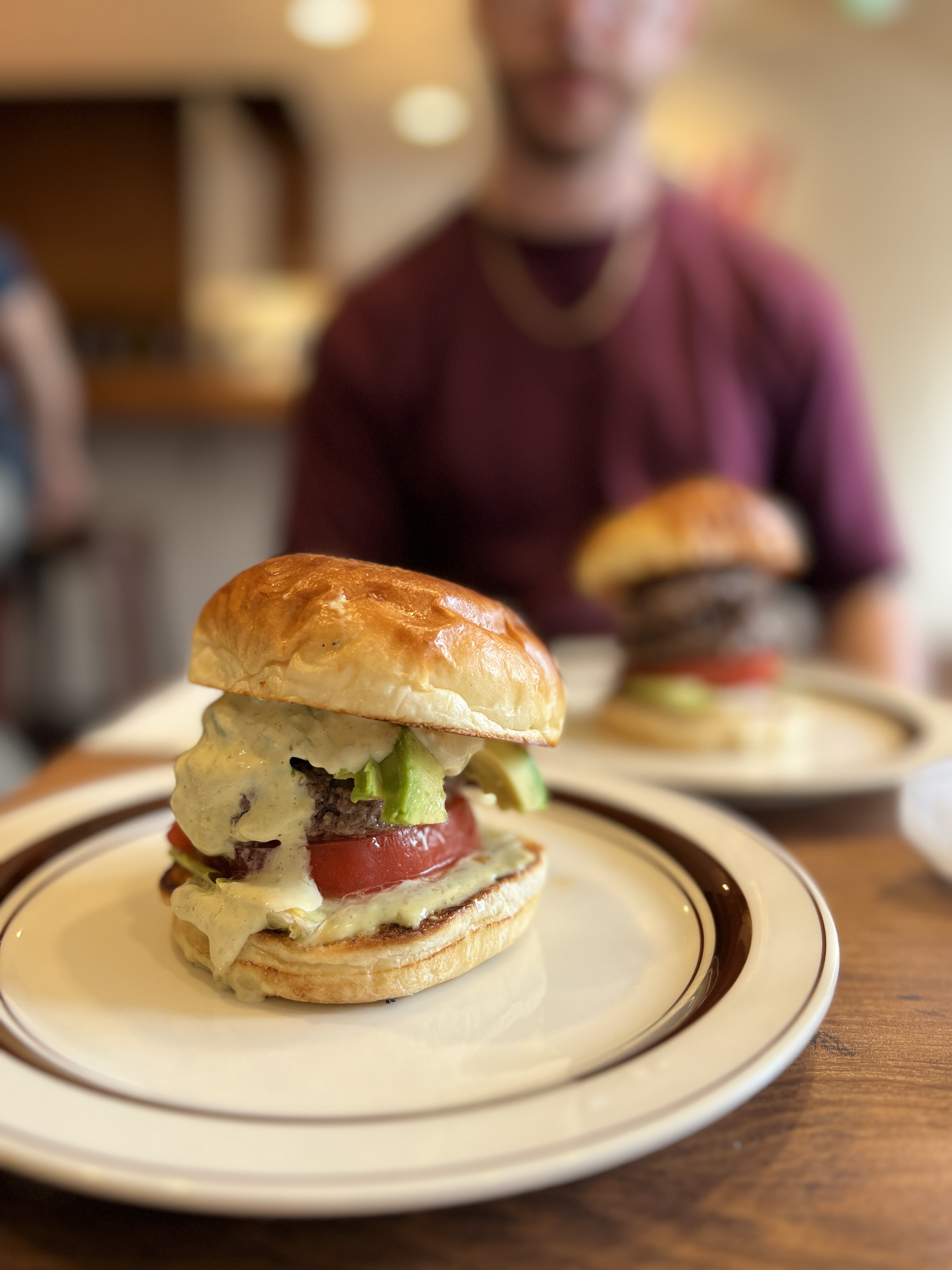
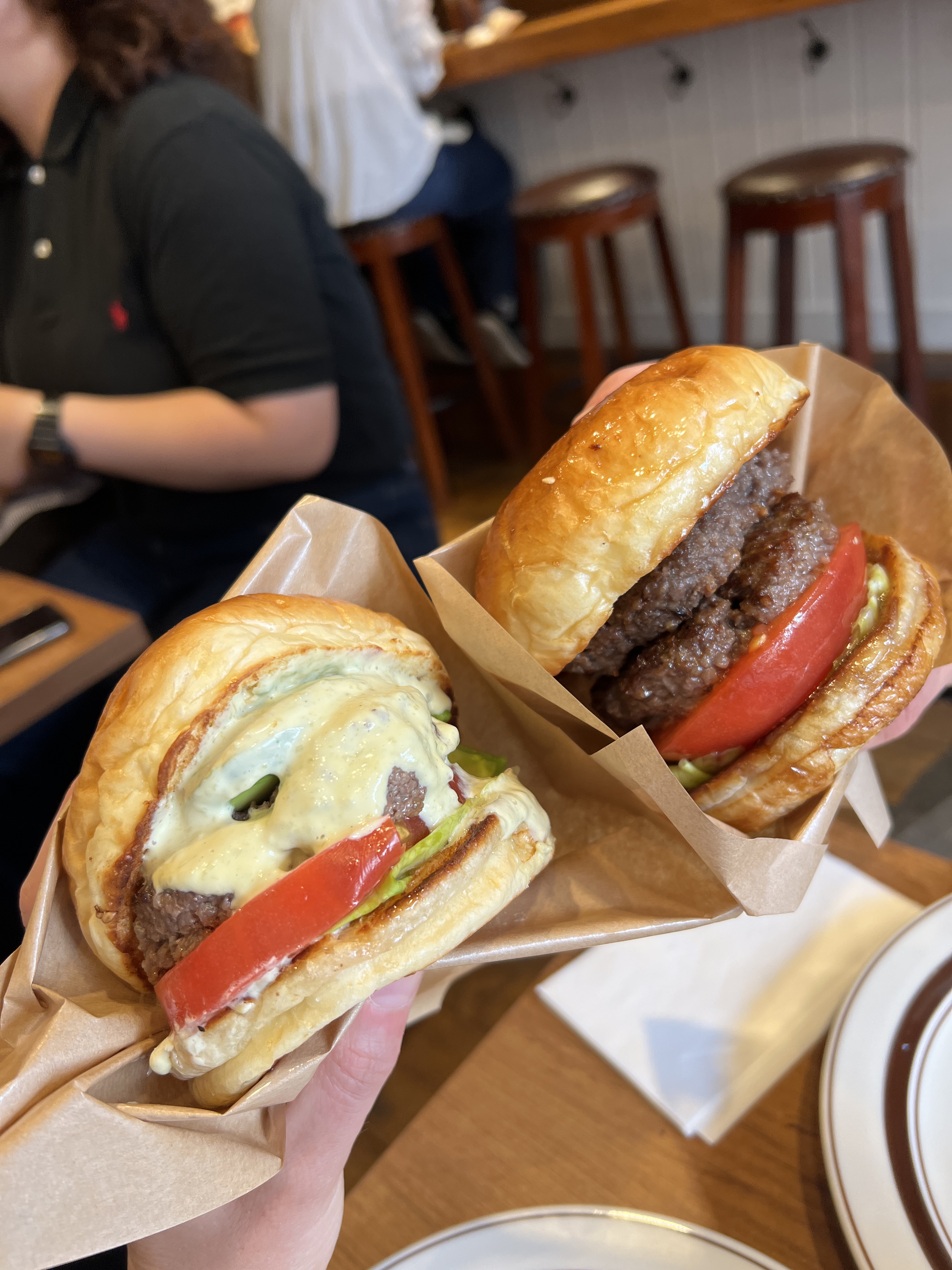

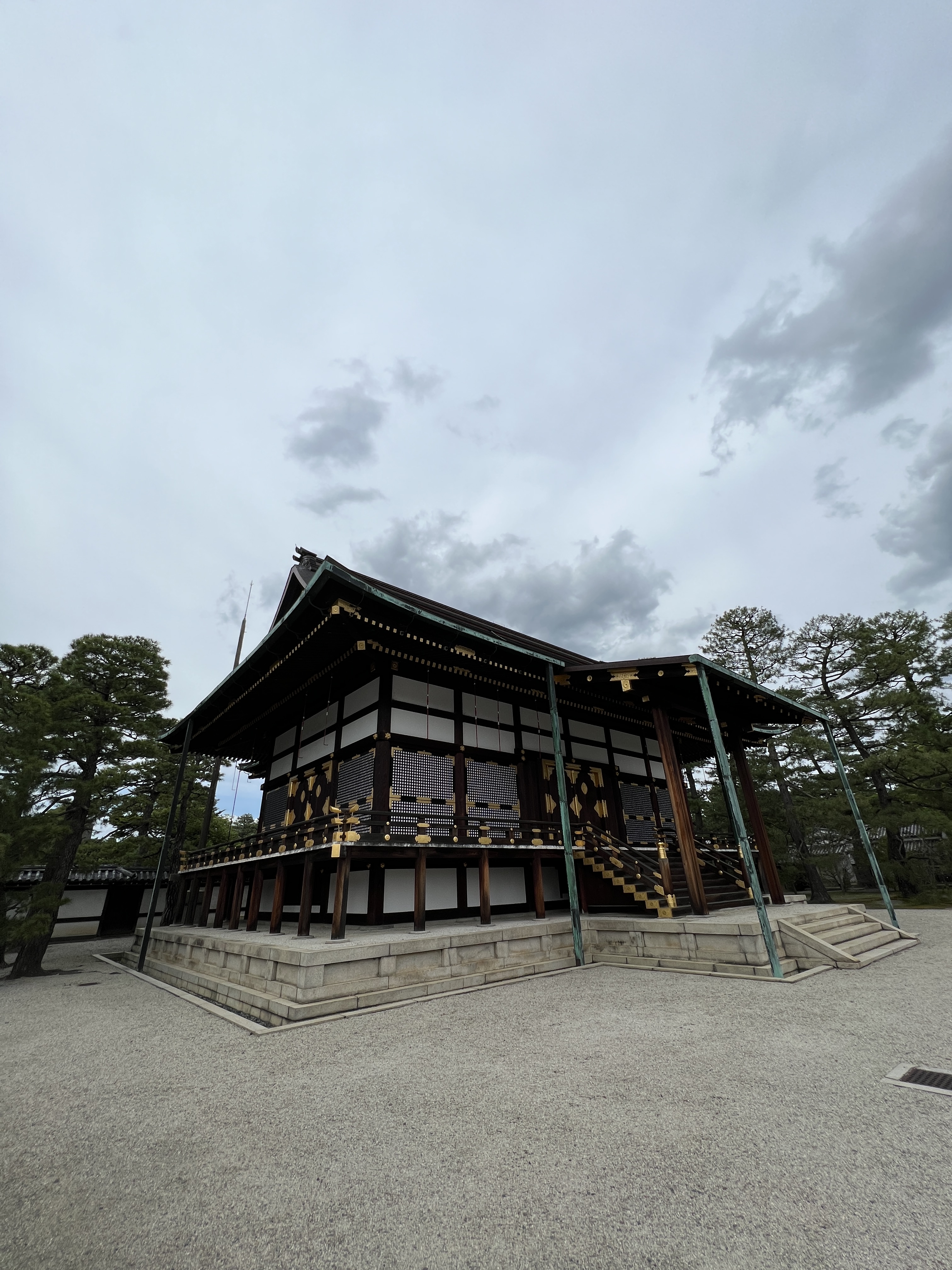

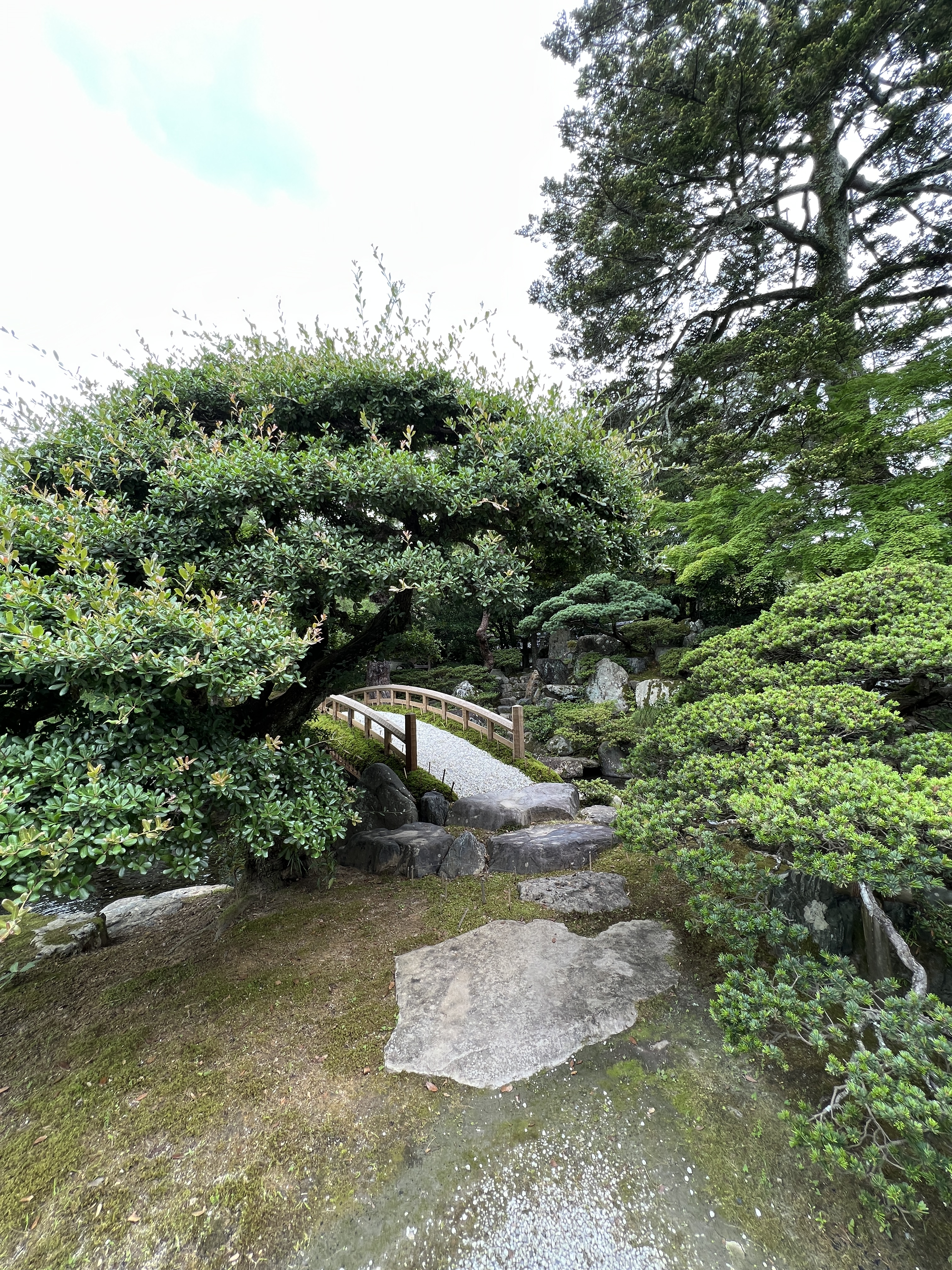
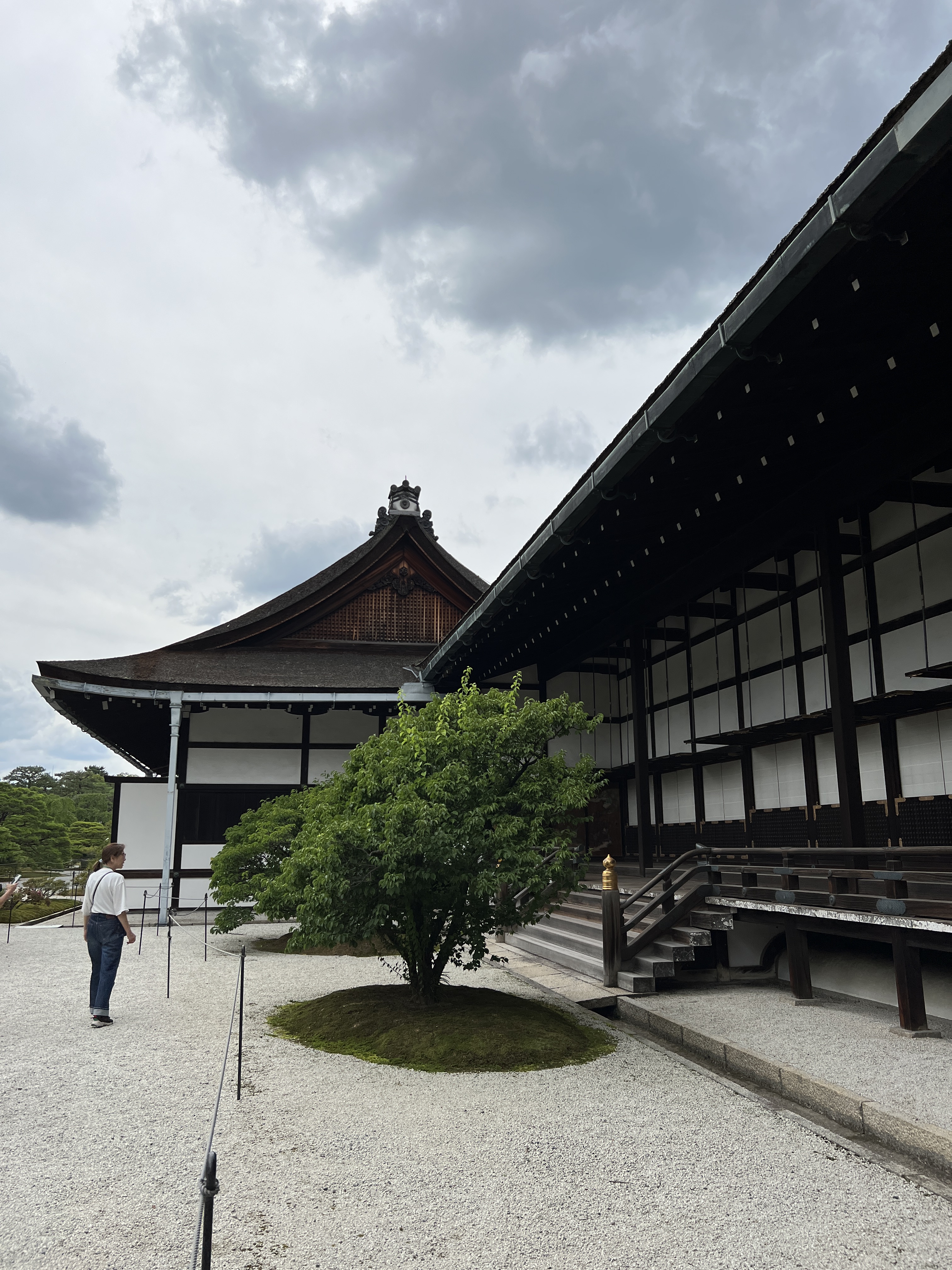
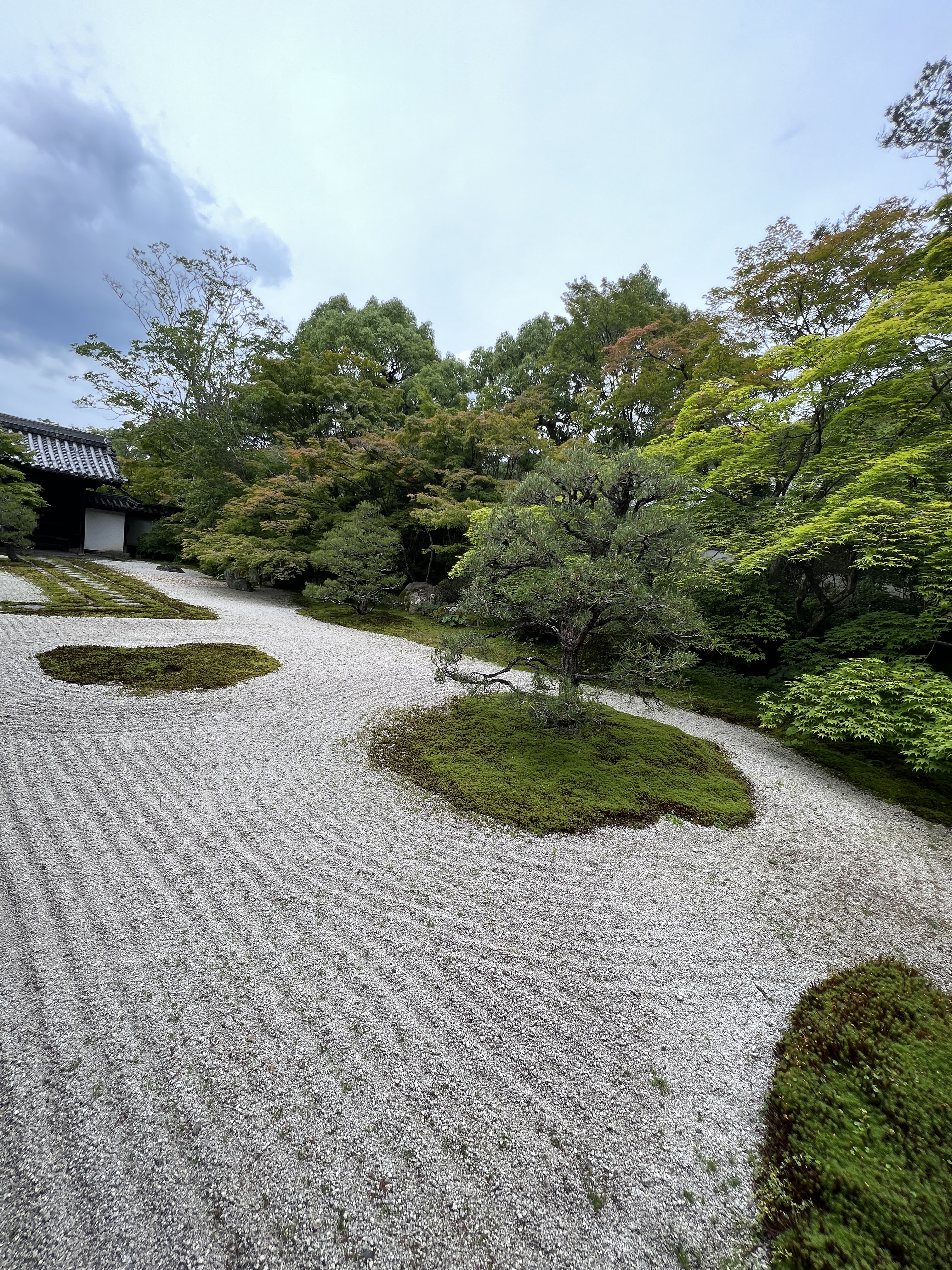


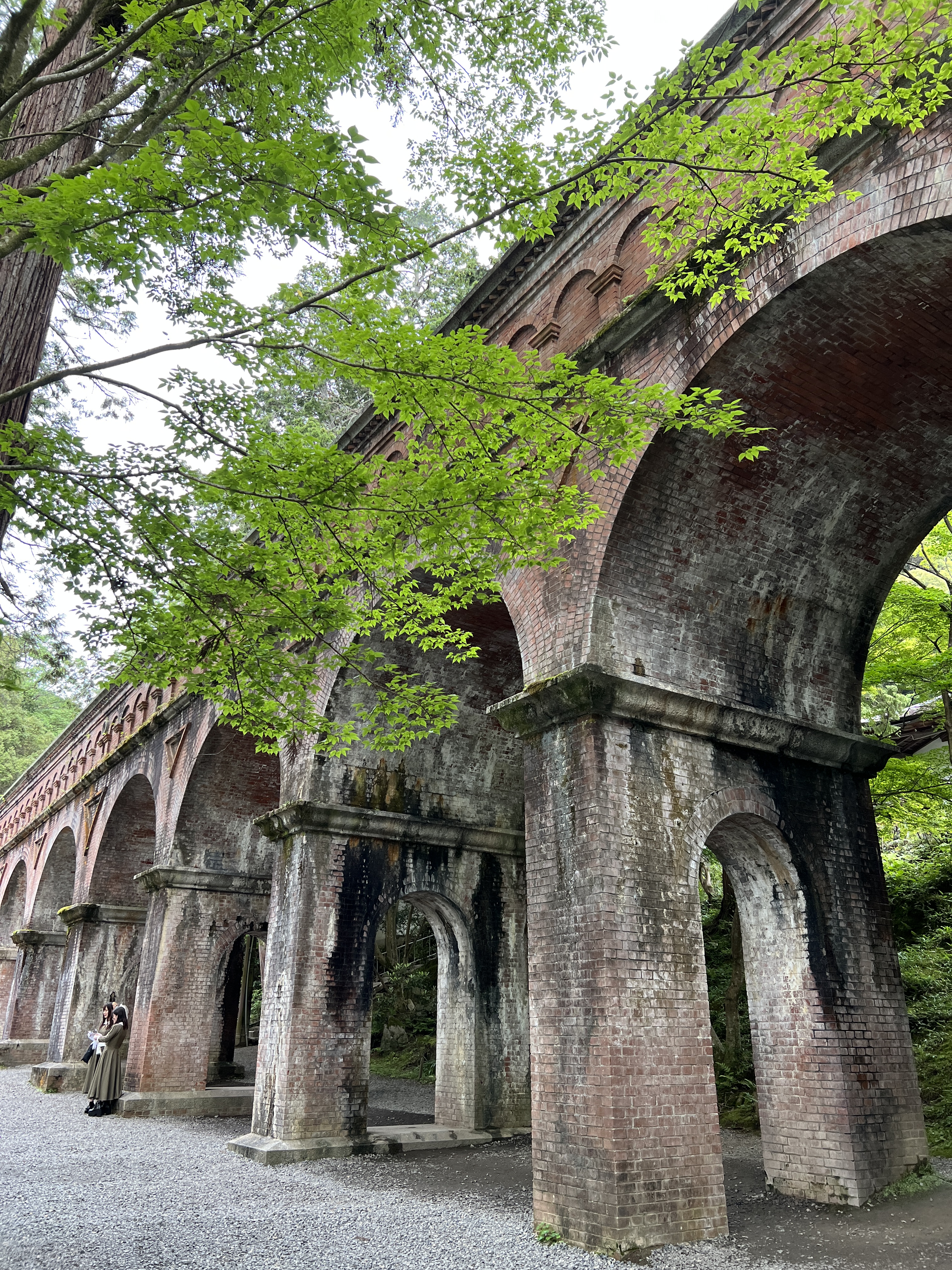

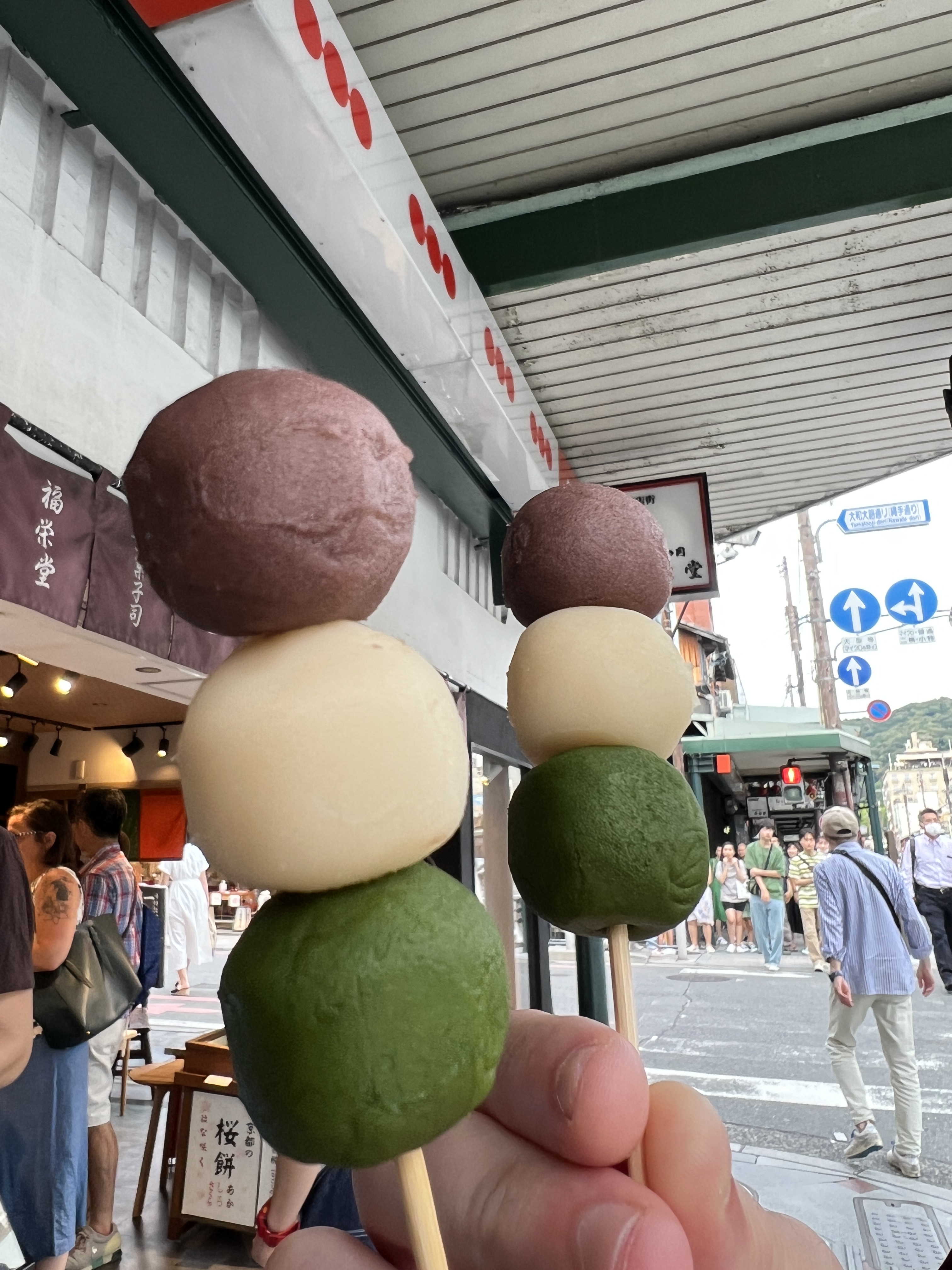

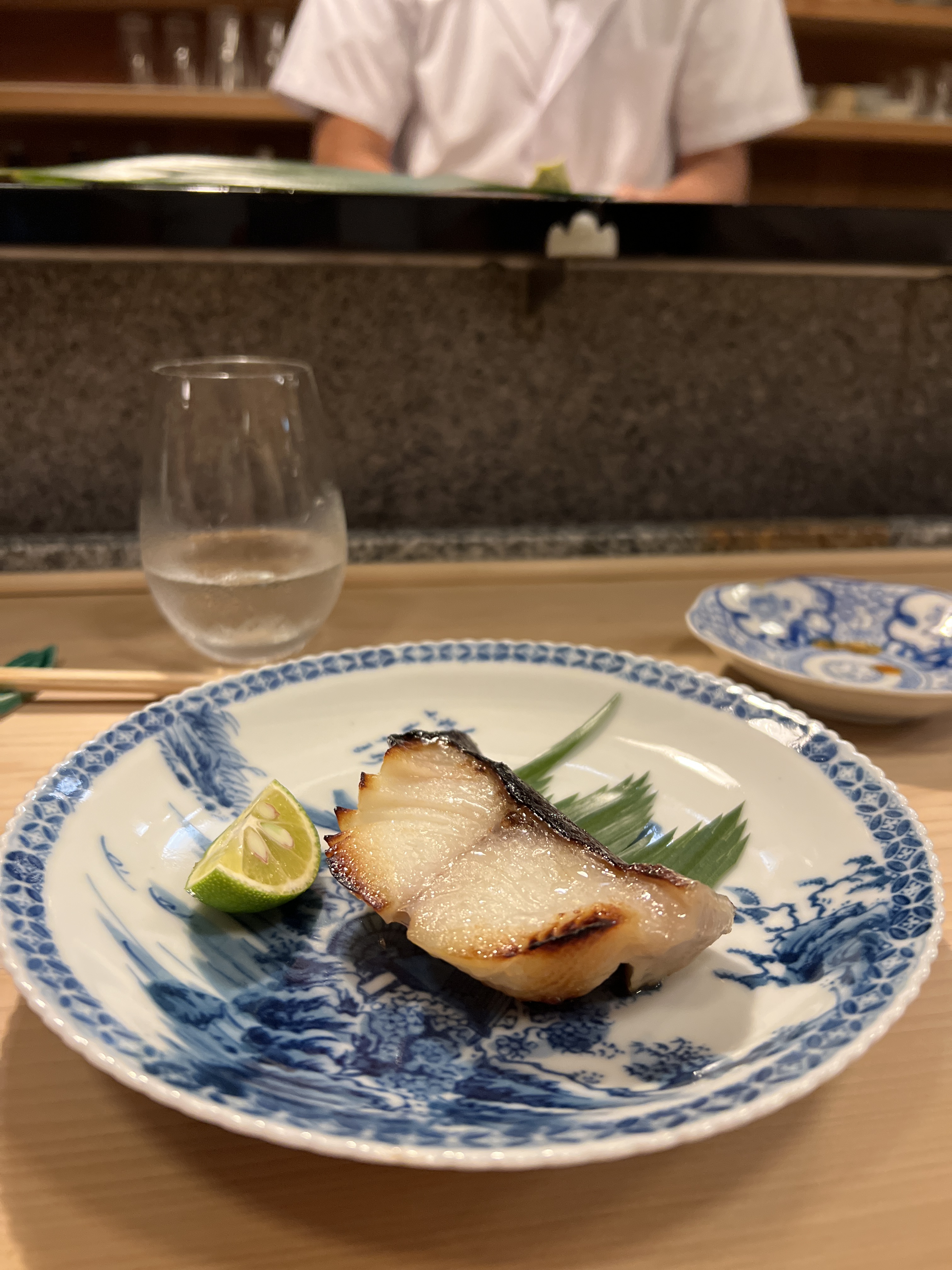

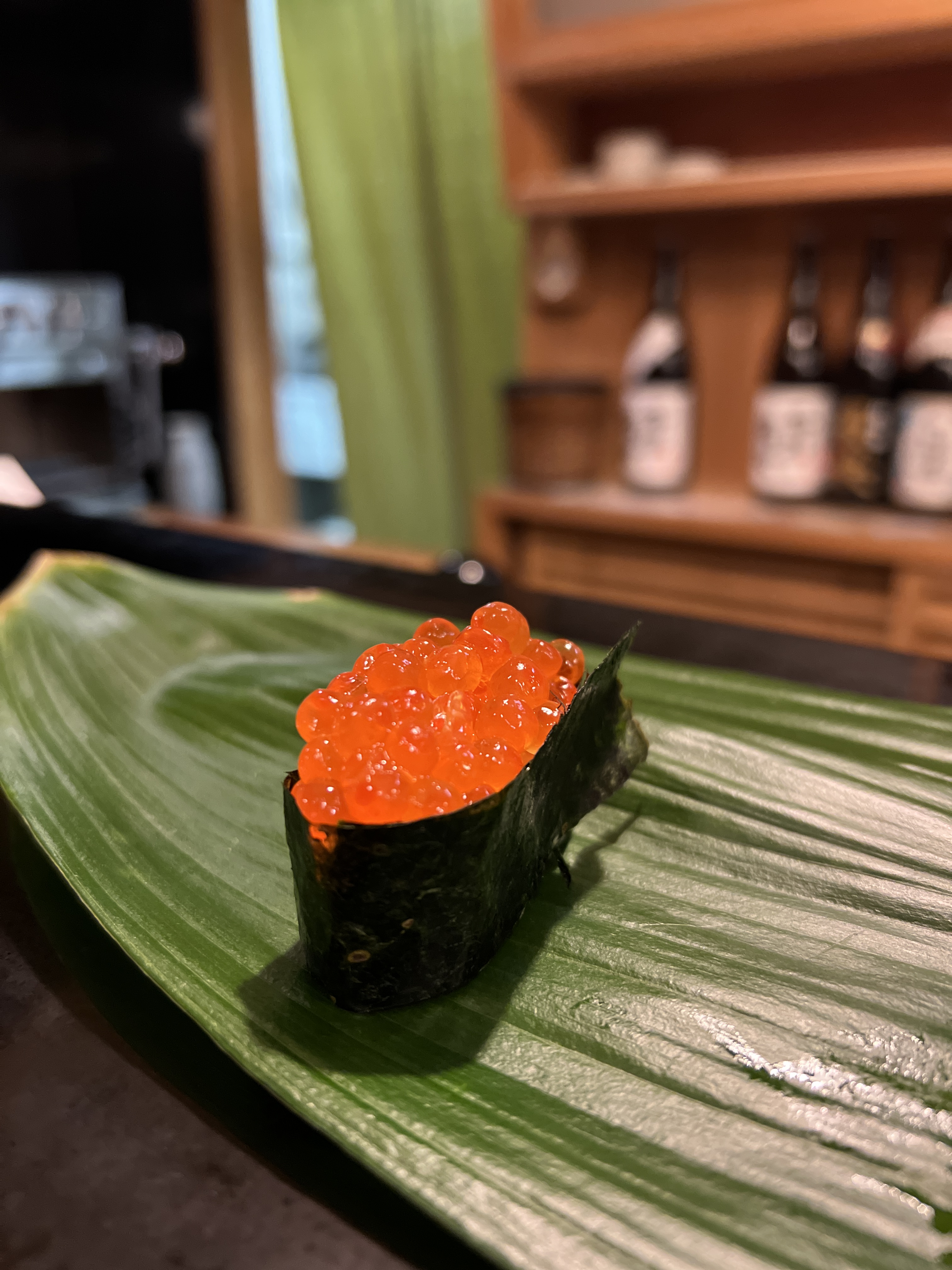


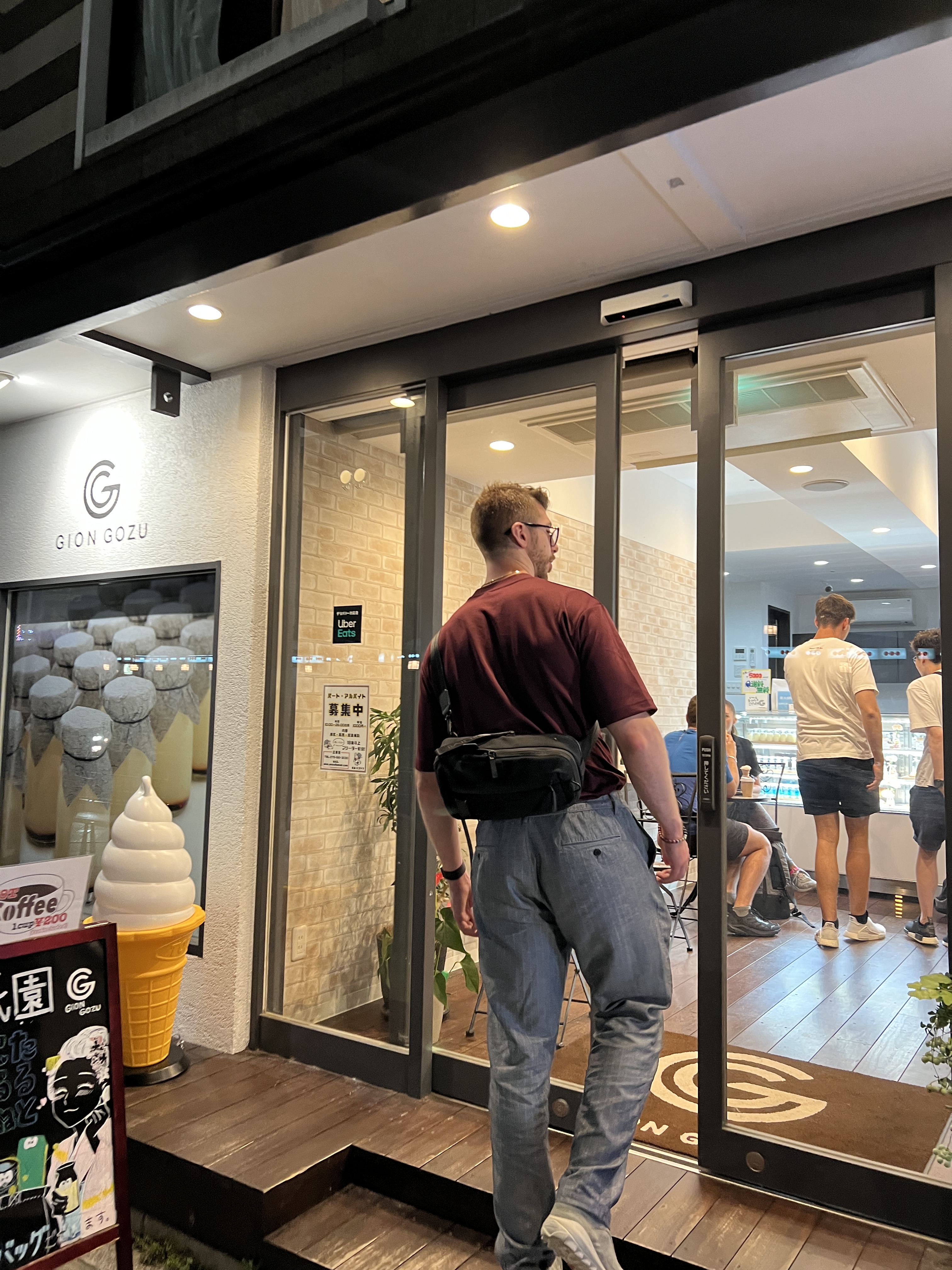


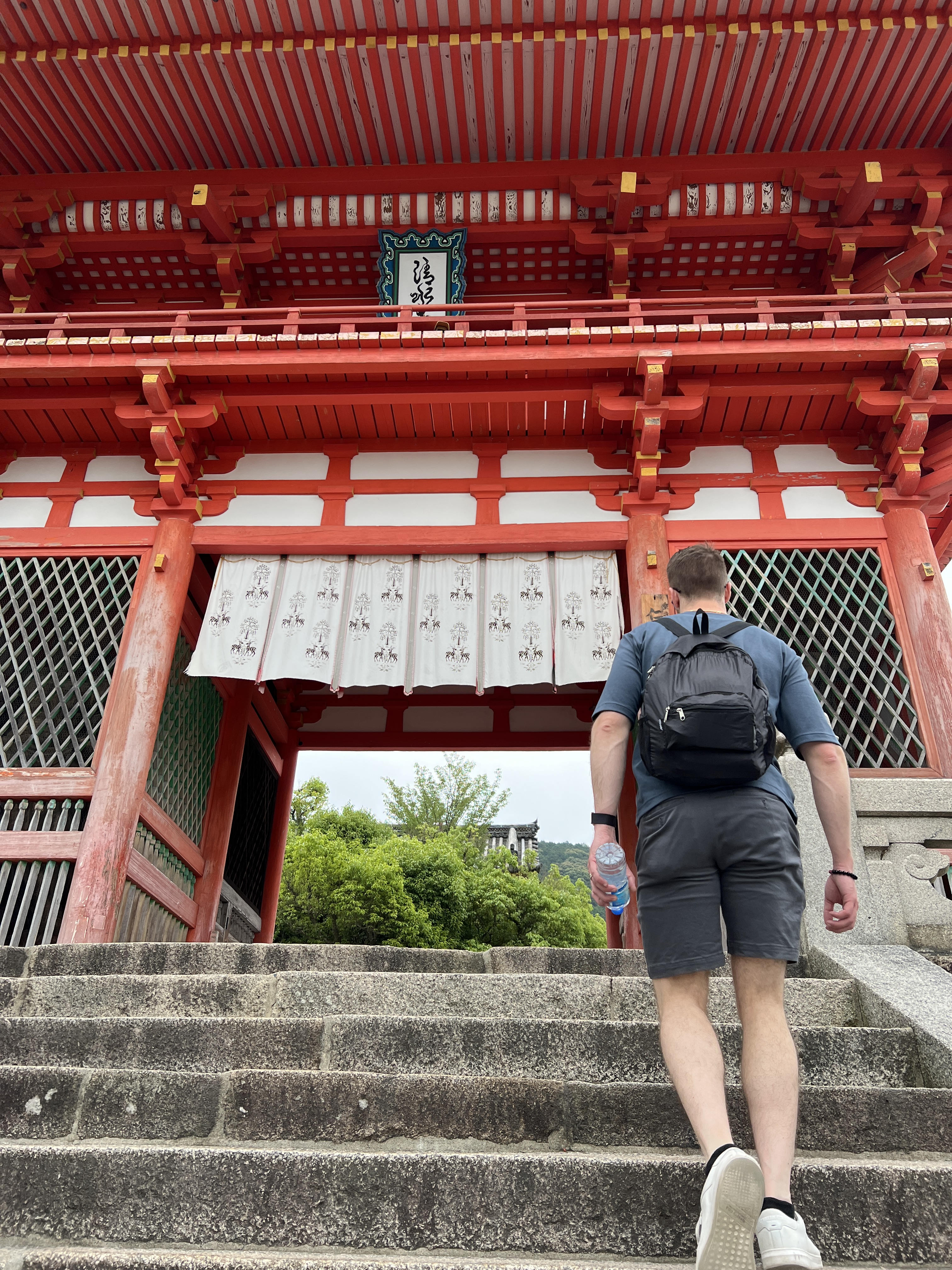


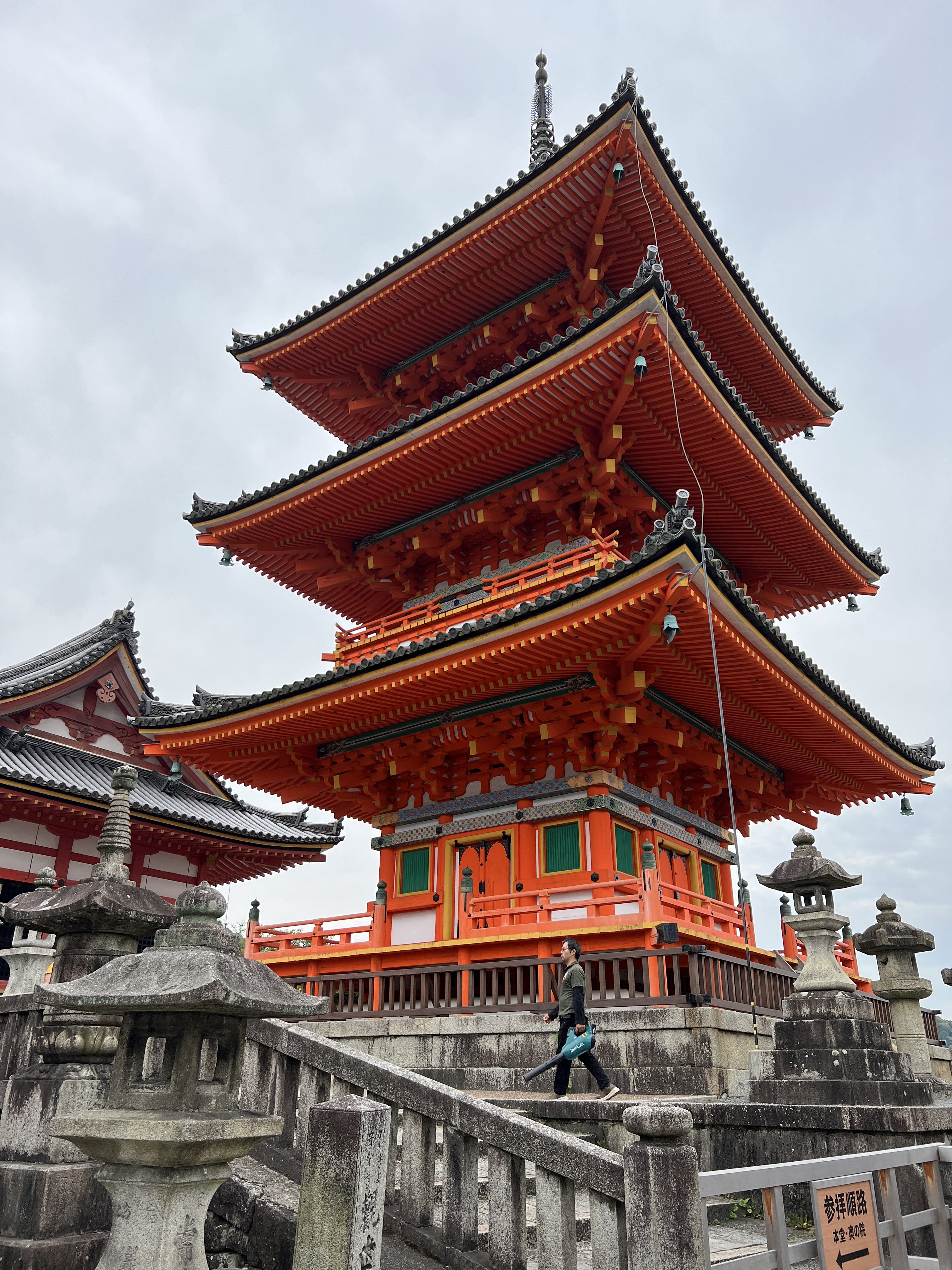

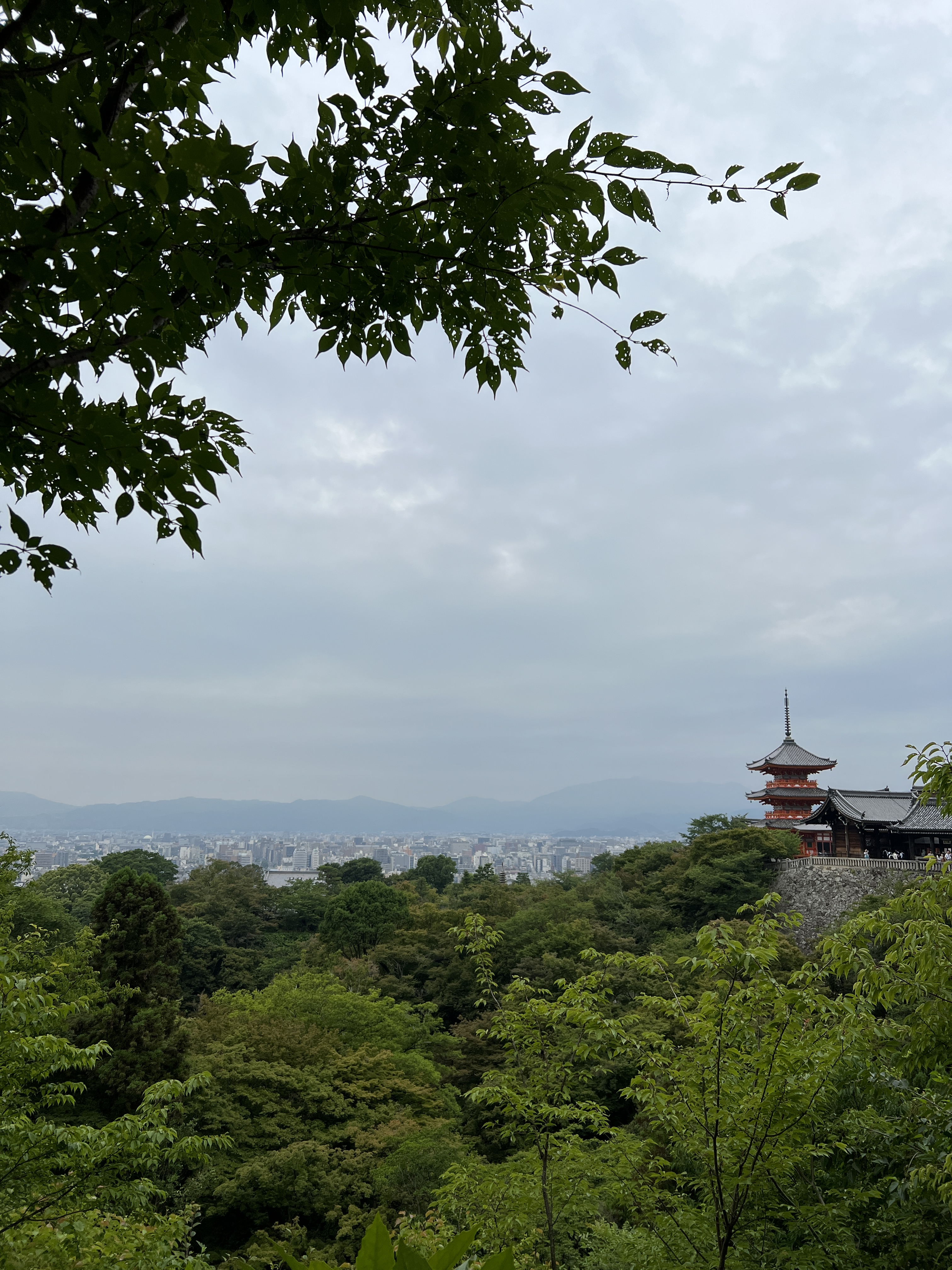

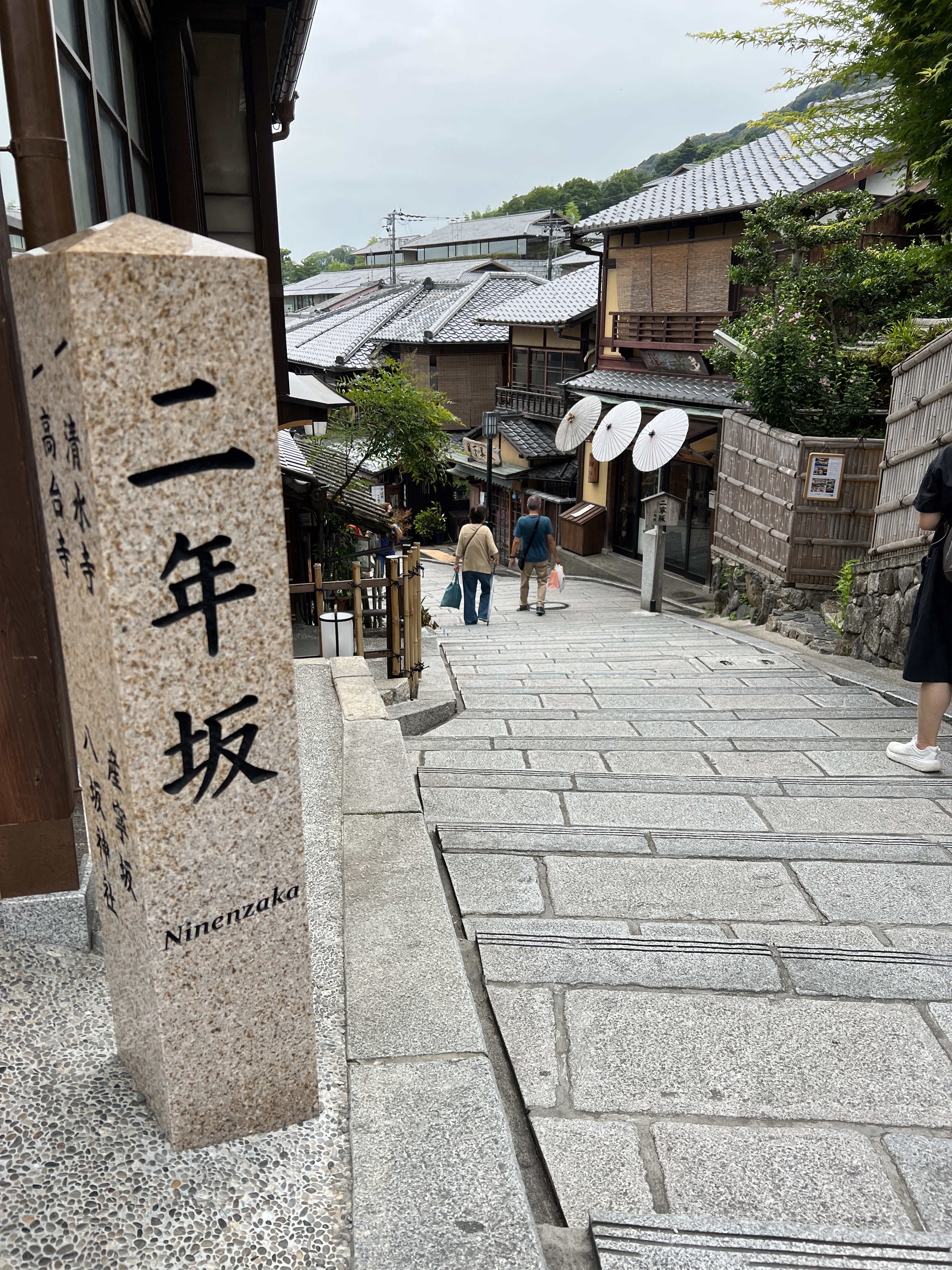
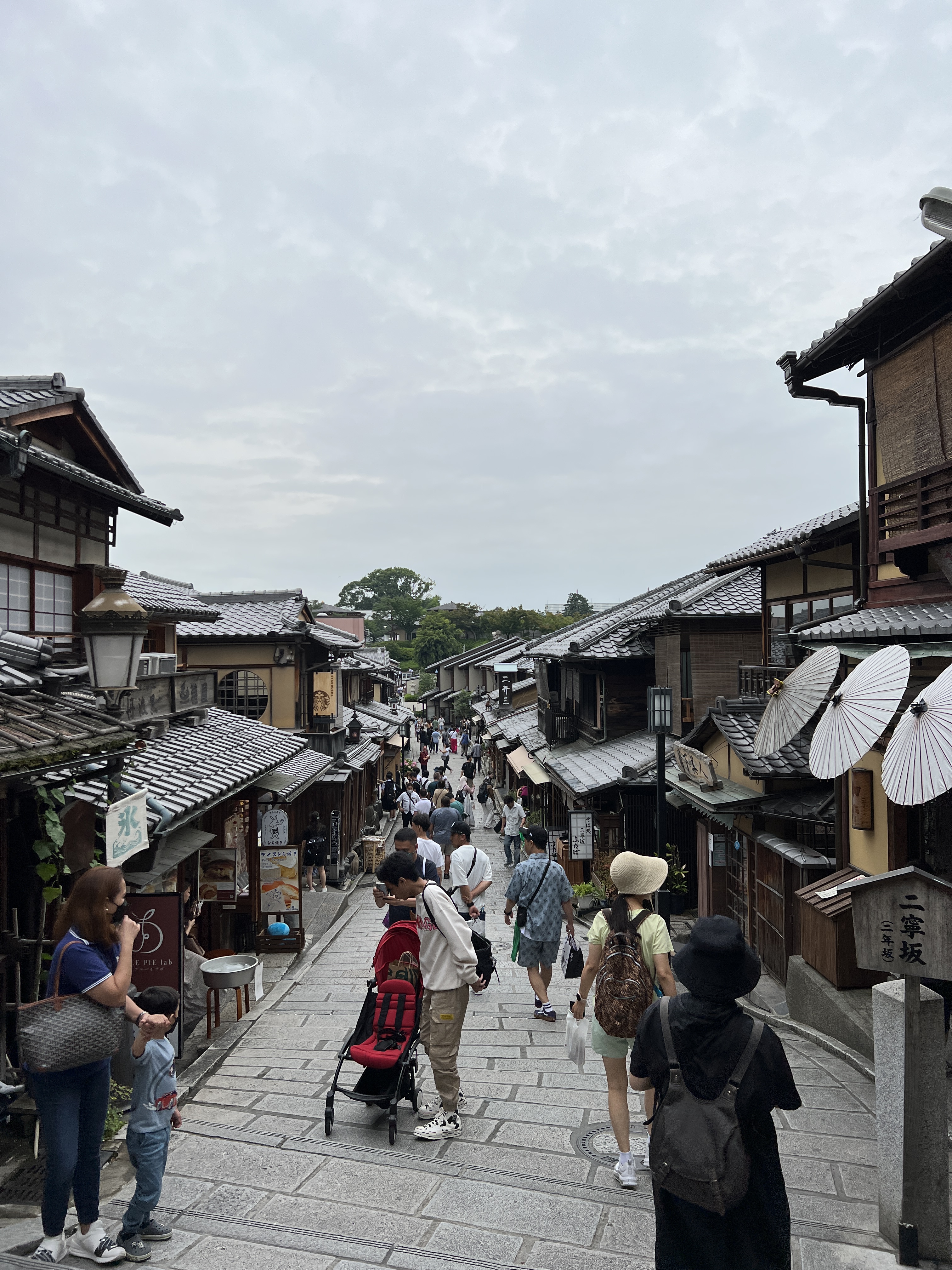
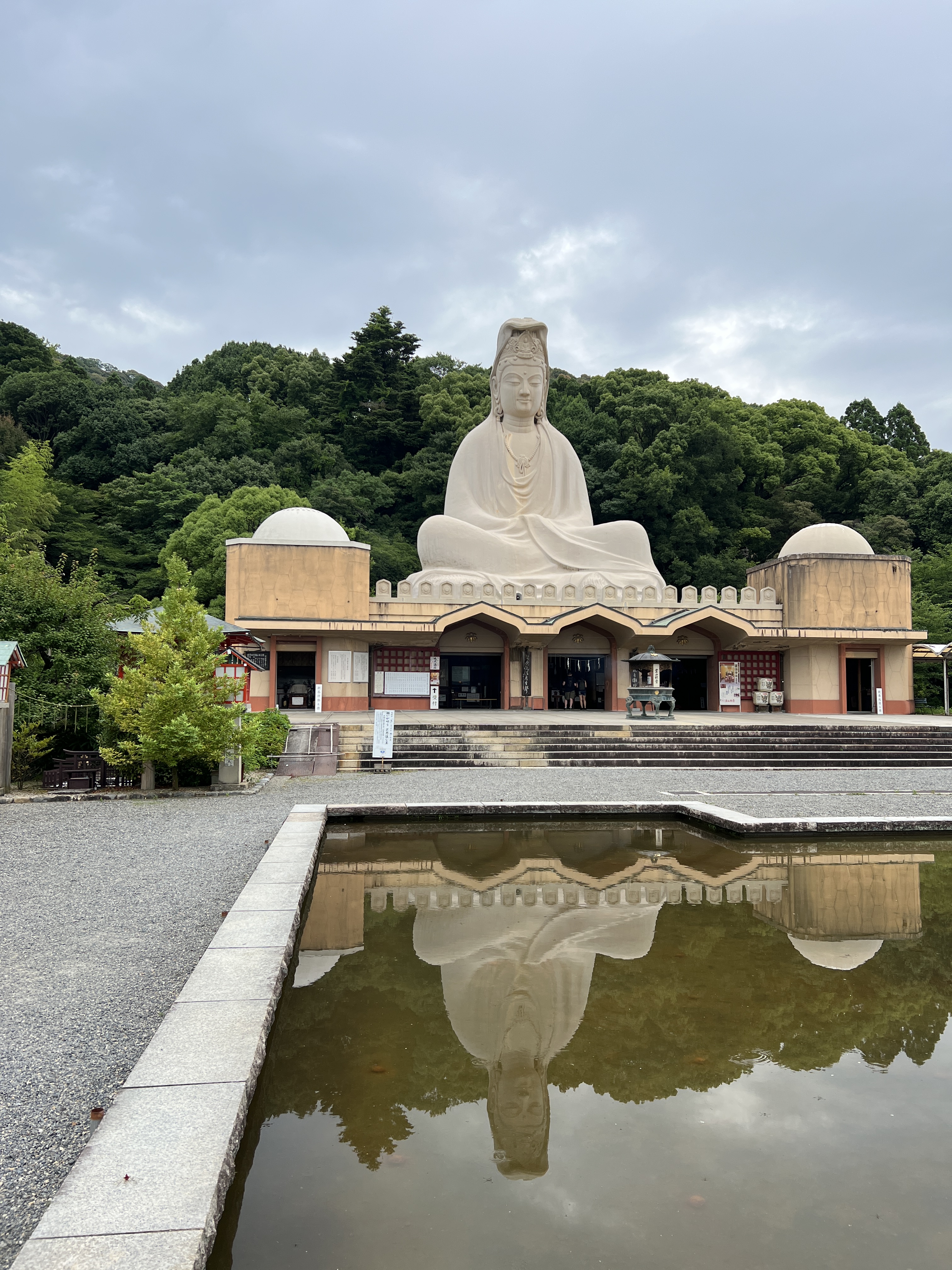

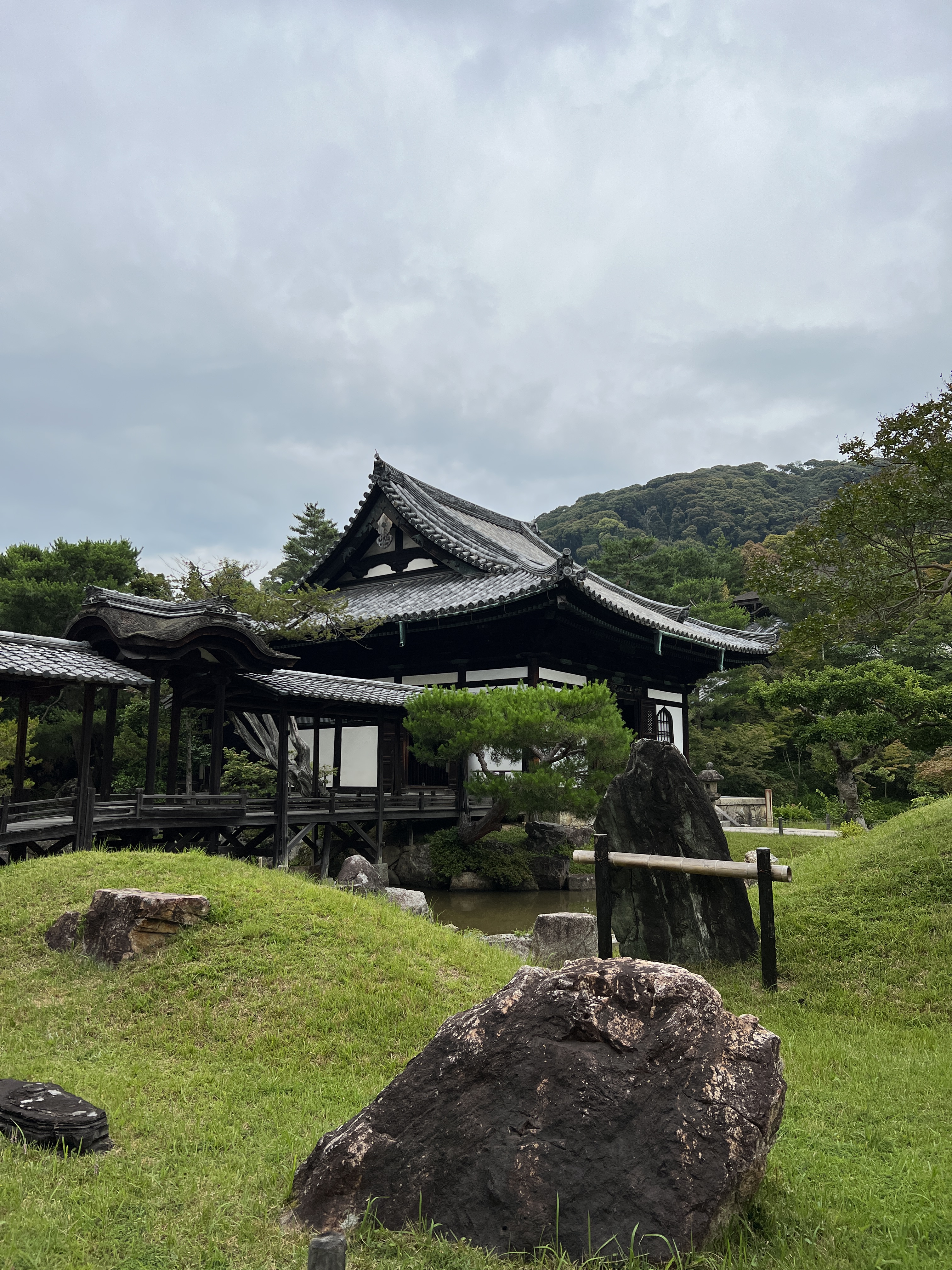
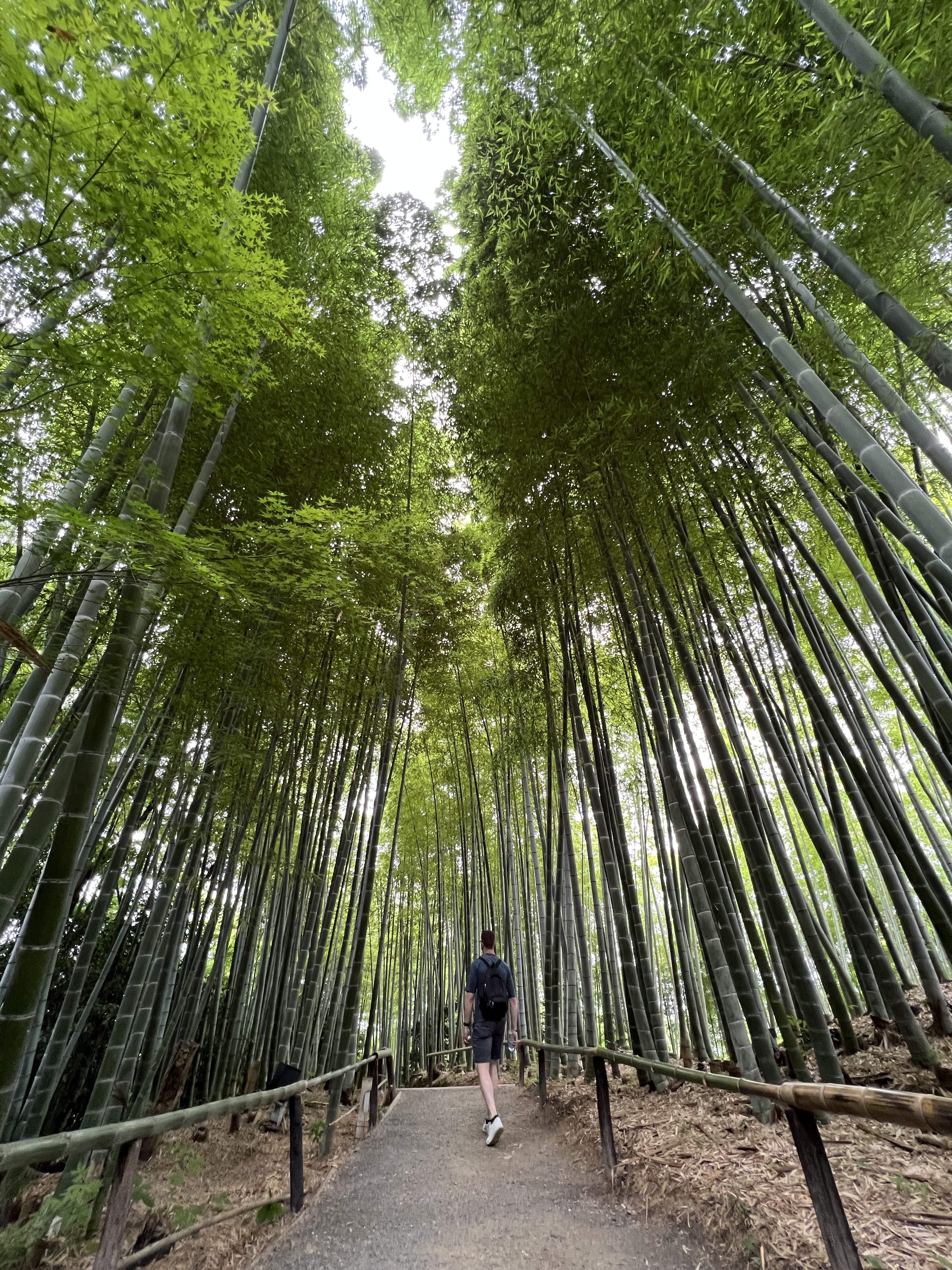


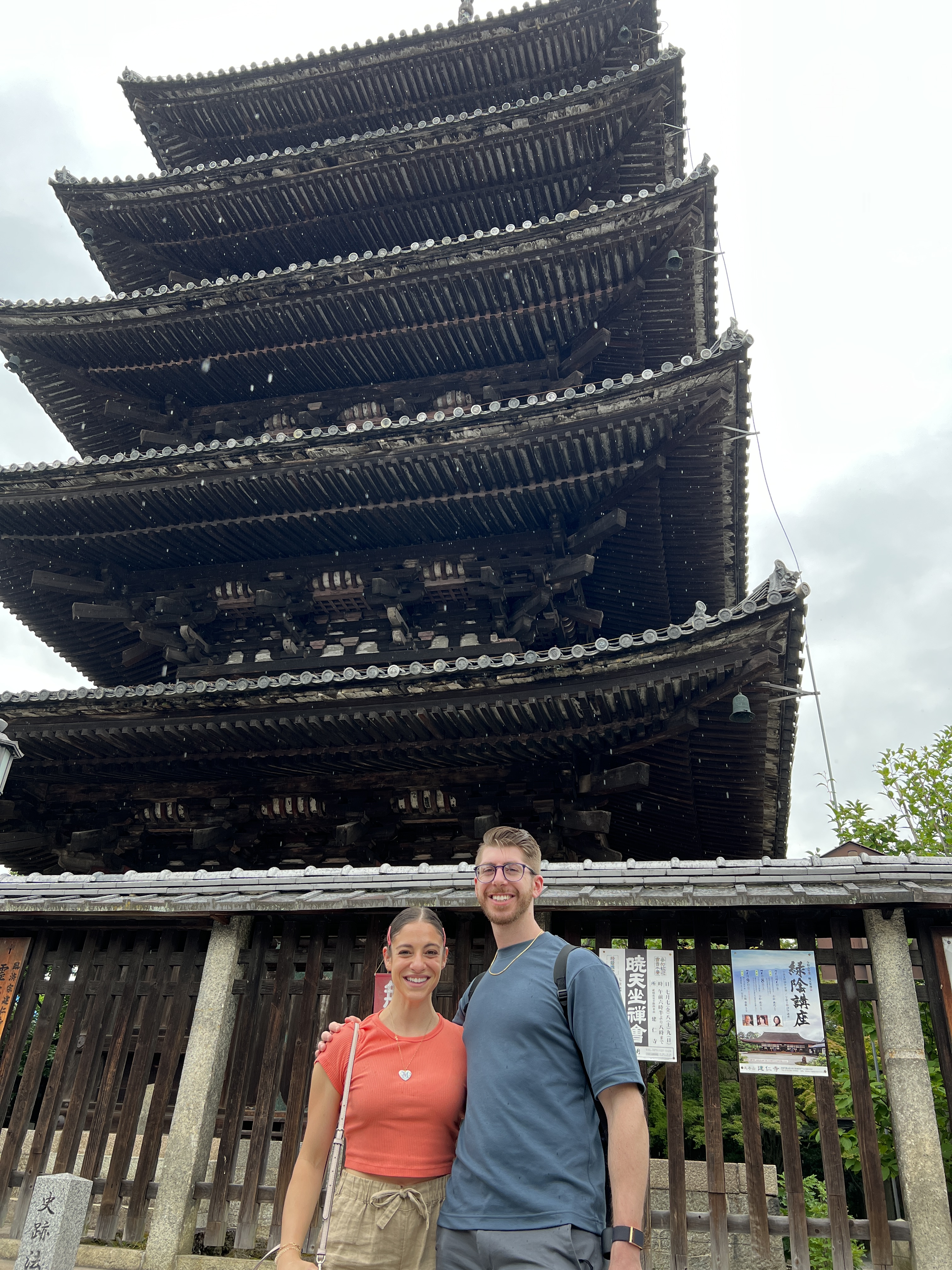
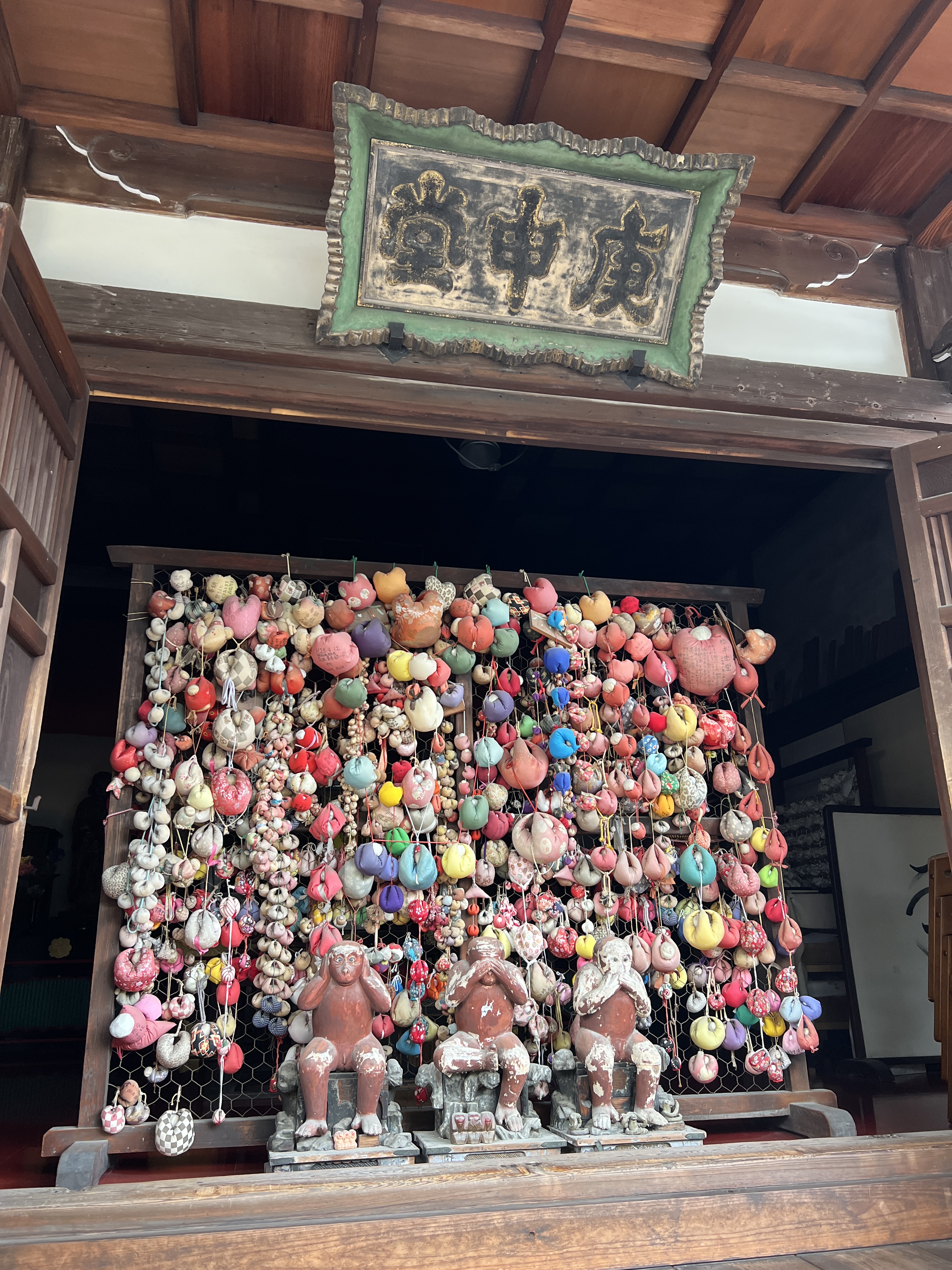


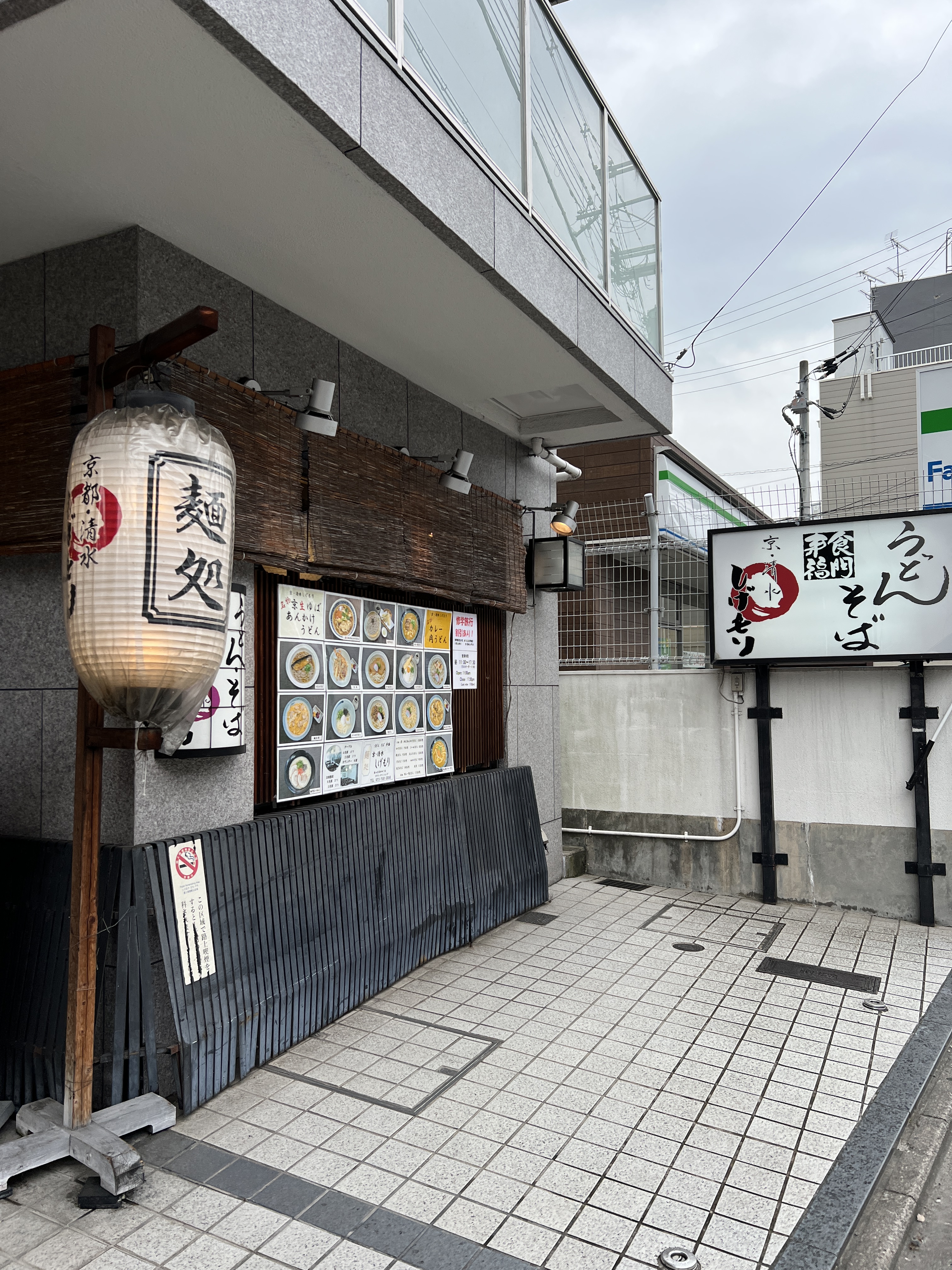

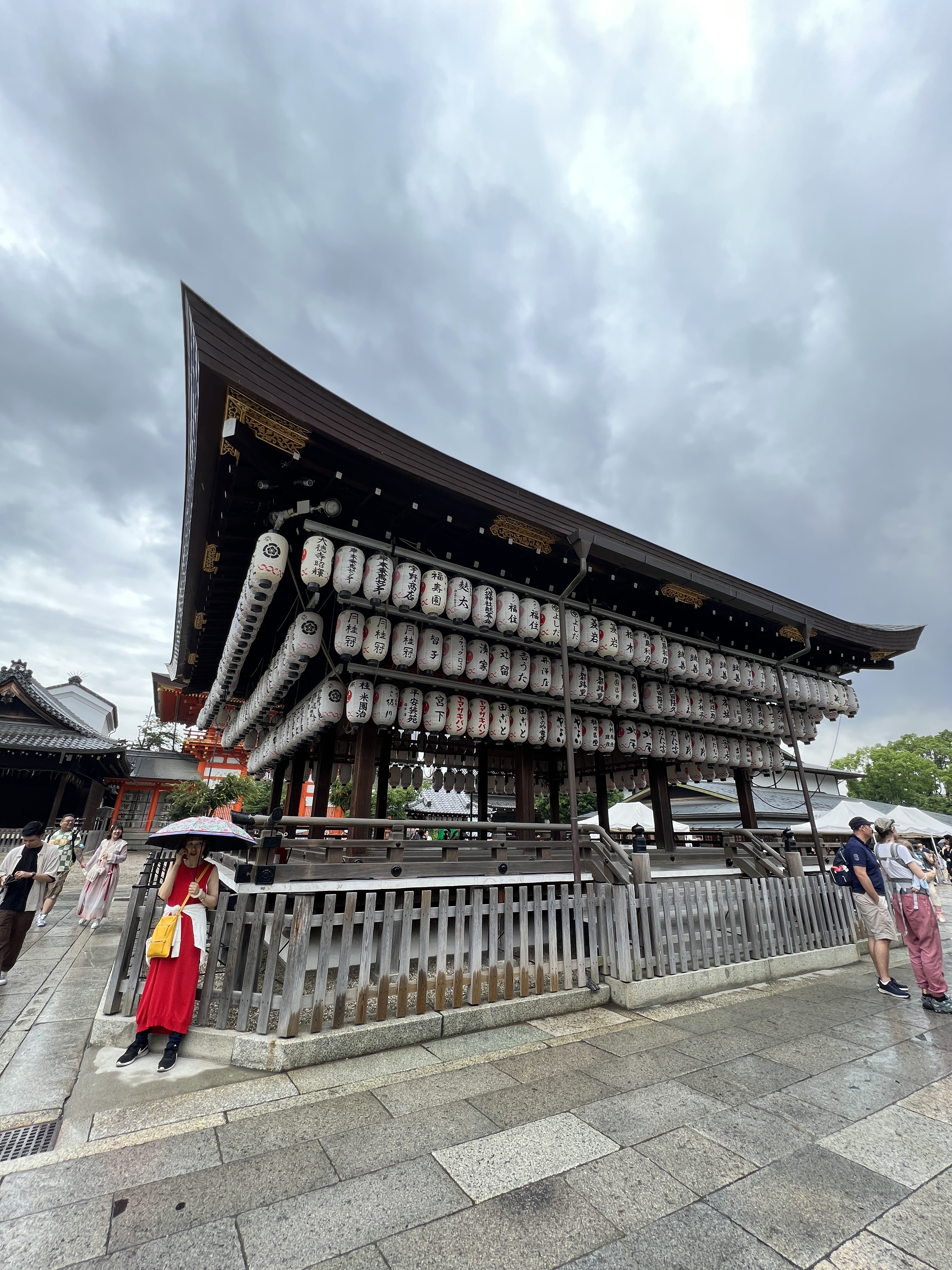


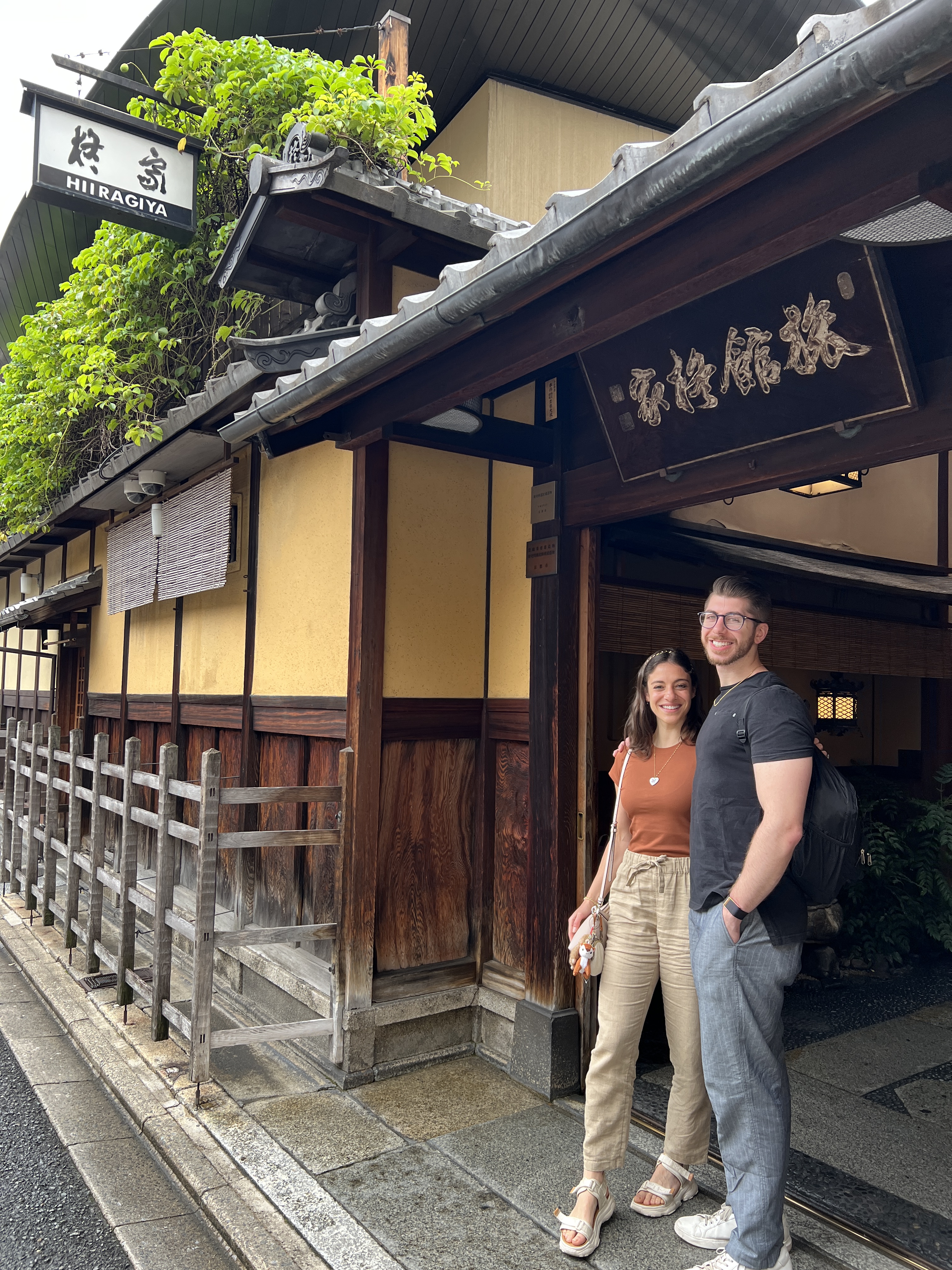
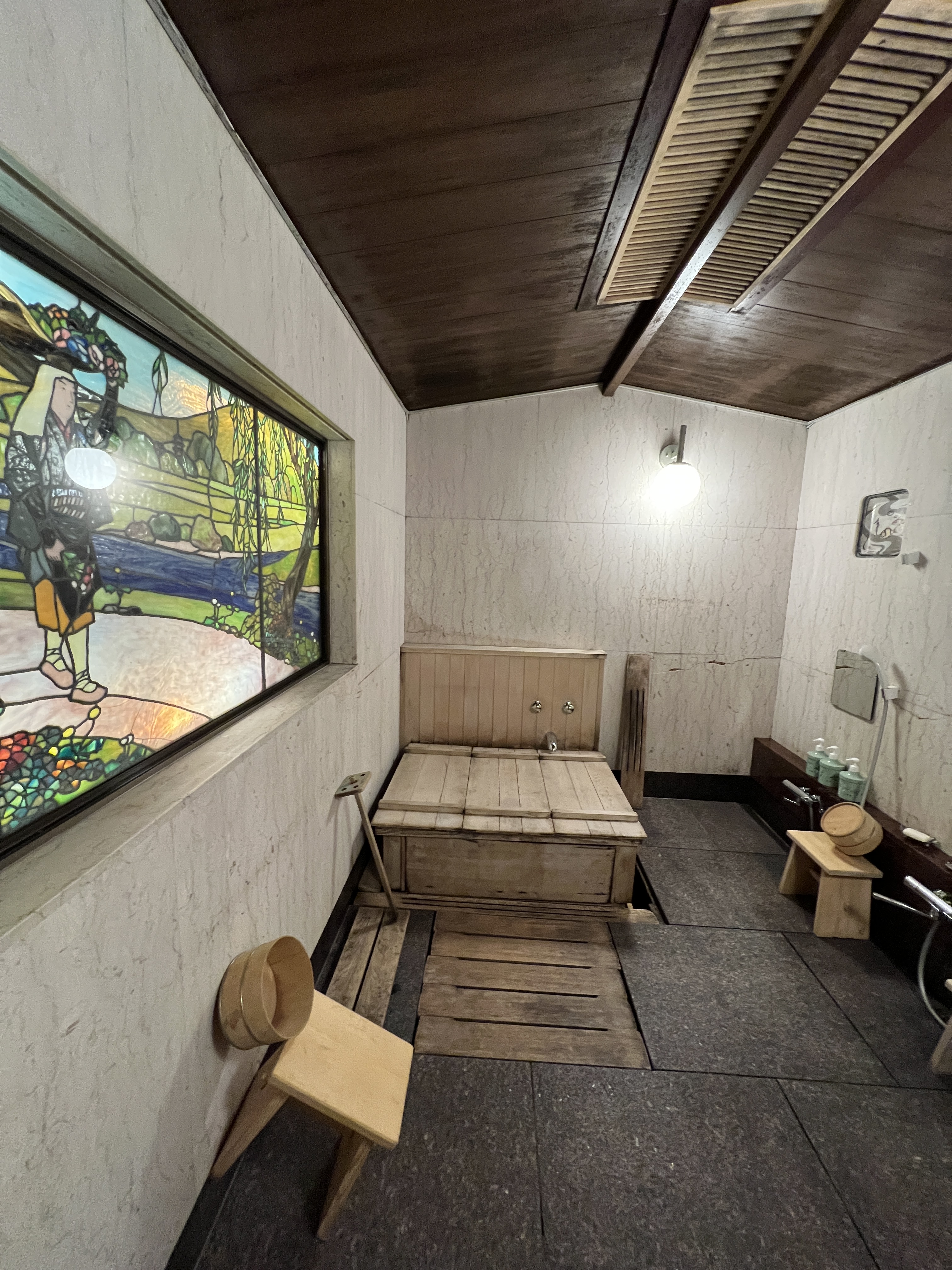

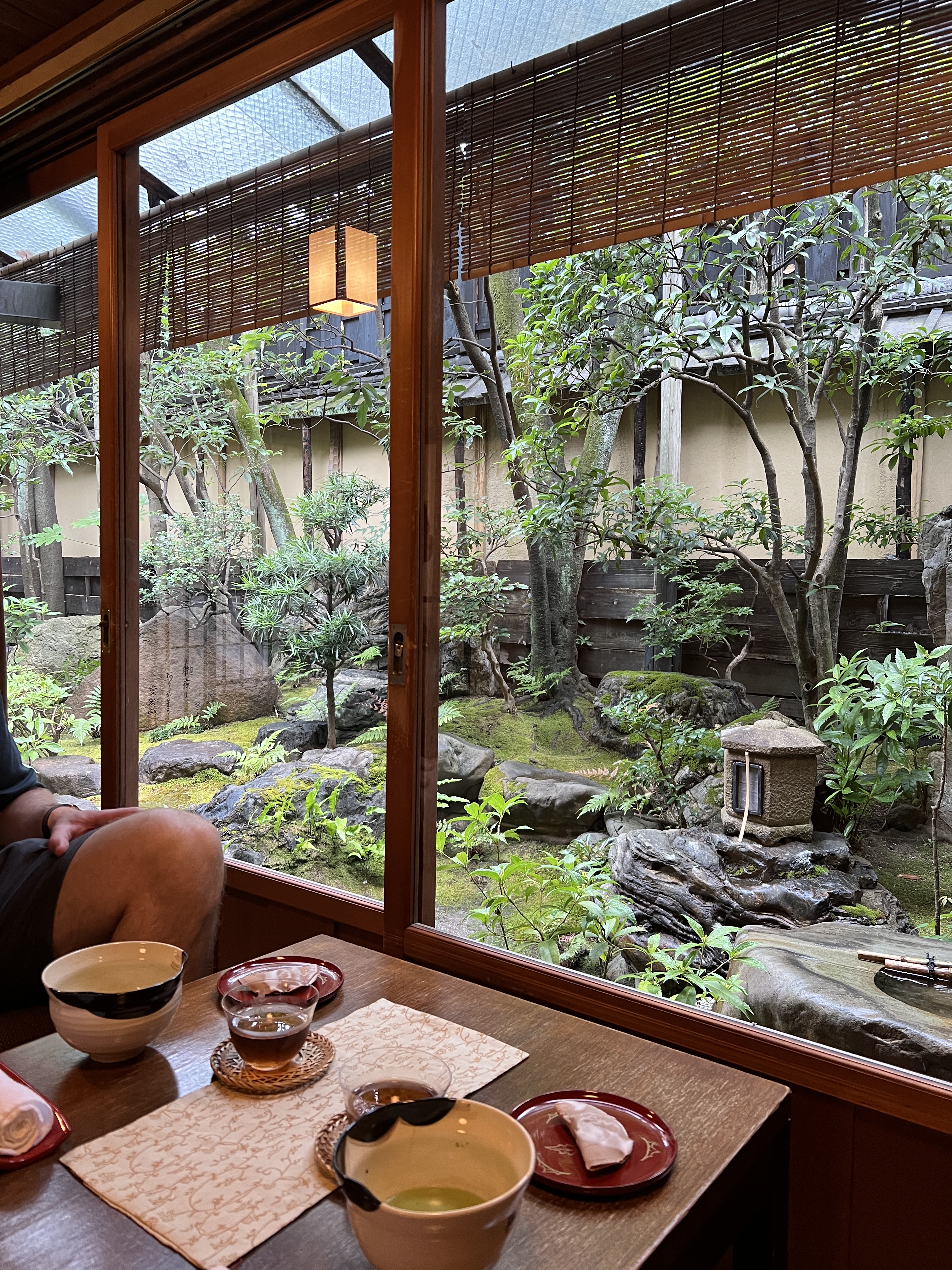

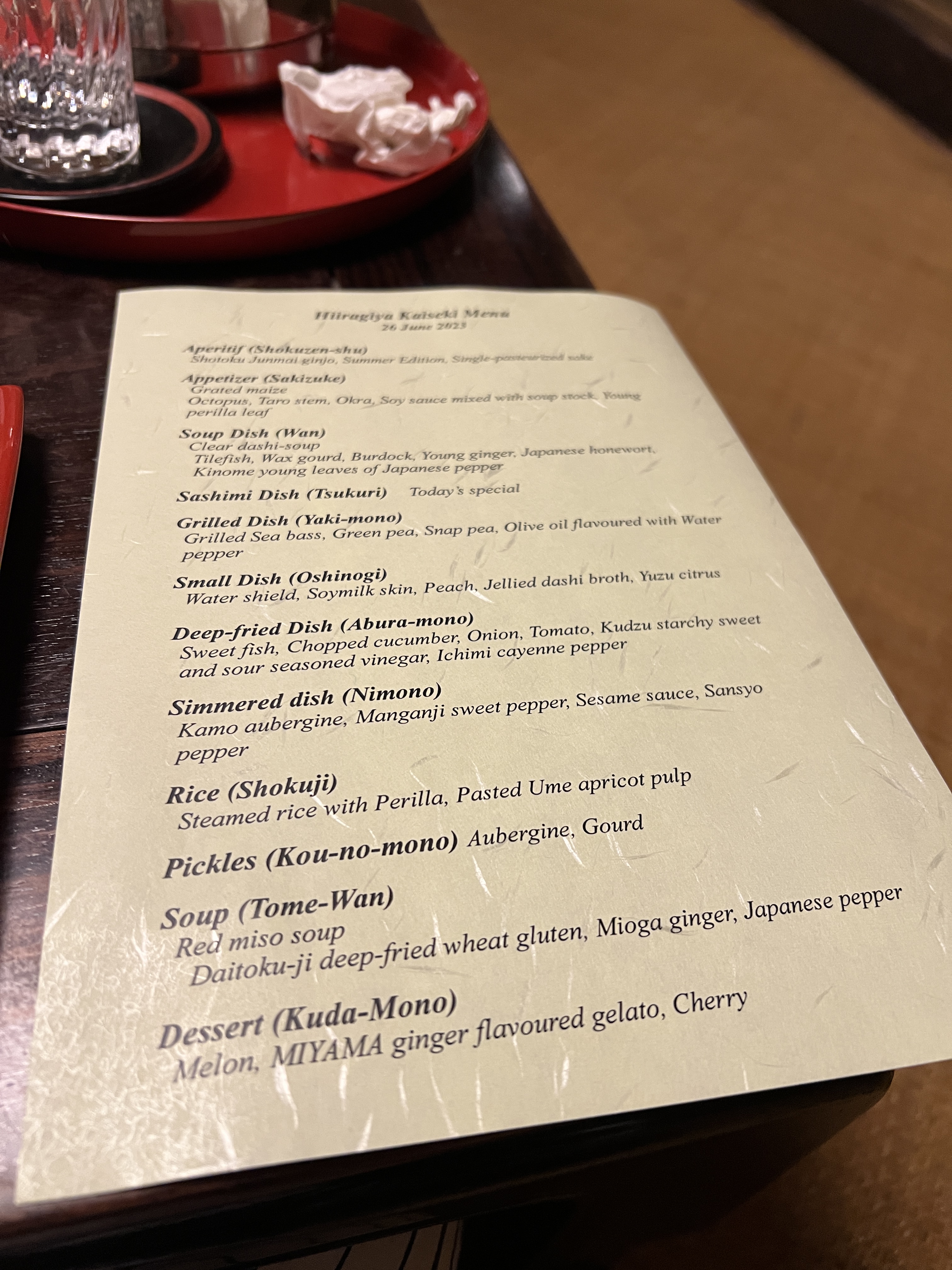


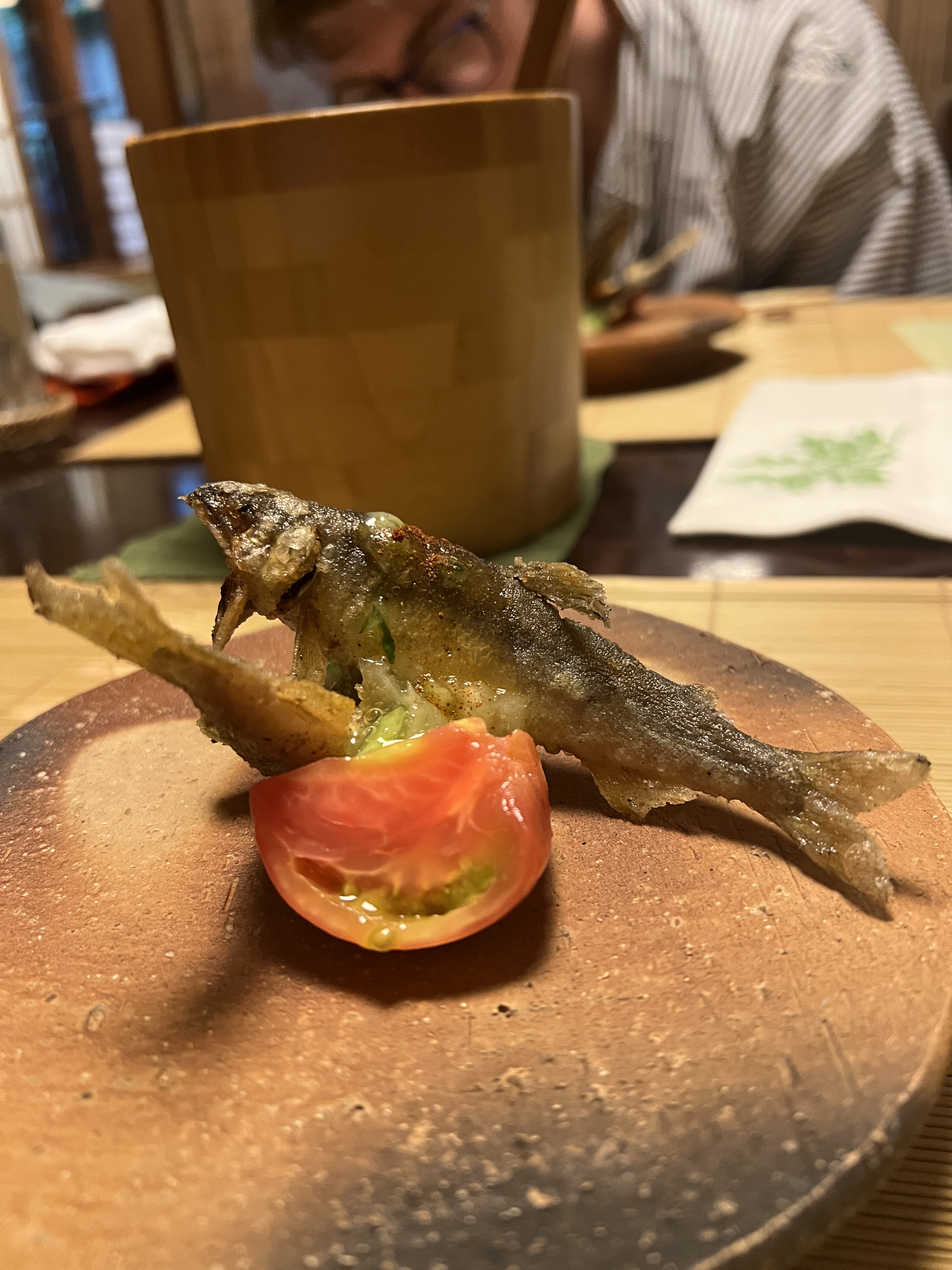

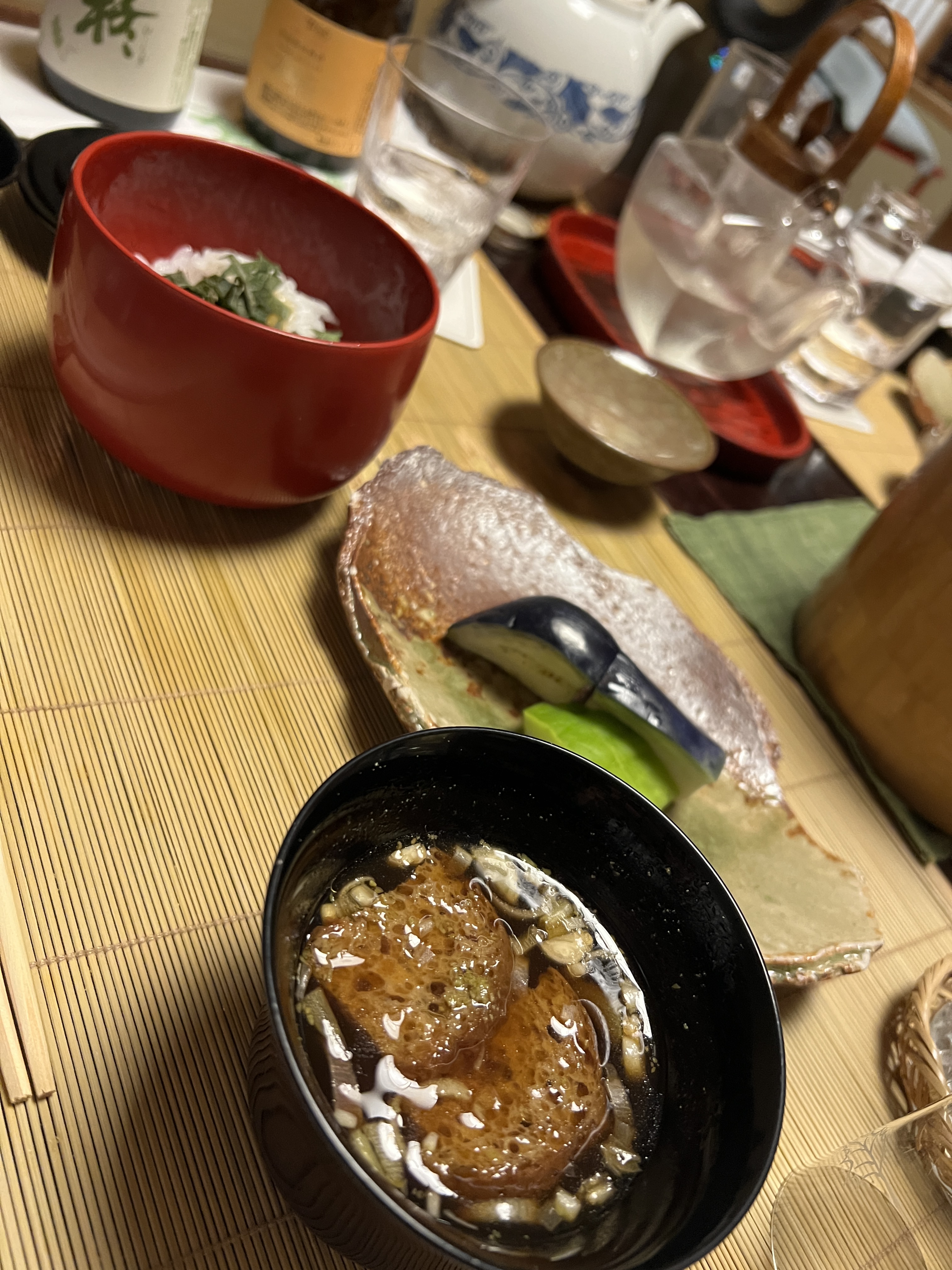
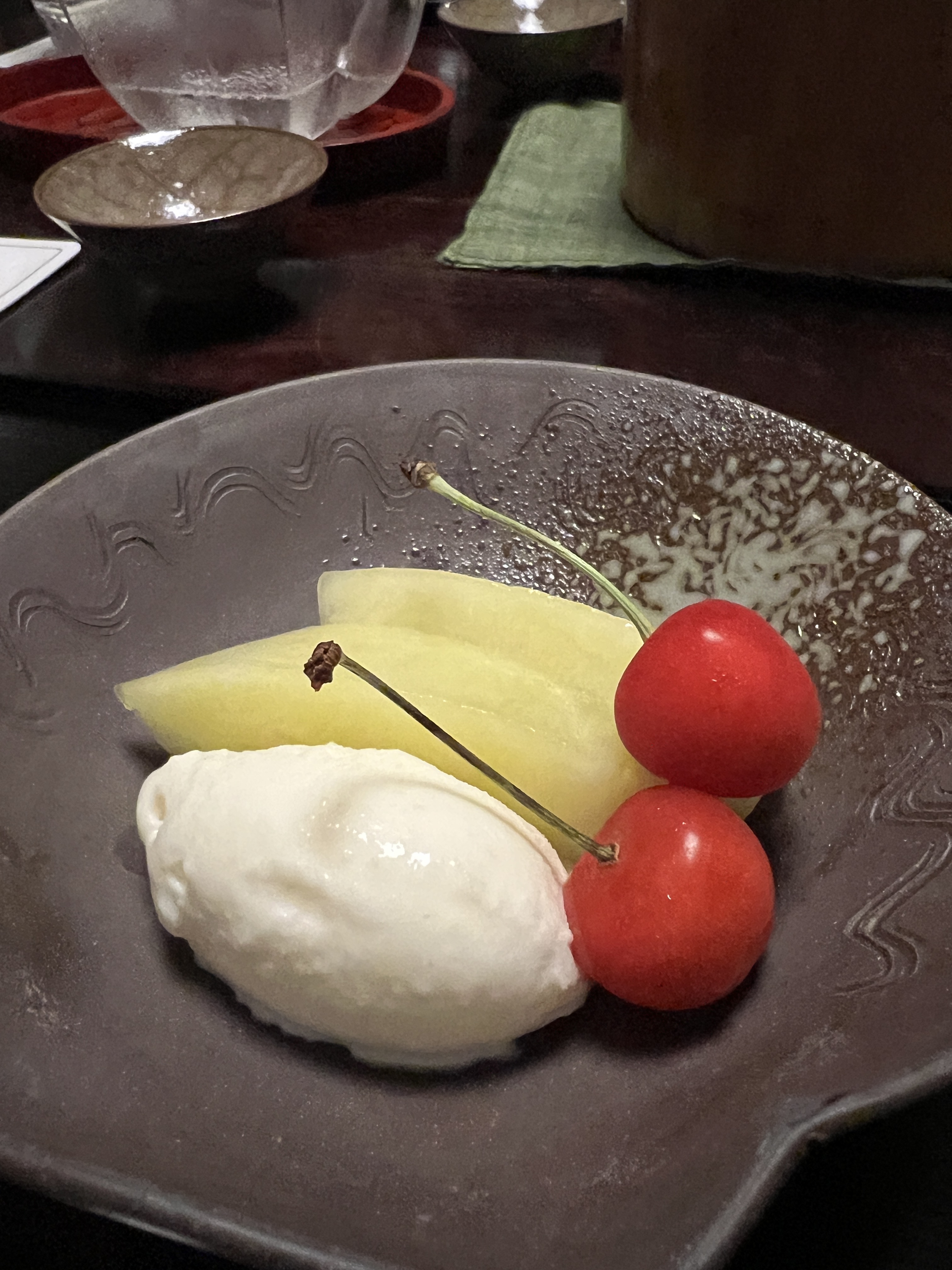
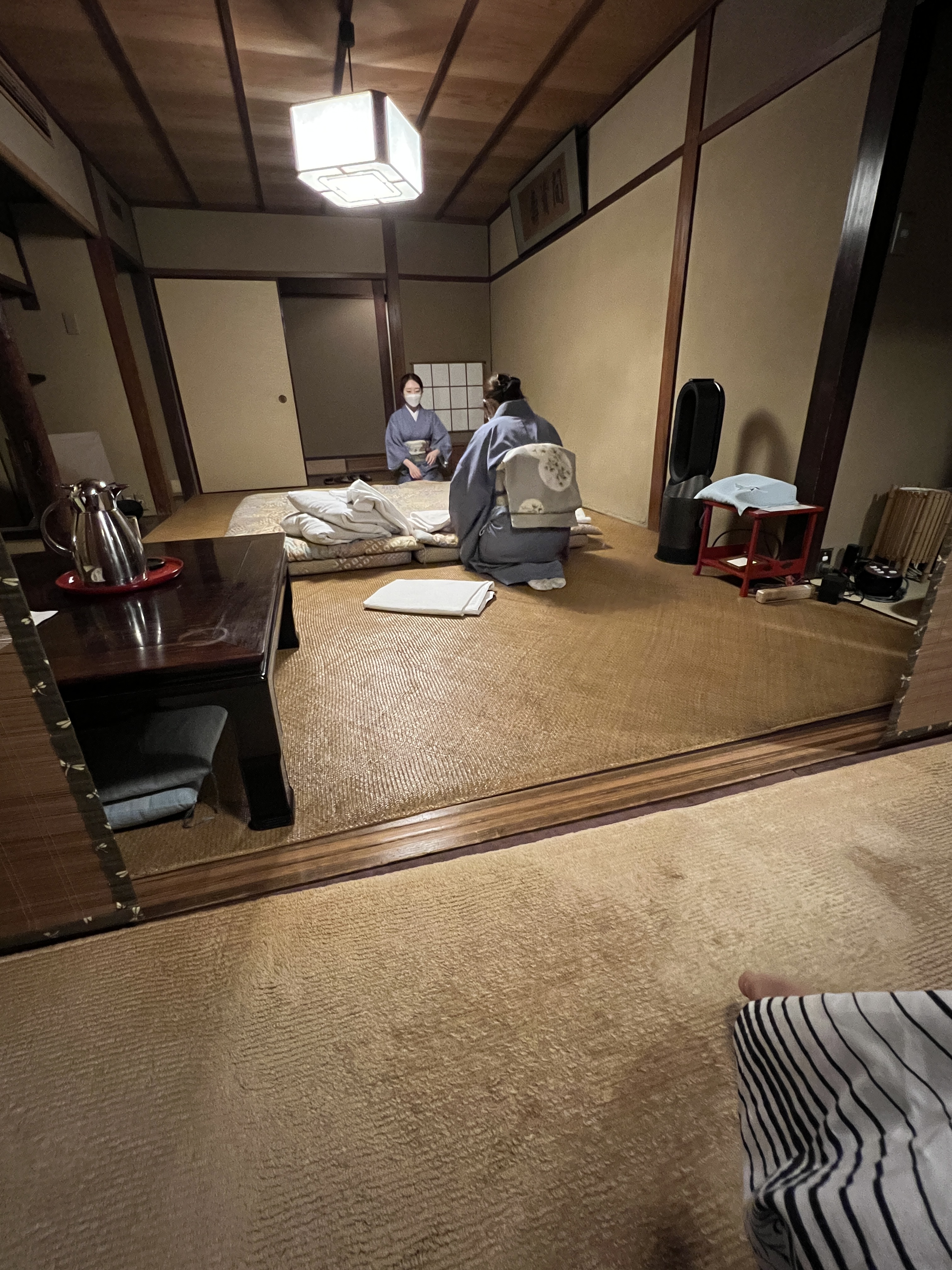

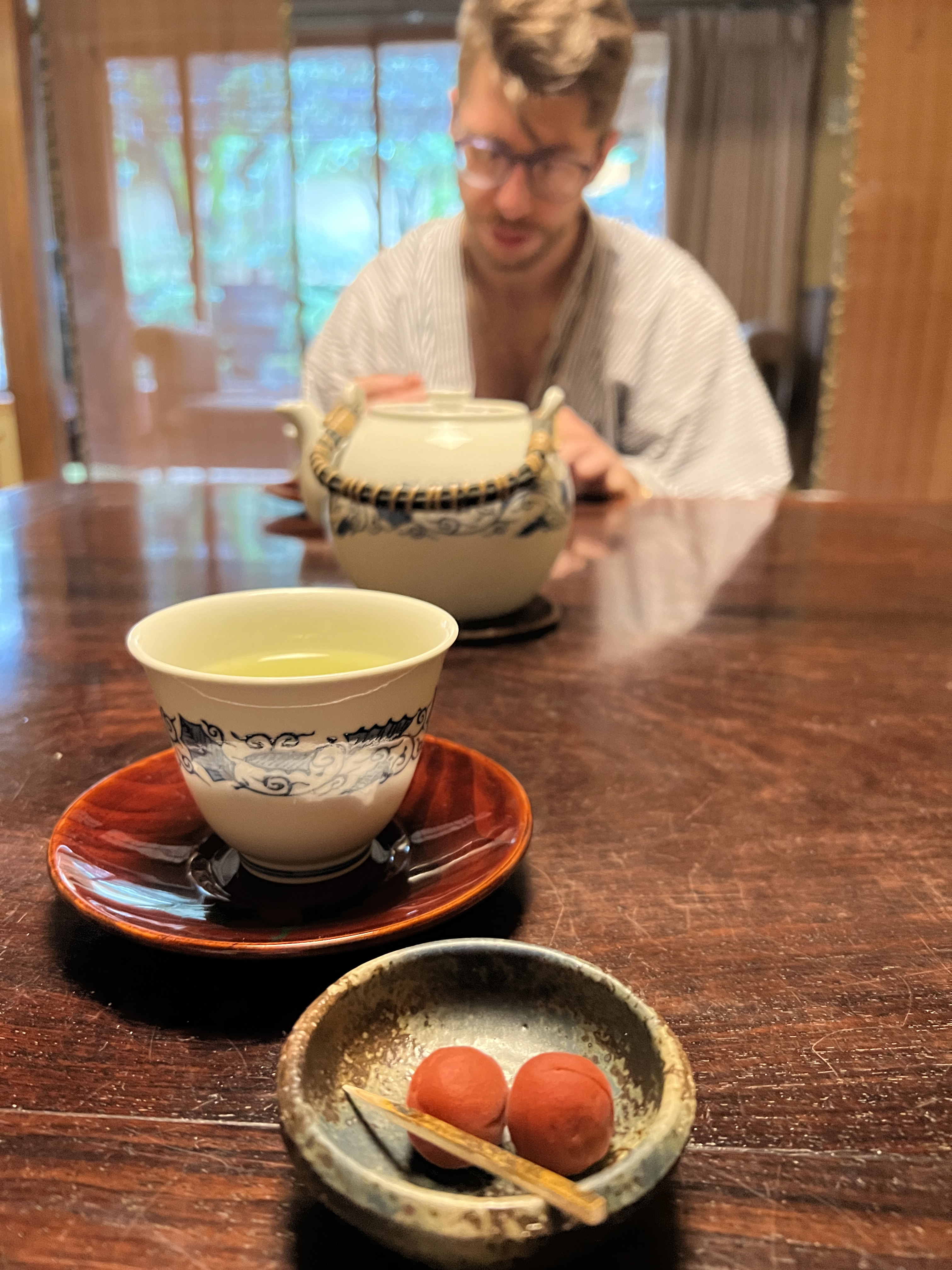
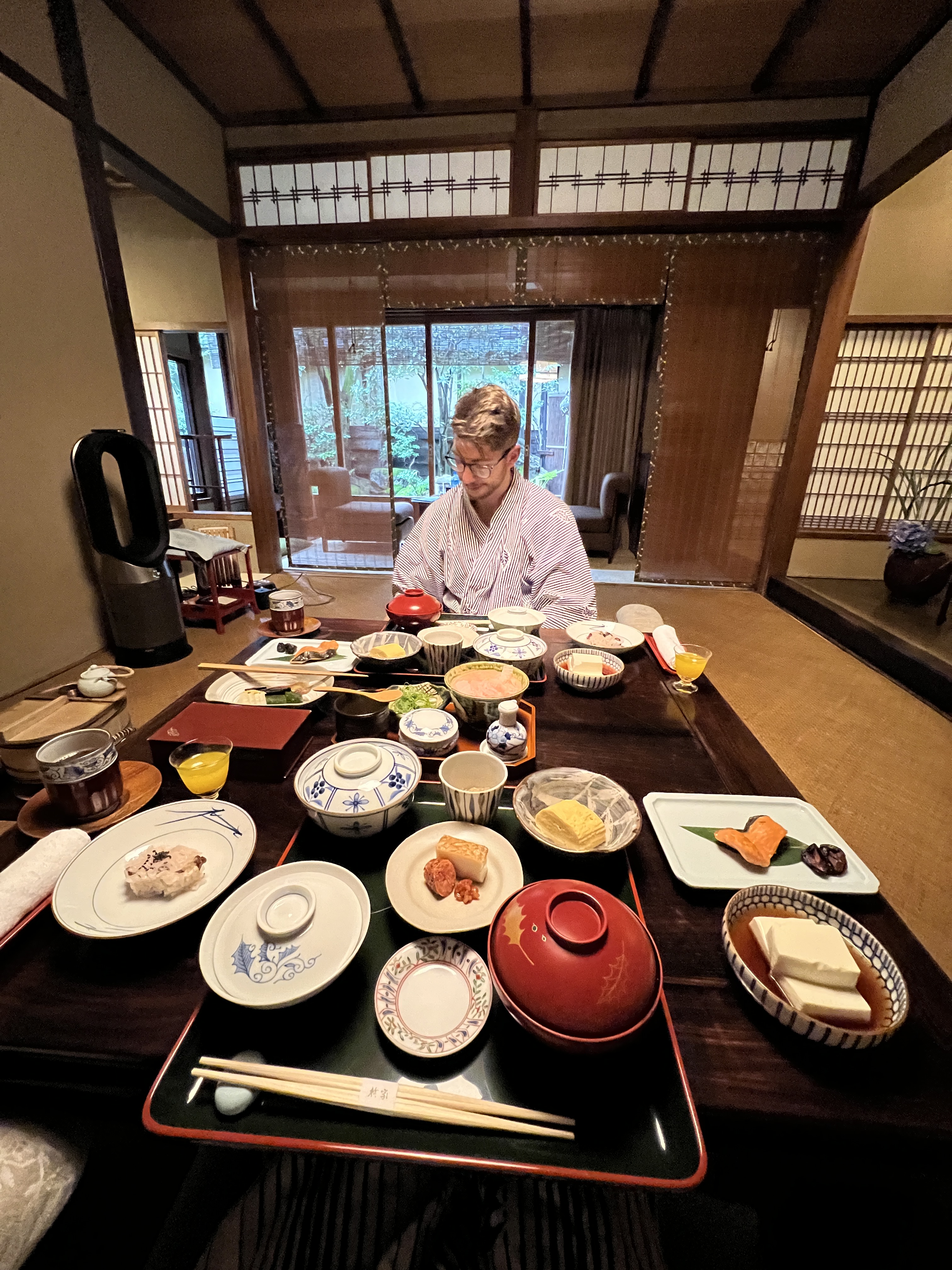

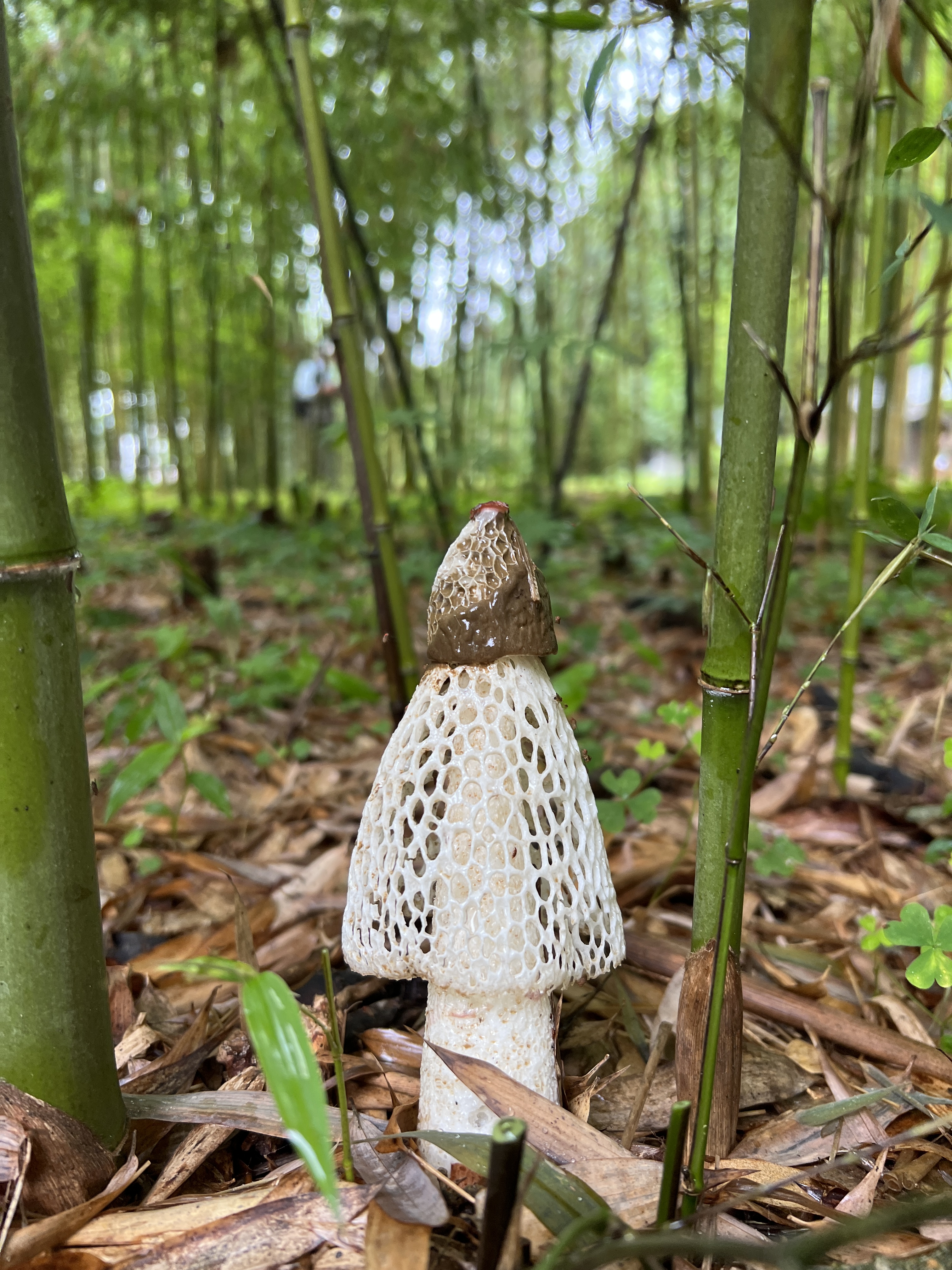
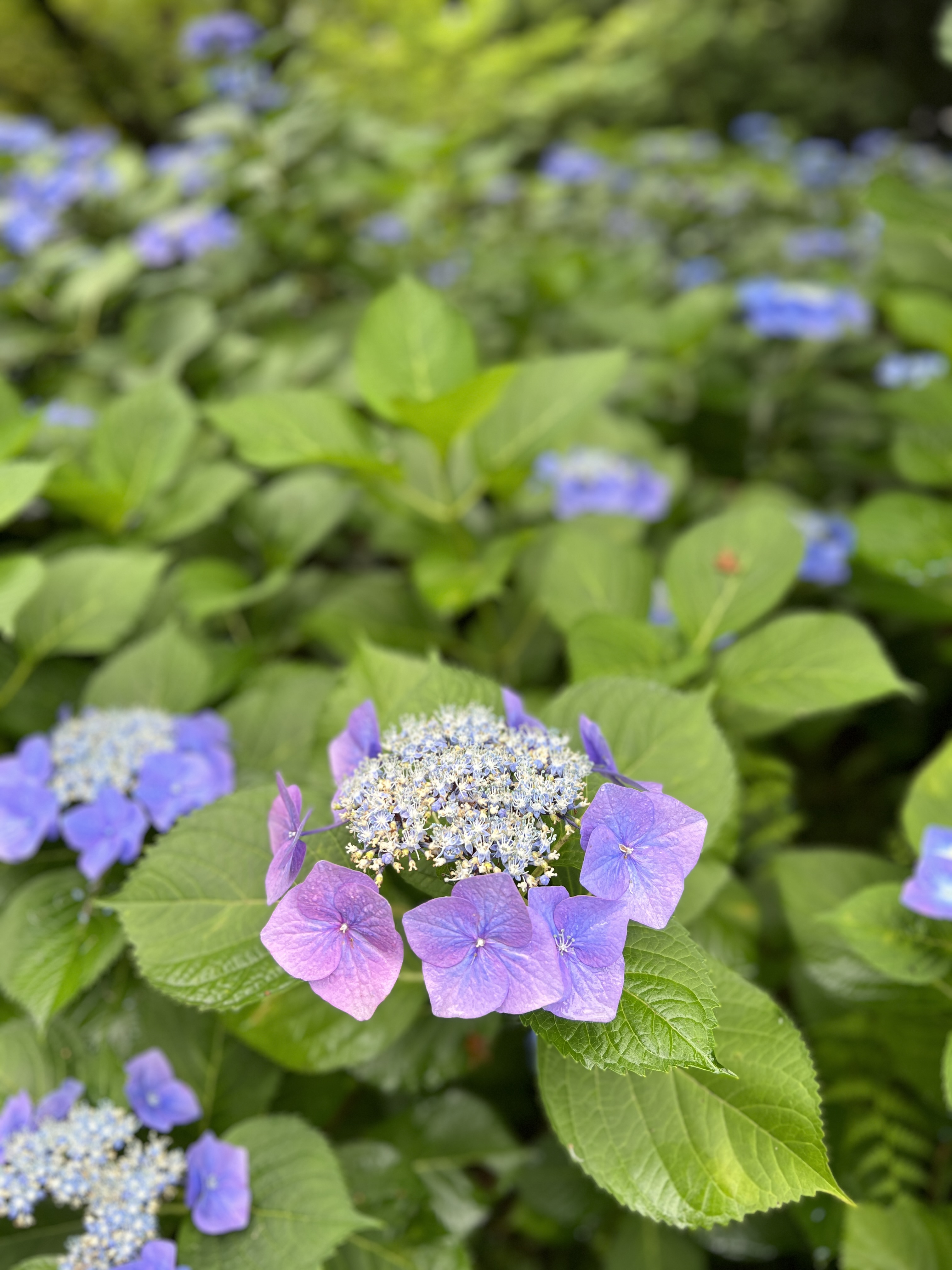

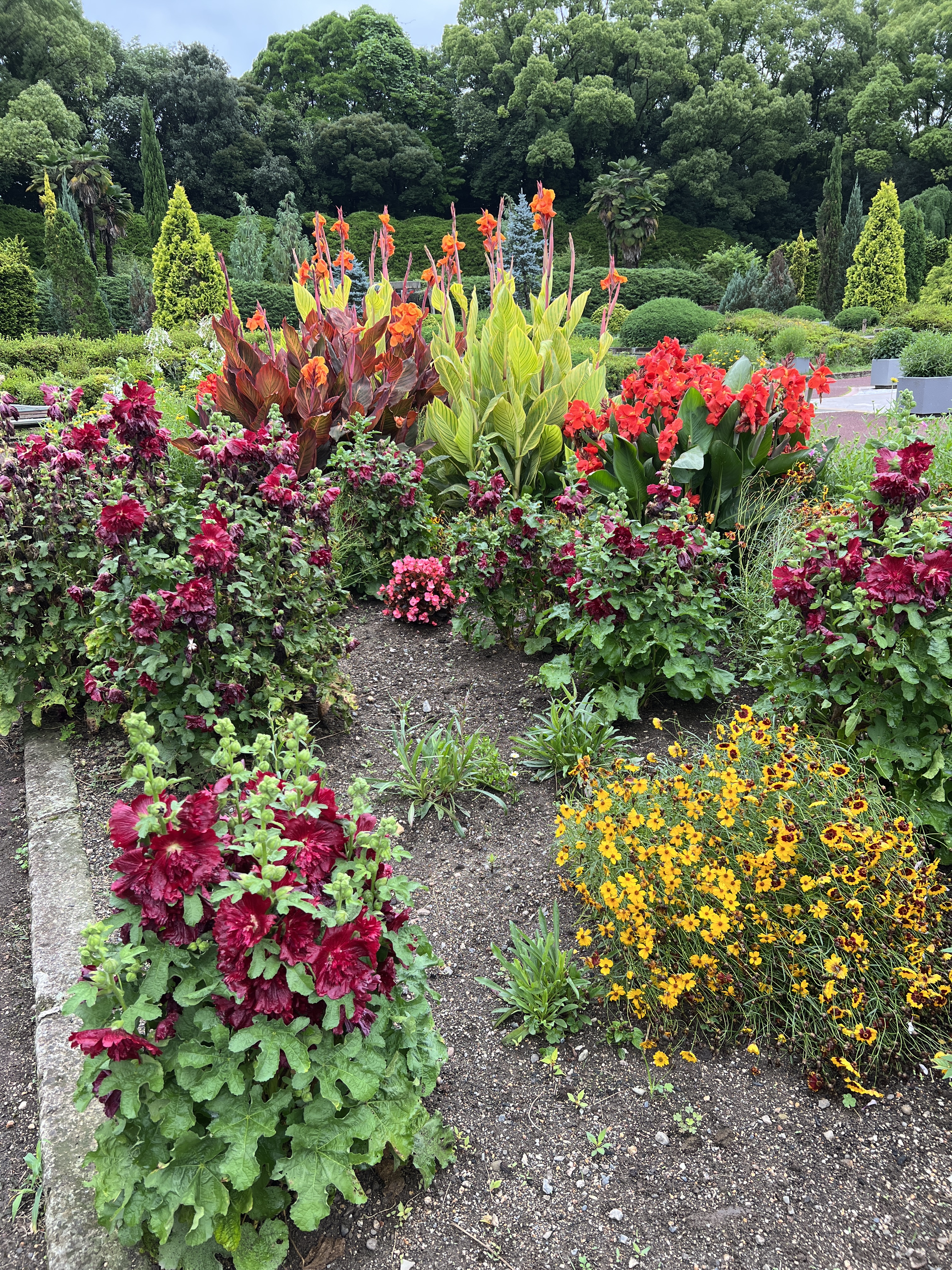

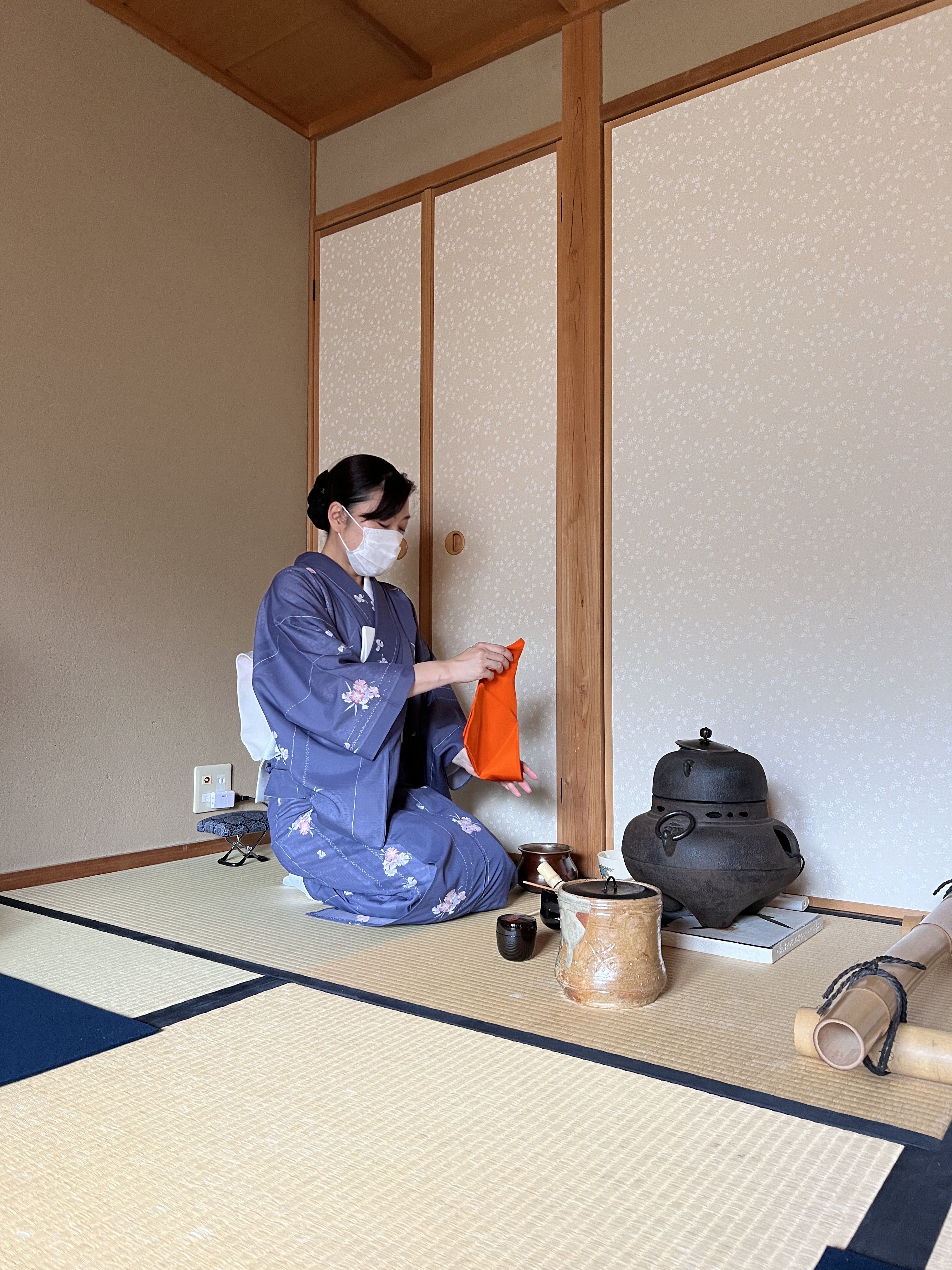


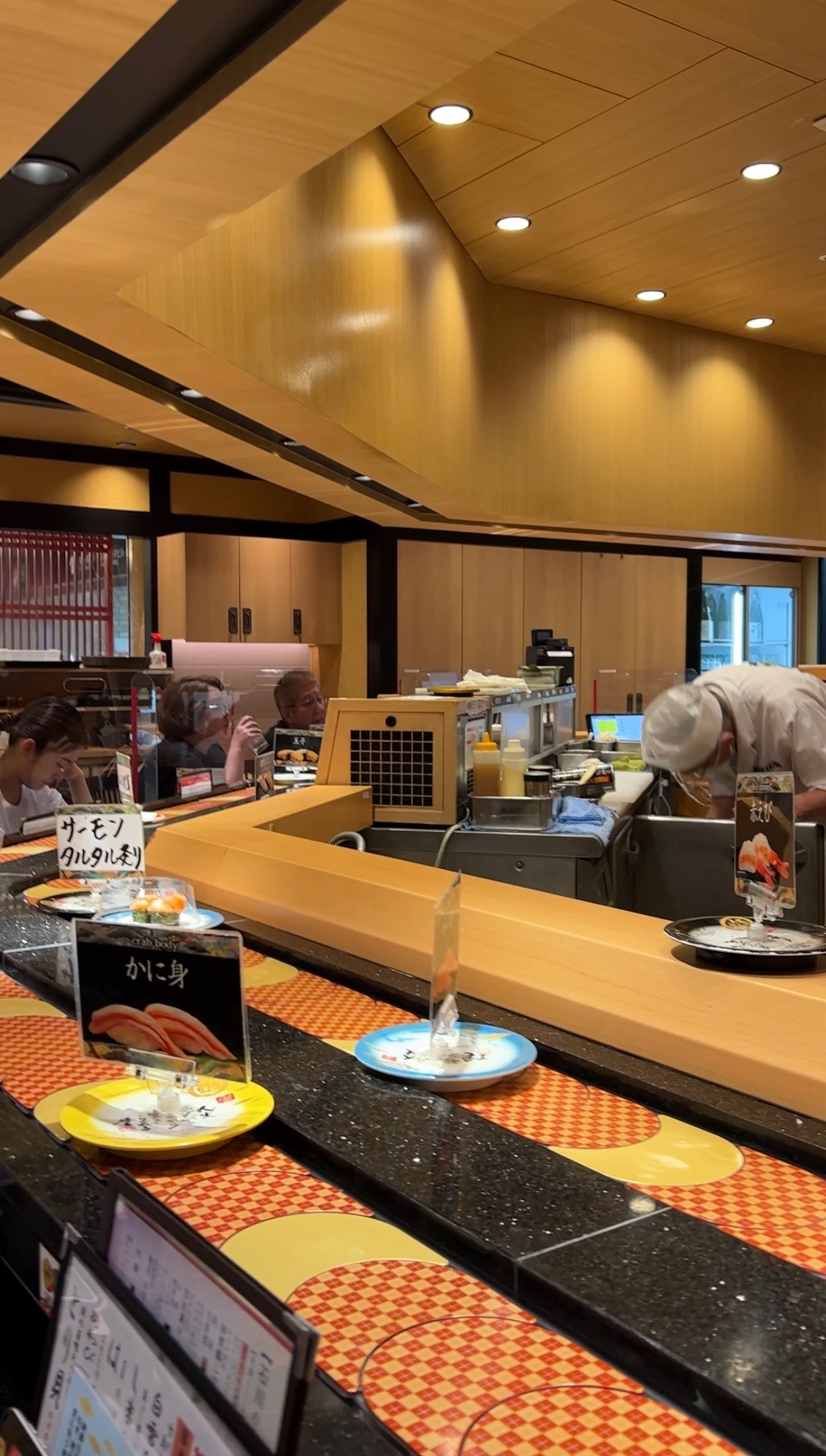


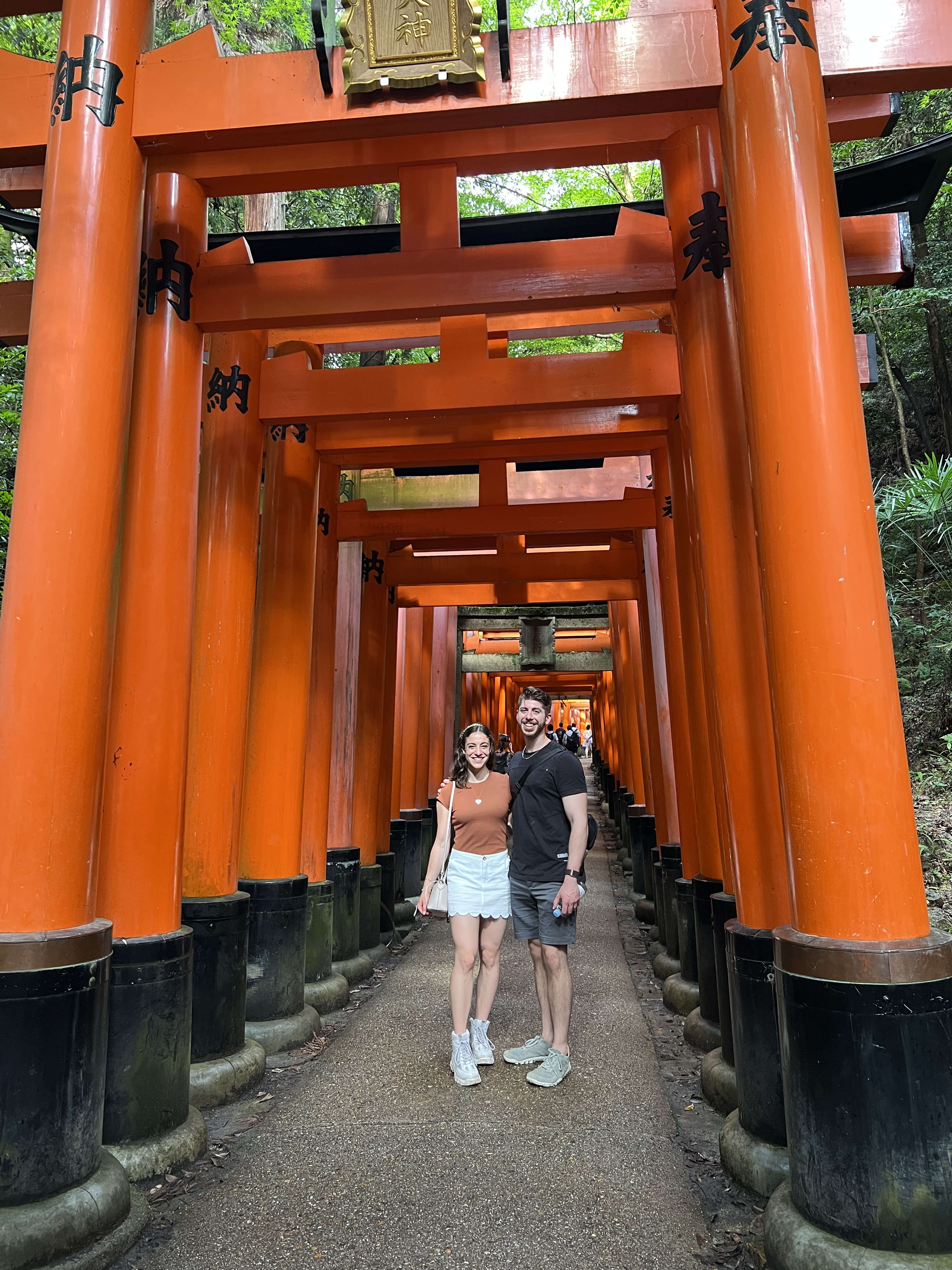

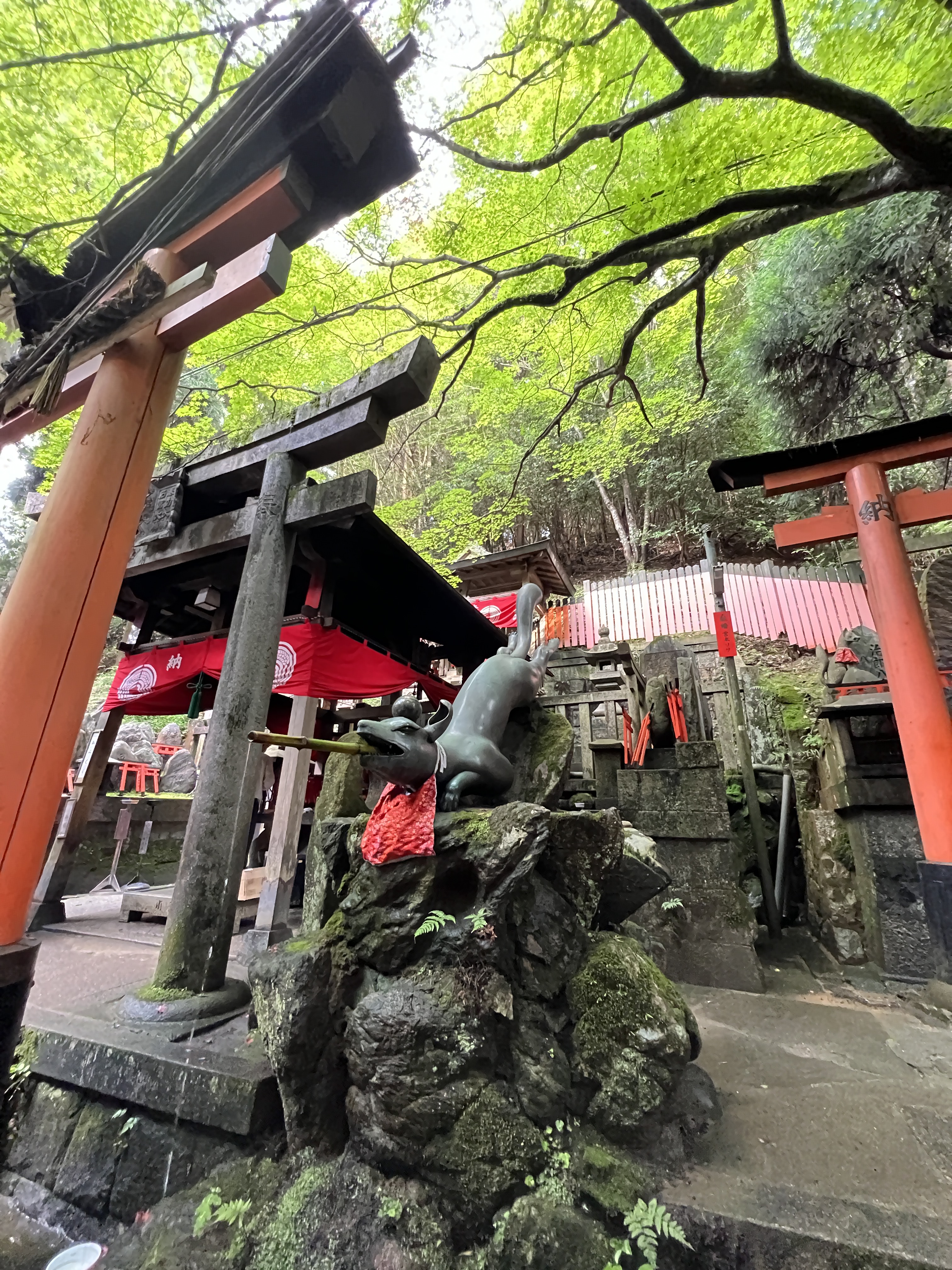


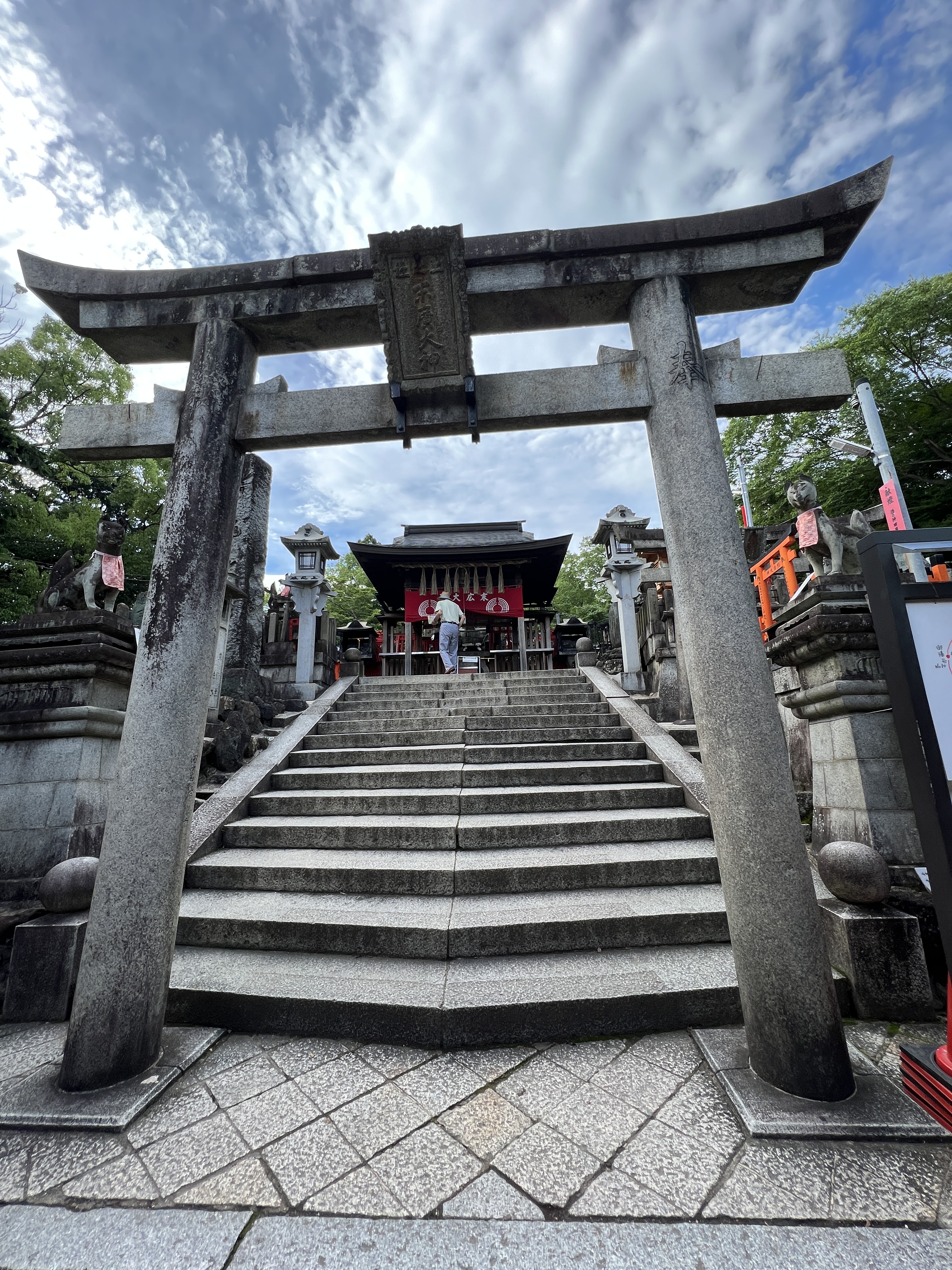

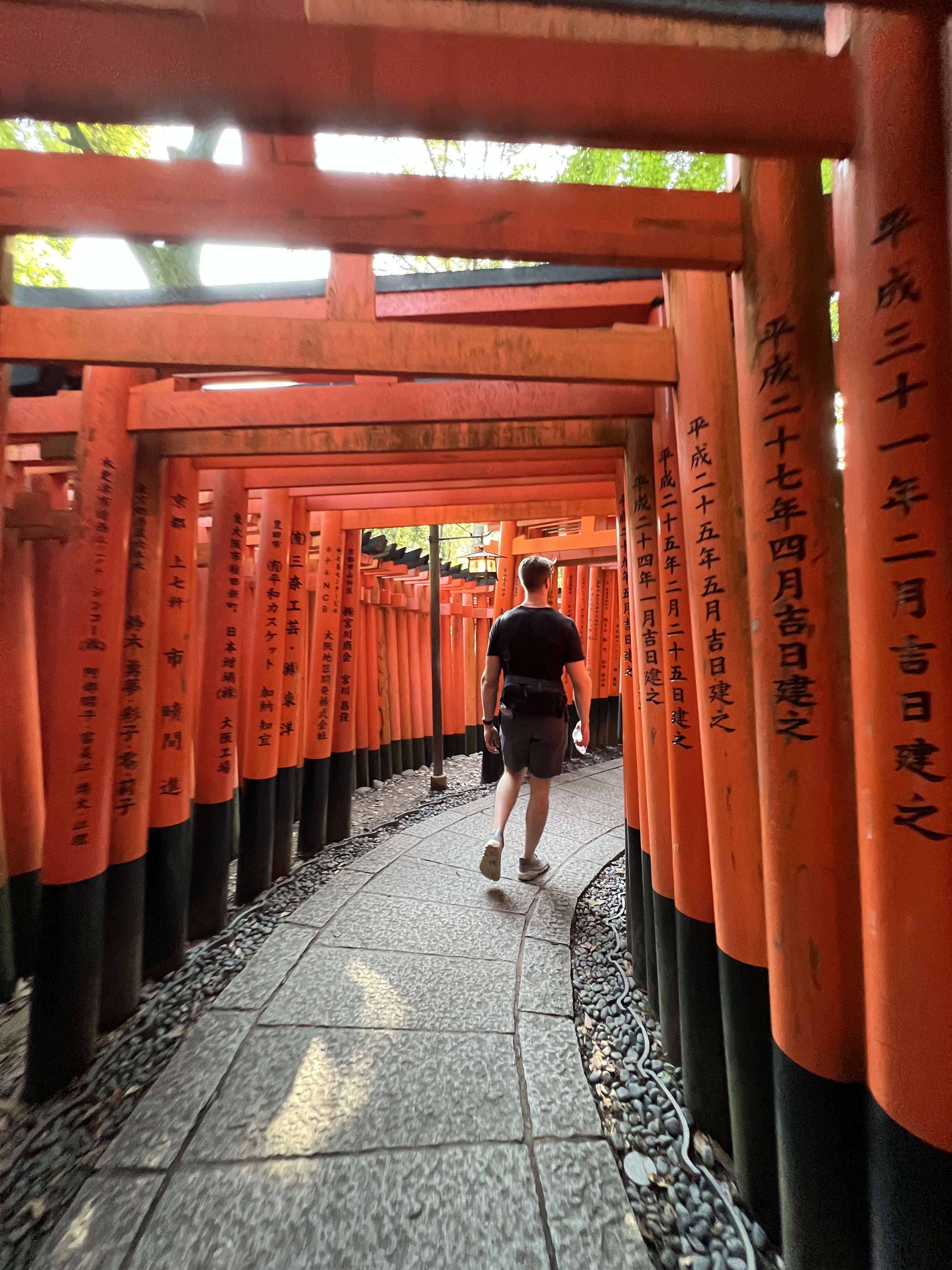


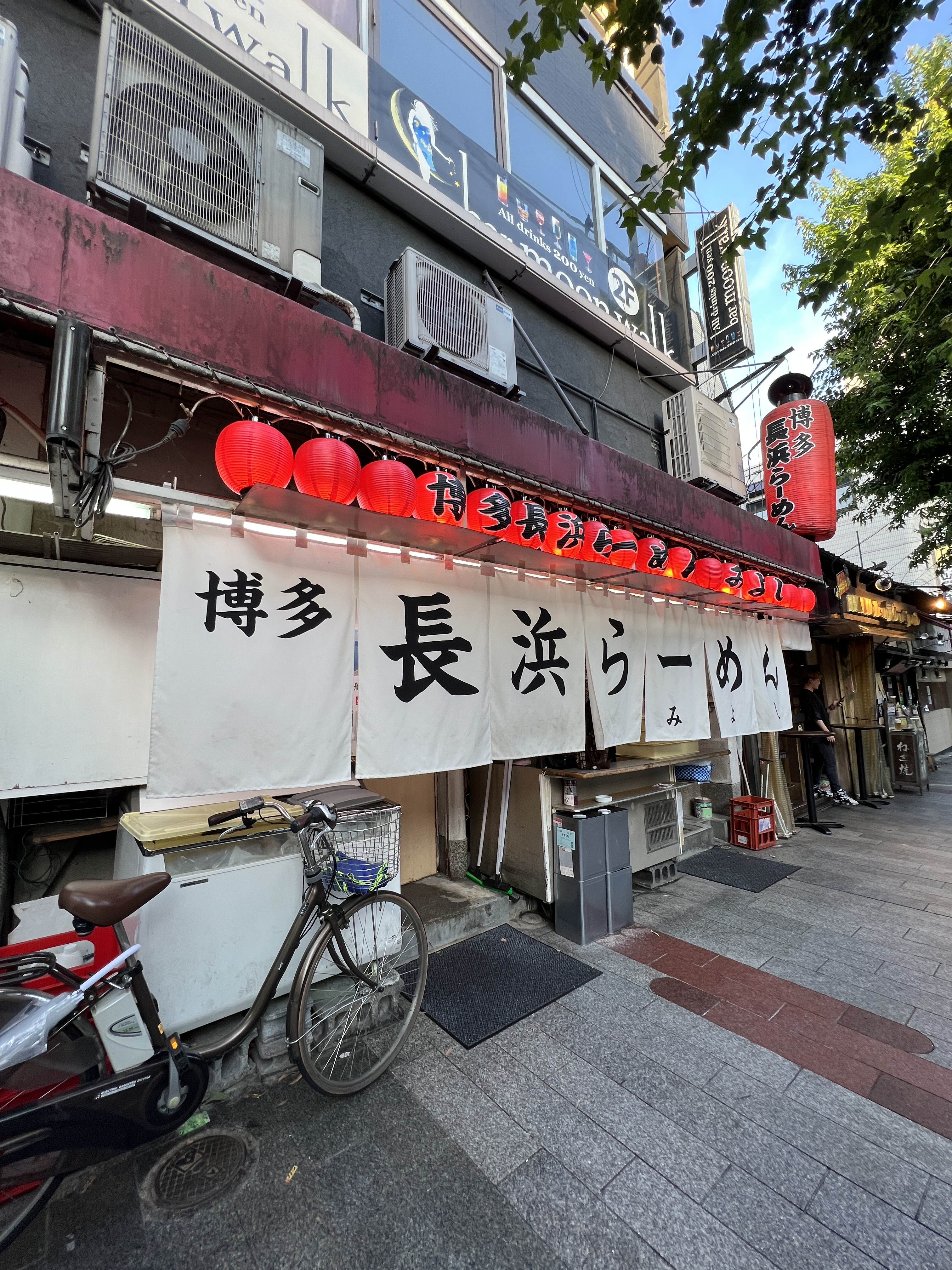

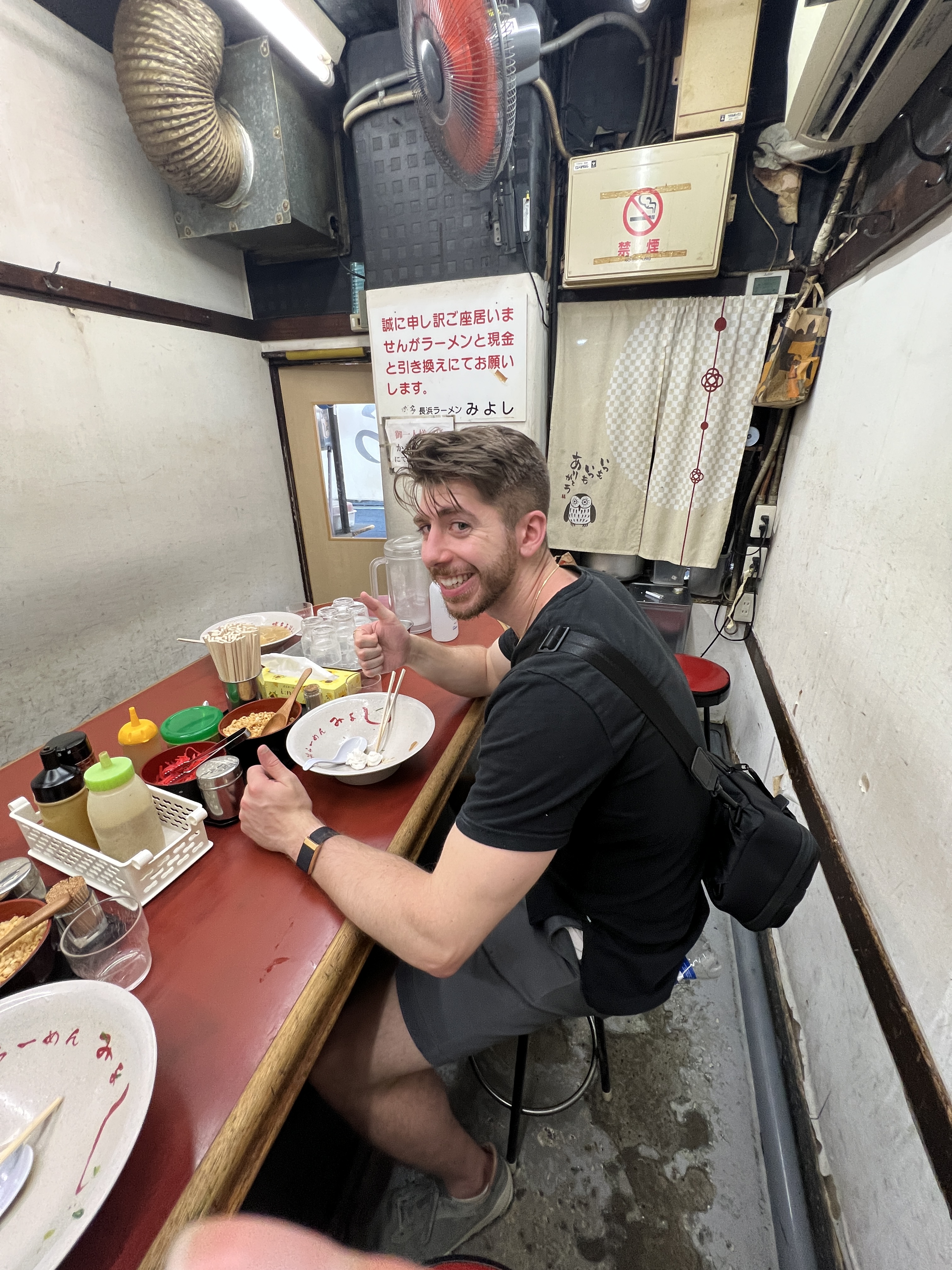
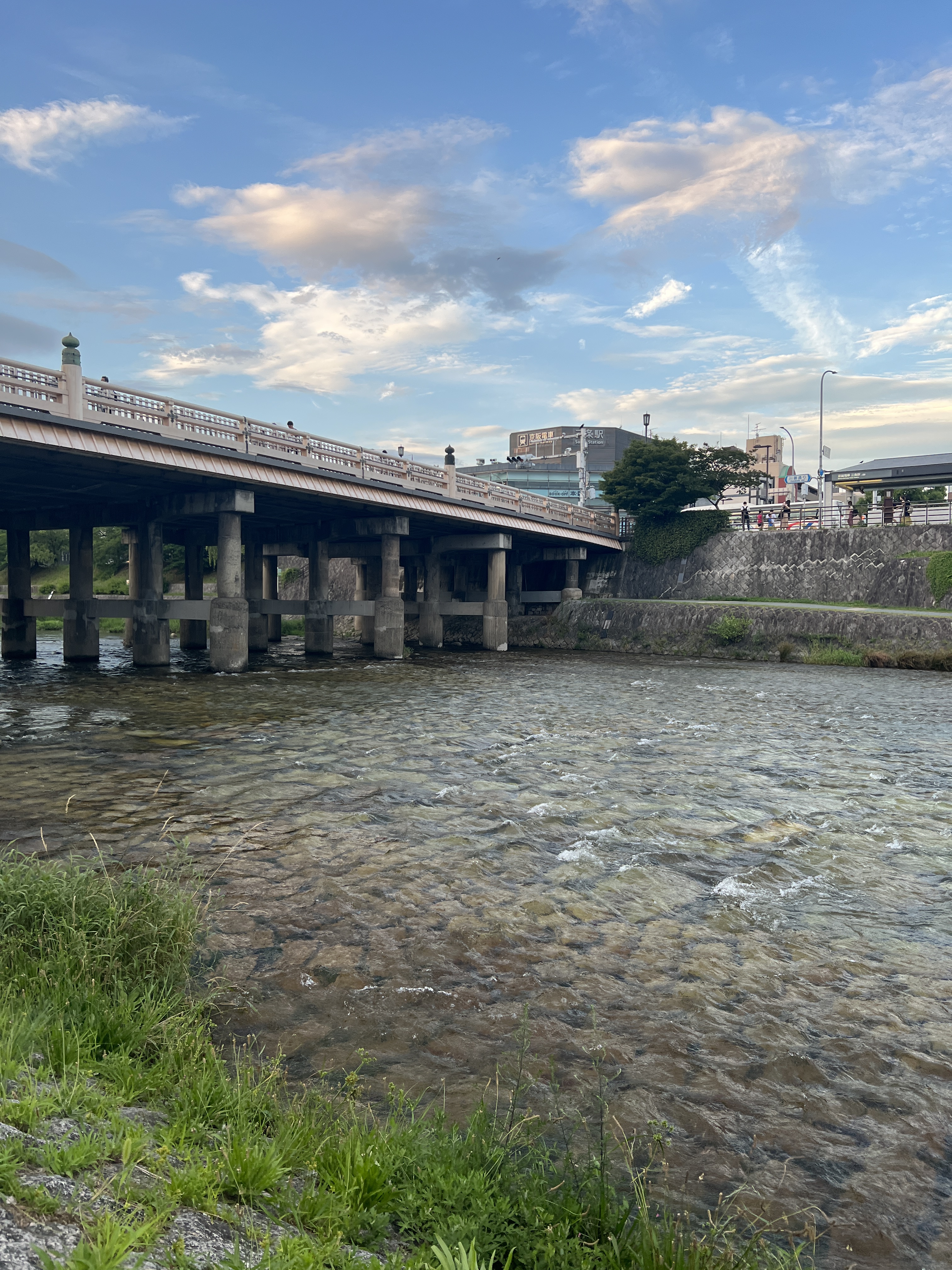

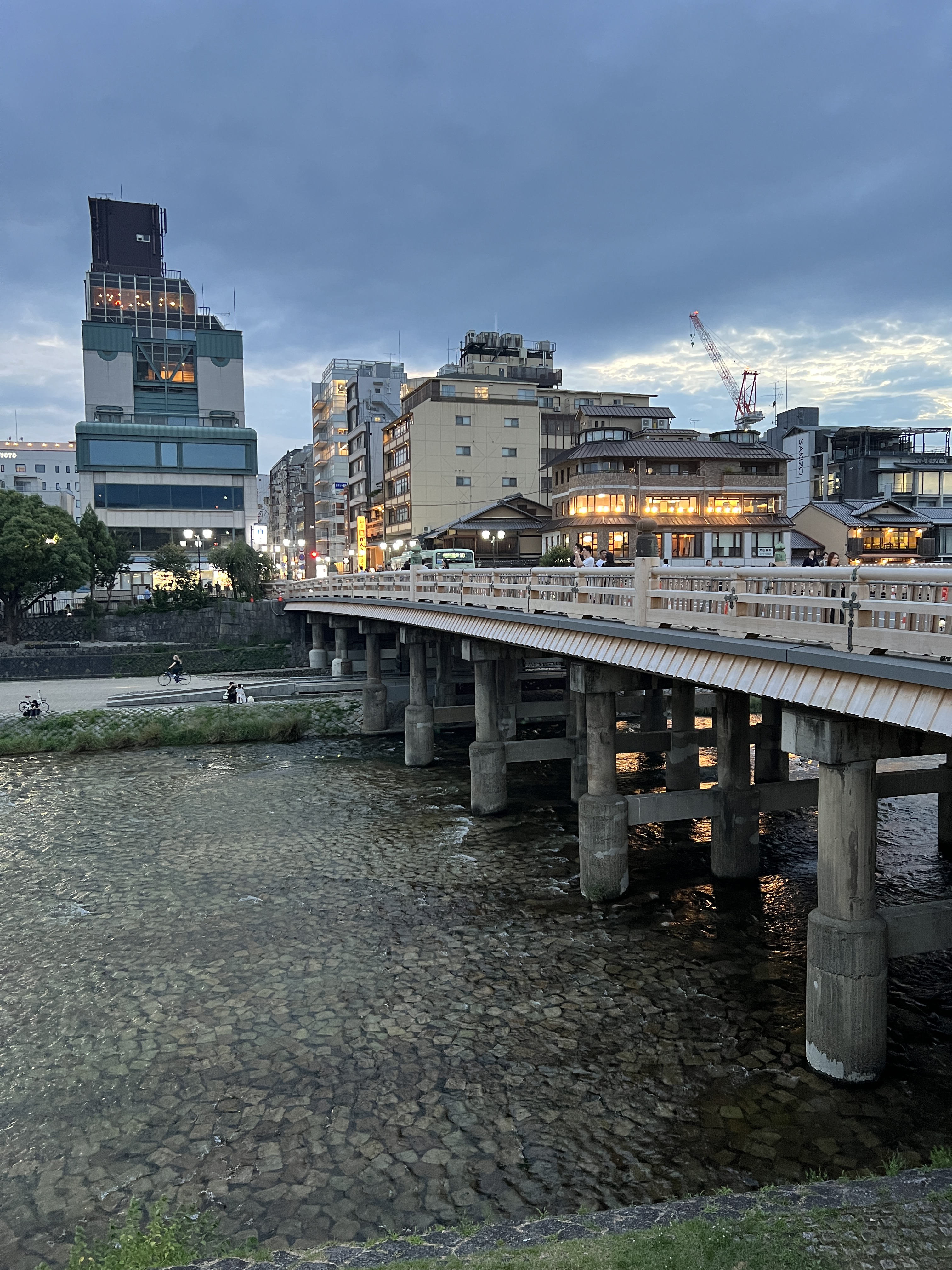


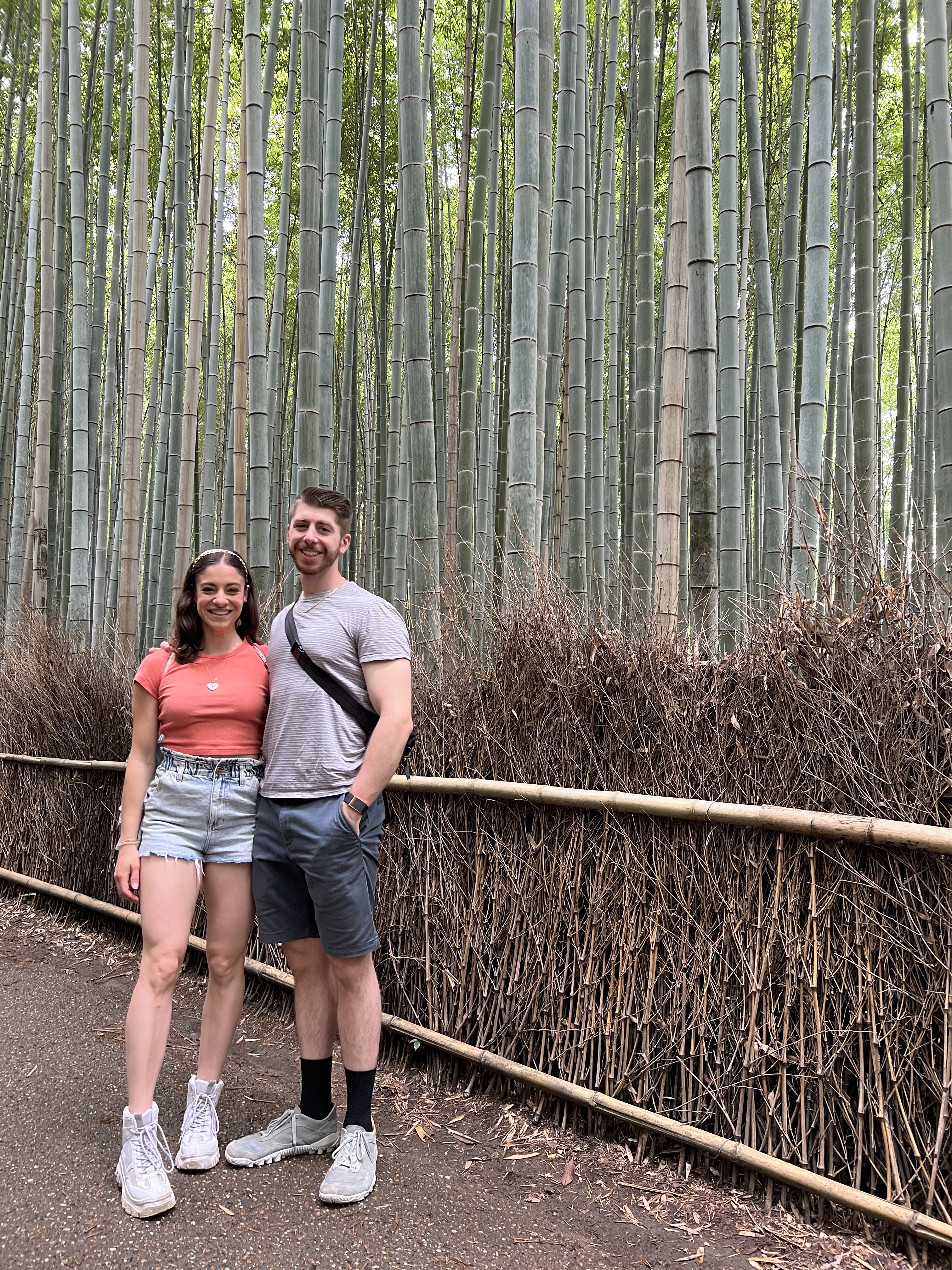


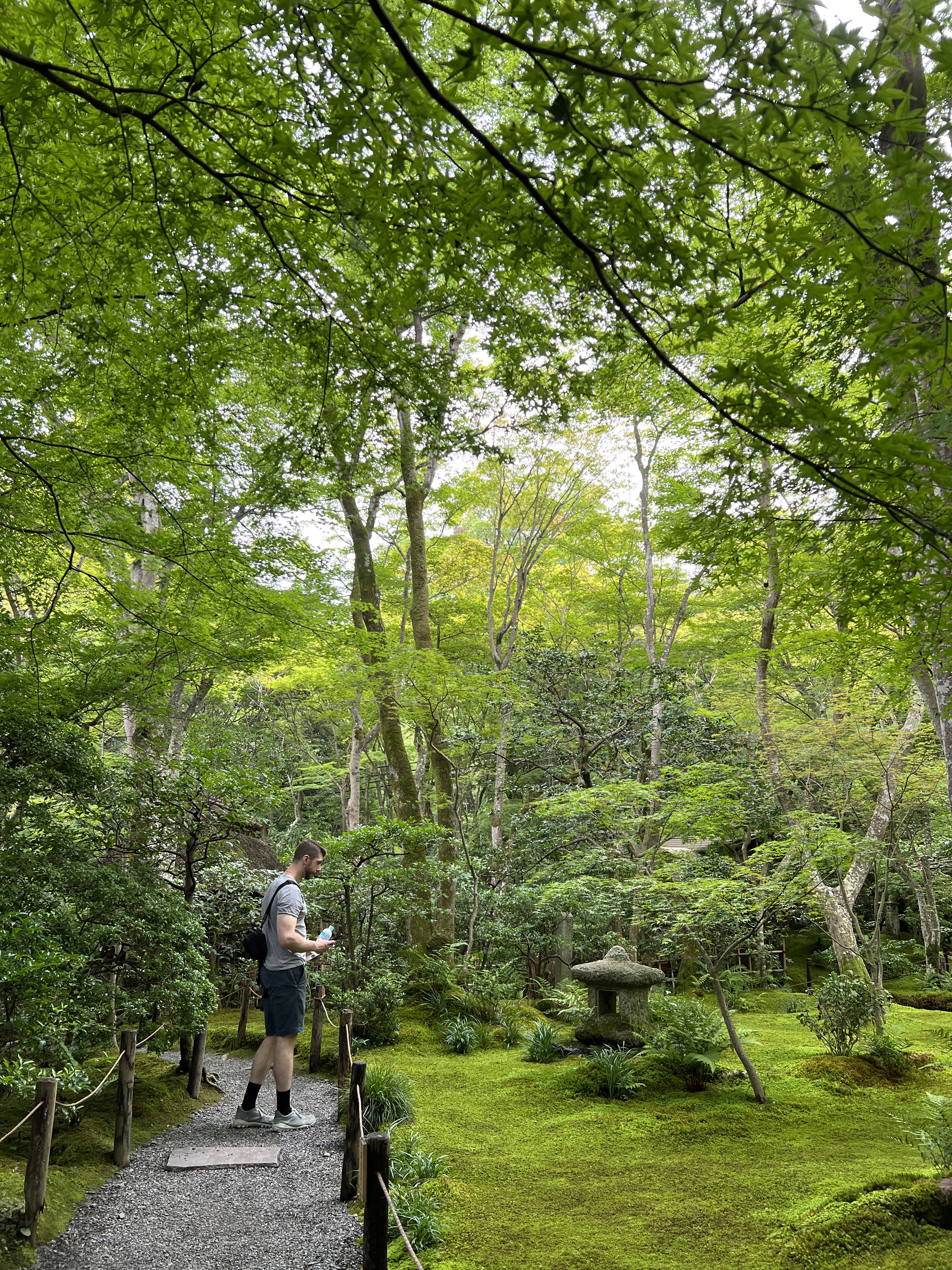
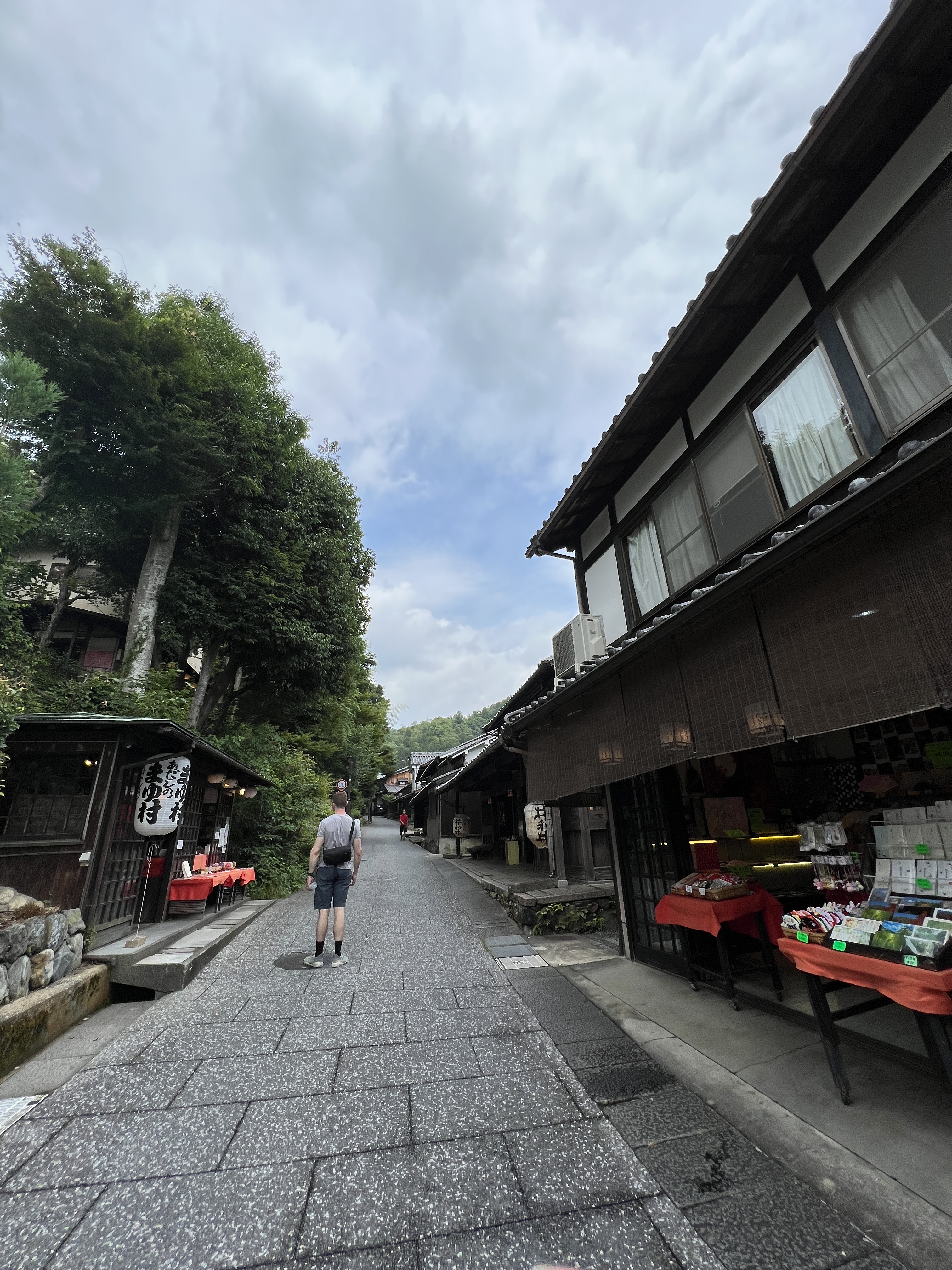


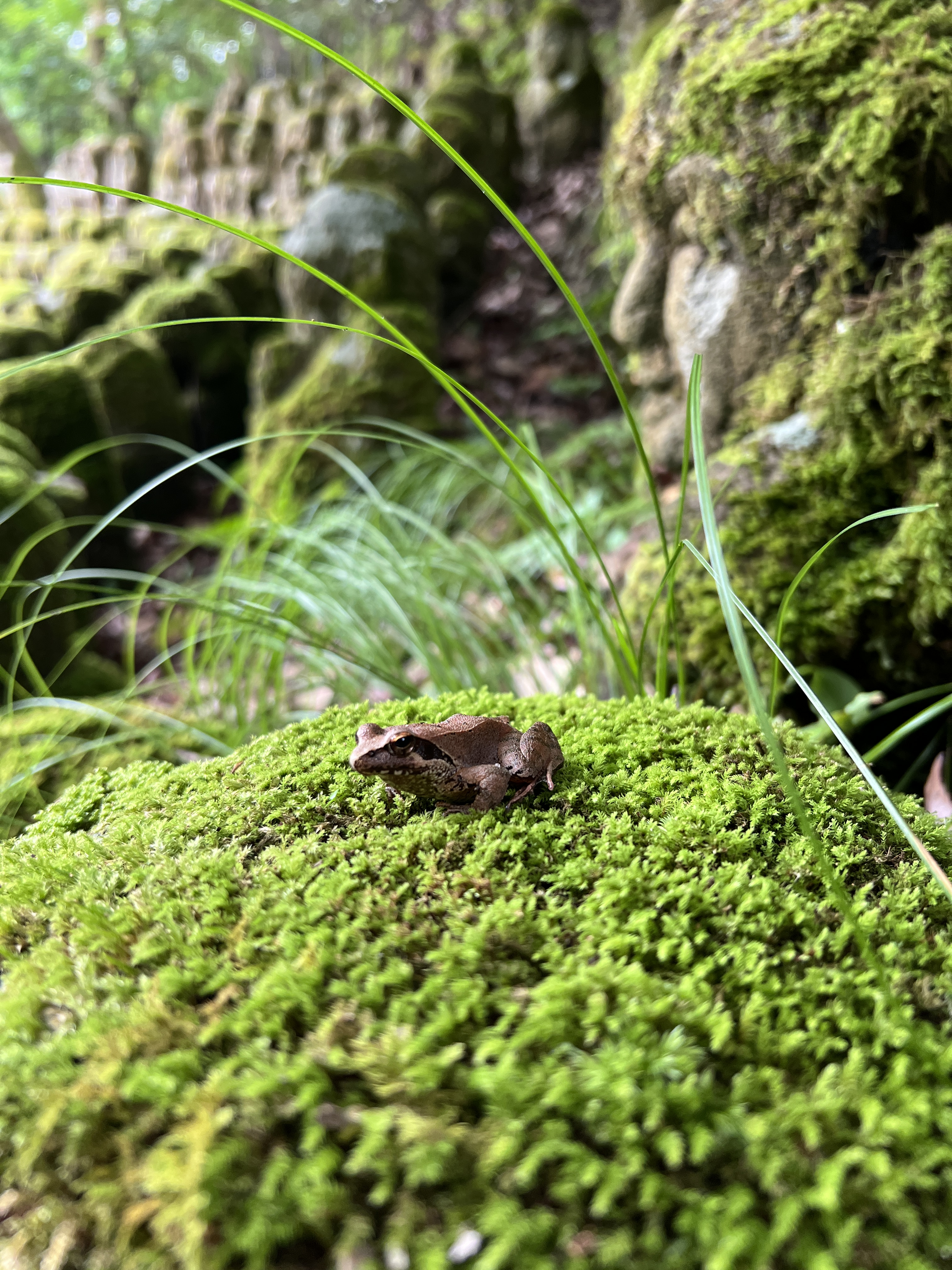
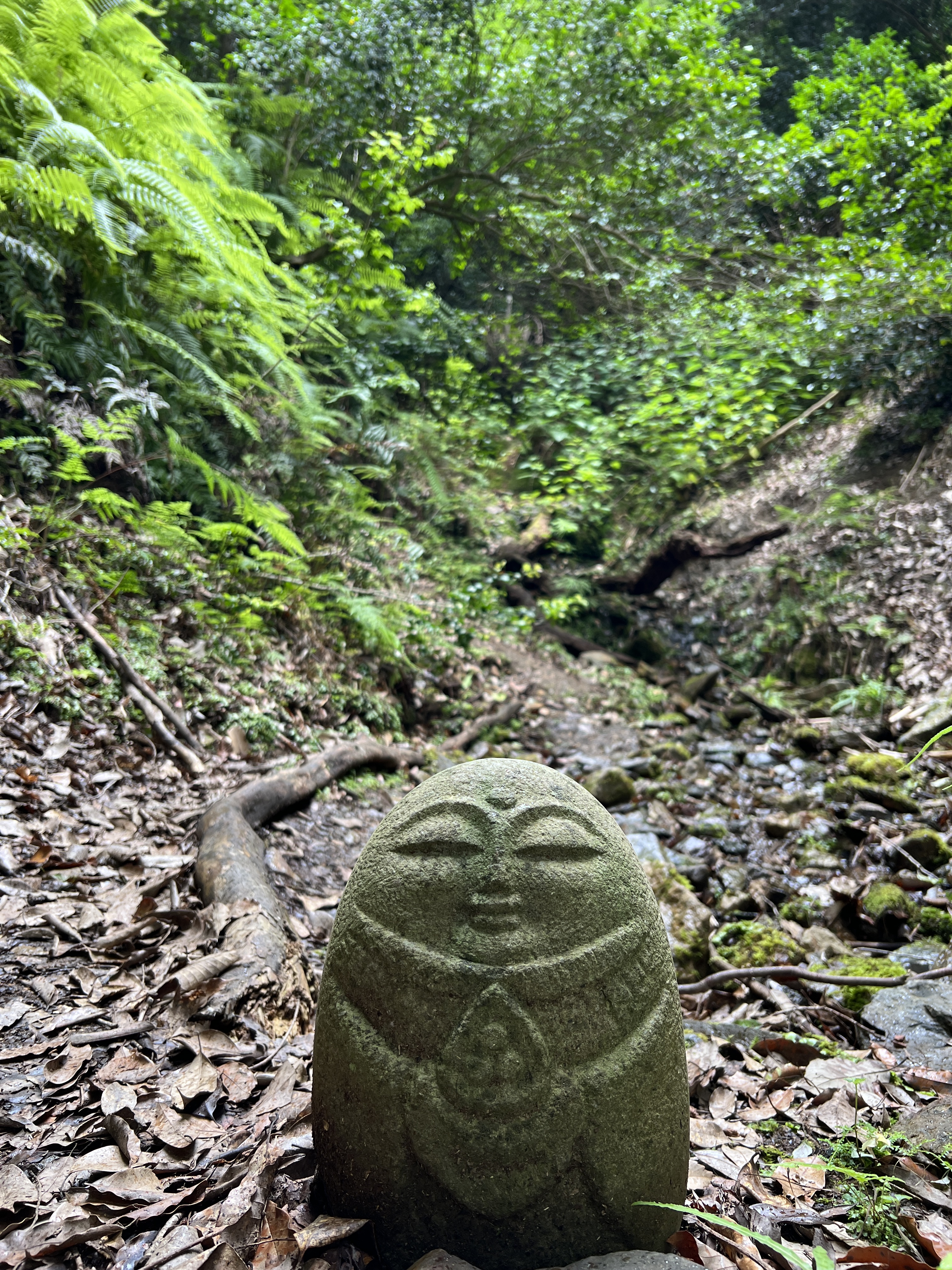


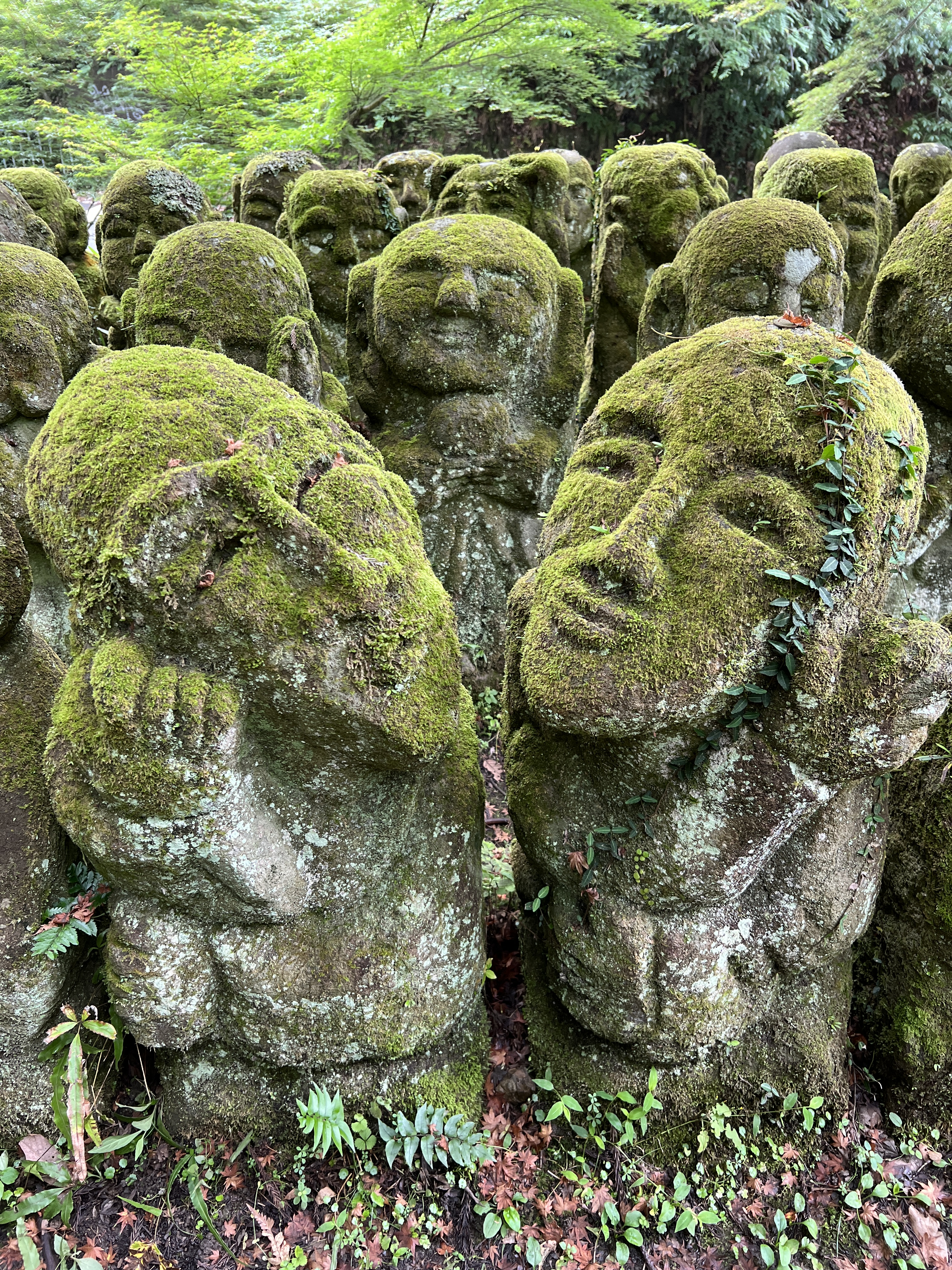

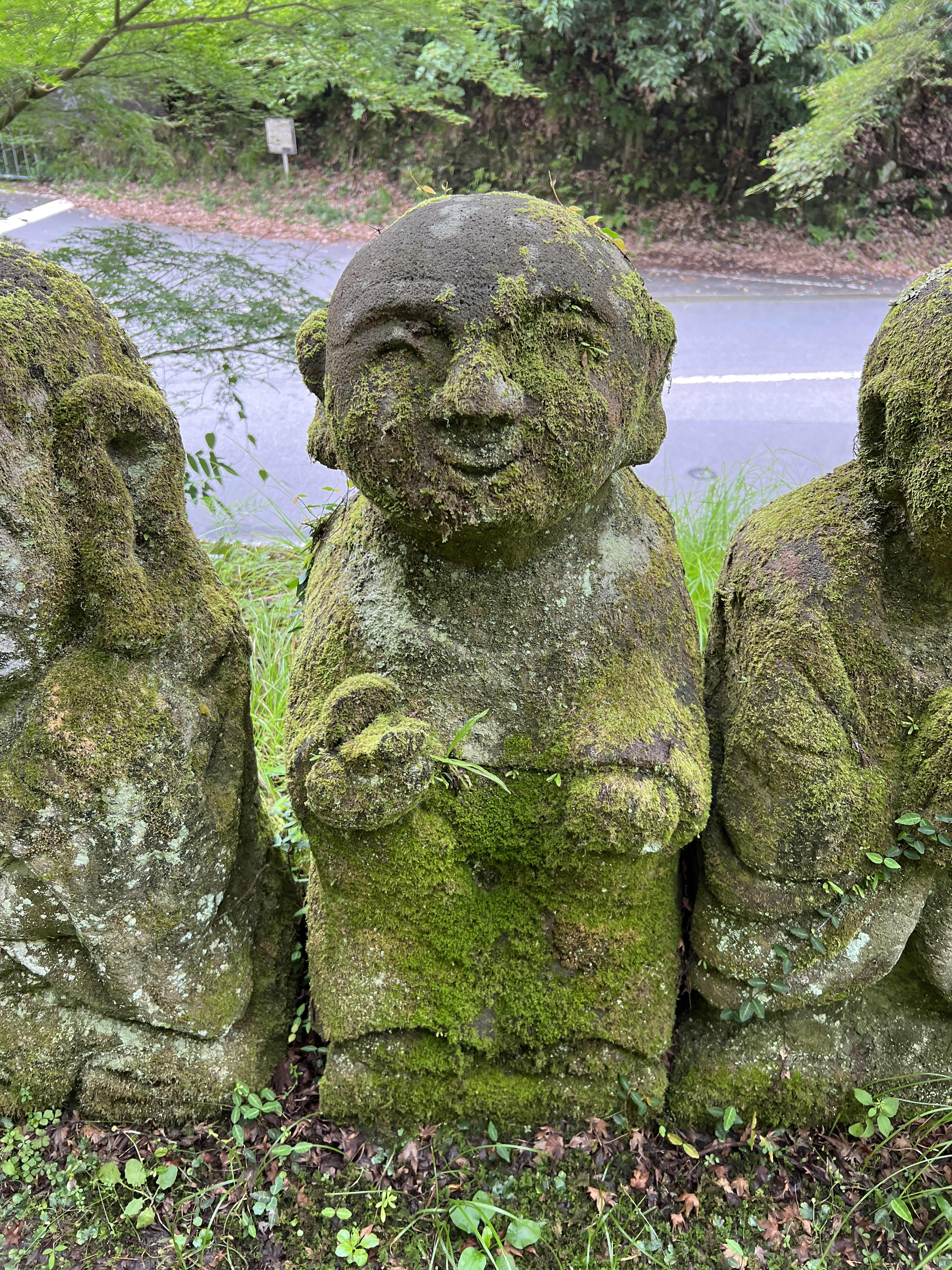

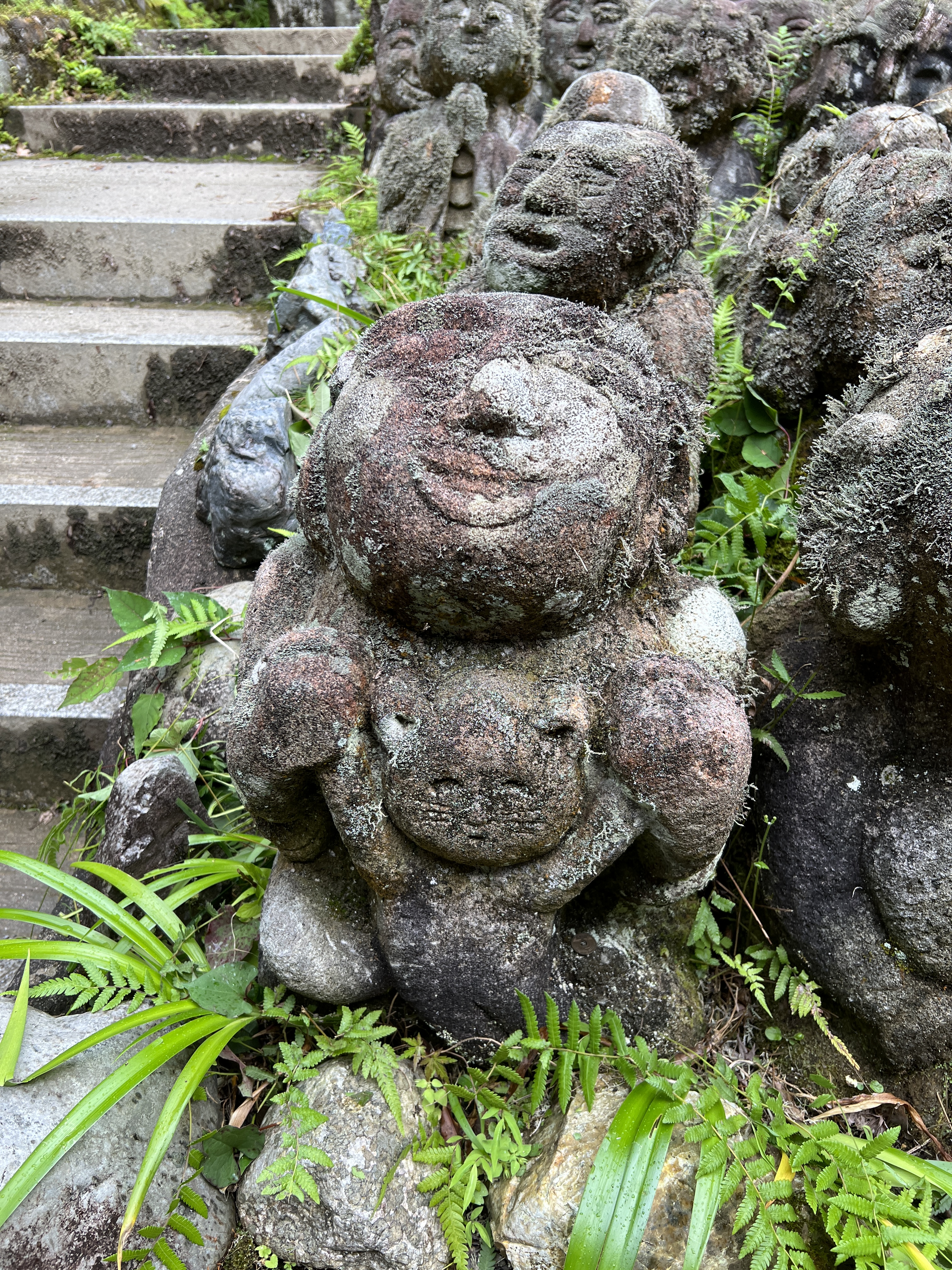
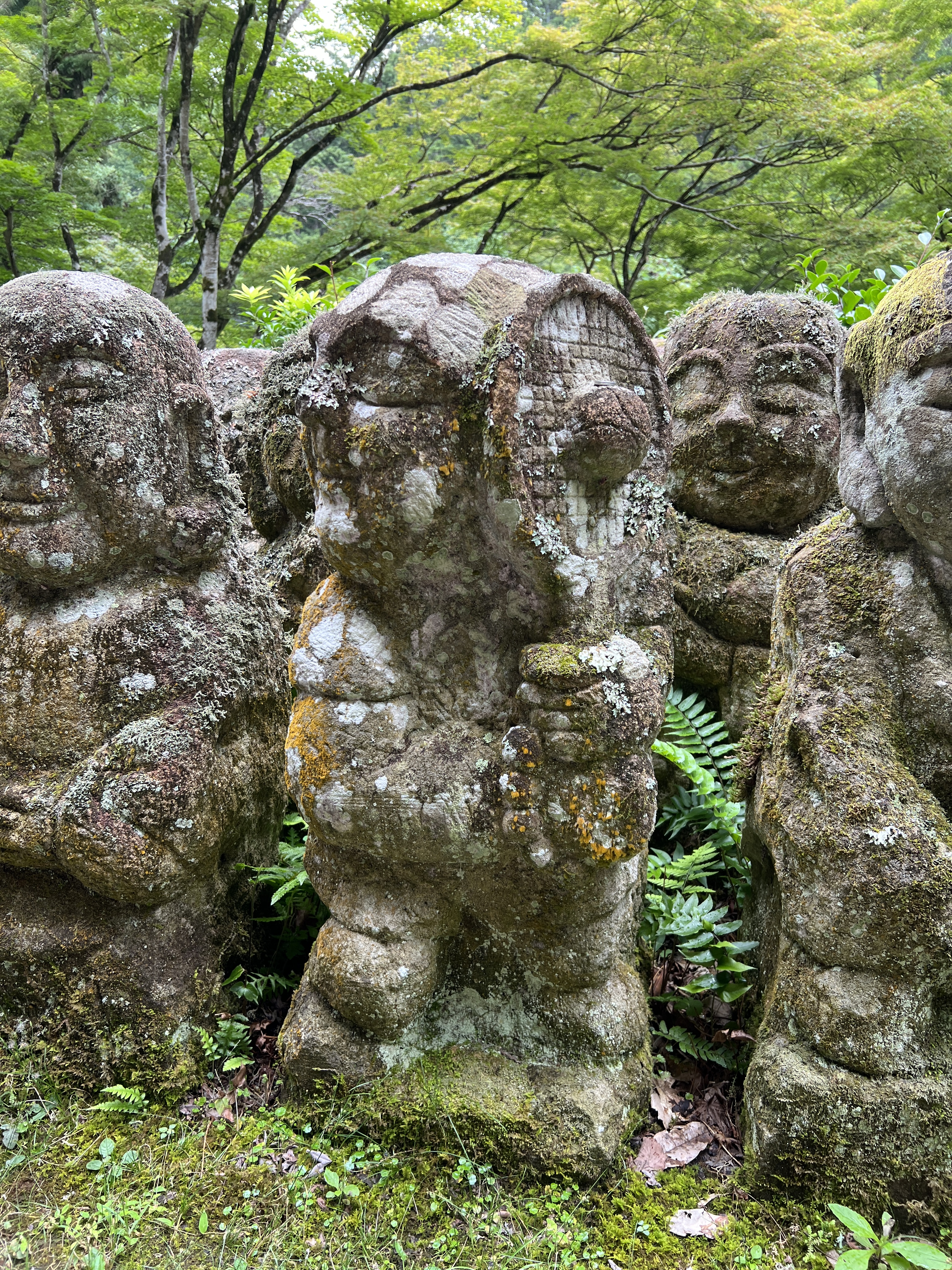


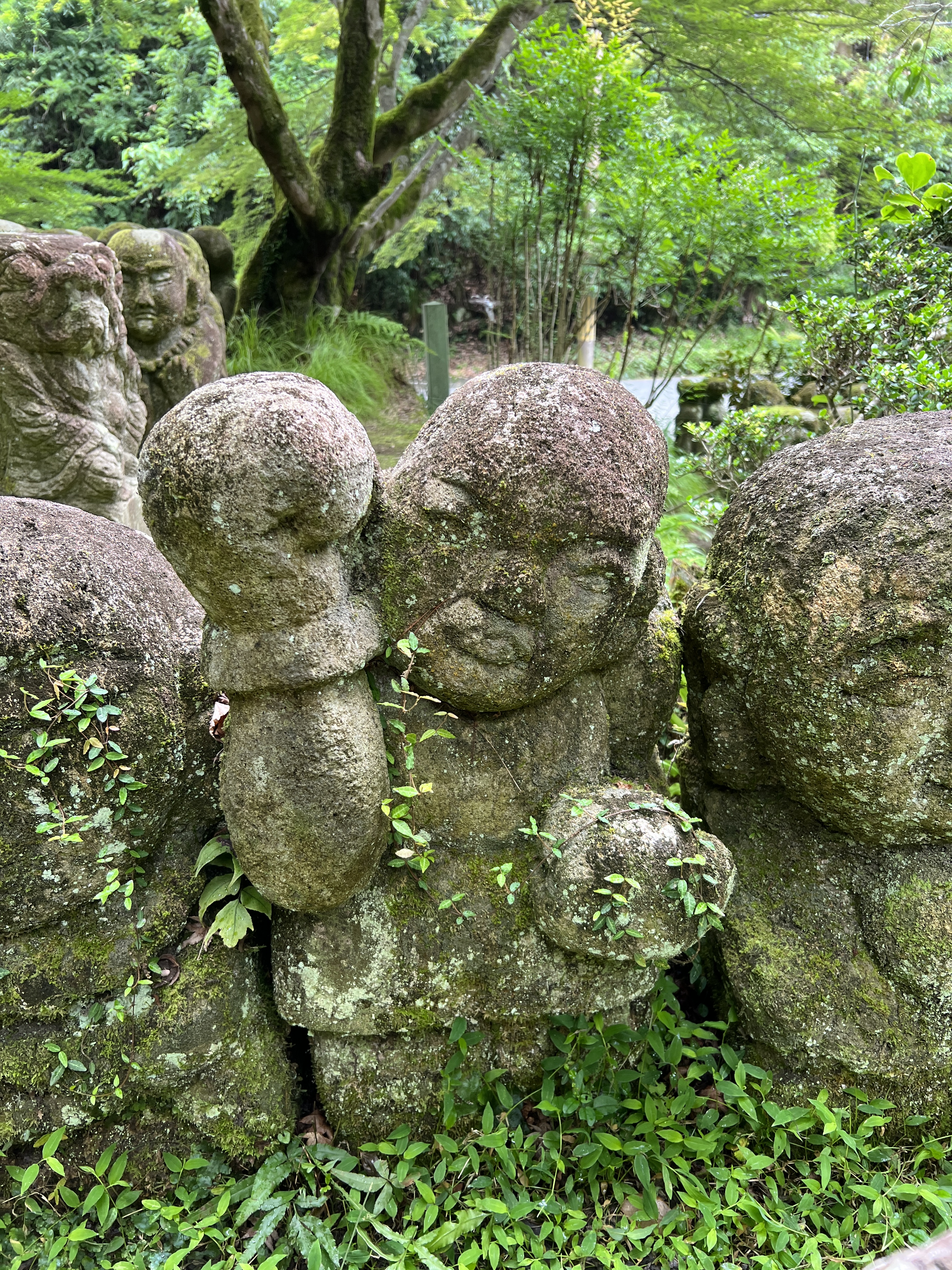


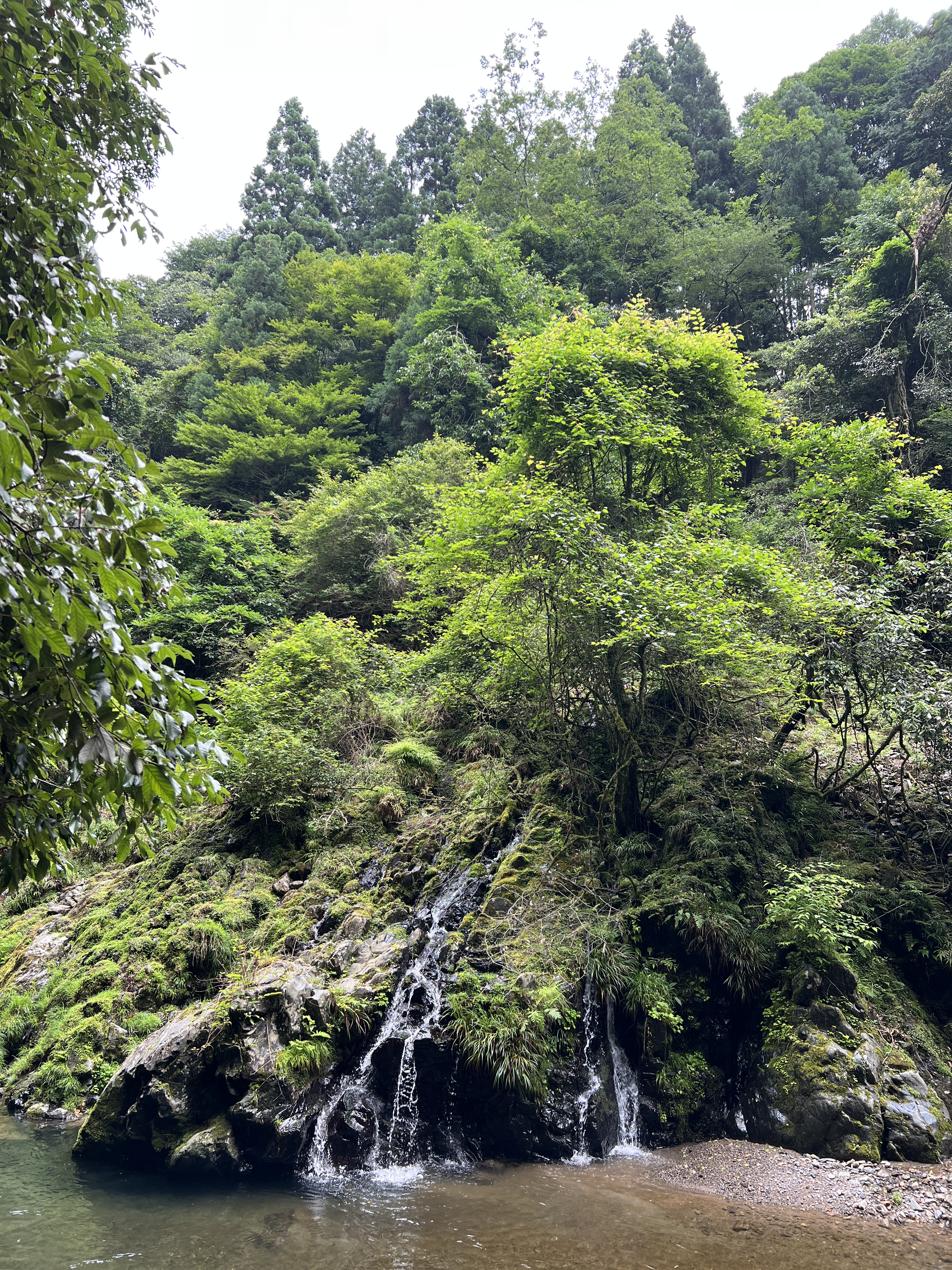

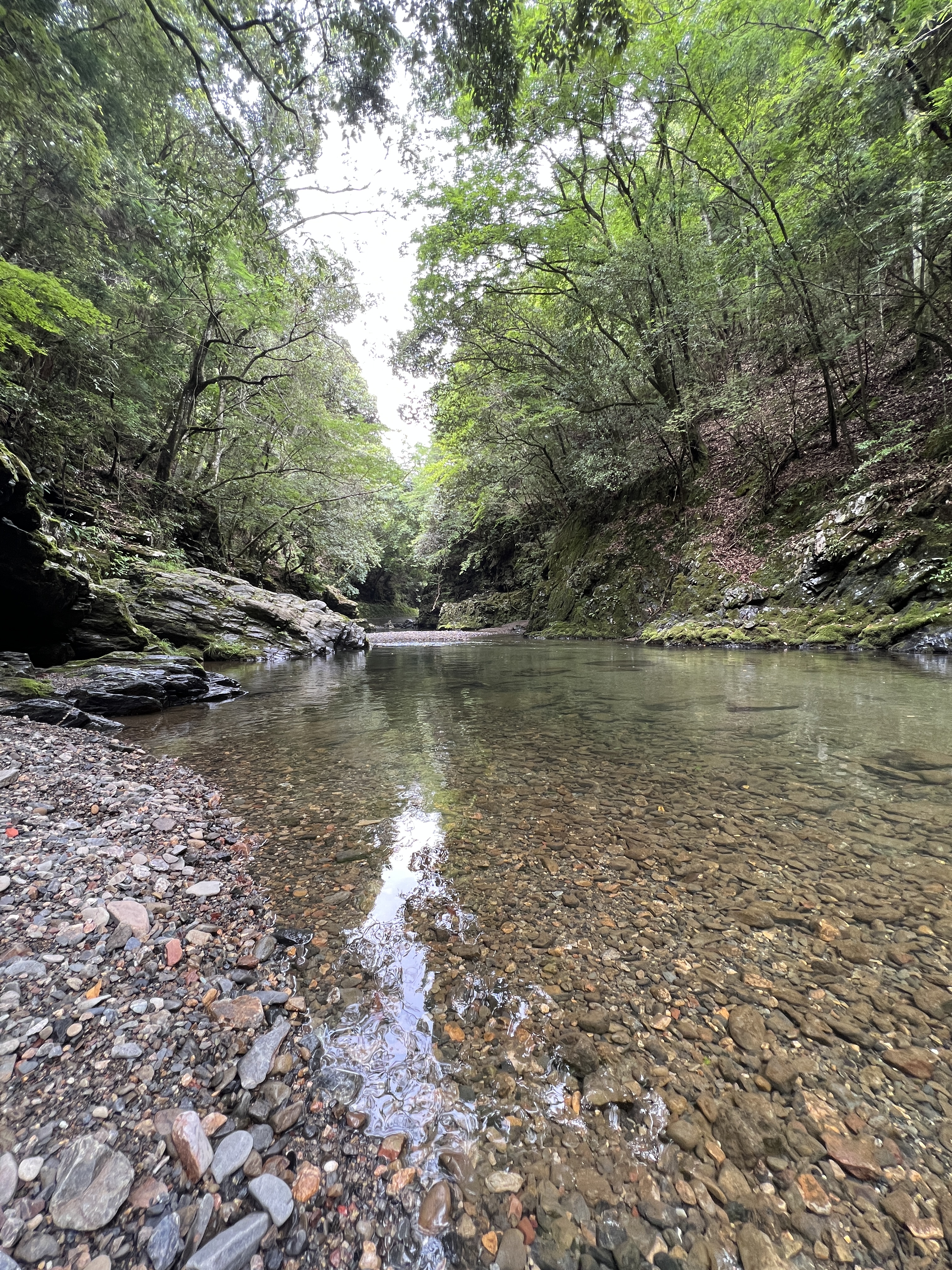
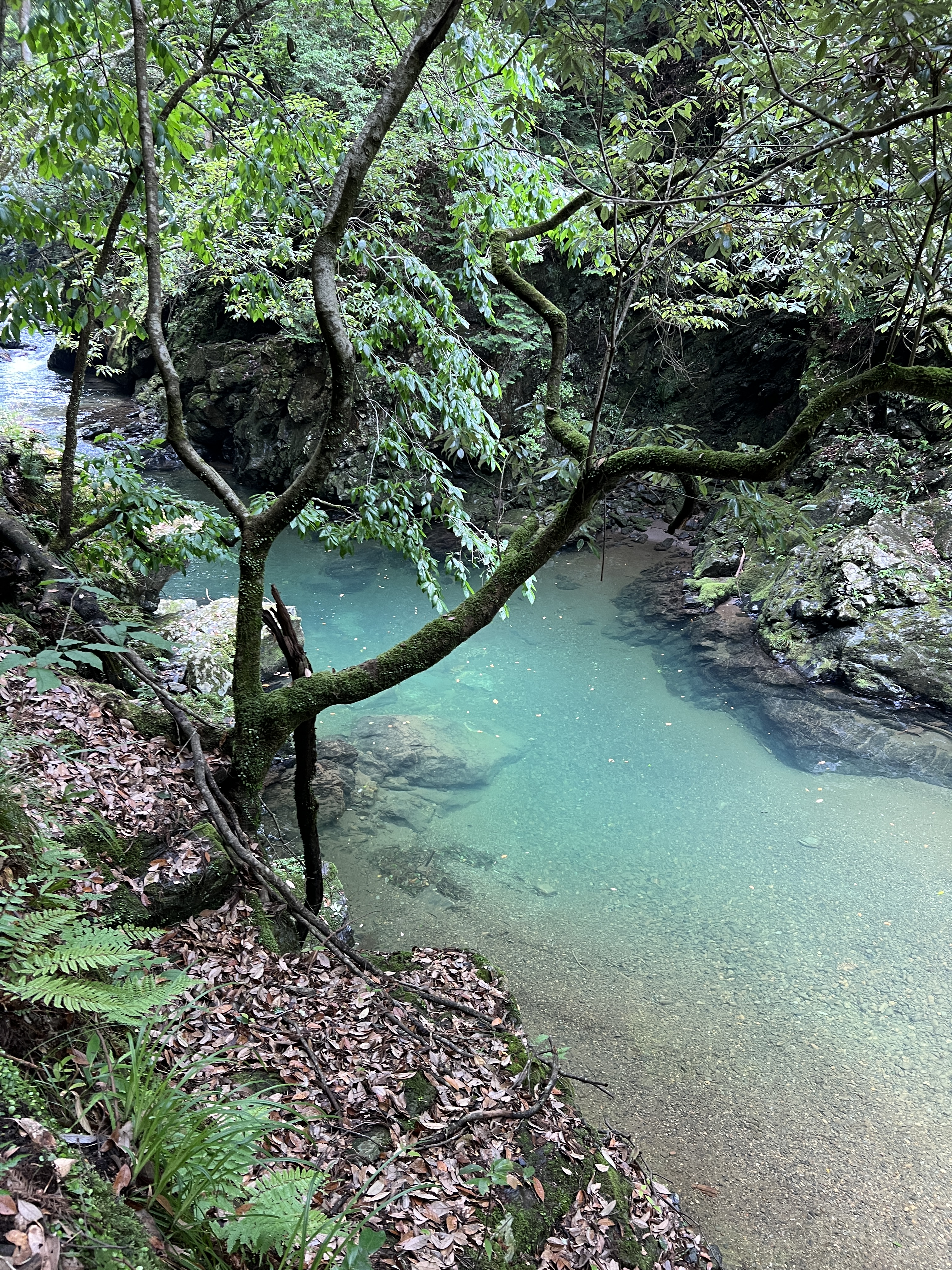
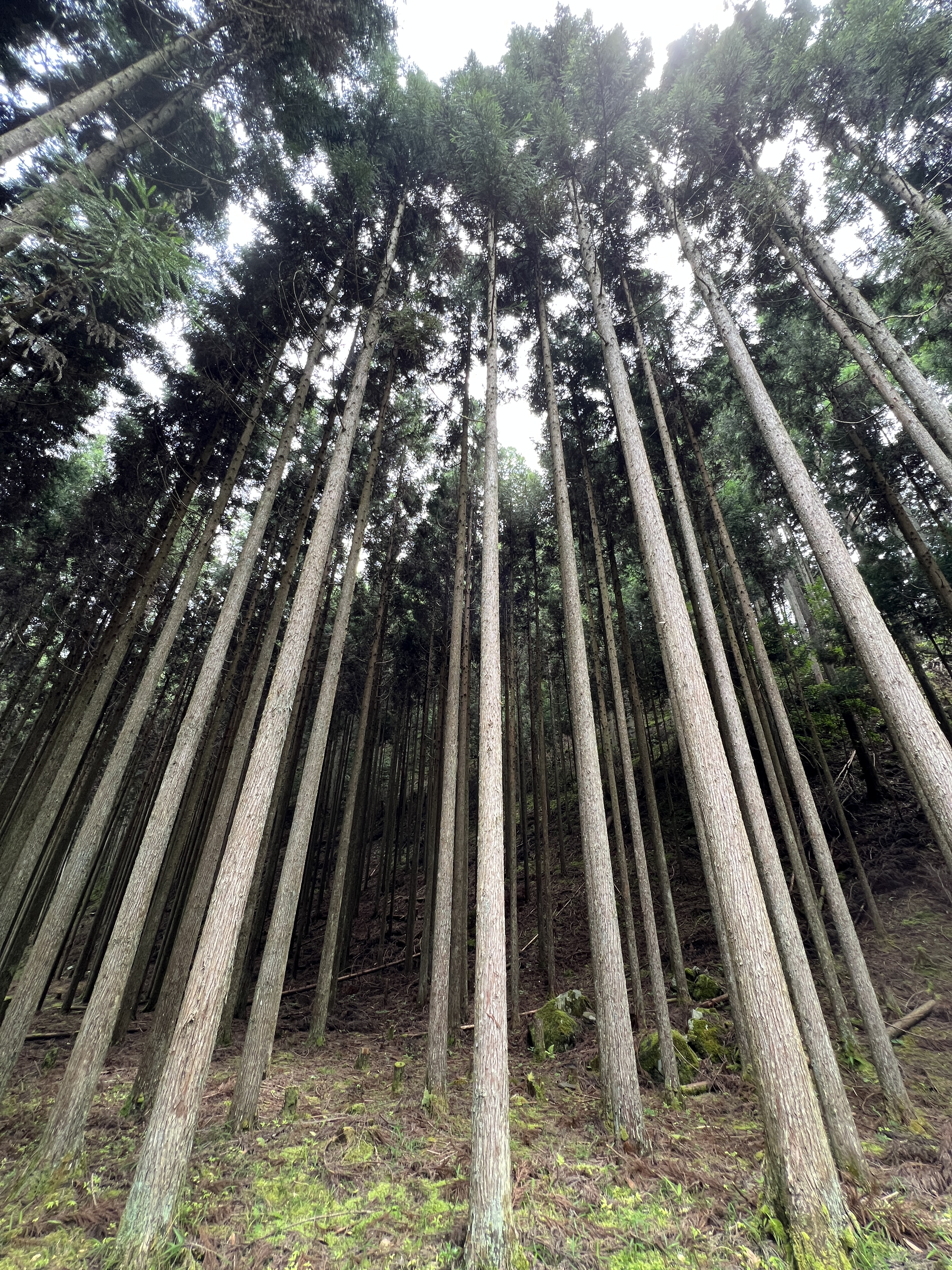
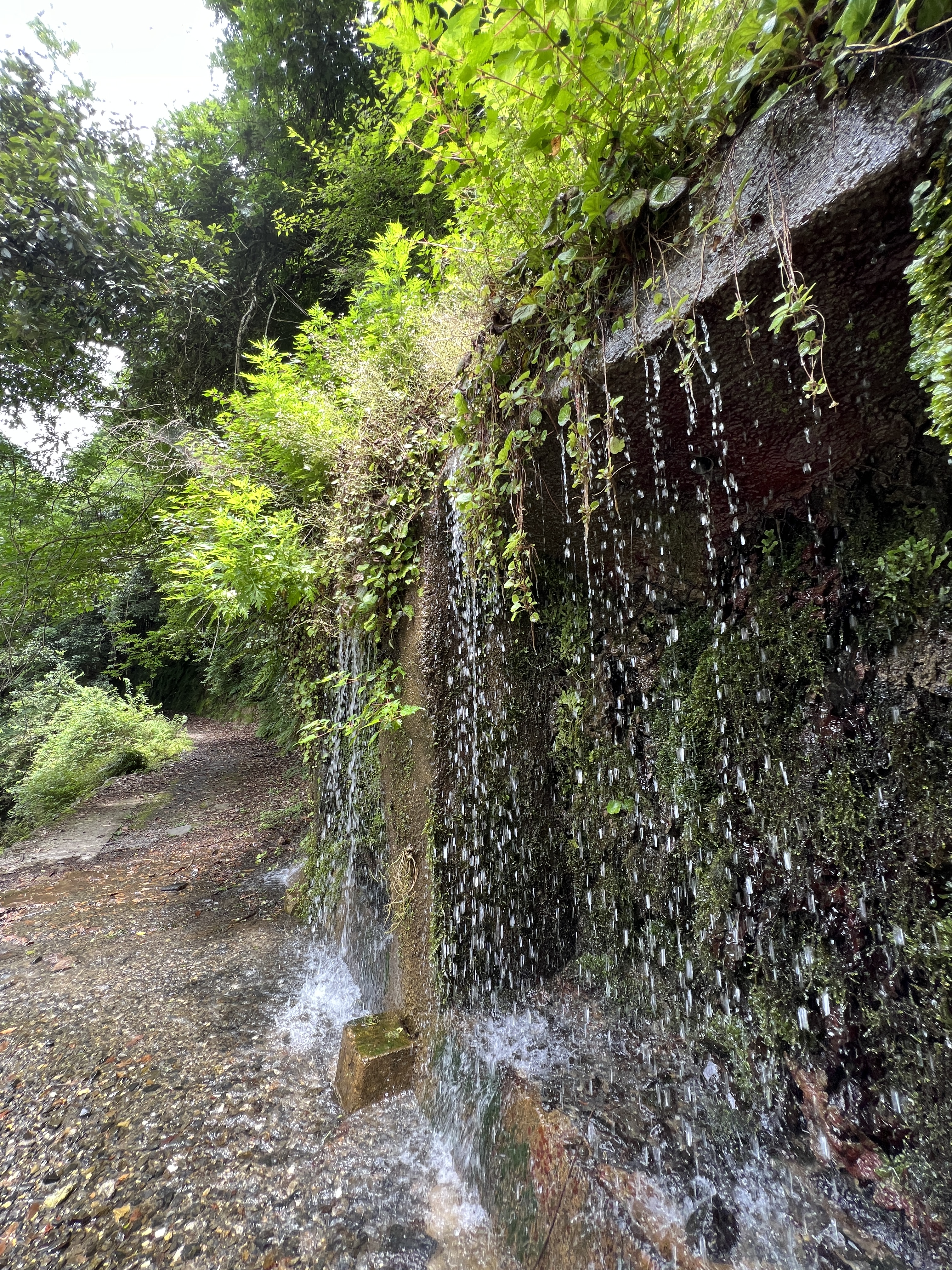
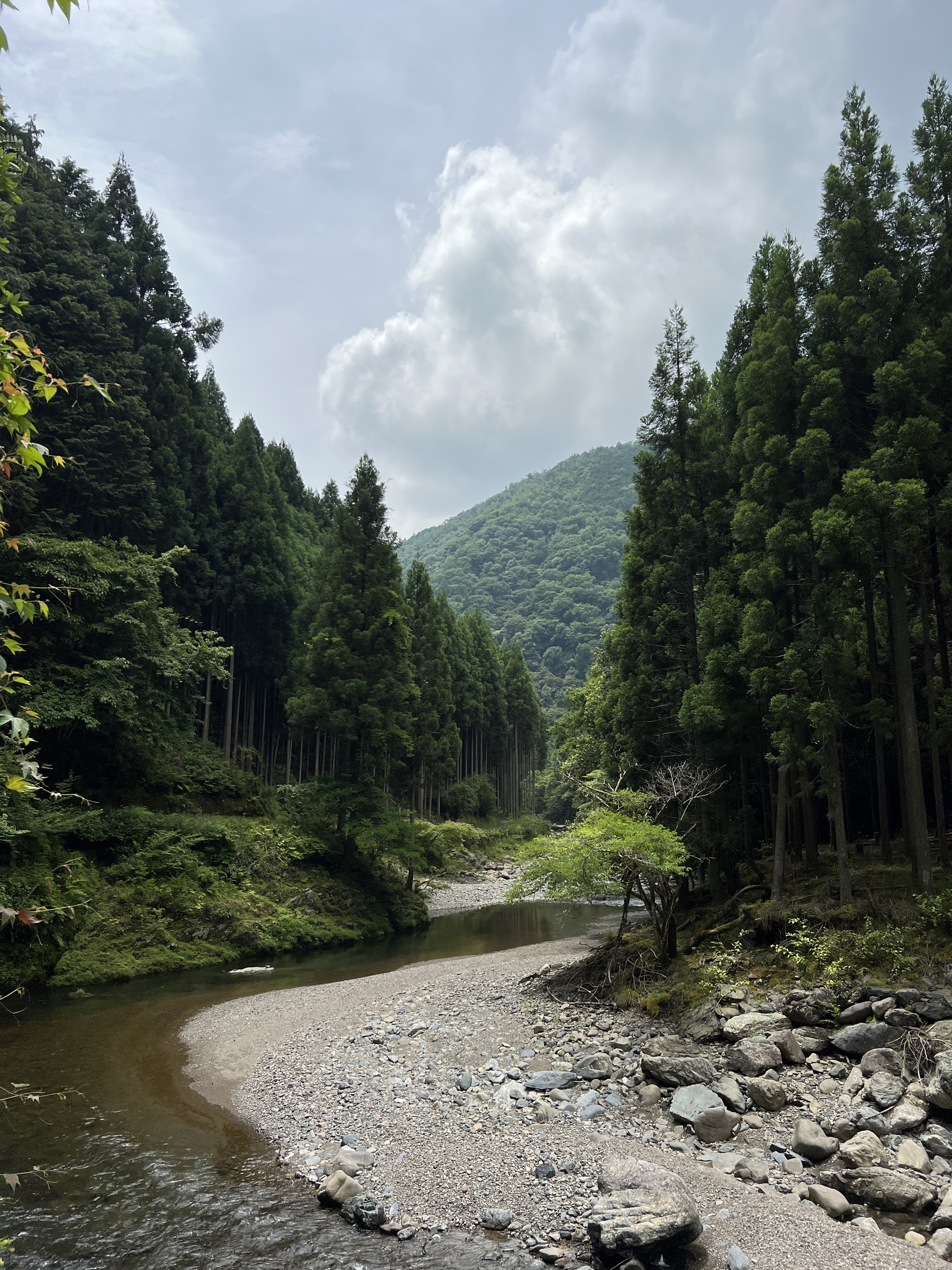


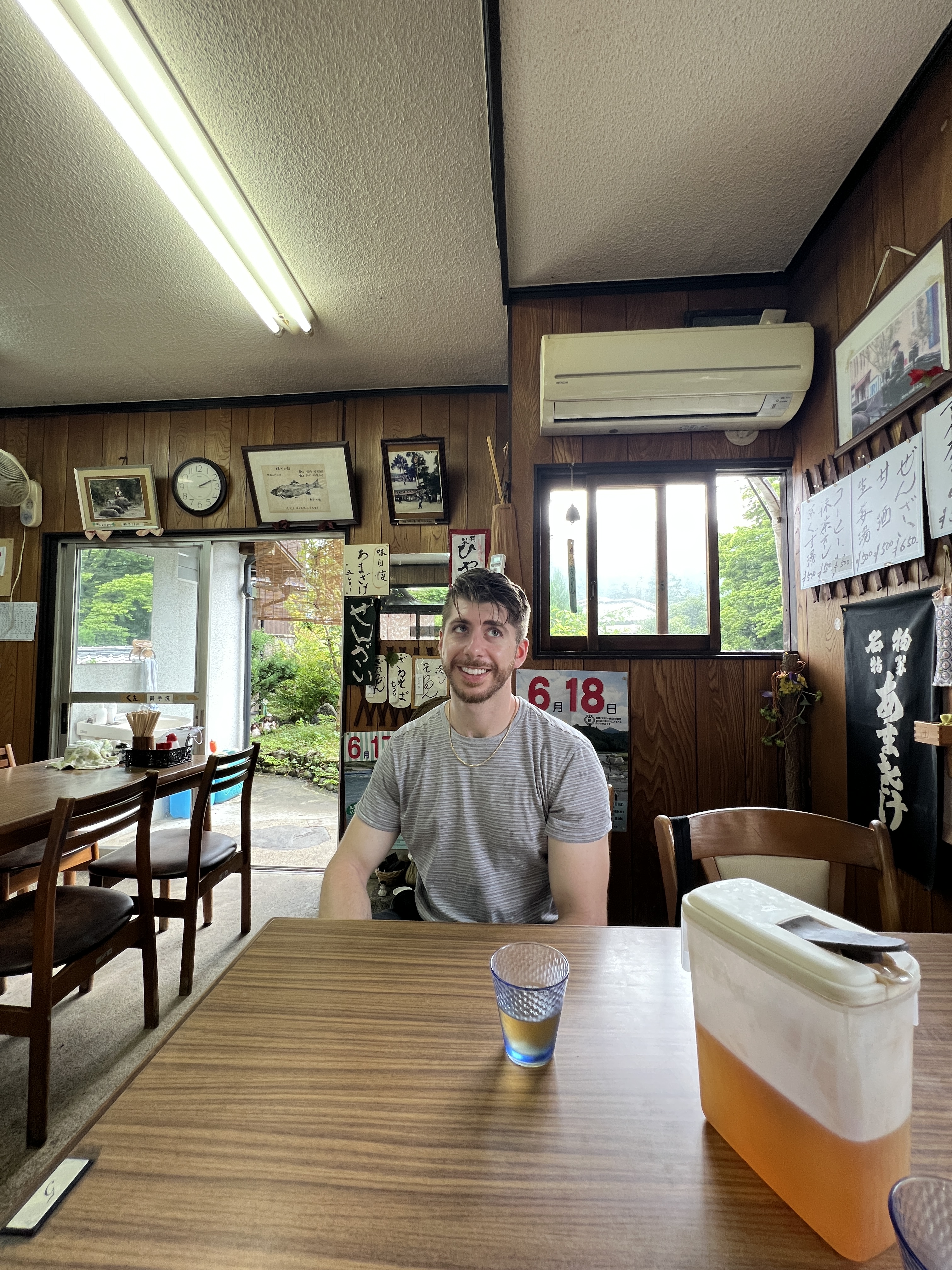
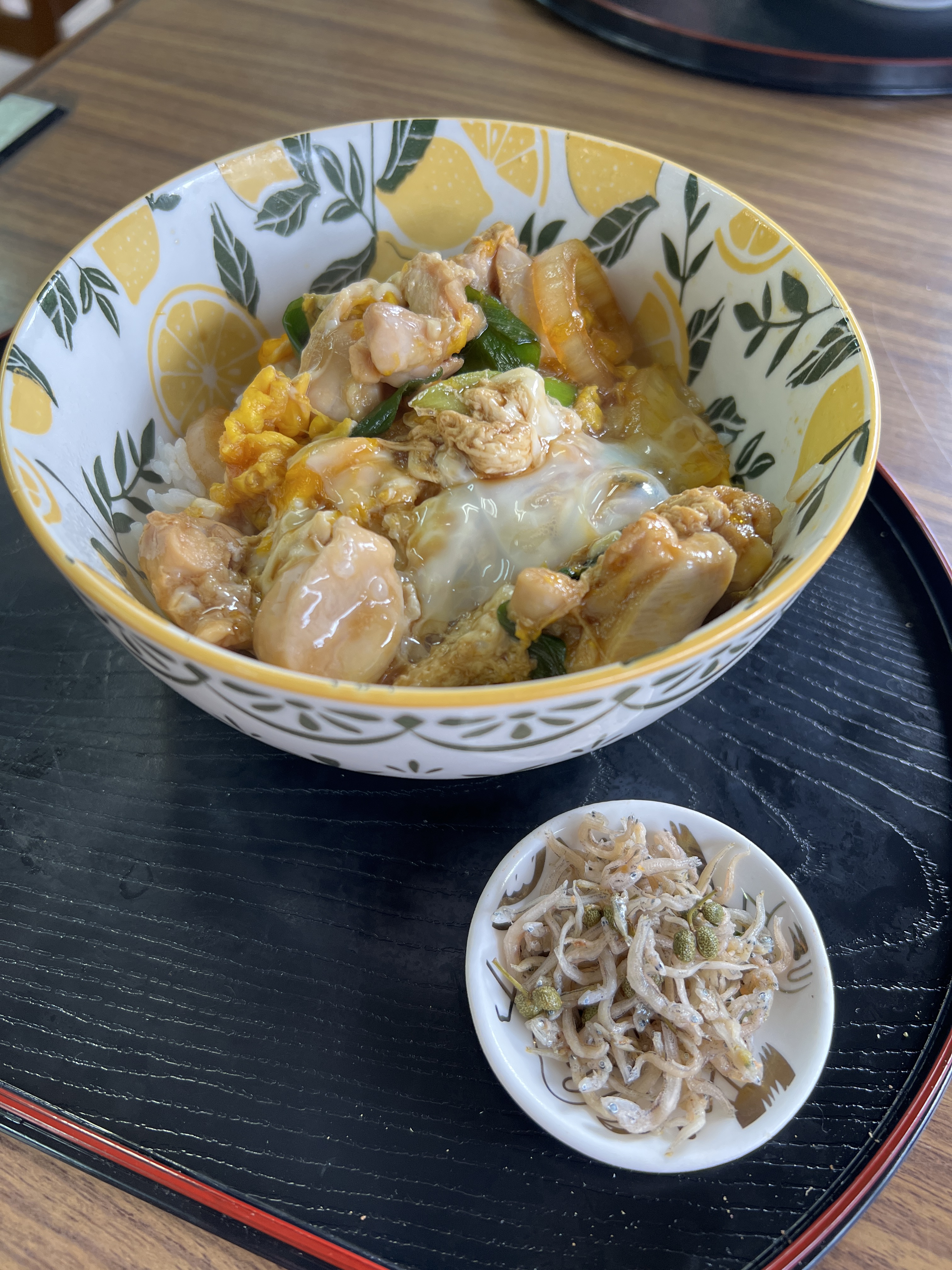


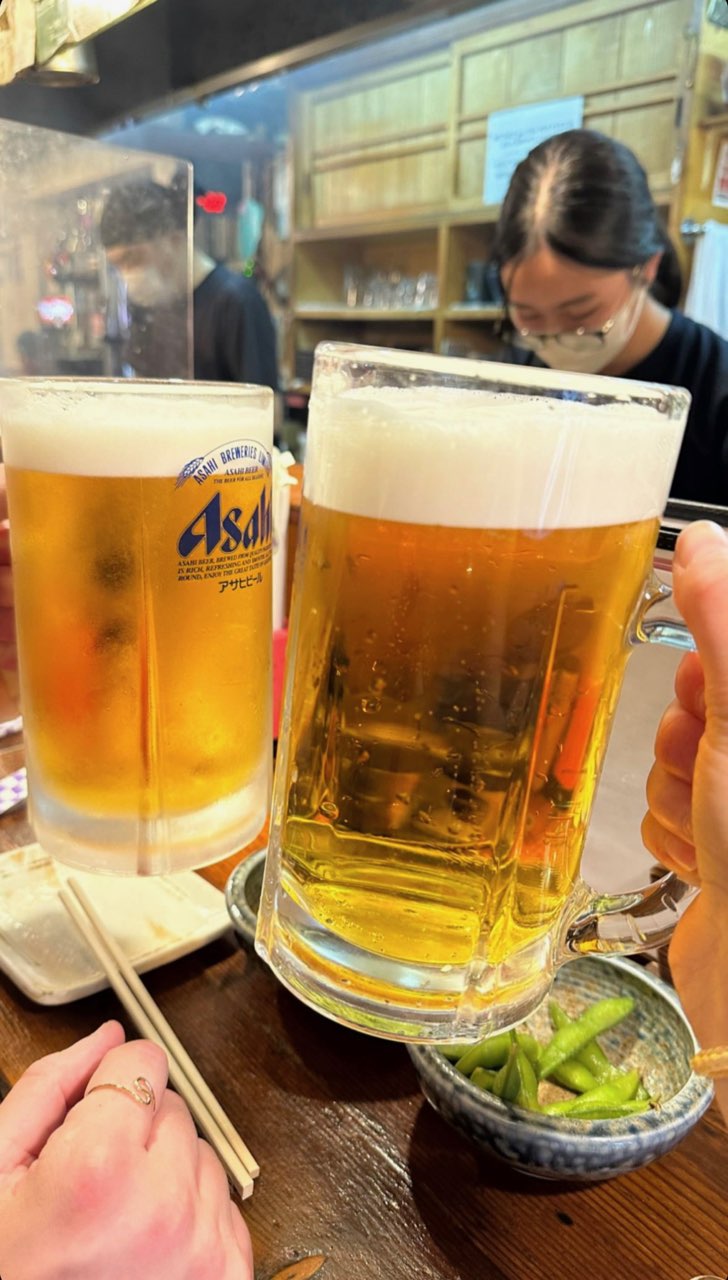
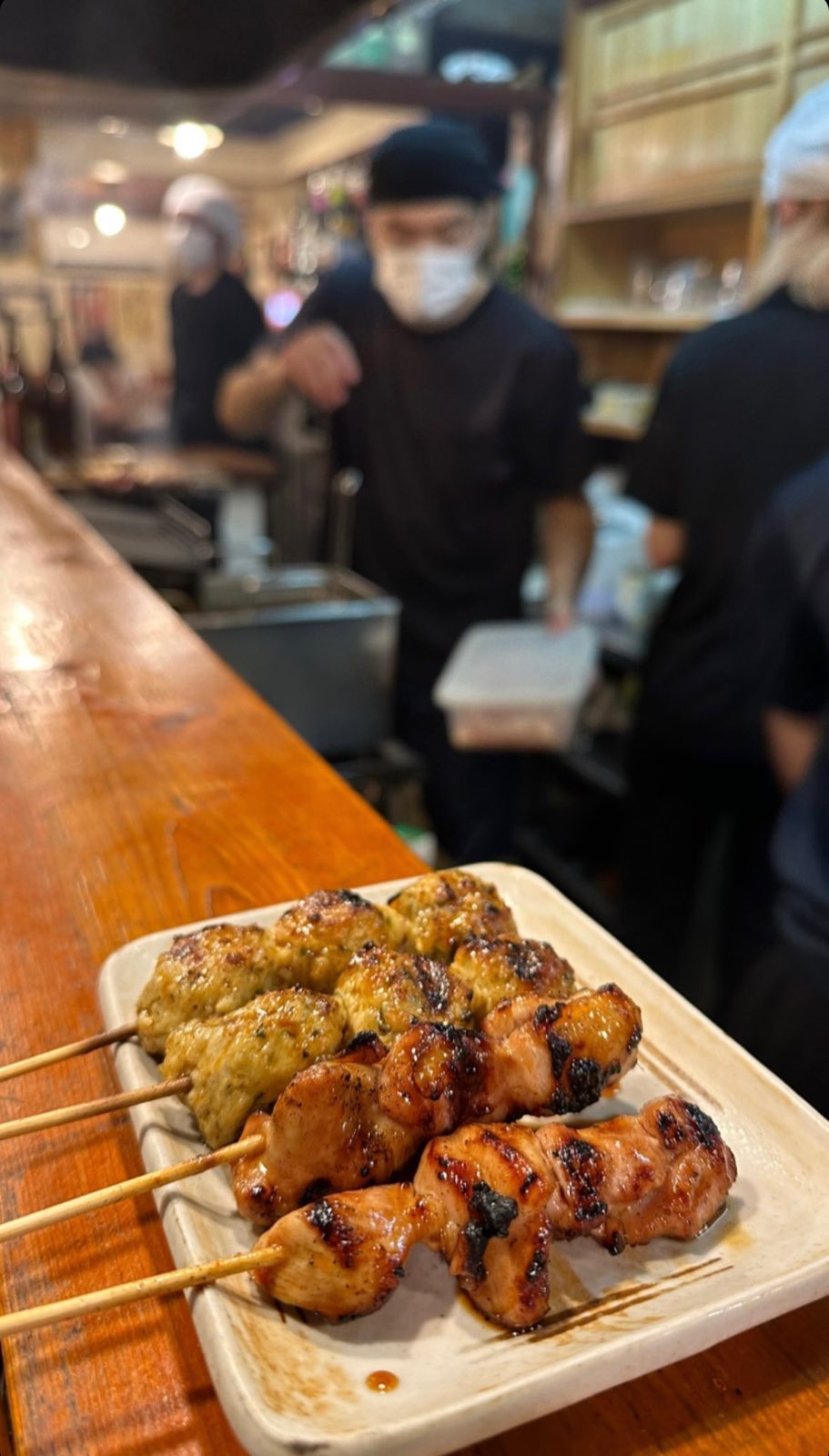


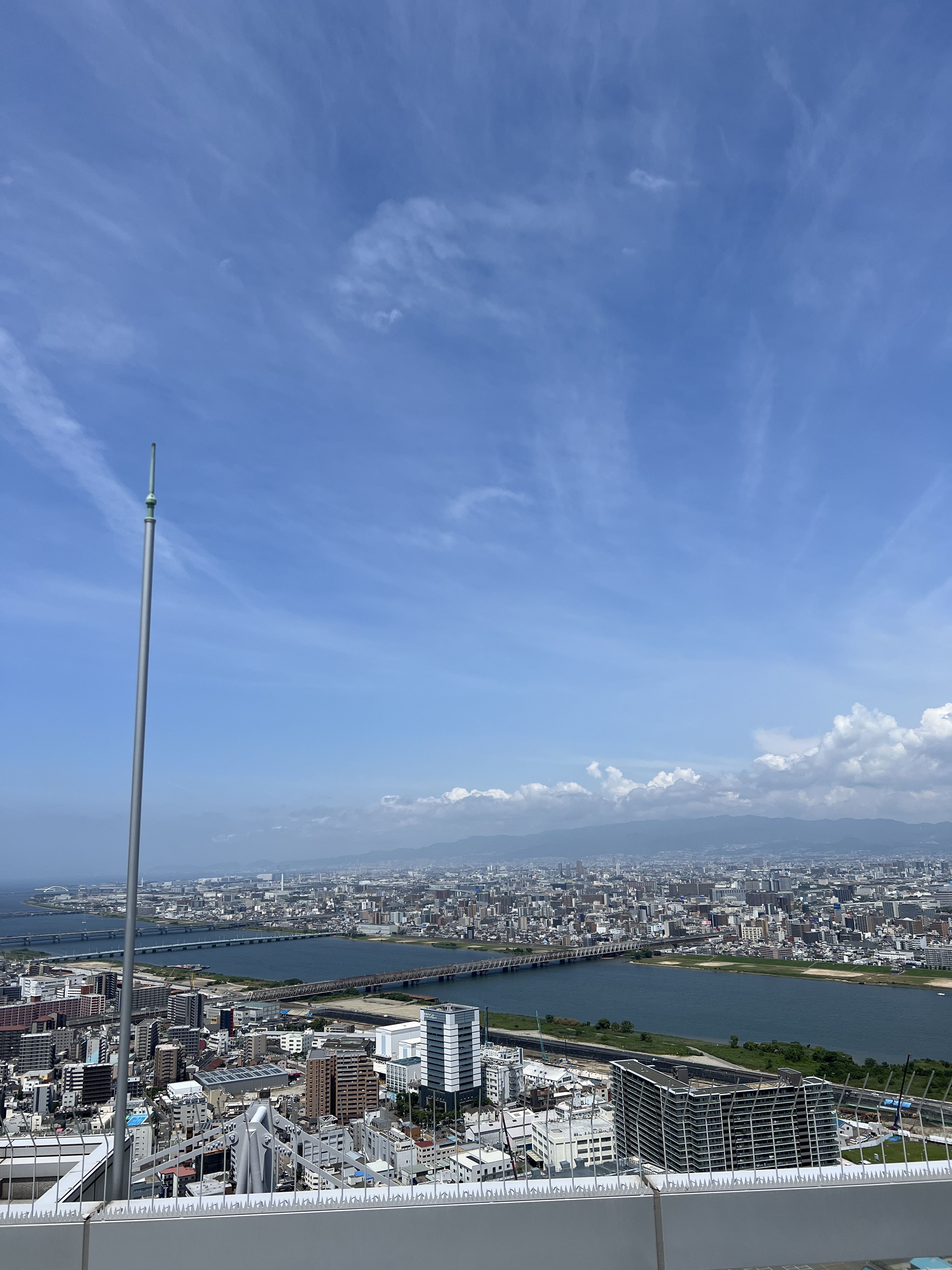

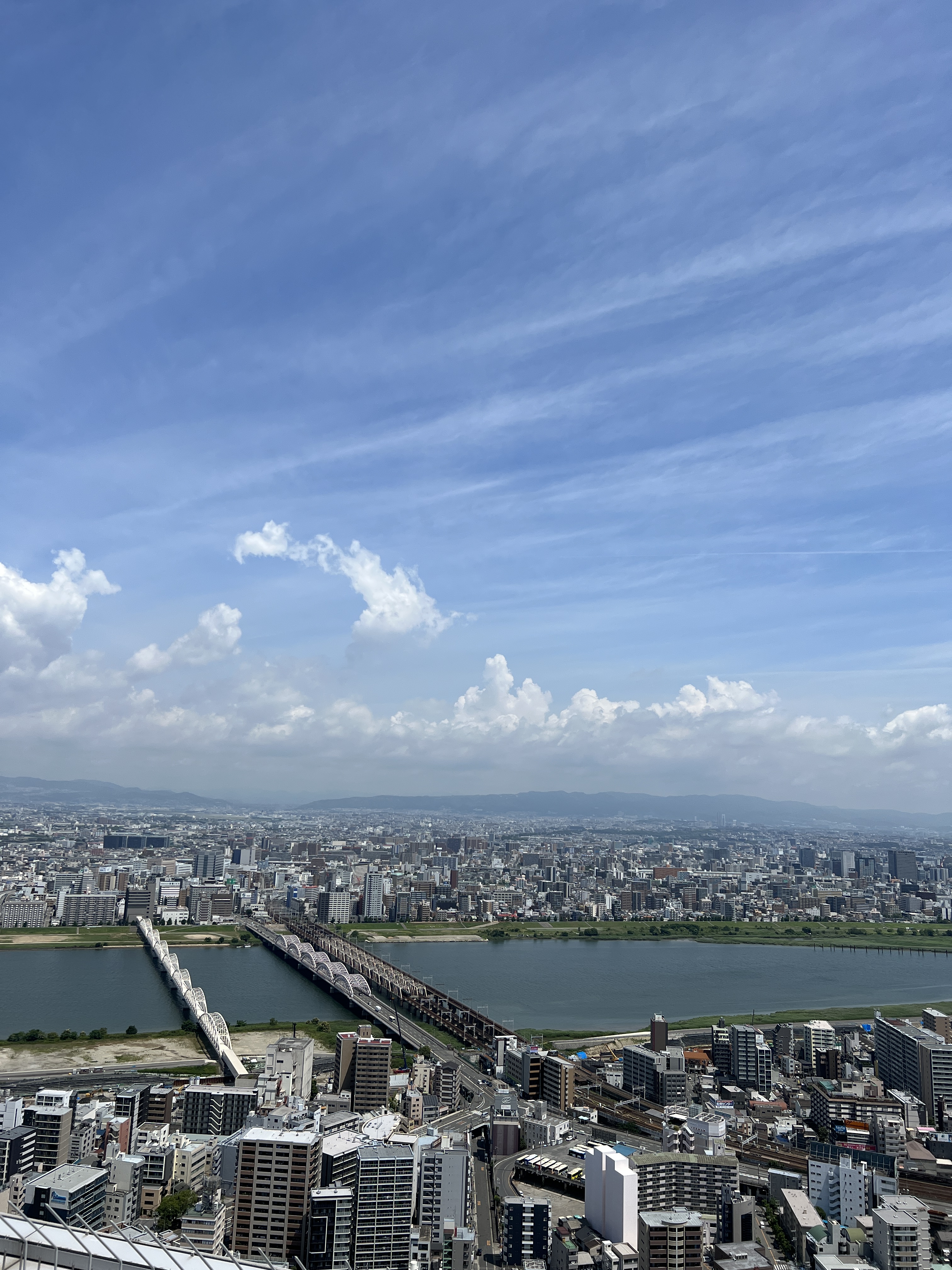
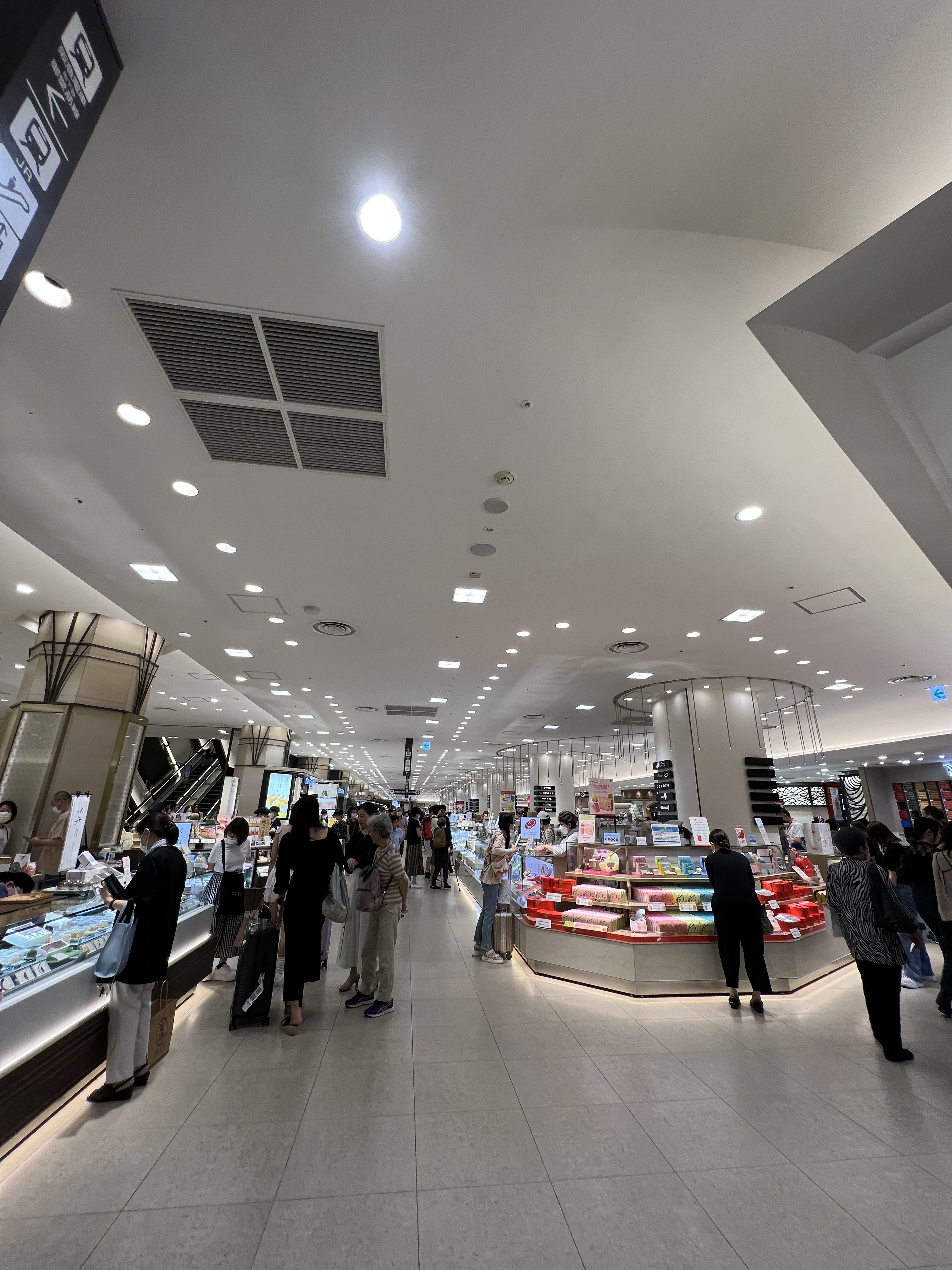
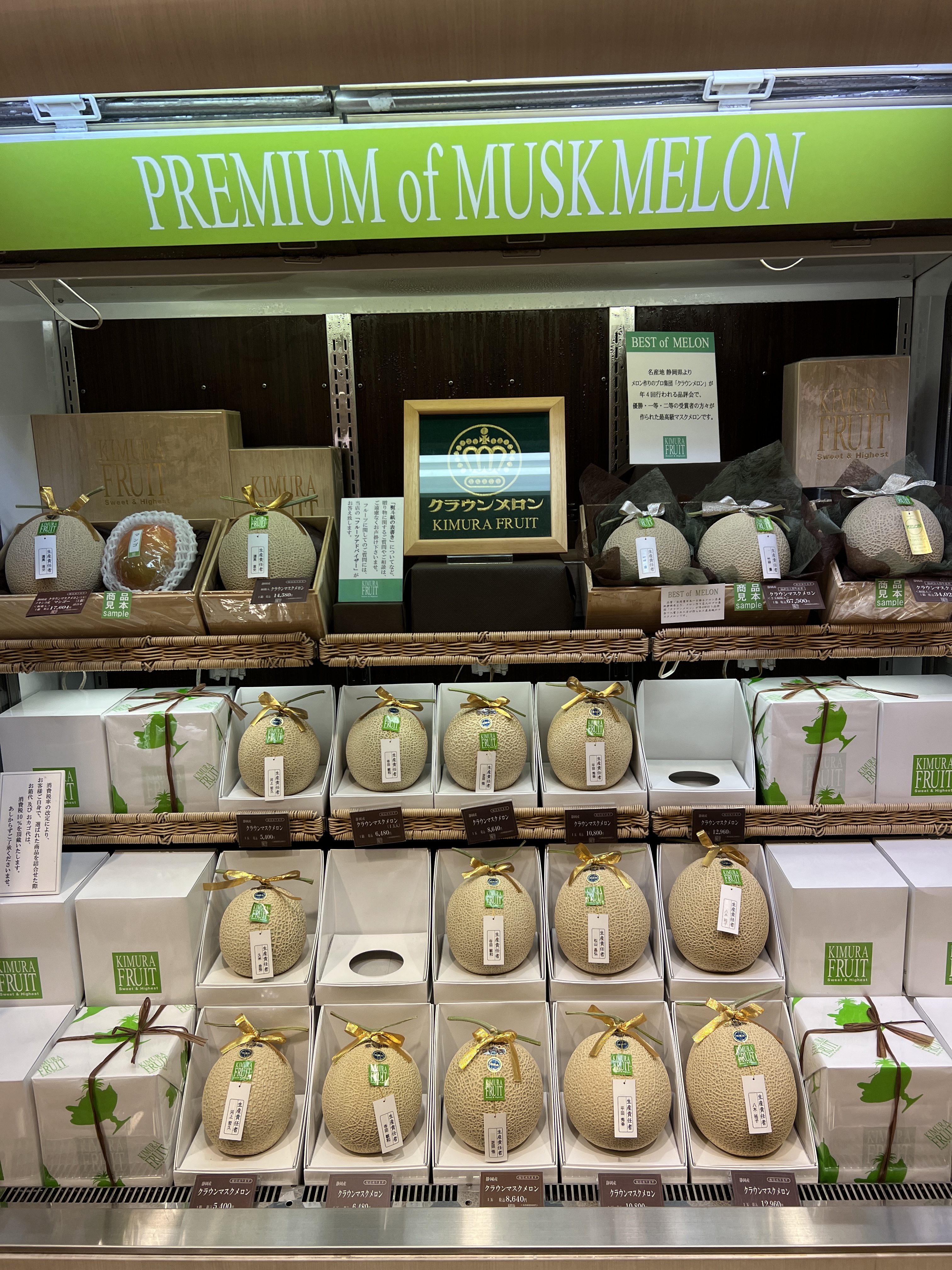


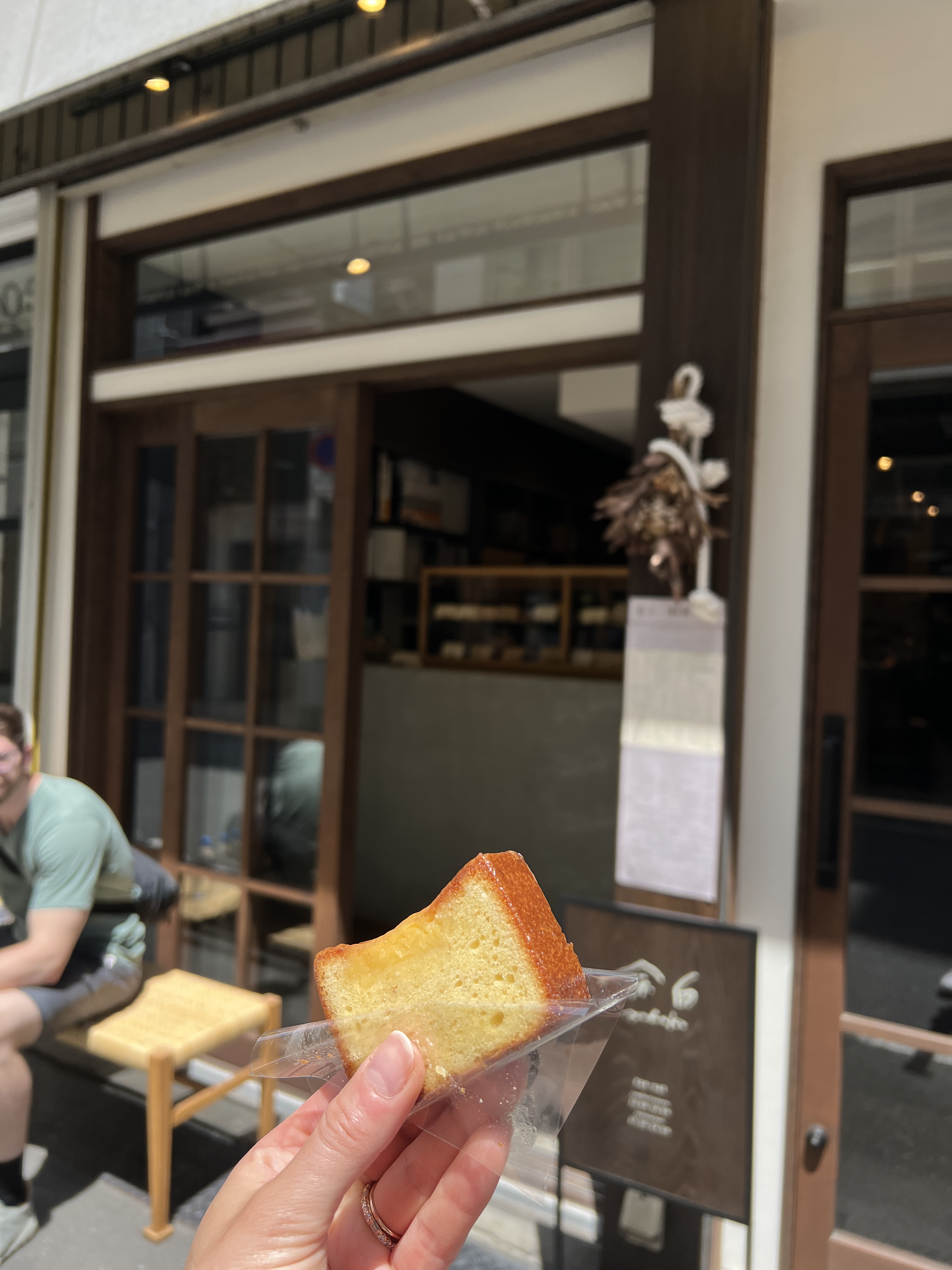
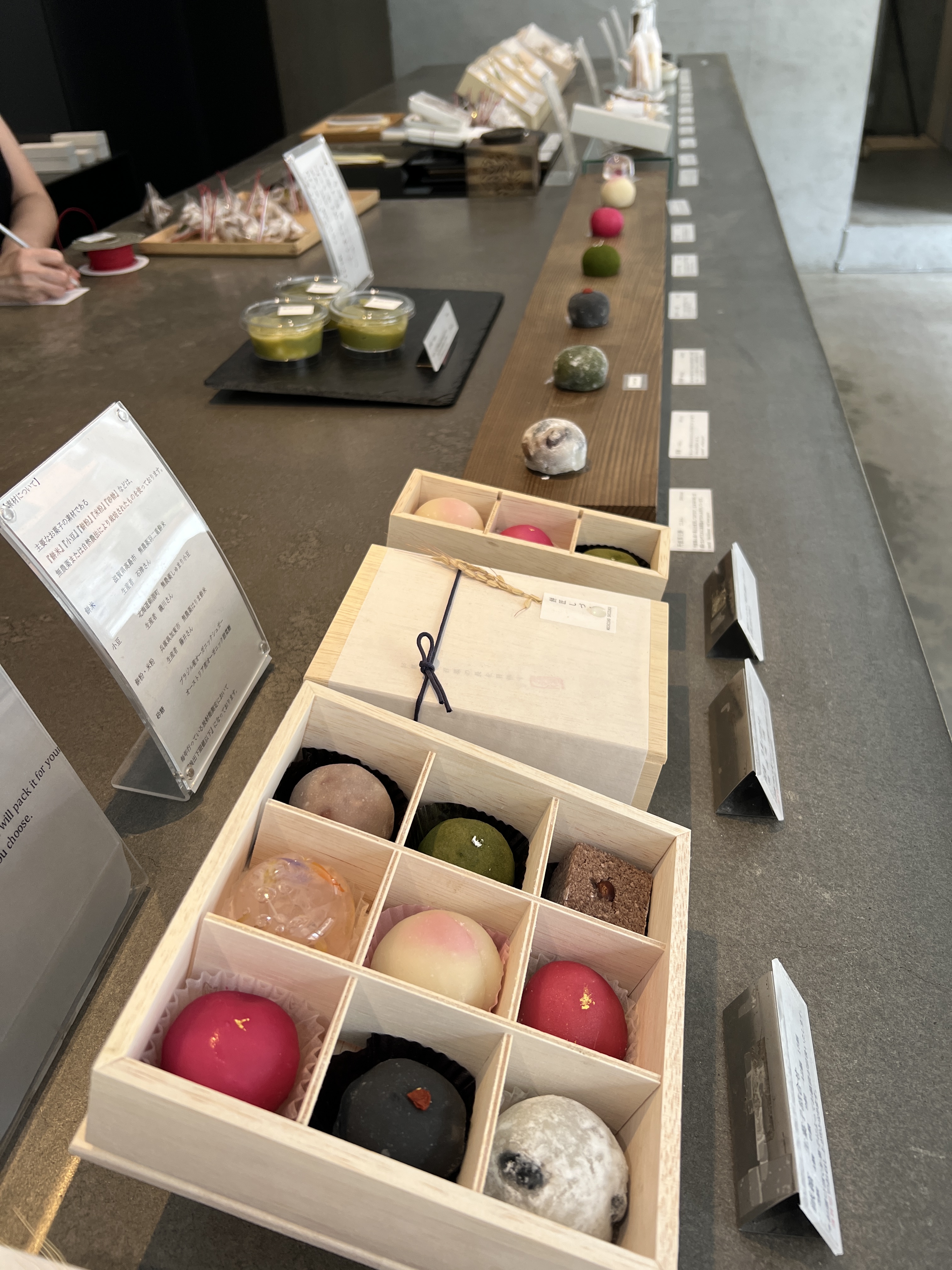
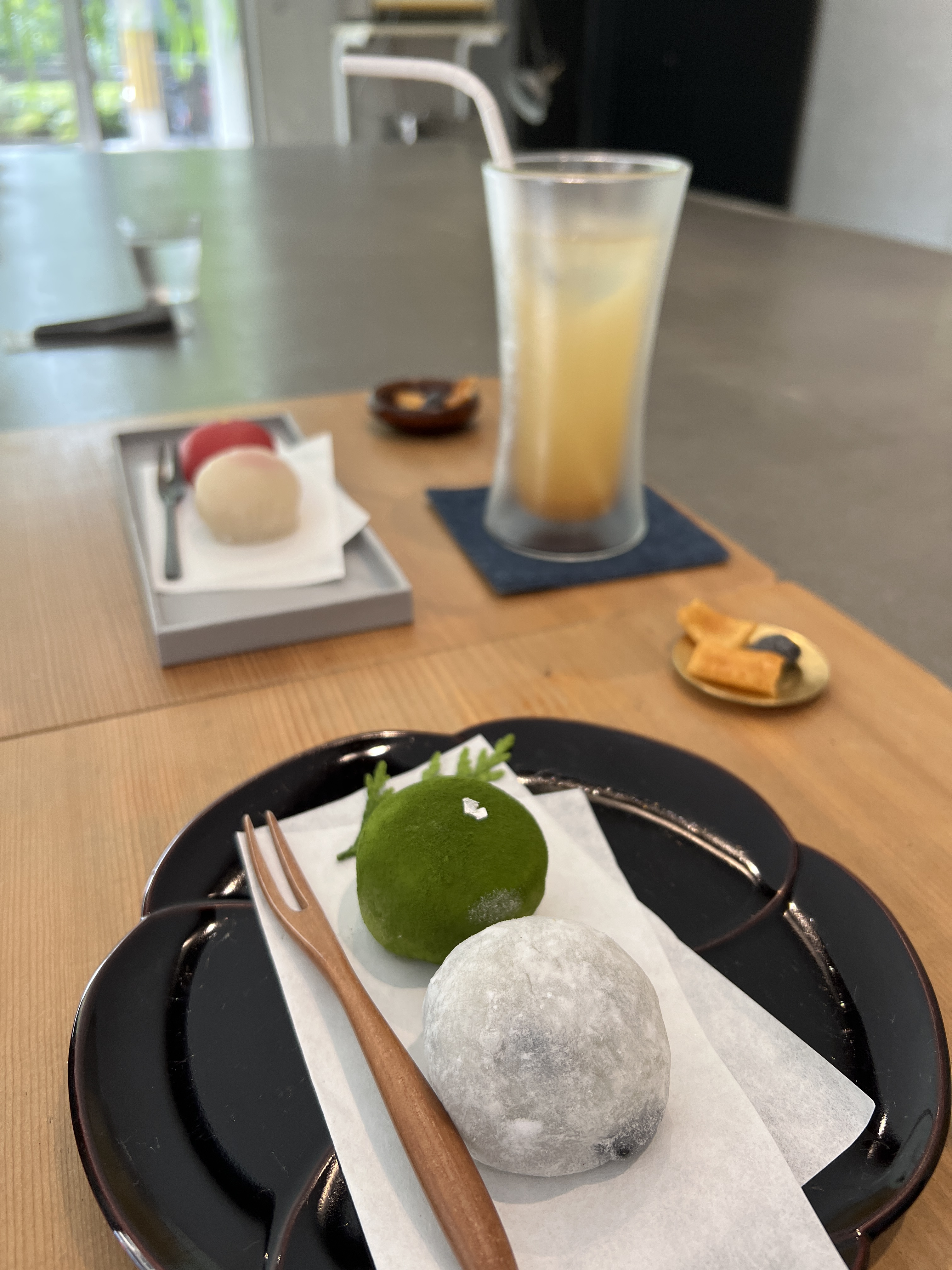


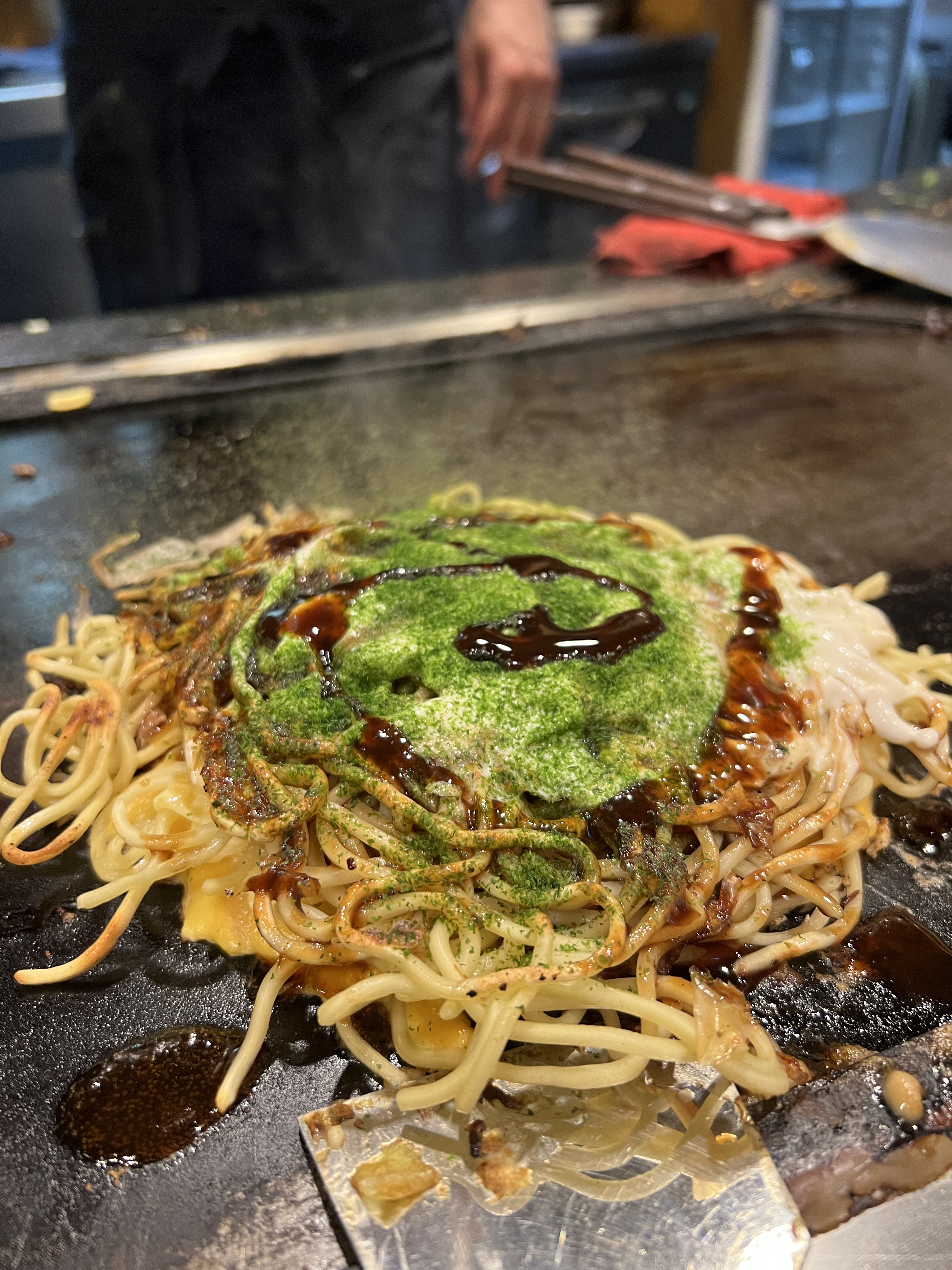

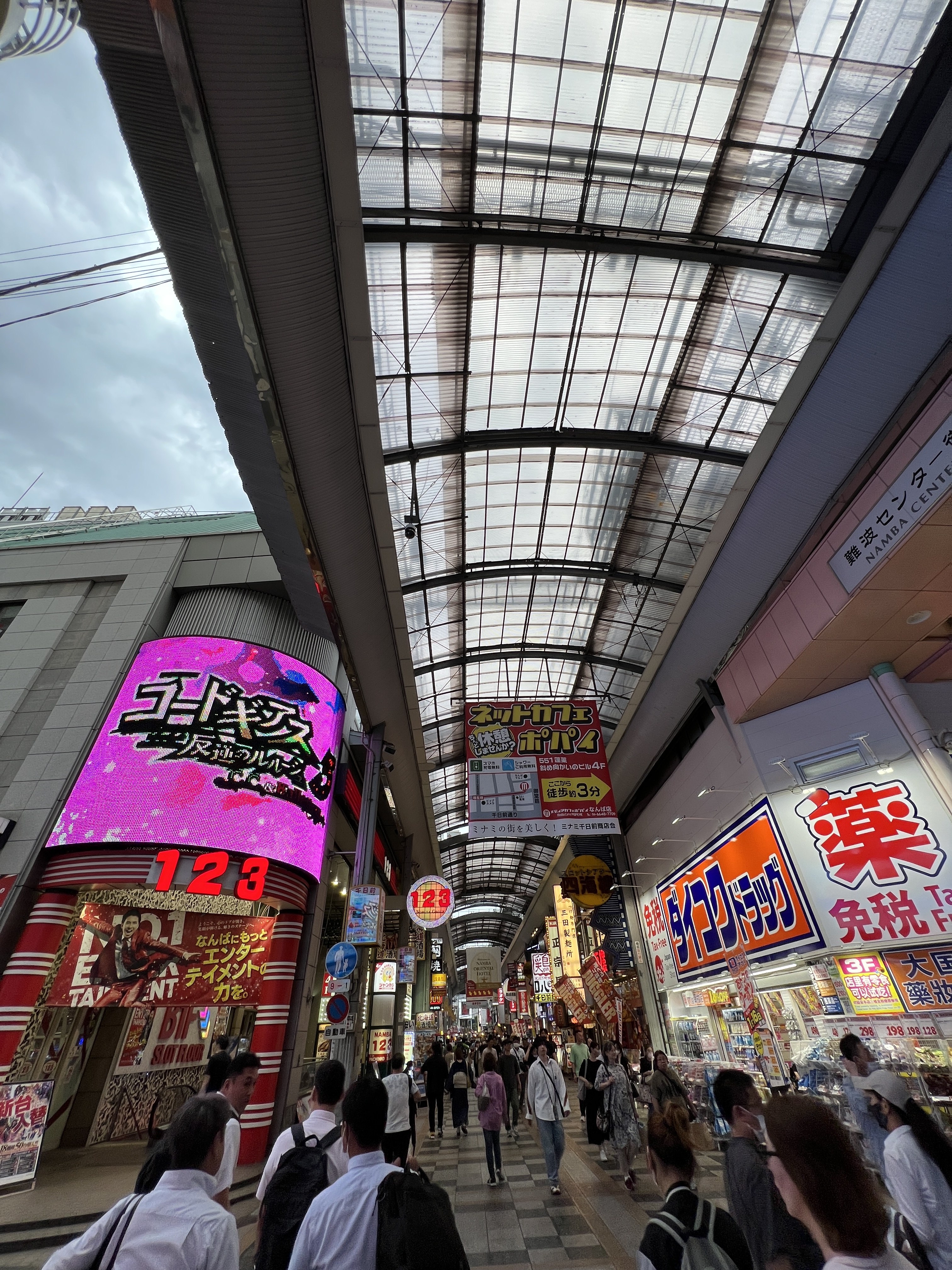
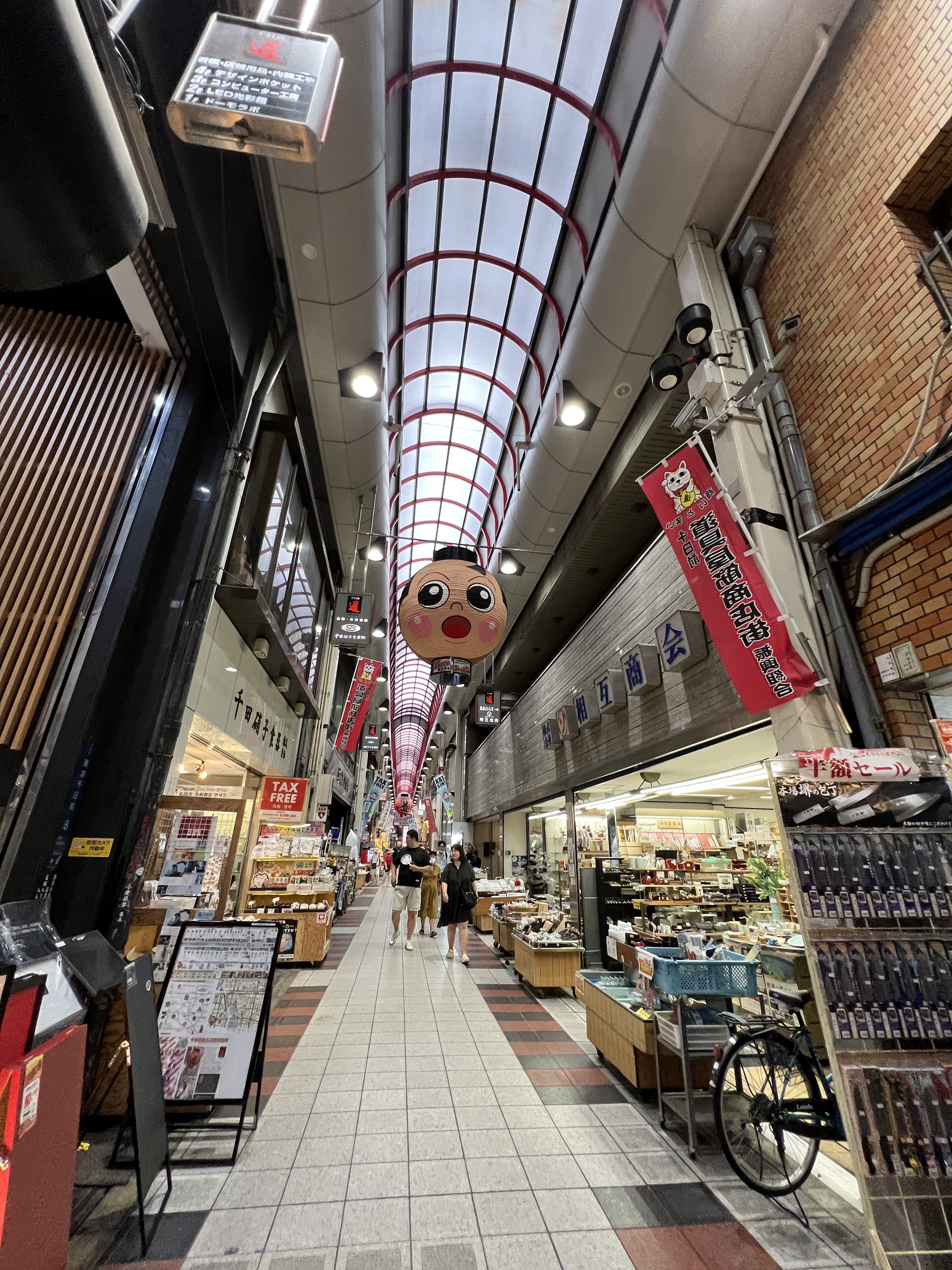

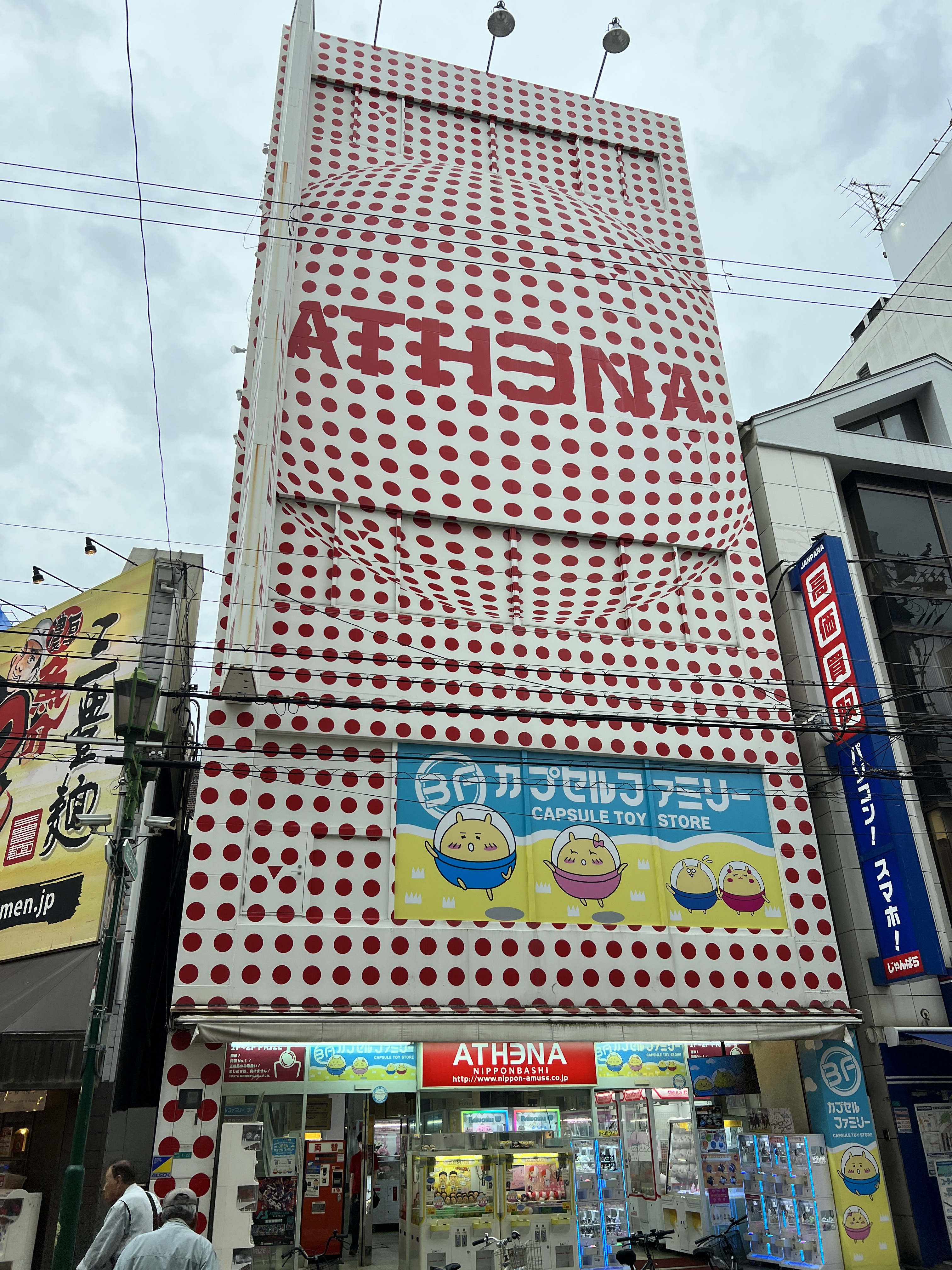
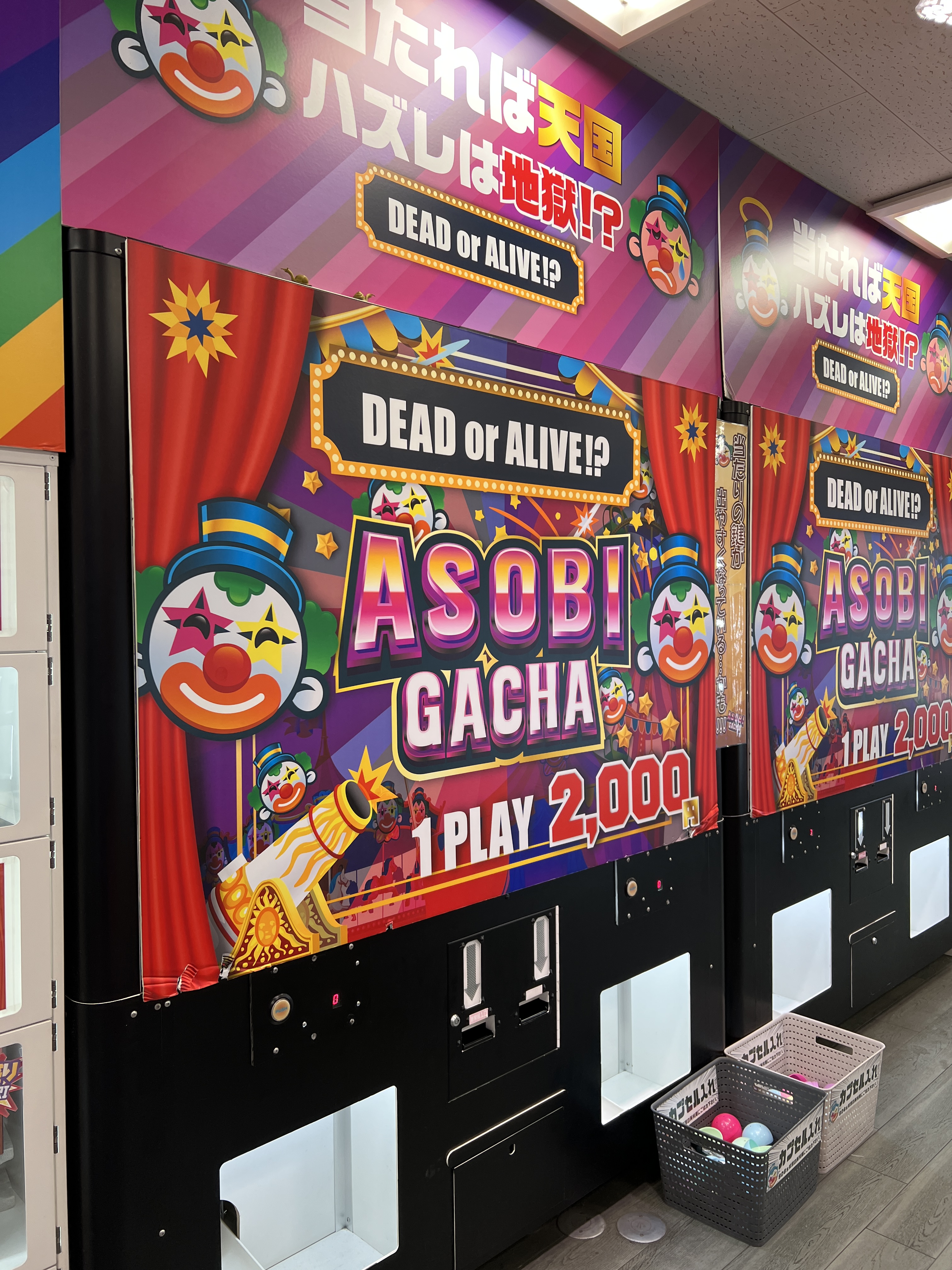

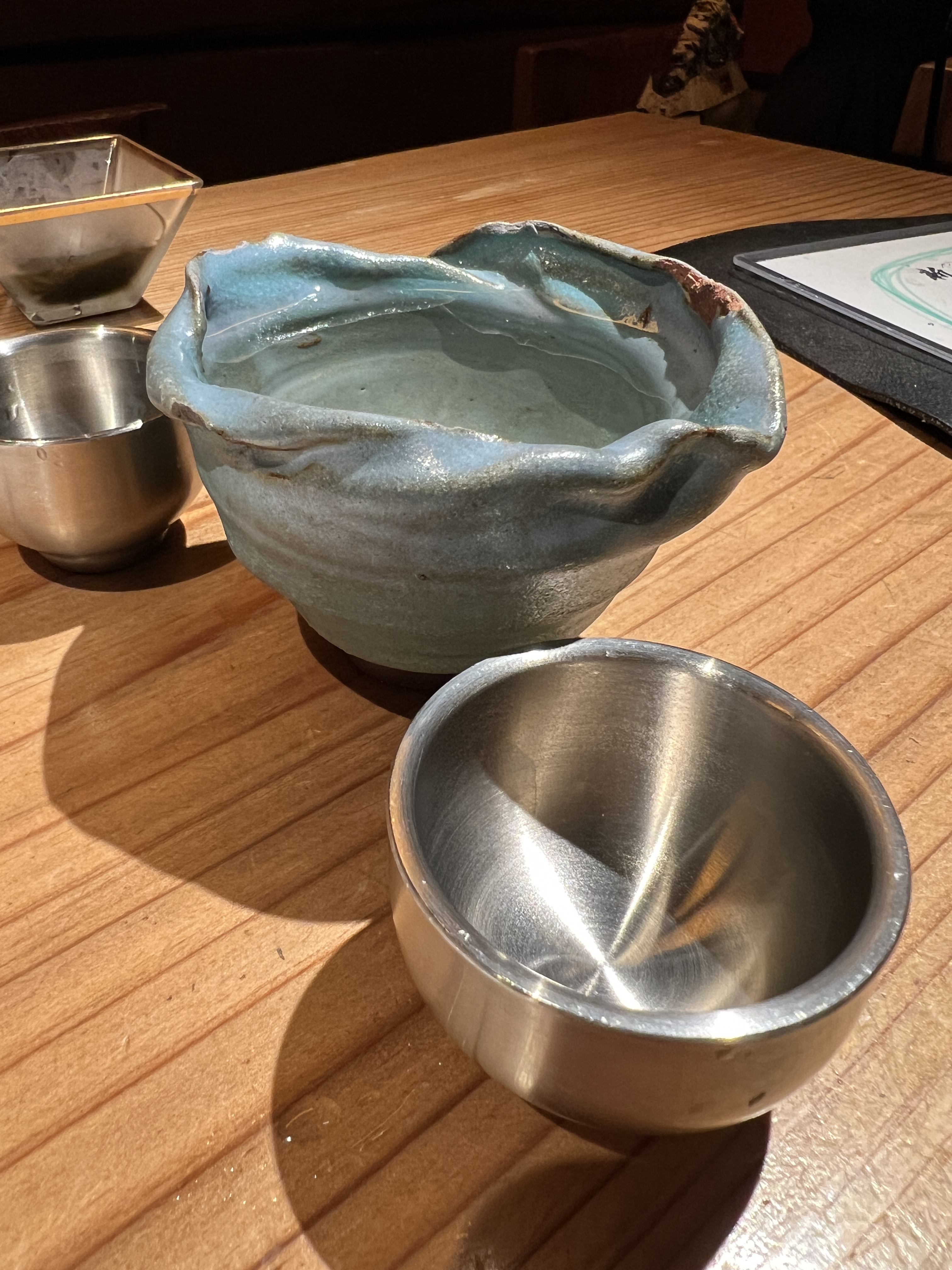


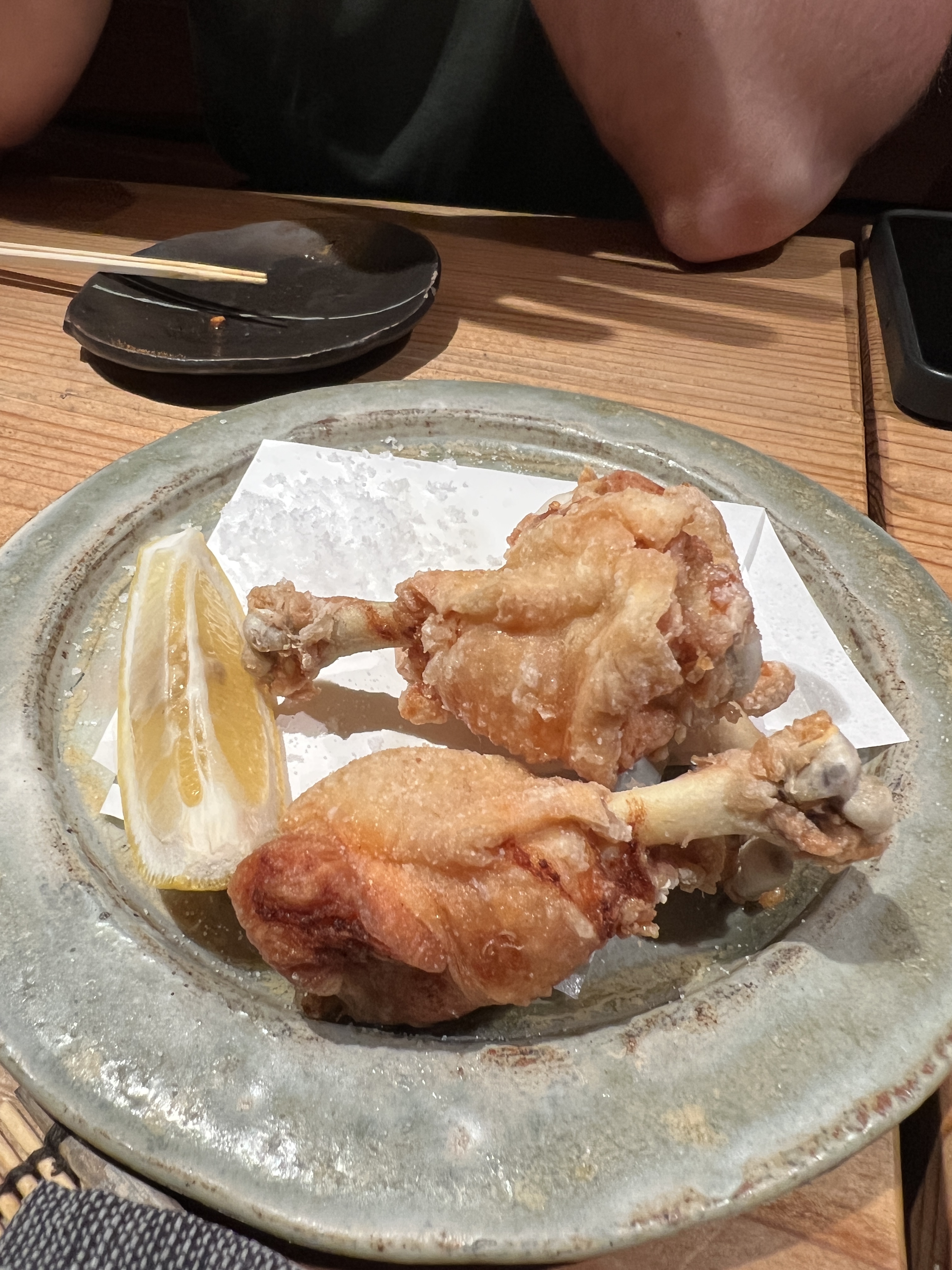


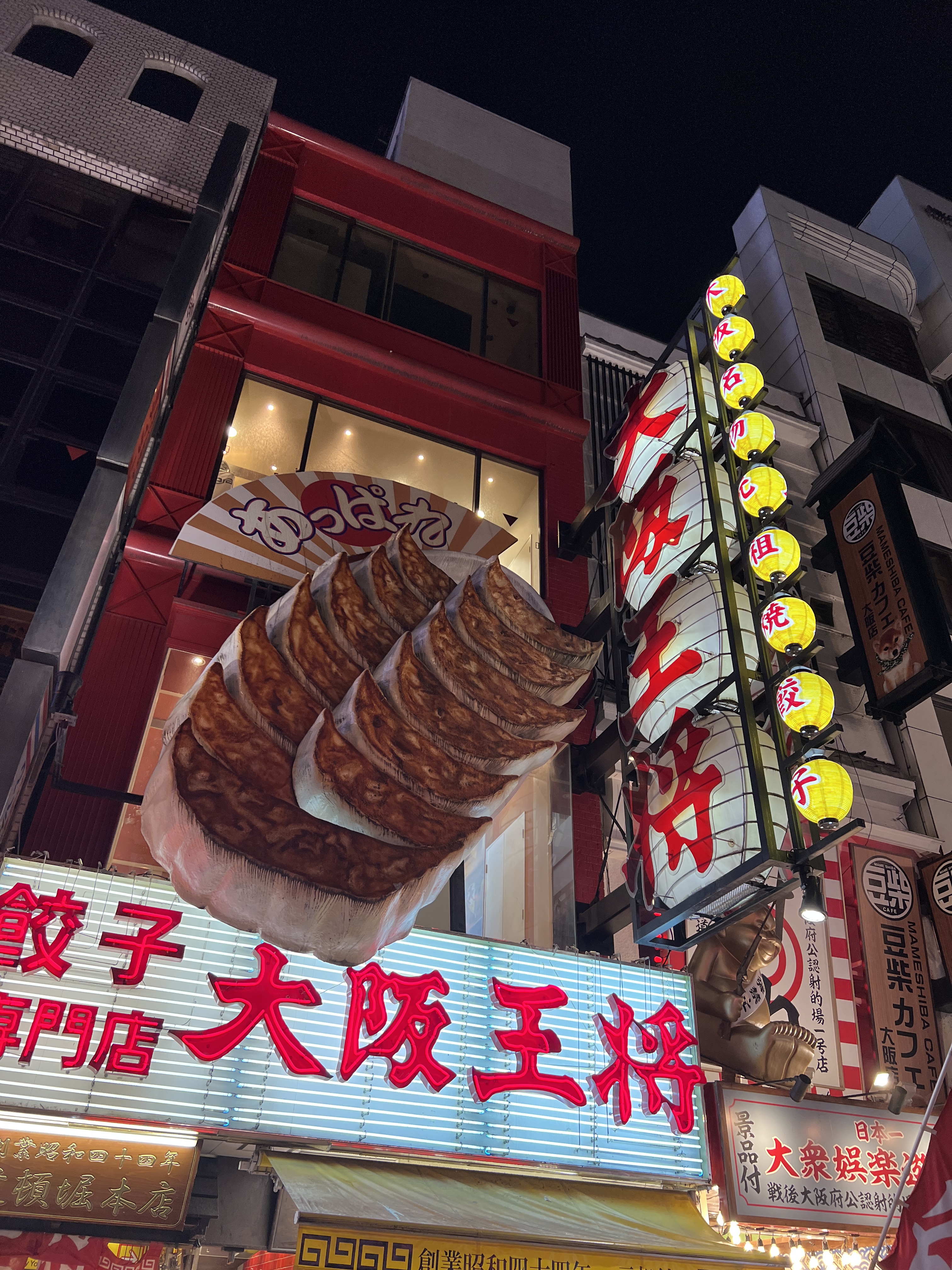


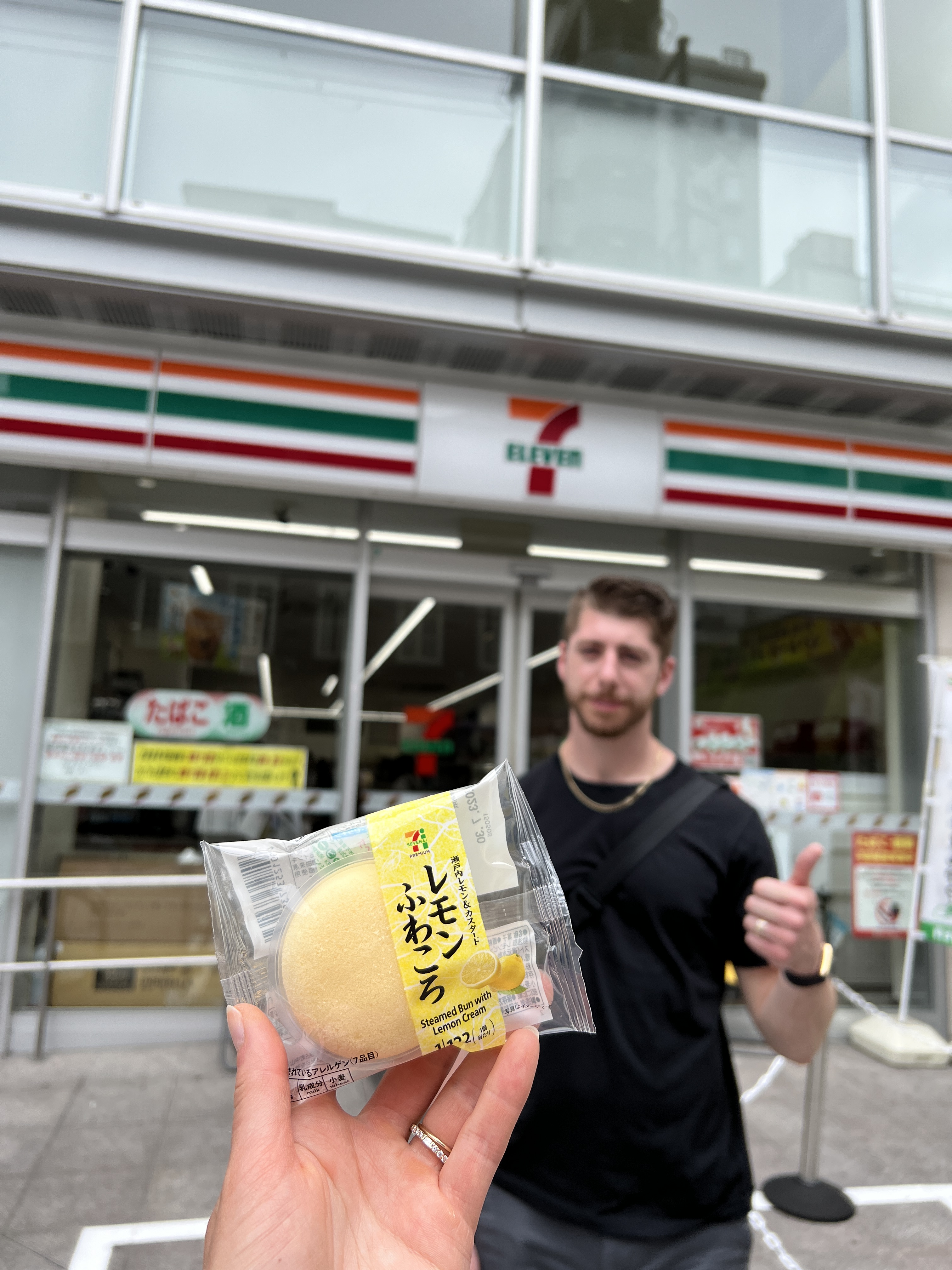
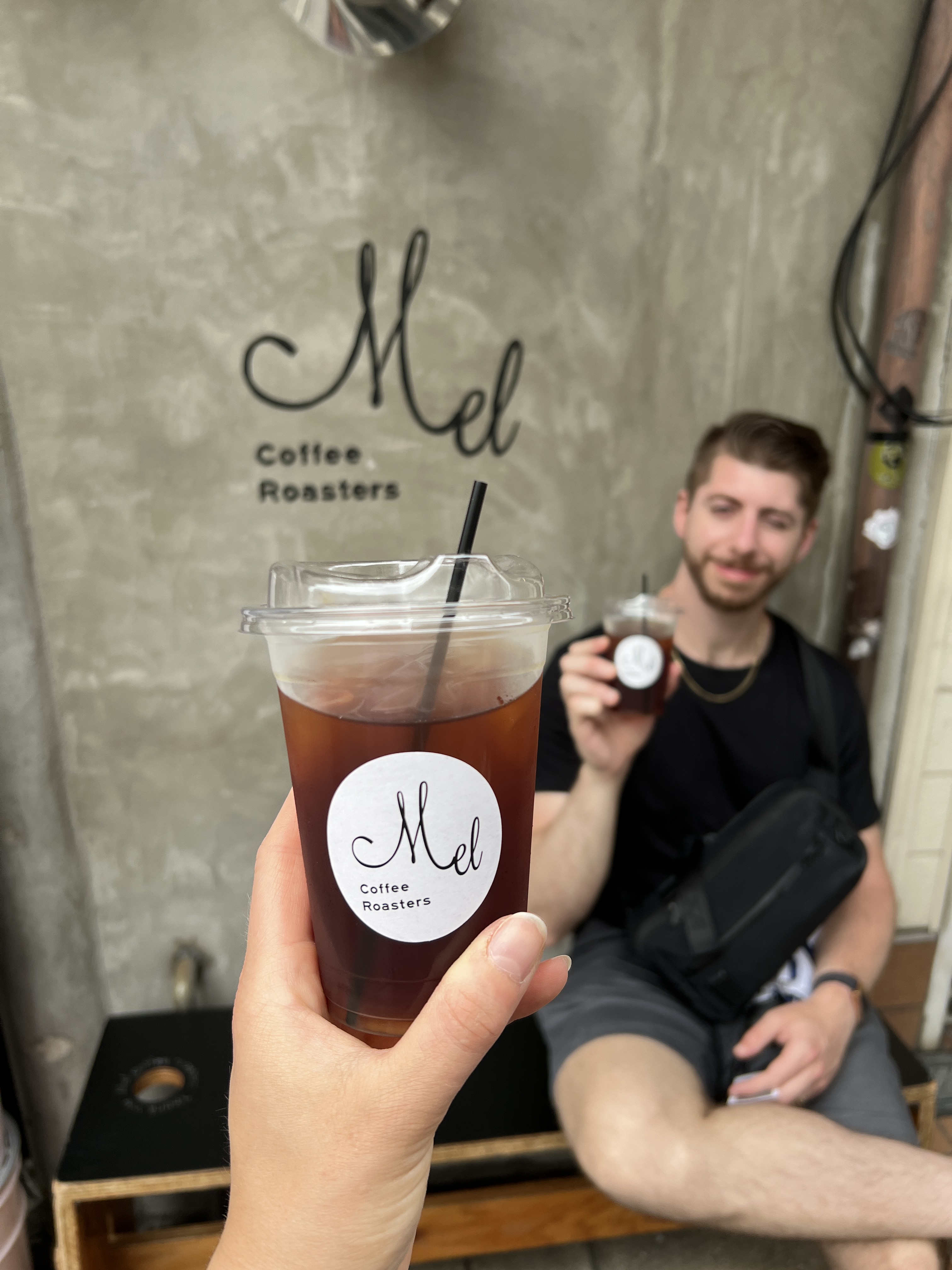


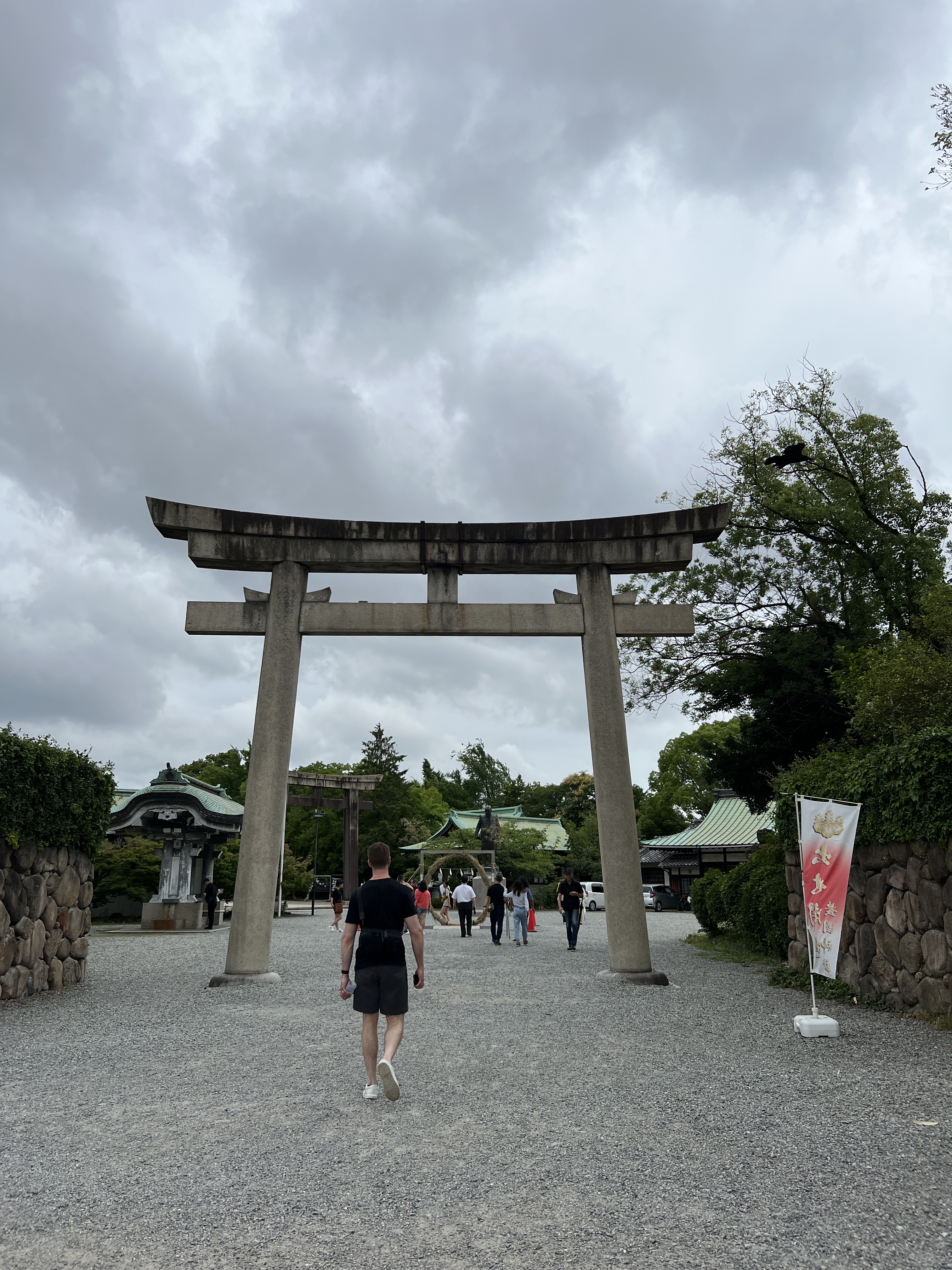
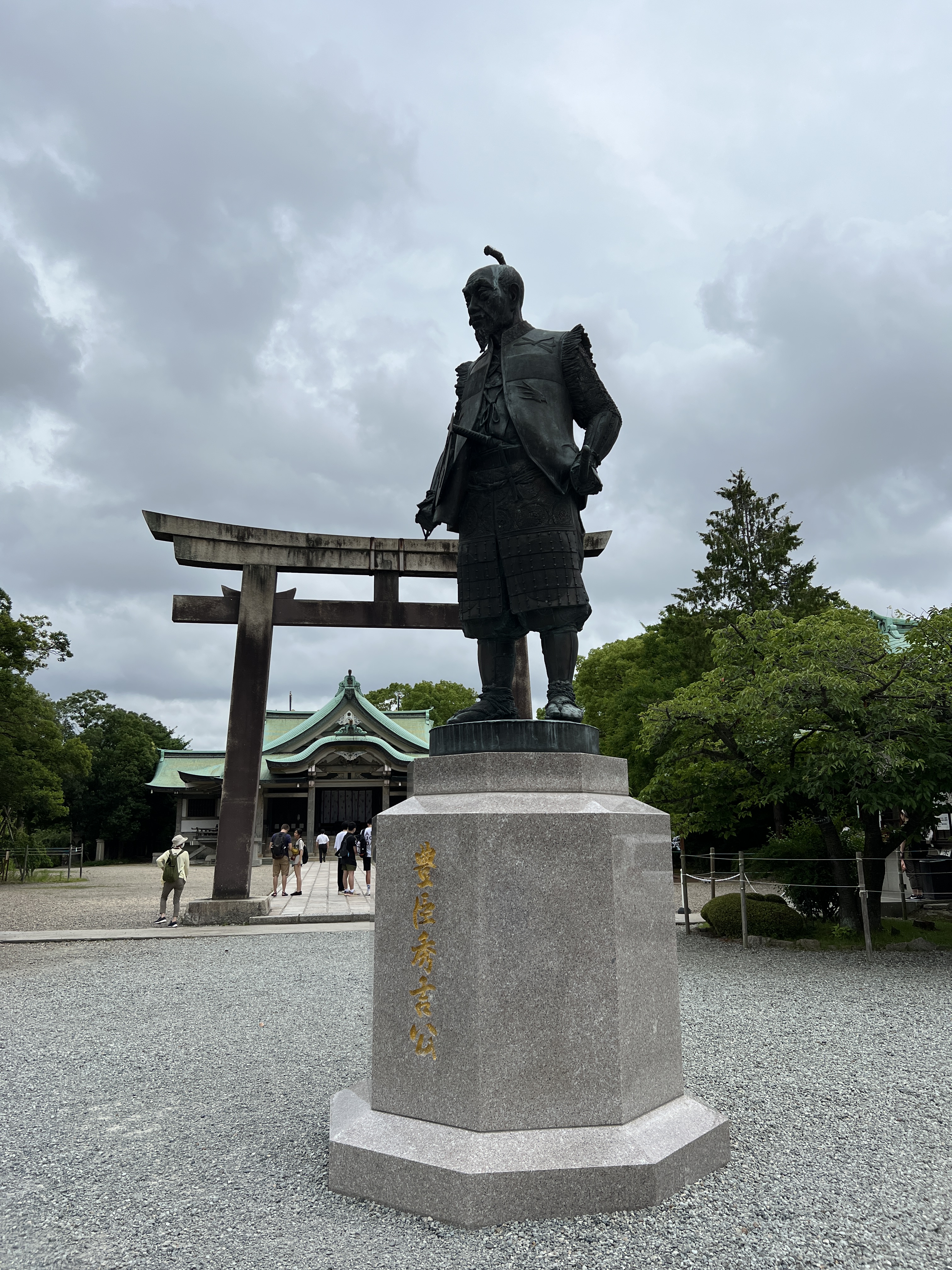

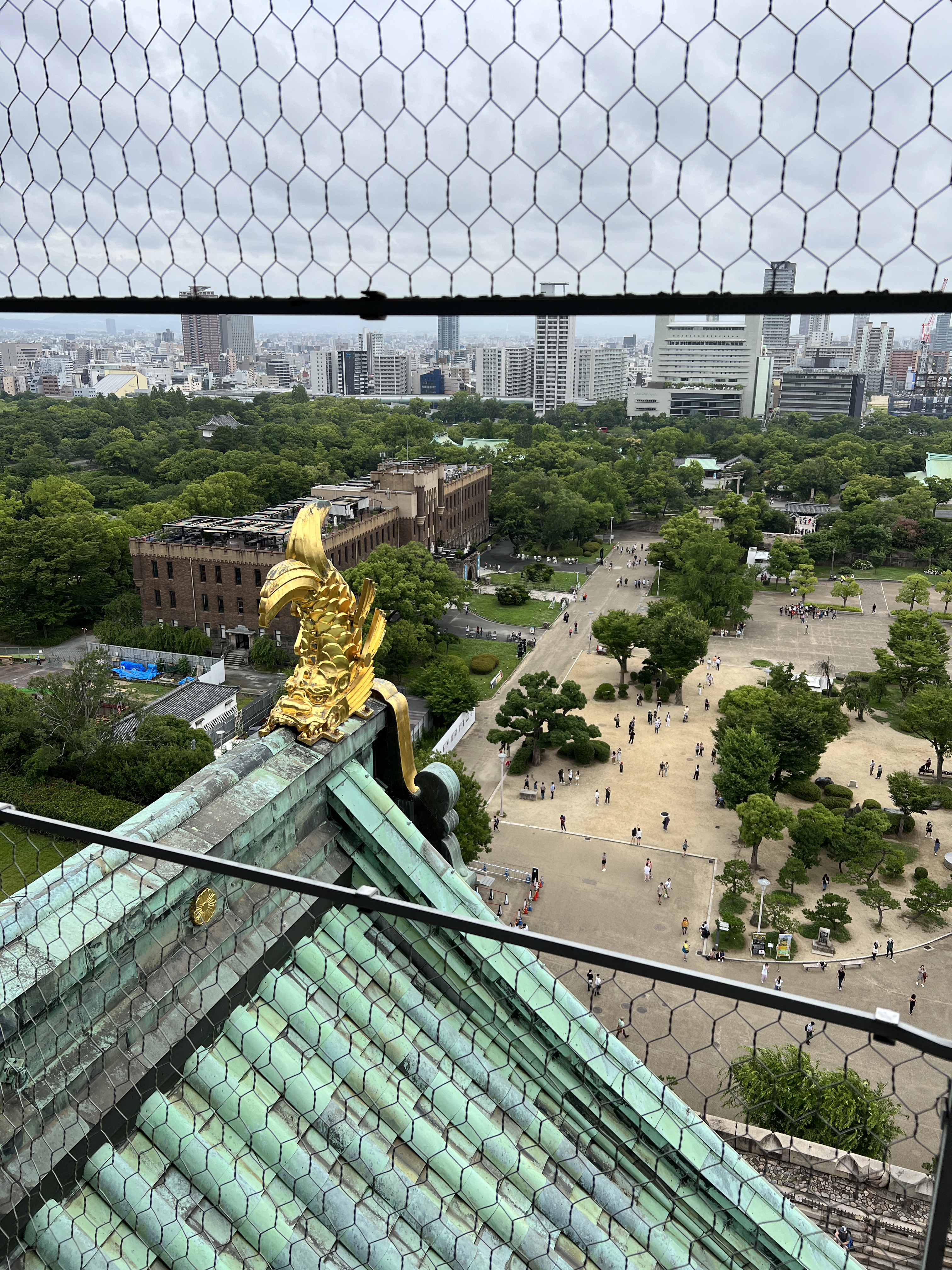
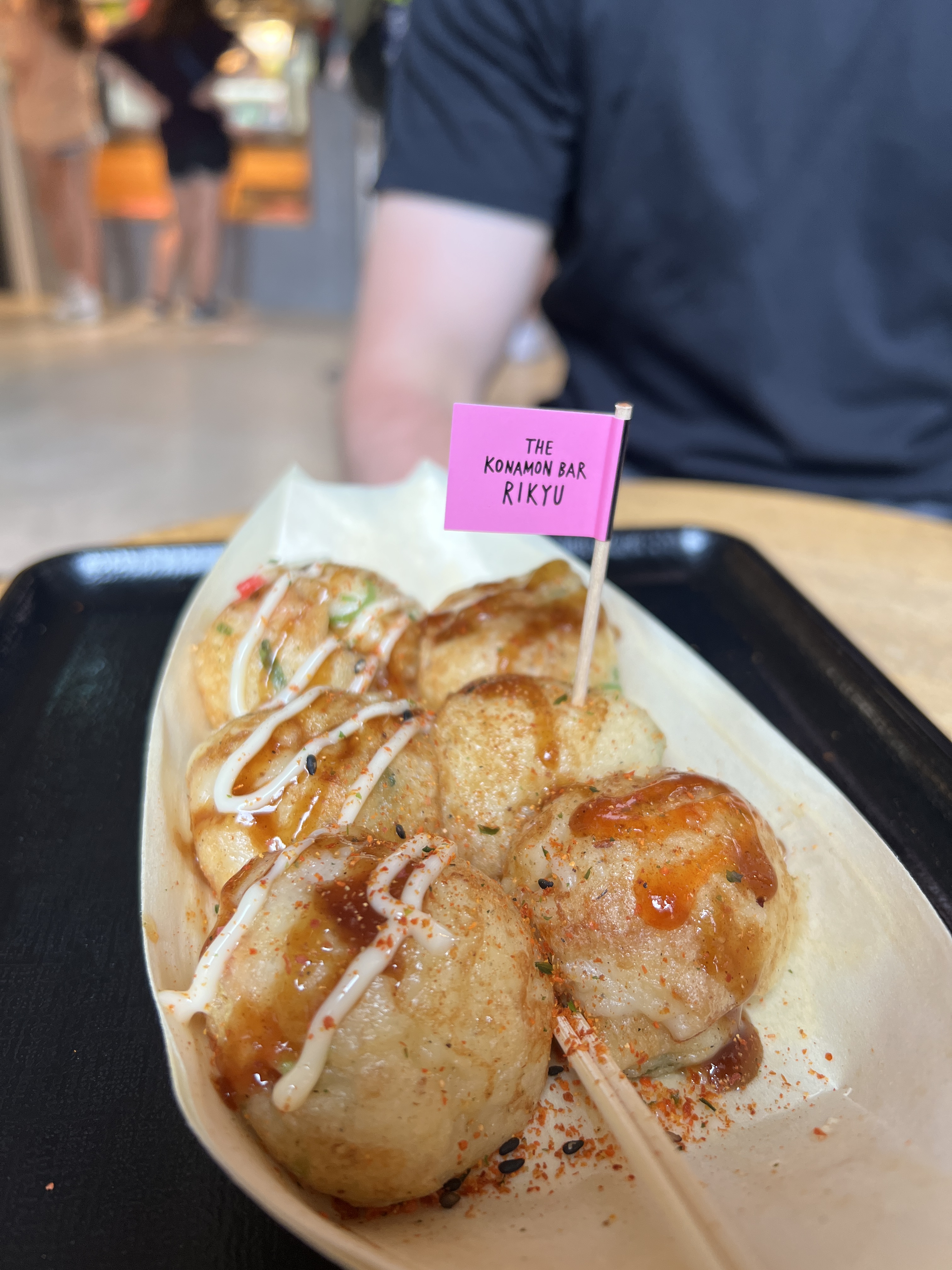

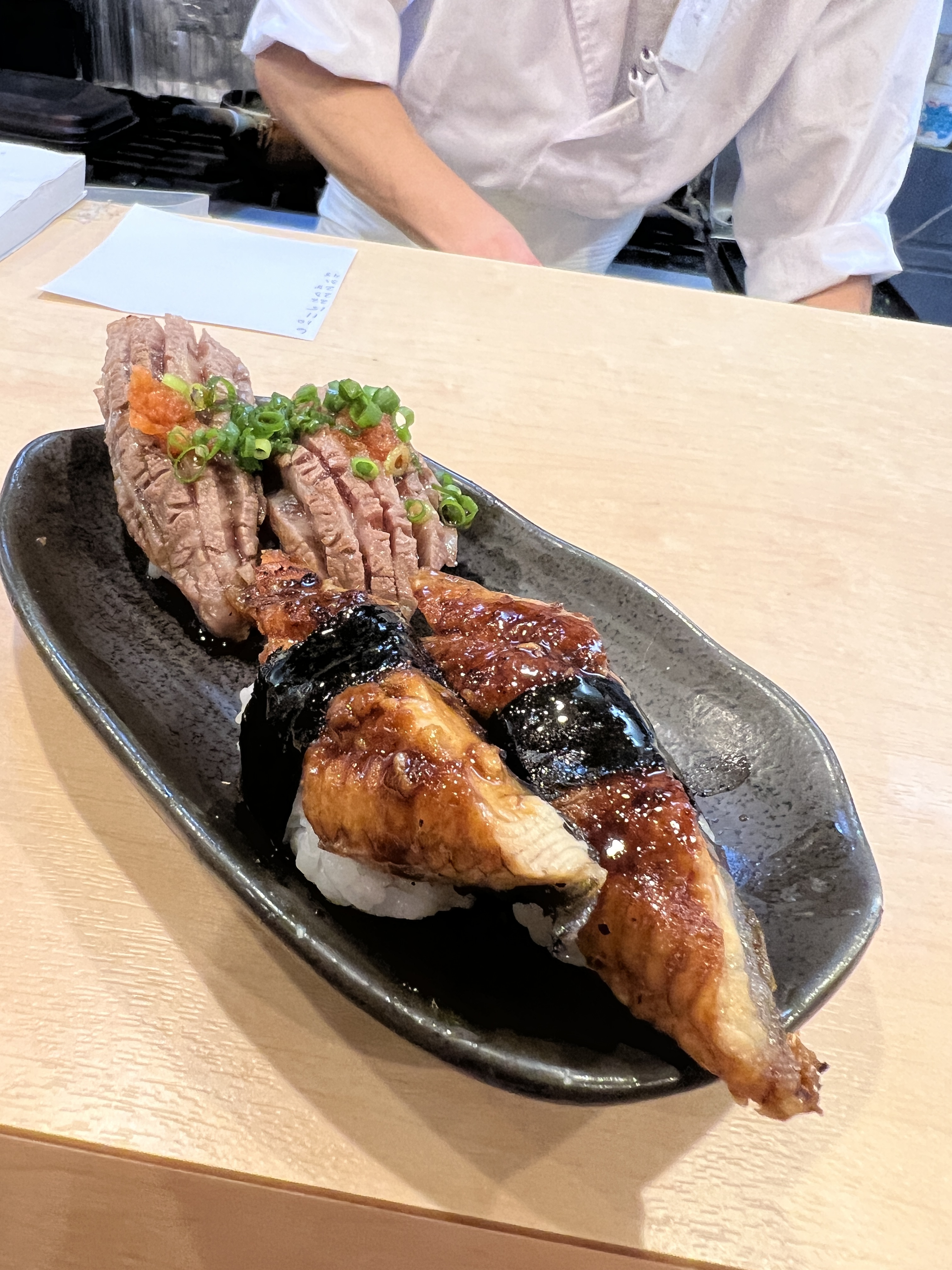
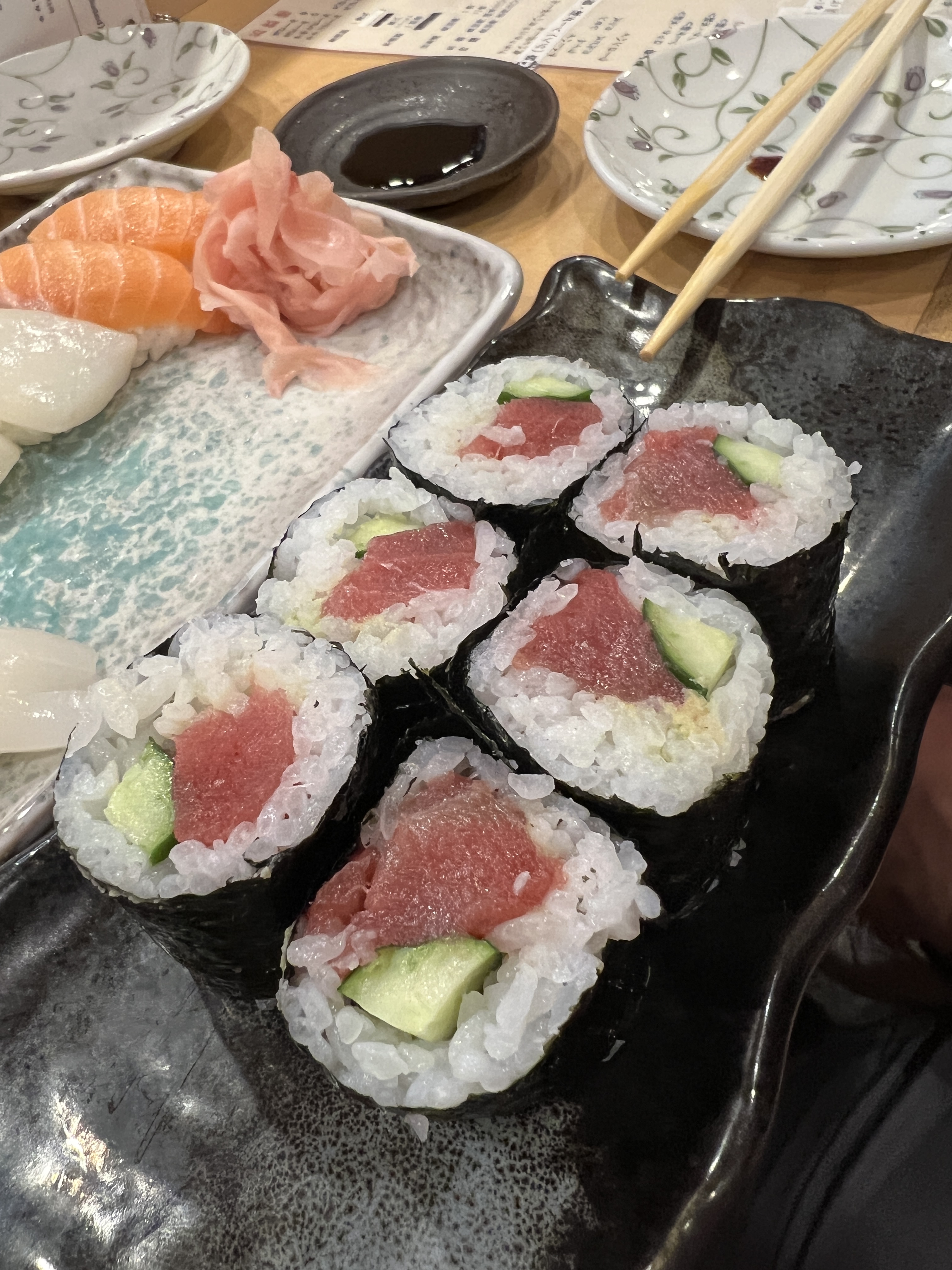


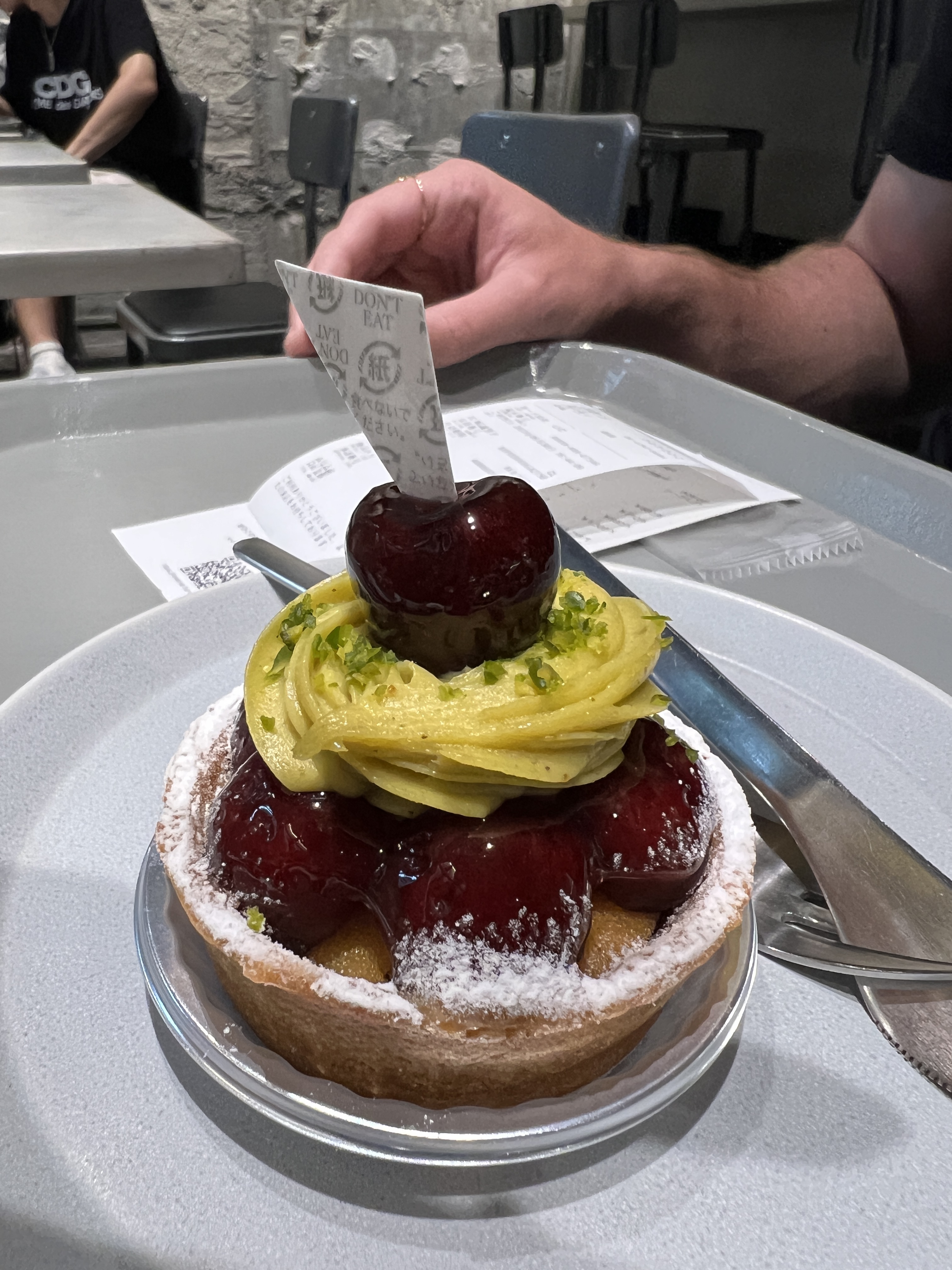
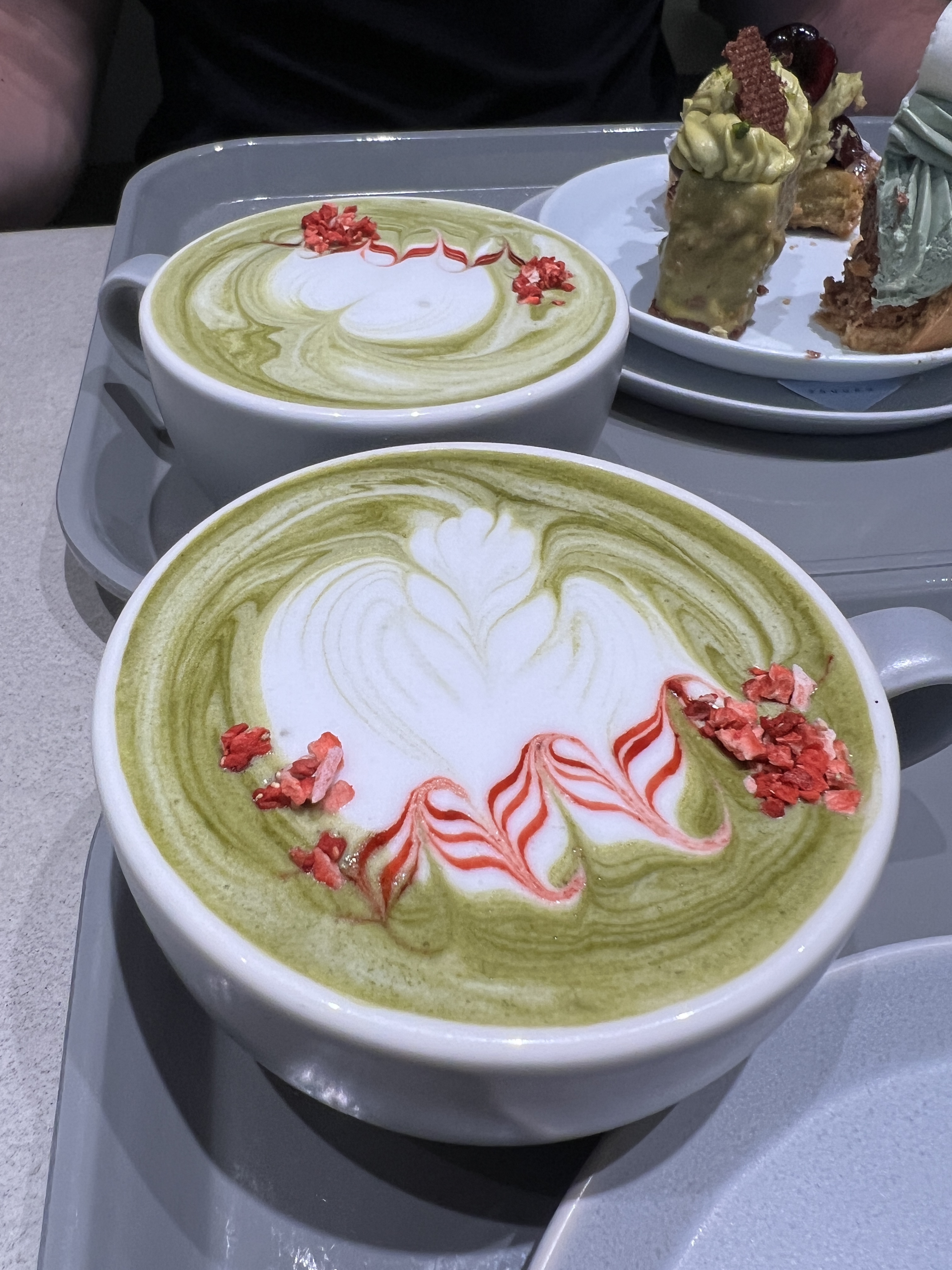
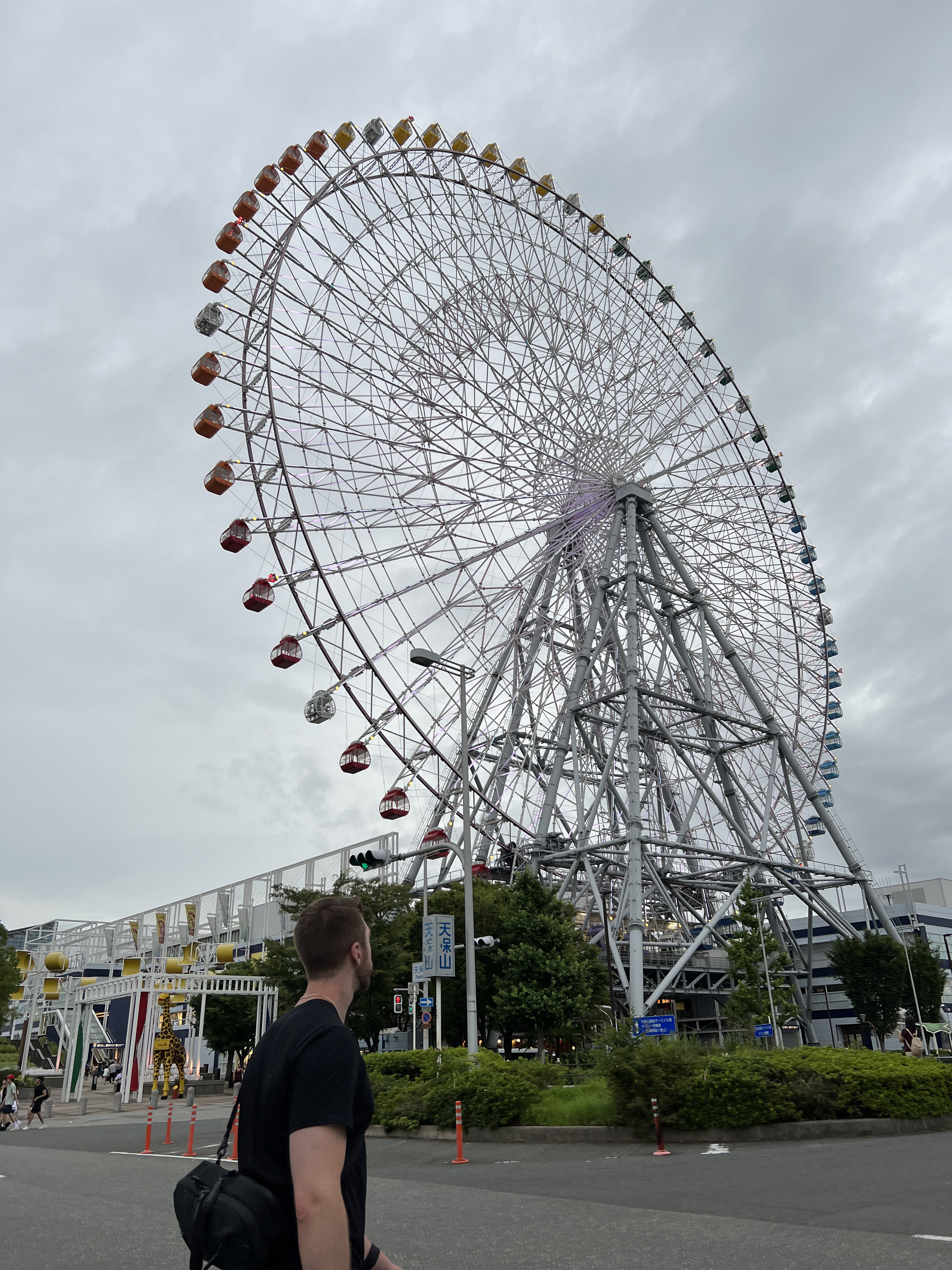

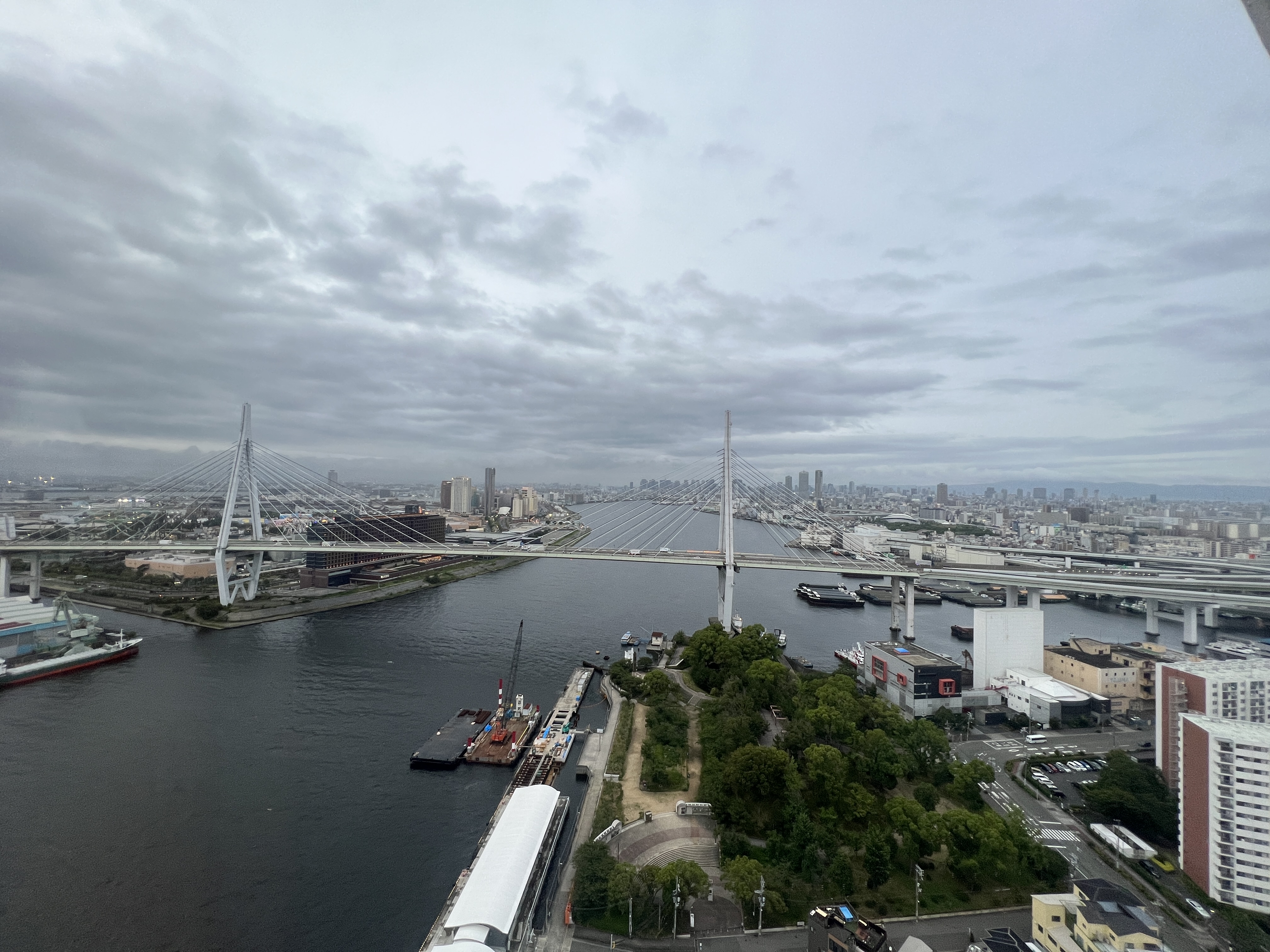

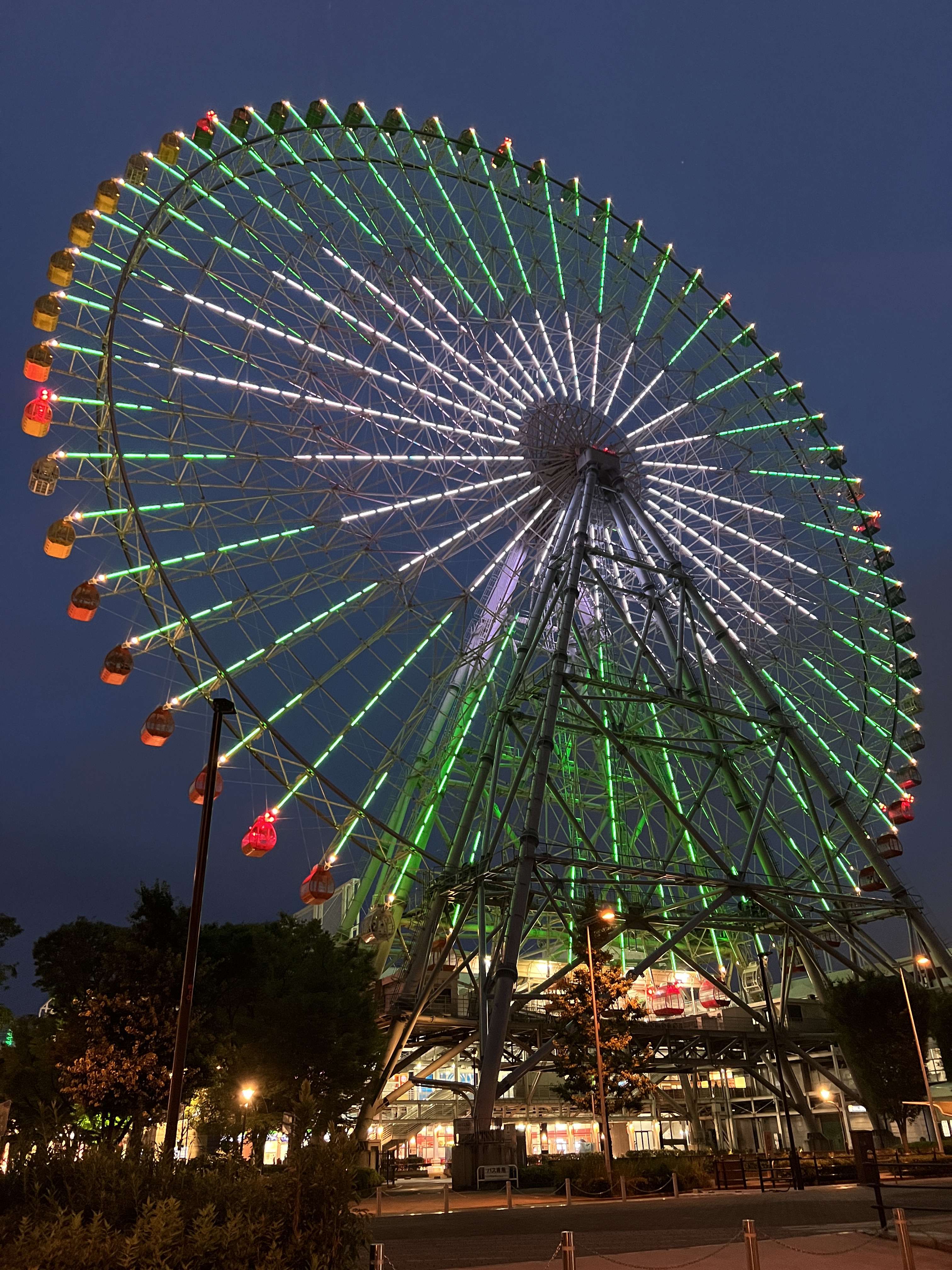

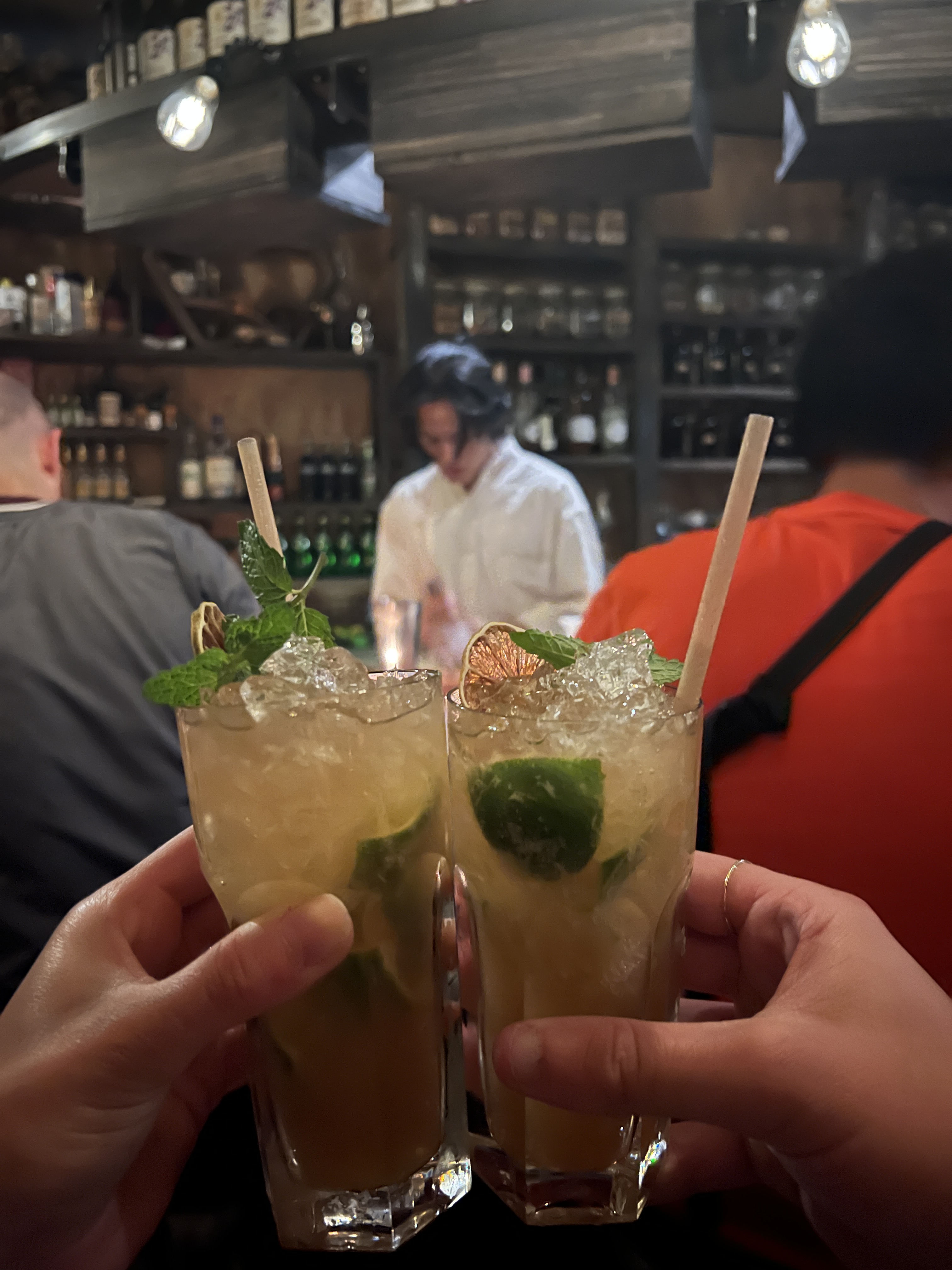
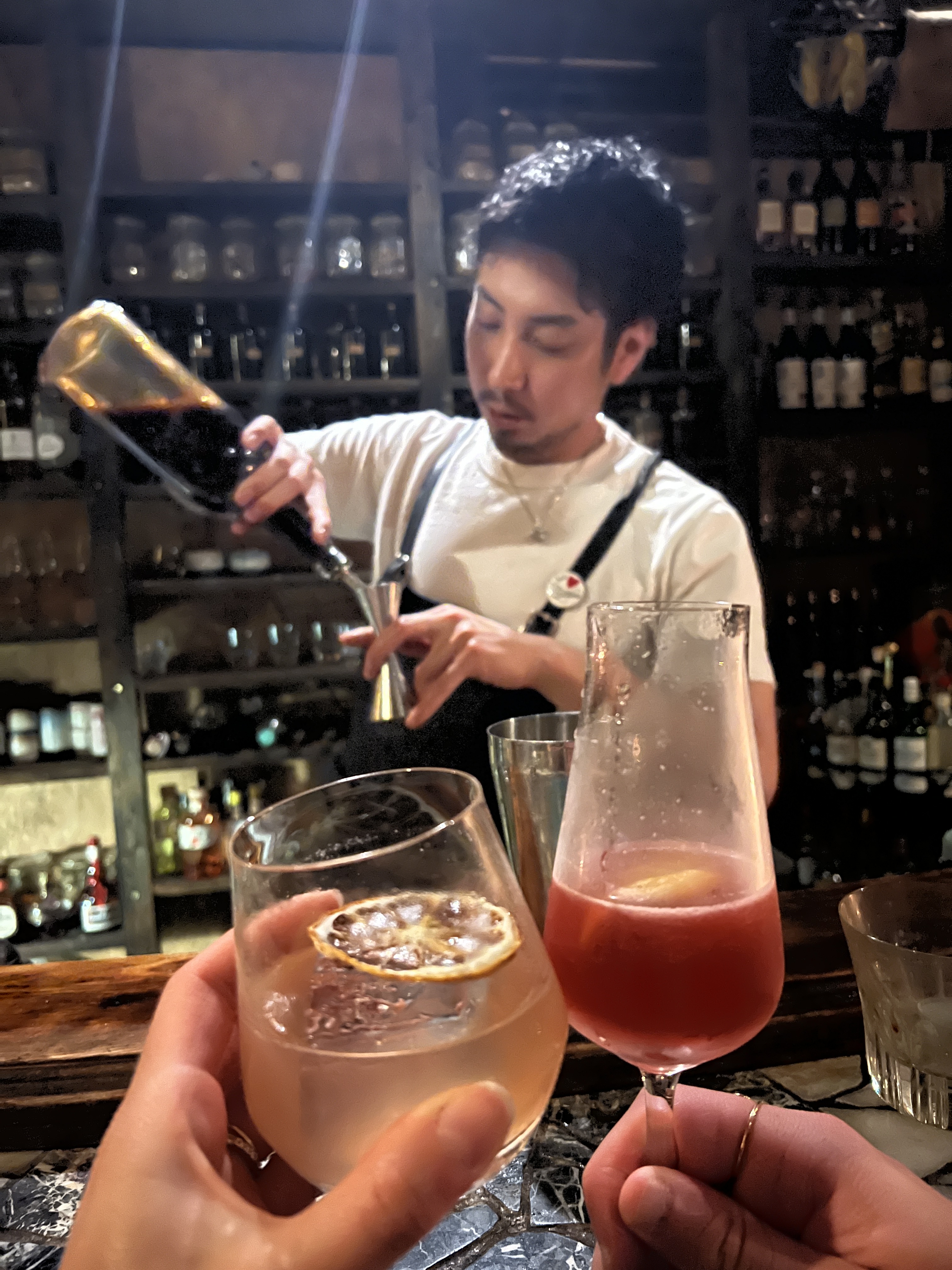

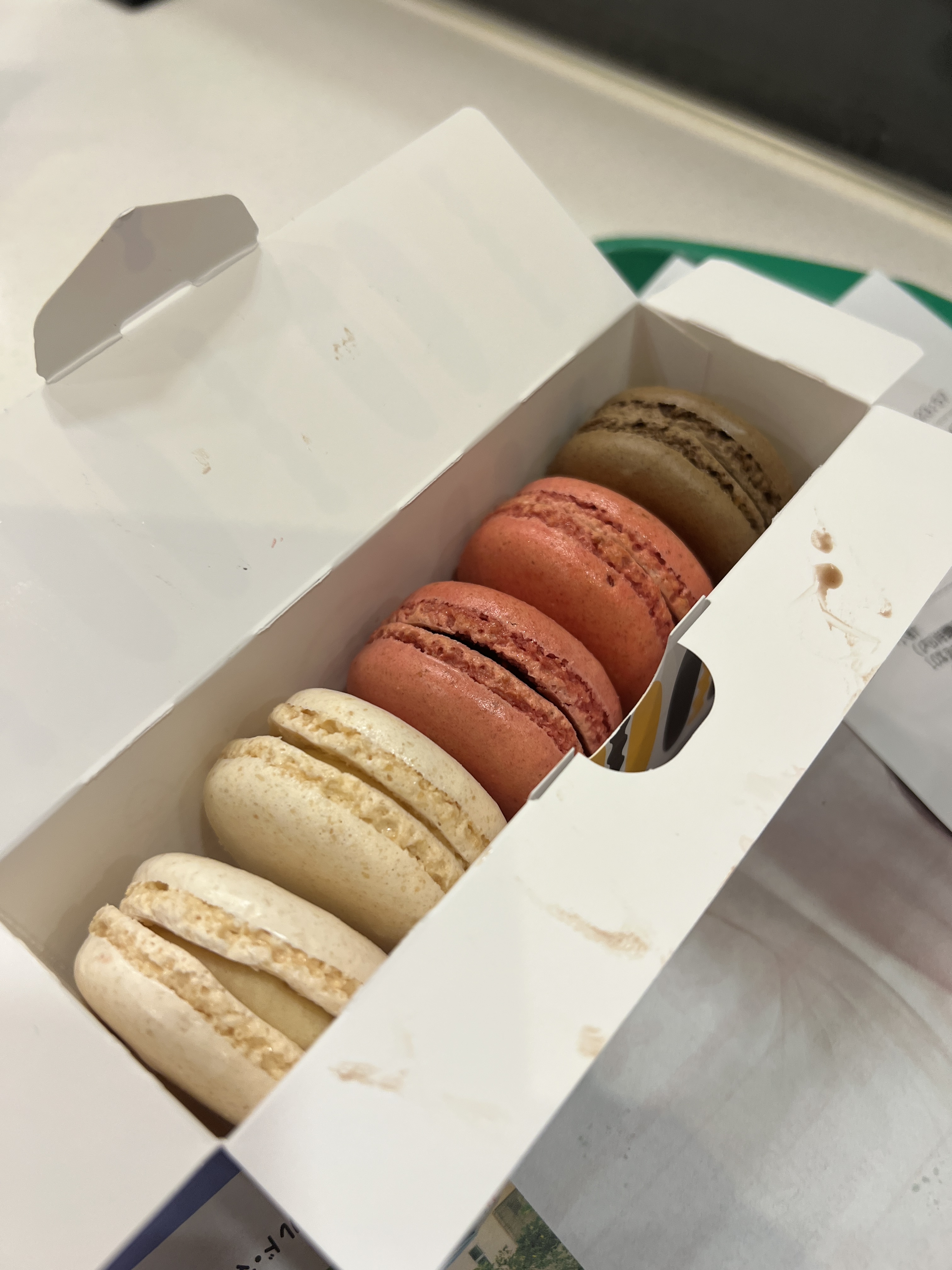

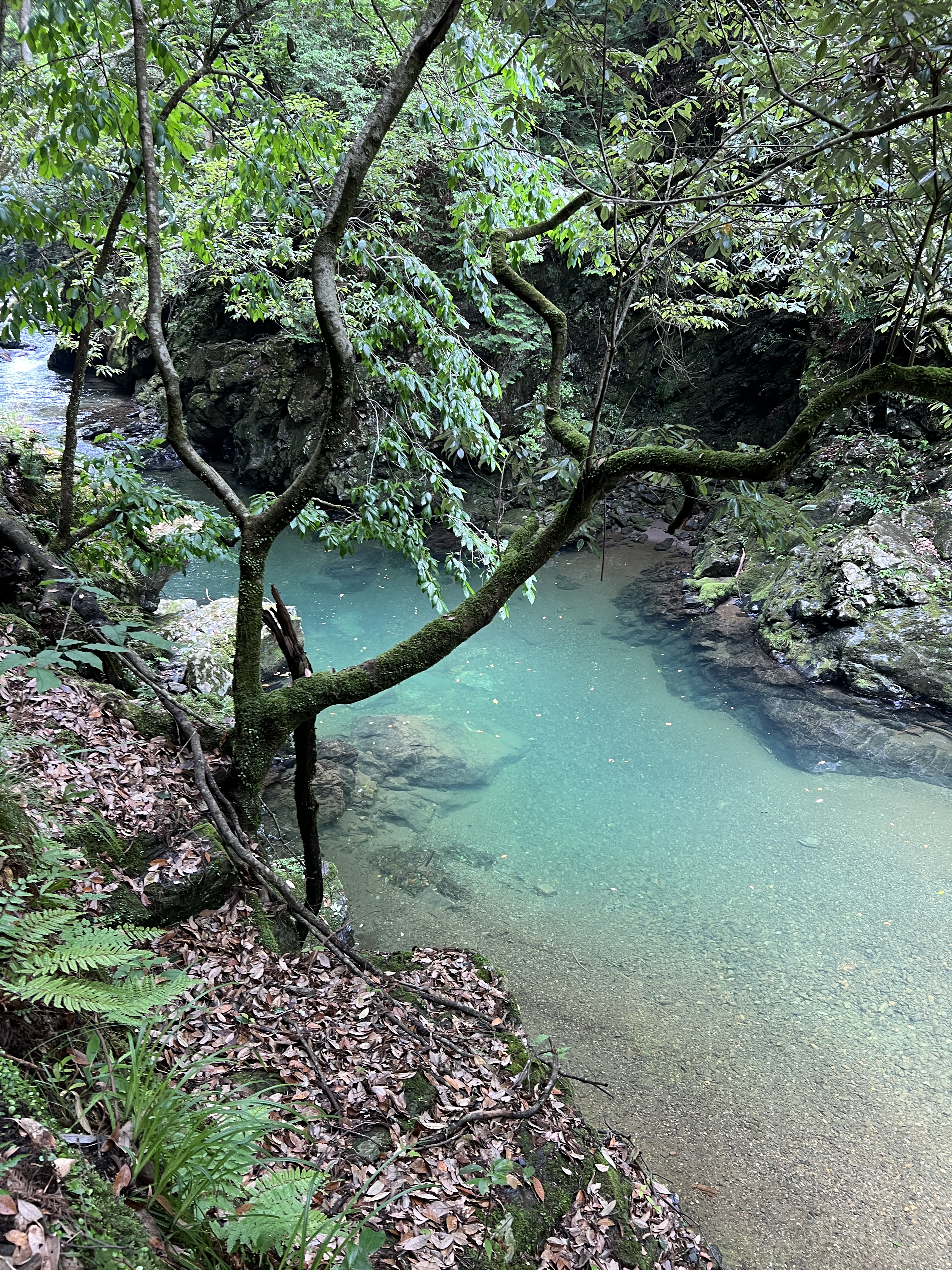
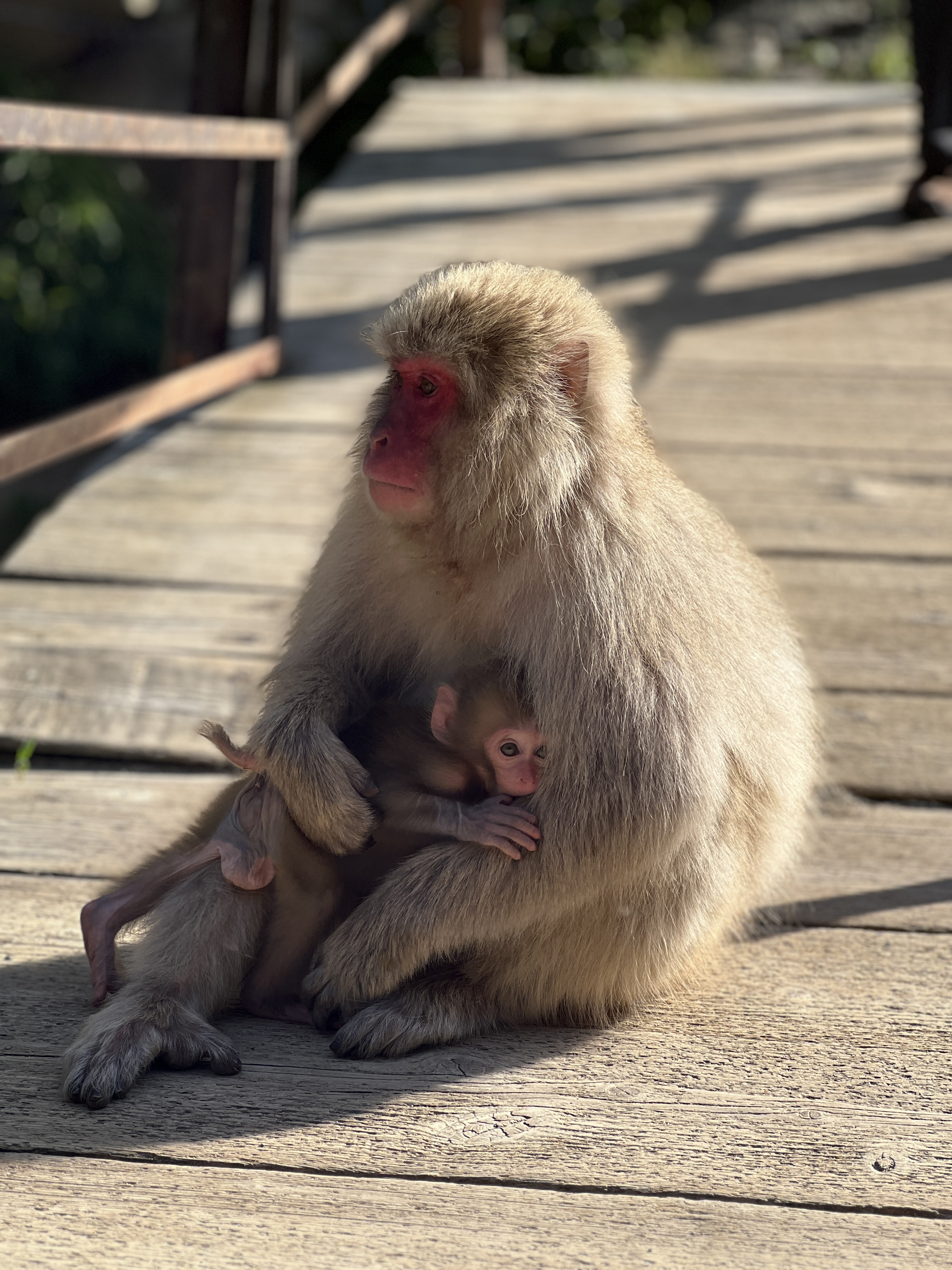
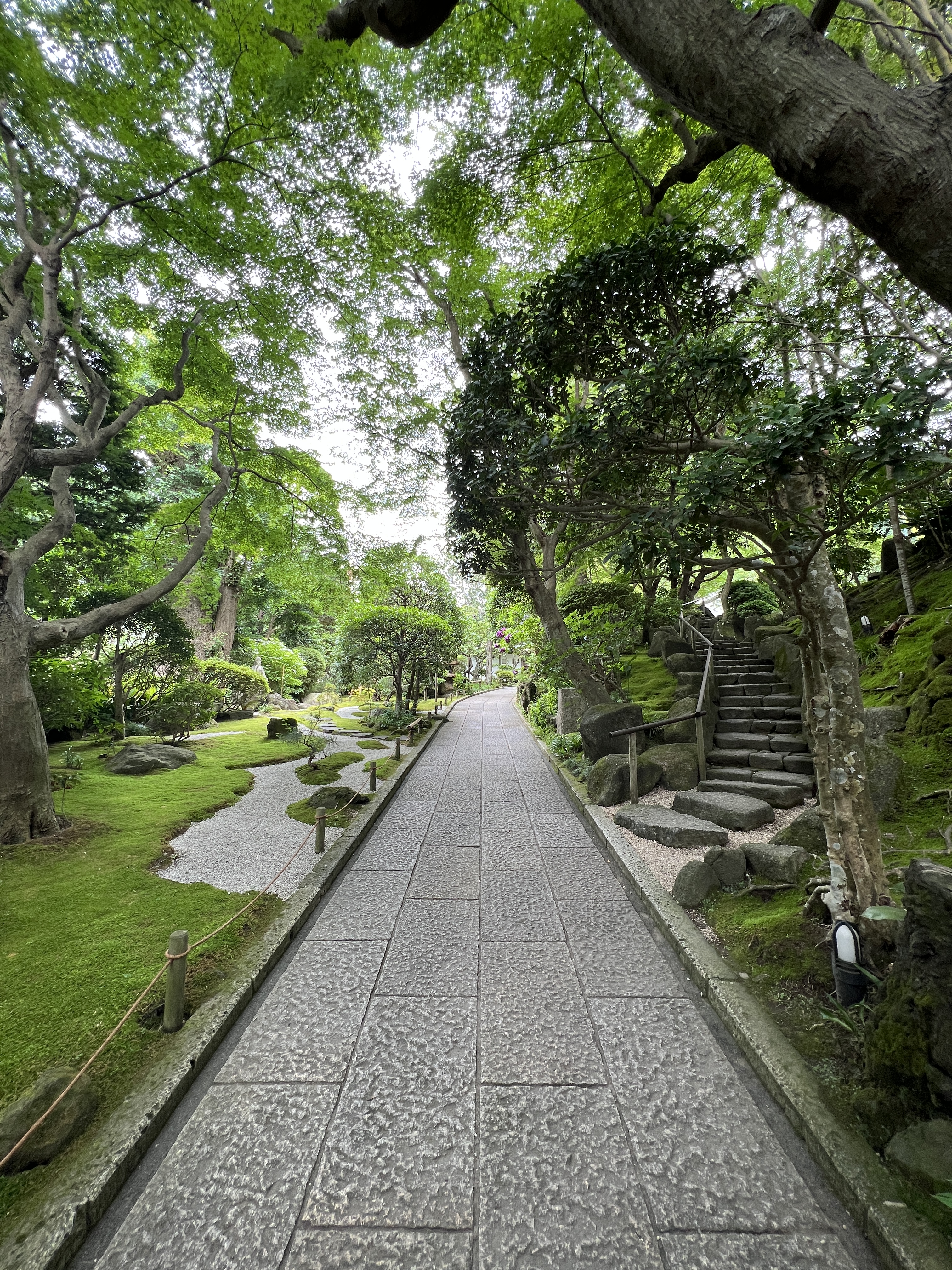


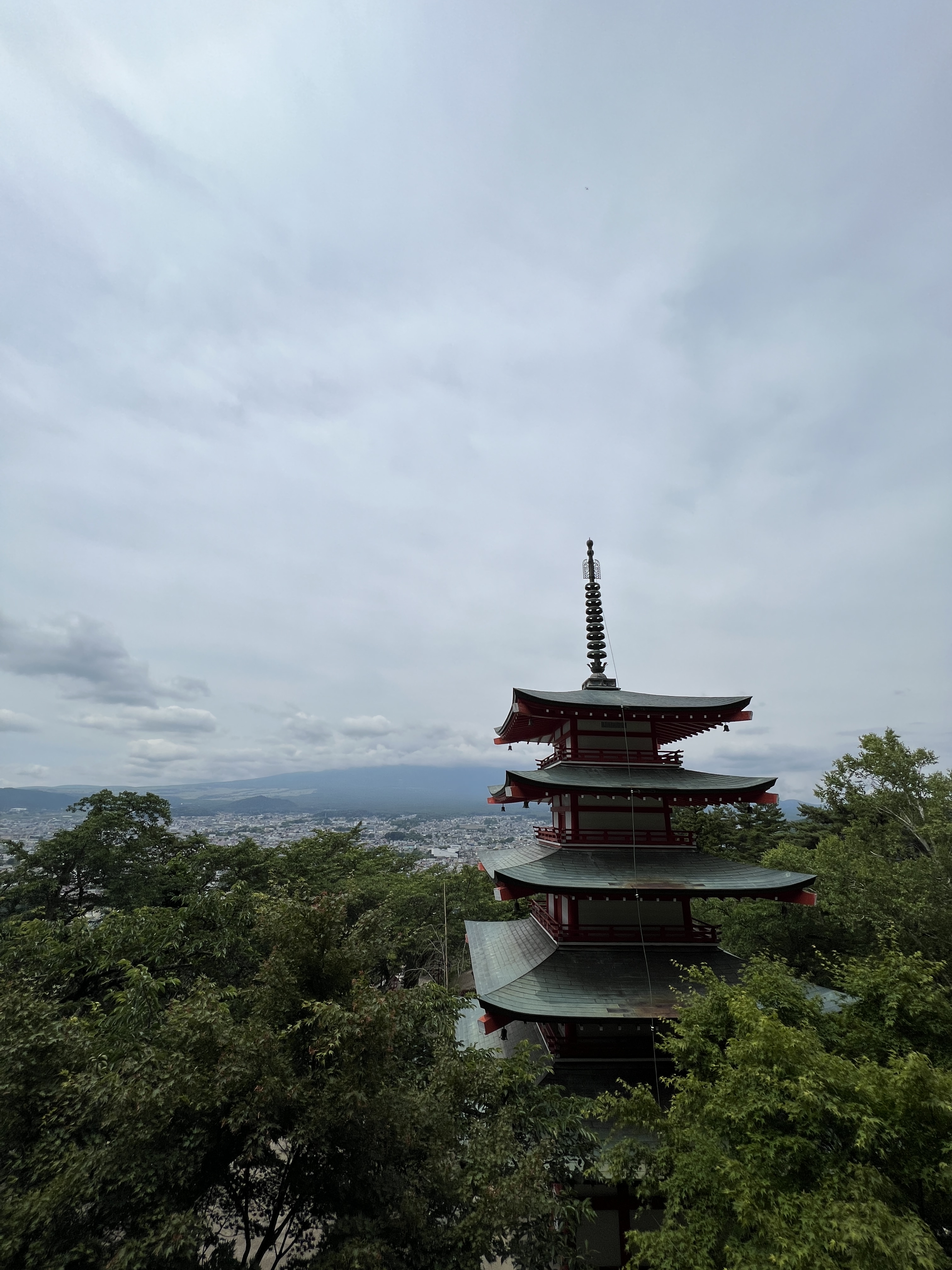

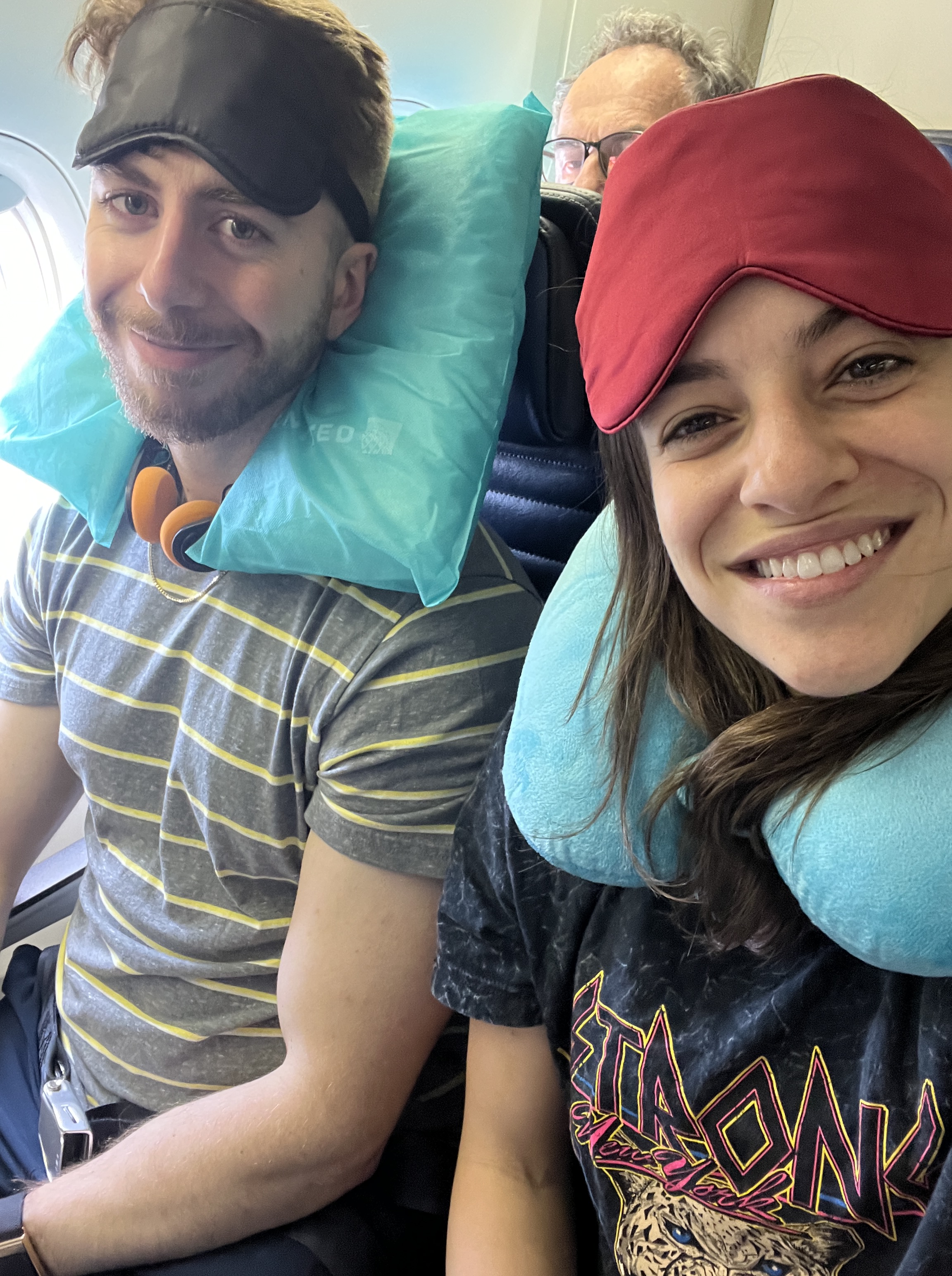
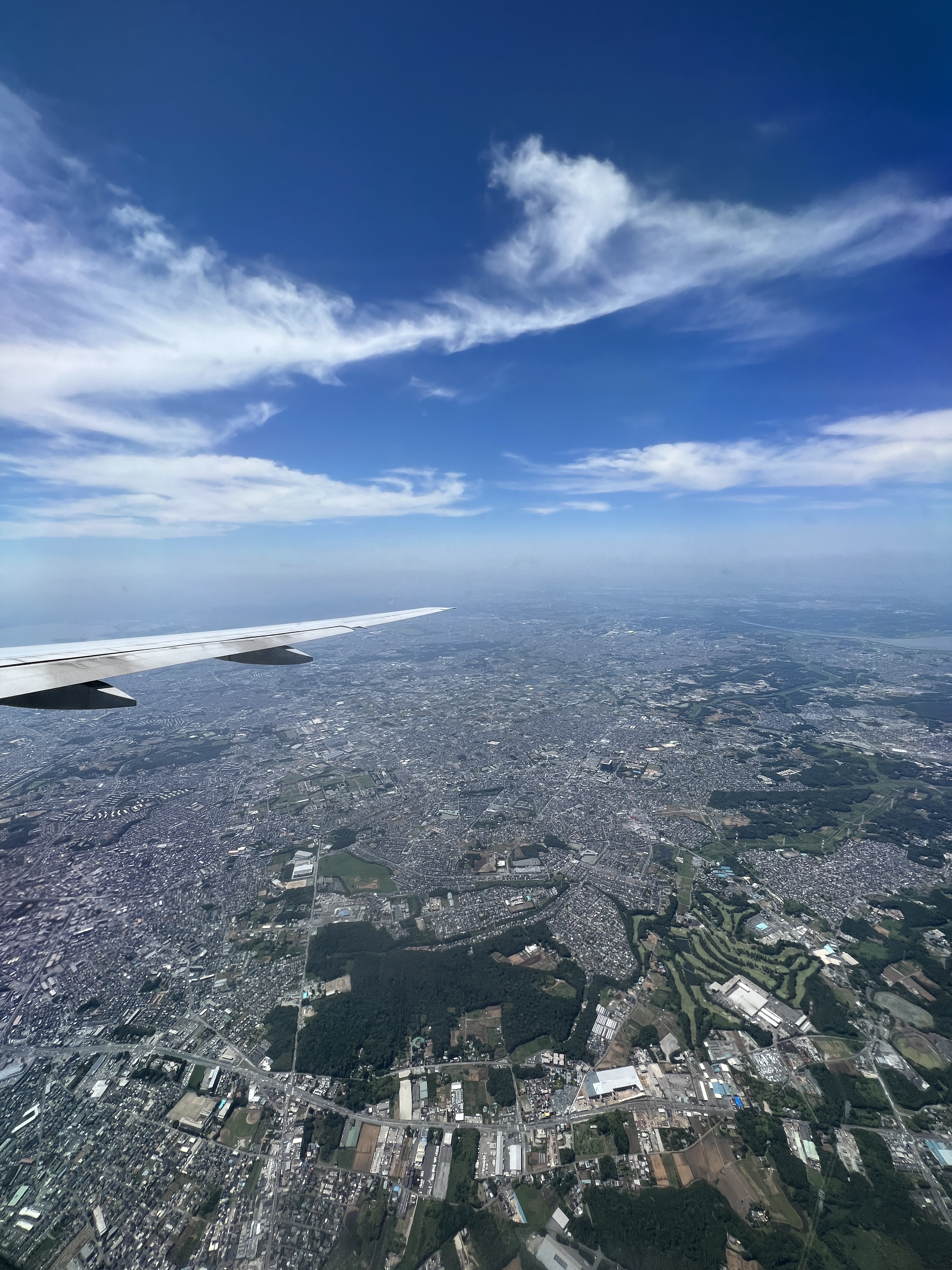


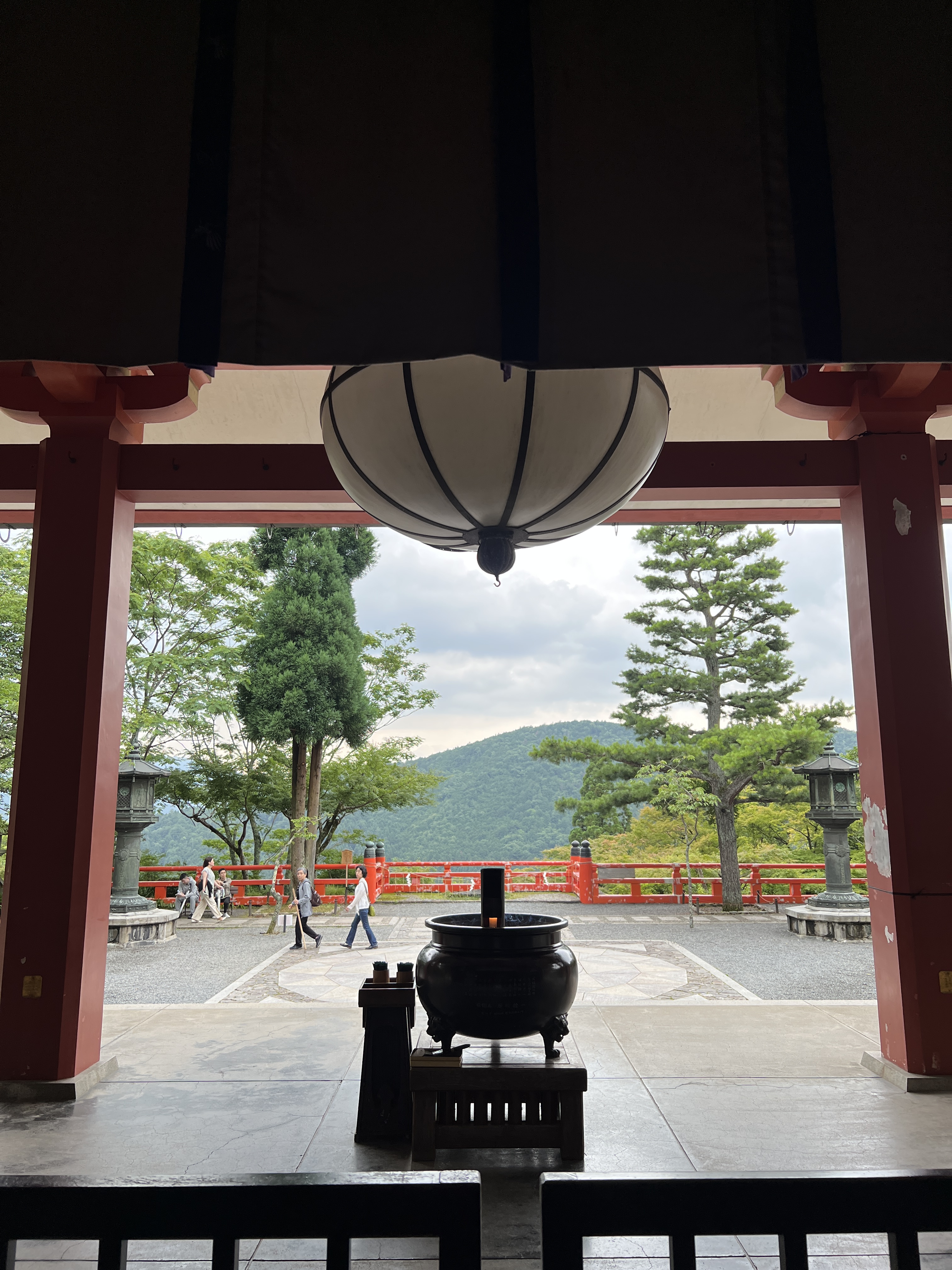


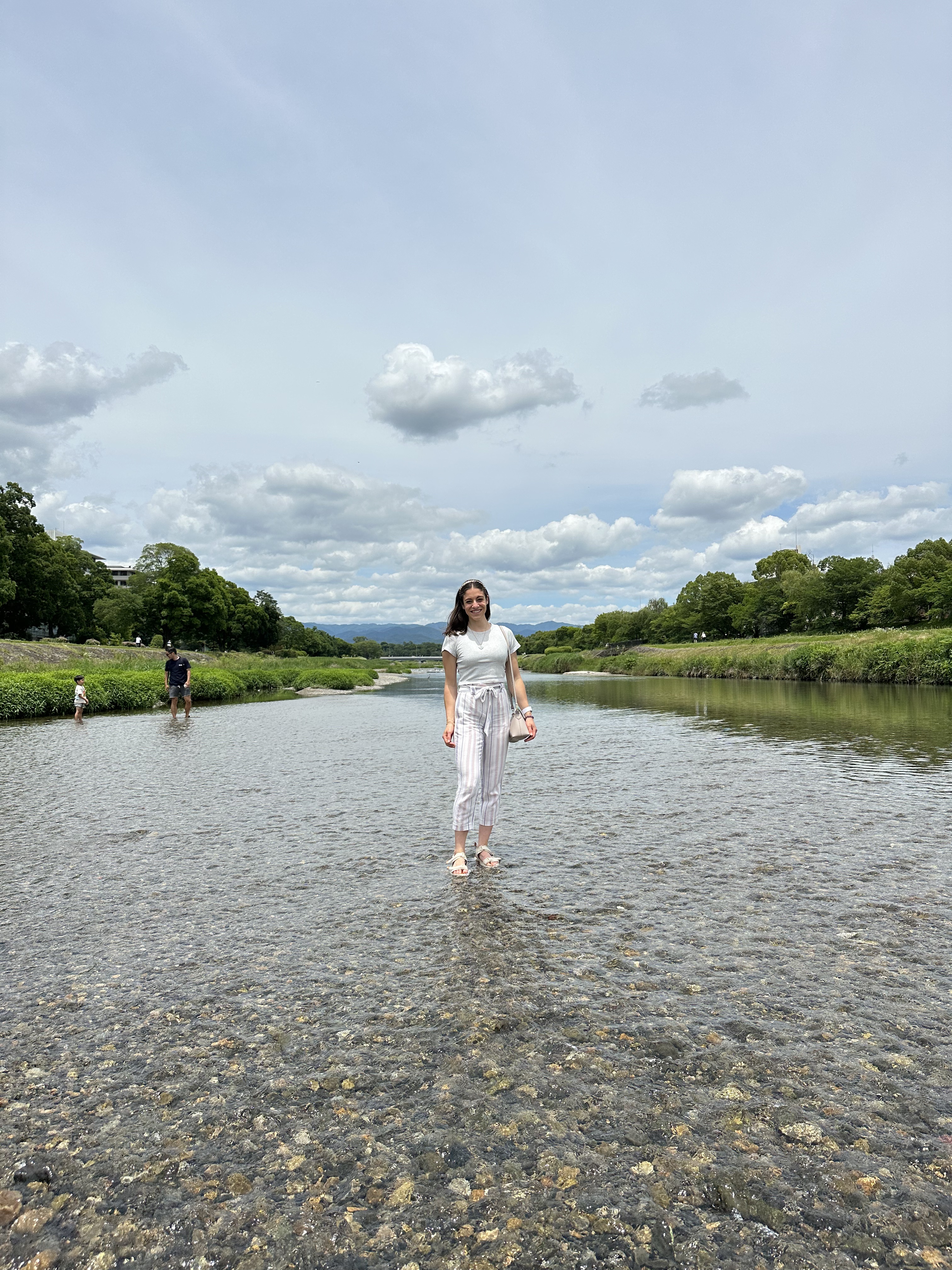


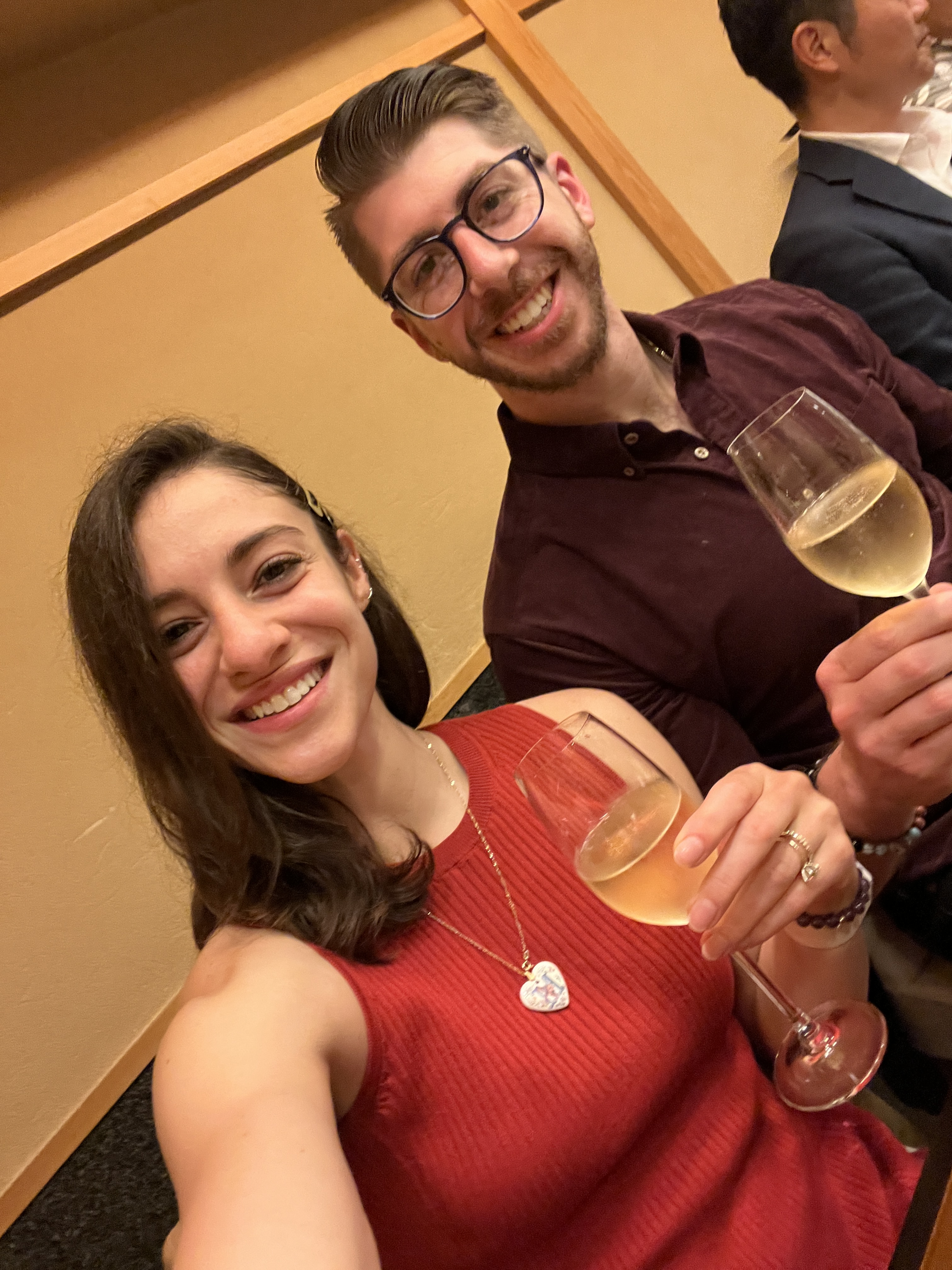


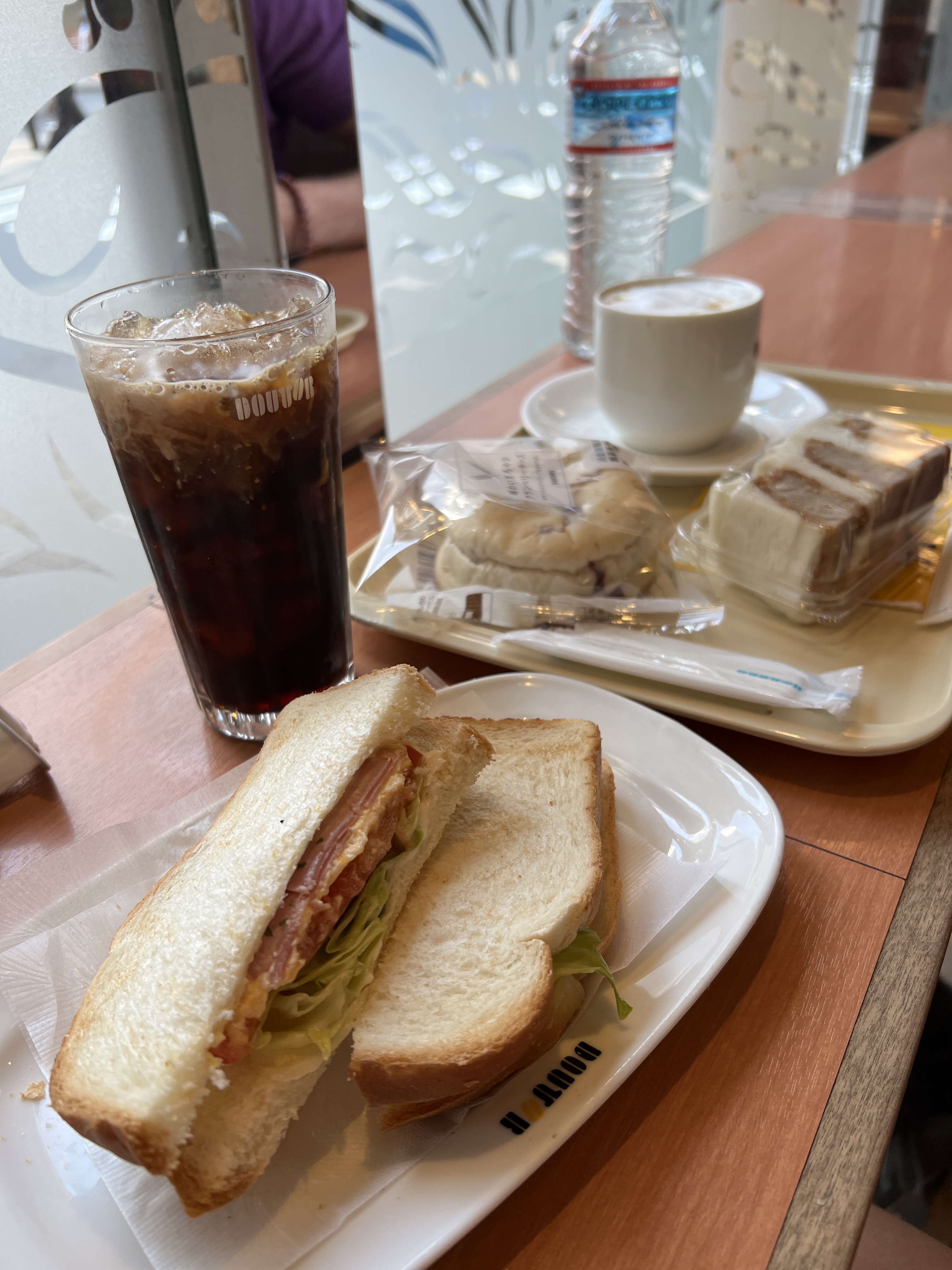


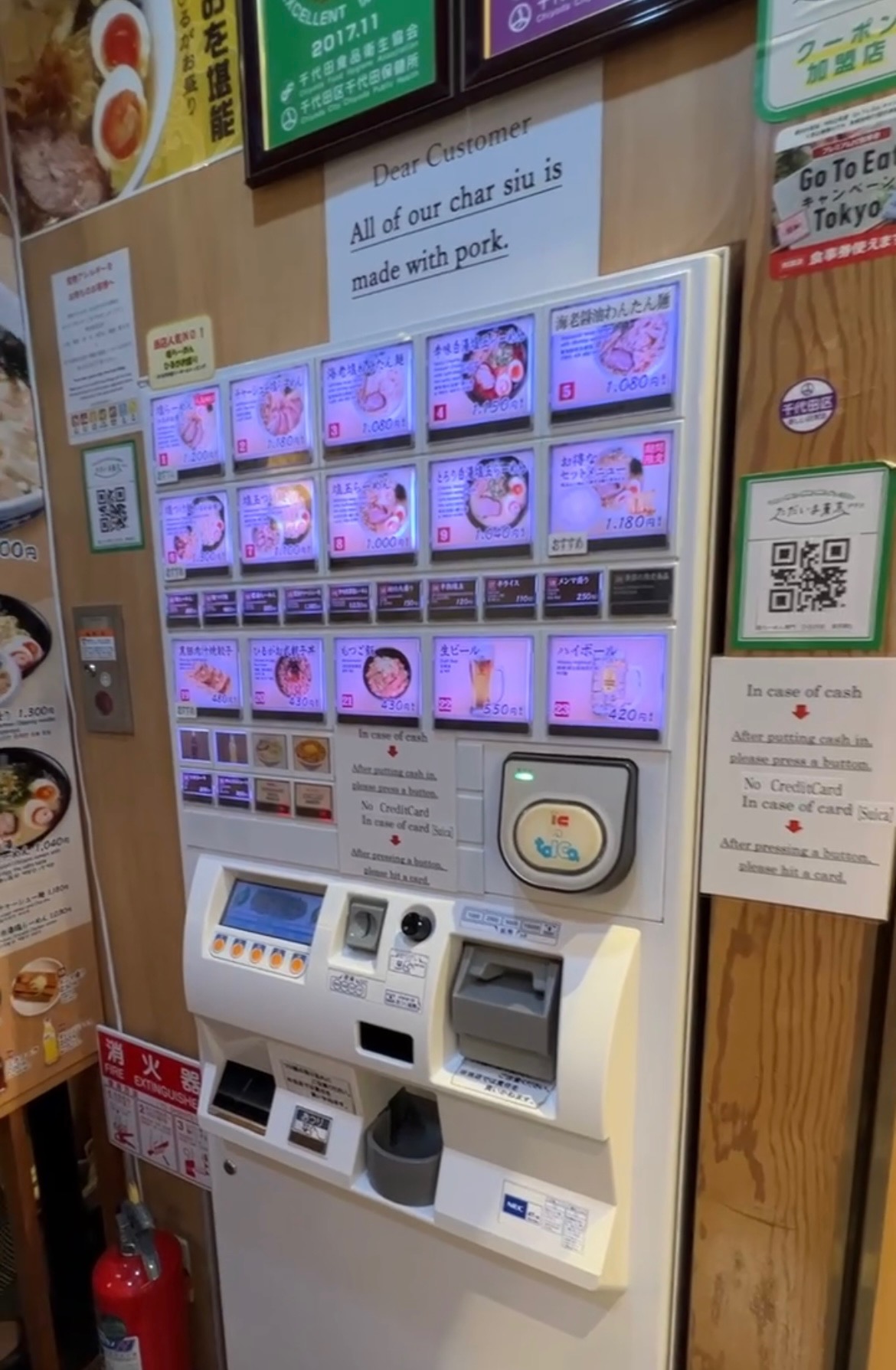
 Maddie Danza